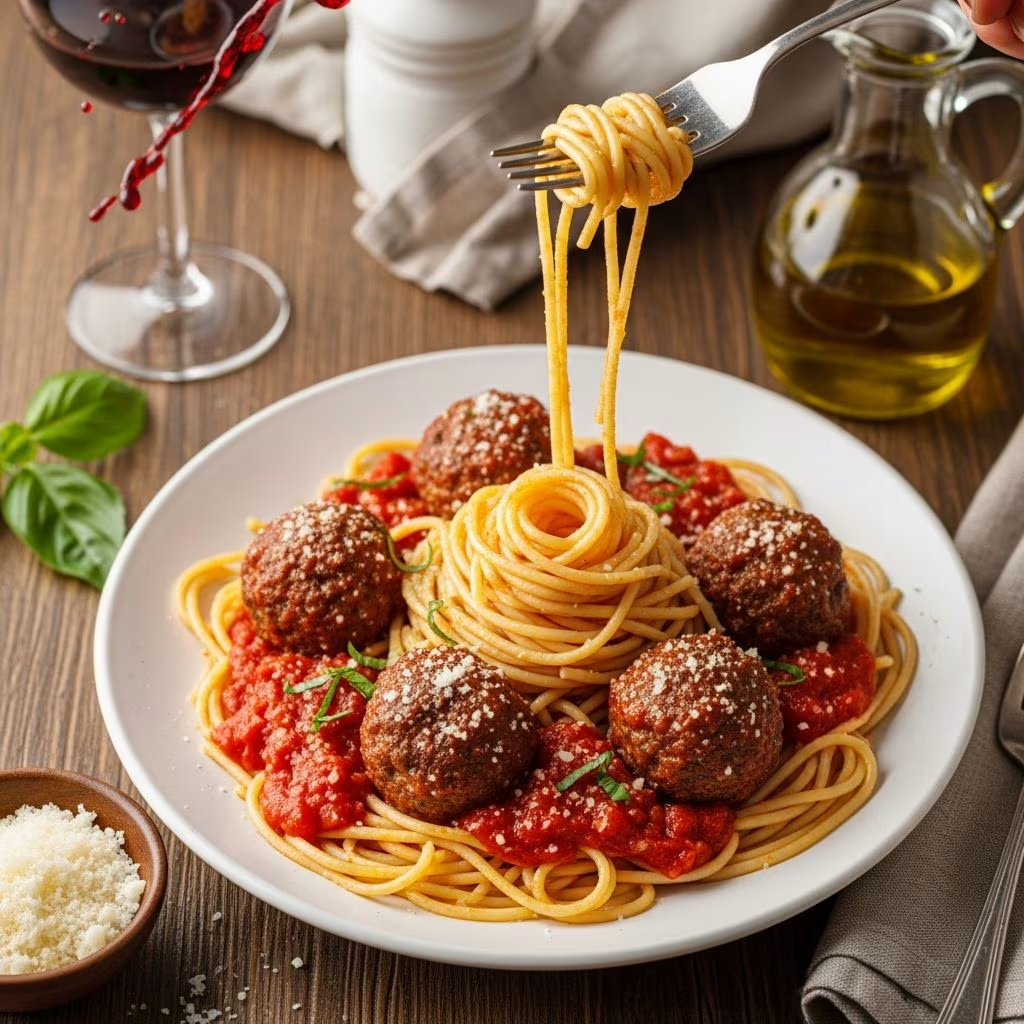
Creating an exceptional spaghetti and meatballs dish requires more than simply combining ground meat with breadcrumbs and sauce. This Italian-American classic demands attention to detail, quality ingredients, and proper technique at each stage of preparation. Whether you’re preparing this dish for a weeknight family dinner or impressing guests with restaurant-quality results, understanding the fundamentals of each component—from the pasta to the meatballs to the sauce—will elevate your cooking significantly.
Understanding the Foundation: Quality Ingredient Selection
The success of your spaghetti and meatballs begins long before you start cooking. Selecting premium ingredients forms the foundation upon which all subsequent flavors develop. When choosing ground meat, consider using a blend of beef and pork rather than beef alone. This combination provides a more complex flavor profile and creates meatballs with superior texture and moisture content.
Ground pork contributes fat that keeps the meatballs tender, while beef adds structure and depth. An ideal ratio involves equal parts of each meat, creating a balanced result. Additionally, pay attention to the fat content of your ground meat. Meat with 20 percent fat content provides sufficient richness without resulting in greasy meatballs that shrink excessively during cooking.
Breadcrumbs serve a crucial function beyond simple filler. They absorb liquids during mixing, creating a tender crumb structure rather than dense, compact balls. Italian-seasoned breadcrumbs offer convenient flavor enhancement, though panko breadcrumbs provide superior texture due to their larger particle size. Some experienced cooks prefer using fresh bread cubes soaked in milk or buttermilk, which creates an exceptionally tender result through a technique known as a panade.
Parmesan cheese contributes nutty, umami-rich flavors that deepen the overall taste. Freshly grated Parmesan offers superior flavor compared to pre-grated varieties, which contain anti-caking agents that affect texture and melting properties. The cheese also aids in binding ingredients together while adding moisture to the mixture.
Crafting the Perfect Meatball Mixture
The process of combining ingredients for meatballs demands restraint and careful technique. Begin by creating a panade—a mixture of bread and liquid—before adding meat. This step ensures even distribution of moisture throughout the mixture and prevents overworking the meat, which can result in tough, rubbery meatballs.
Combine breadcrumbs with milk or buttermilk, allowing them to hydrate for several minutes until they resemble wet paste. Adding beaten eggs to this mixture helps bind all components while providing structure. The eggs should be thoroughly incorporated into the bread mixture before introducing meat.
Once your liquid binder is prepared, add ground meat along with grated cheese, minced fresh herbs like parsley, minced garlic, and appropriate seasonings. Salt and freshly ground black pepper form the foundation of seasoning, while optional additions might include dried oregano, a pinch of red pepper flakes for subtle heat, or fresh lemon juice for brightness that cuts through rich flavors.
The mixing process requires a delicate balance. Mix just until all ingredients are barely combined—this typically takes less than one minute with your hands. Overworking the mixture compresses the meat fibers, resulting in dense meatballs rather than the desired light, tender texture. Visible streaks of meat mixed with white breadcrumbs indicate proper combination.
Shaping and Initial Cooking Methods
After combining ingredients, divide the mixture into equal portions. A scale ensures consistency, though estimating portions by eye works adequately once you develop experience. Gently roll each portion between your palms into a sphere, handling the meat as minimally as possible to maintain the tender structure you’ve carefully preserved through proper mixing.
For cooking meatballs, baking offers significant advantages over traditional pan-frying. Baking at 475°F (245°C) for approximately twenty minutes produces evenly browned meatballs without requiring oil and eliminates the mess and splatter associated with stovetop cooking. The dry heat environment allows exterior browning while the interior remains moist and tender.
During baking, the meatballs develop a light brown exterior that provides visual appeal and indicates the Maillard reaction has occurred—the chemical process that creates complex, savory flavors. Remove the baked meatballs from the oven and allow them to rest for ten minutes before transferring them to the sauce. This resting period allows carryover cooking to finish gently without overcooking.
Developing Exceptional Tomato Sauce
The sauce serves as the essential backdrop that brings all components together. Begin by heating olive oil over medium heat and adding finely diced onion along with minced garlic and salt. The salt draws moisture from the onions, beginning the softening process. Stir occasionally and allow this mixture to cook for approximately ten minutes until the onions become translucent and begin releasing their sweet flavors.
Adding a pinch of red pepper flakes at this stage introduces subtle heat that develops complexity without obvious spiciness. Crushed red pepper flakes work particularly well because they distribute evenly throughout the oil, infusing it with flavor that spreads throughout the sauce.
The choice between whole tomatoes and crushed tomatoes affects both texture and flavor. Whole tomatoes provide chunkier texture and often contain fewer additives, though crushing them manually during cooking offers more control. Crushed tomatoes offer convenience and consistent texture. Using one can of each type provides a balanced result—whole tomatoes for texture and crushed tomatoes for body.
After adding tomatoes, reduce heat to medium-low and cover the pot partially. Simmering for fifteen minutes allows flavors to meld while the sauce thickens slightly. Tasting and seasoning adjustment at this point proves important—adding salt or a small amount of sugar if acidity feels excessive creates a more balanced flavor. The sugar counteracts acid from the tomatoes without adding obvious sweetness.
Final Integration and Oven Finishing
Gently lowering the baked meatballs into the simmering sauce requires care to prevent breaking. Stir gently to coat each meatball with sauce. Transfer the entire pot to a preheated oven at 325°F (160°C) and allow everything to cook together for twenty to thirty minutes. This final stage allows flavors to marry while the sauce reduces slightly and develops concentrated tomato flavor with attractive browned edges.
The extended oven cooking serves multiple purposes. The gentle heat prevents sauce from scorching on the stovetop. The prolonged cooking time allows the meatballs to absorb sauce flavors while the sauce absorbs savory notes from the meatballs. Observing the edges of the sauce as it cooks—it should develop a light caramelized appearance—indicates proper doneness.
Preparing Fresh Pasta
While dried pasta works acceptably, fresh pasta elevates the final dish considerably. Fresh pasta has delicate texture and absorbs sauce more effectively than dried alternatives. Creating pasta dough requires simply combining flour, eggs, and salt until a cohesive mass forms.
All-purpose flour provides structure while semolina flour contributes slightly nutty flavor and helps prevent sticking during shaping. Mixing these components in a stand mixer with paddle attachment for sixty seconds initiates hydration, followed by switching to a dough hook for continued mixing. The dough should be firm yet supple—if overly dry, adding water gradually improves texture; if sticky, additional flour adjusts consistency.
After mixing, kneading by hand for approximately one minute develops gluten structure. Refrigerating the dough for thirty minutes allows relaxation before forming. Cutting pasta to desired length and cooking in salted boiling water for three to four minutes produces tender pasta that hasn’t become mushy.
Professional Plating and Finishing Techniques
The final presentation transforms home cooking into restaurant-quality results. Rather than simply piling pasta high, consider sautéing the pasta briefly over low heat with butter and reserved pasta water. The starch in pasta water helps create an emulsified sauce that clings beautifully to each strand.
Plating involves placing a nest of buttered pasta in the center of the plate, topping with two meatballs and an appropriate amount of sauce. Finishing touches include freshly grated Parmesan cheese, roughly chopped fresh parsley for color and freshness, and a small drizzle of high-quality olive oil for richness and visual appeal. These final garnishes transform a simple dish into something worthy of careful presentation.
Storage and Make-Ahead Strategies
This dish improves with time as flavors continue developing. Prepared meatballs and sauce store safely in the refrigerator for up to four days, making this recipe ideal for advance preparation. Simply reheat gently over medium-low heat before serving. Freezing uncooked meatballs on a baking sheet and then transferring to freezer containers allows preparation weeks in advance.
The sauce freezes exceptionally well for up to three months. This strategy allows preparing large batches during less busy periods and using portions throughout the month for quick dinners requiring only pasta cooking.
Frequently Asked Questions
Can I use only ground beef for meatballs?
Yes, though a beef and pork combination creates superior flavor and texture. If using only beef, select meat with 20 percent fat to maintain moisture, and consider adding a small amount of grated zucchini or finely minced mushroom for additional tenderness.
What causes dry, dense meatballs?
Overmixing the ingredient mixture compresses meat fibers, resulting in tough texture. Additionally, baking at excessively high temperatures or cooking too long produces dry results. Using a panade and maintaining proper fat content in ground meat helps prevent this issue.
Is fresh pasta necessary, or can dried pasta work?
Dried pasta certainly works and saves considerable time. Fresh pasta provides superior texture and sauce absorption, but quality dried pasta produces excellent results when properly cooked al dente.
How can I reduce the acidity of my sauce?
Adding a small pinch of sugar, a tablespoon of butter, or cooking the sauce longer allows acidity to mellow. Some cooks add a grated carrot during initial onion cooking, which naturally sweetens the sauce through extended cooking.
Can this recipe be prepared gluten-free?
Yes, substituting gluten-free breadcrumbs or crushed gluten-free crackers works effectively. Using gluten-free pasta completes the adaptation. Ensure all other ingredients meet gluten-free requirements.
Variations and Creative Adaptations
Once mastering the basic technique, experimentation with flavor variations maintains interest. Adding minced fresh basil during sauce cooking introduces brightness. Incorporating a small amount of balsamic vinegar contributes subtle sweetness and complexity. Some cooks add a splash of red wine to the sauce, allowing it to reduce slightly and adding depth.
Mixing different herbs—combining parsley with oregano and a hint of rosemary—creates layered flavors that develop throughout cooking. Adjusting cheese types, perhaps using a combination of Parmesan and Romano, alters the final flavor profile slightly.
This versatile dish adapts well to various dietary requirements. Substituting ground turkey or lean ground chicken creates lighter versions. Using vegetables like grated zucchini as part of the meat mixture increases nutritional content while improving moisture and tenderness.
References
- The Food Lab: Better Home Cooking Through Science — J. Kenji López-Alt. W. W. Norton & Company, 2015. https://www.seriouseats.com
- Essentials of Classic Italian Cooking — Marcella Hazan. Knopf, 1992. https://www.penguinrandomhouse.com
- On Food and Cooking: The Science and Lore of the Kitchen — Harold McGee. Scribner, 2004. https://www.penguinrandomhouse.com
- USDA FoodKeeper App: Meat Storage Guidelines — United States Department of Agriculture. https://www.foodsafety.gov