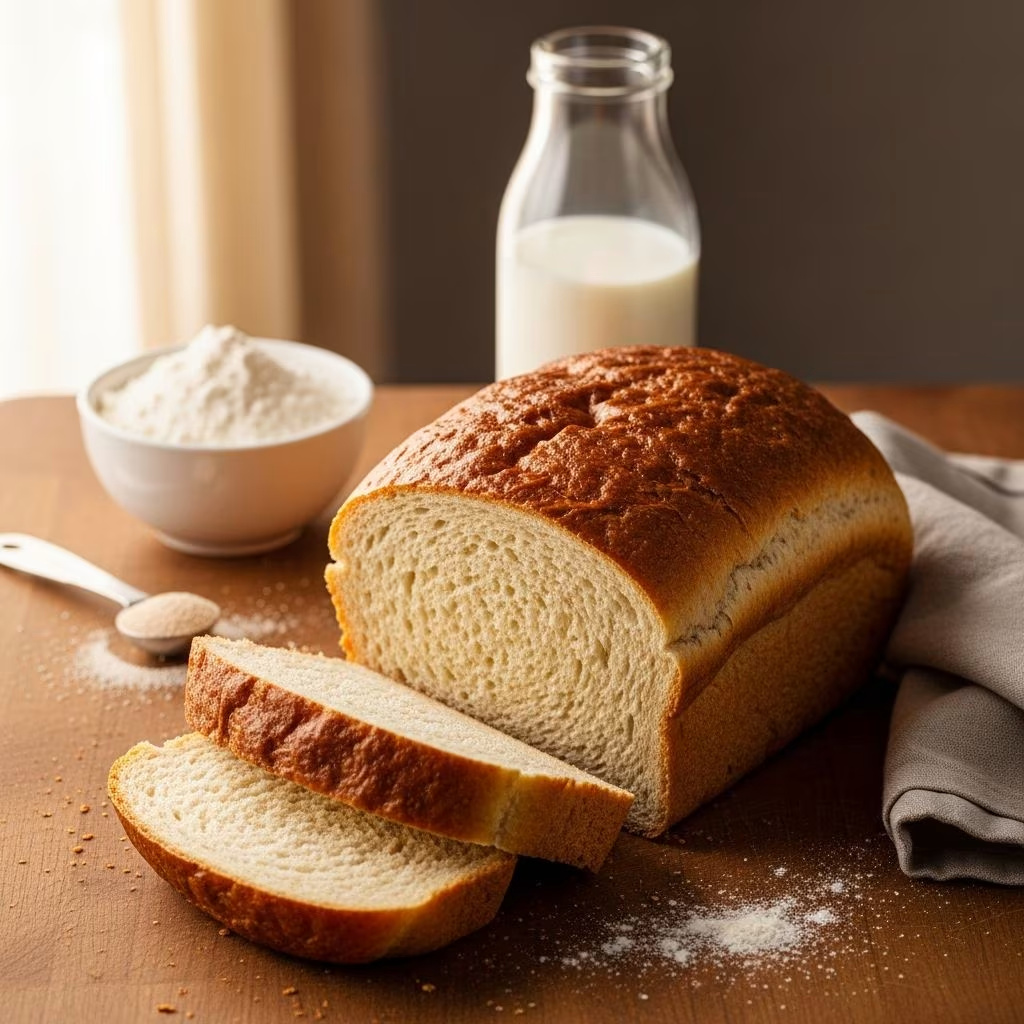
Milk bread represents one of the most satisfying baking projects for home cooks seeking to create bakery-quality loaves within their own kitchens. This beloved style of bread, characterized by its exceptionally tender crumb and subtle sweetness, has gained significant popularity across Western baking communities in recent years. The magic behind achieving that signature pillowy texture lies in understanding both the fundamental baking principles and the specialized techniques that distinguish milk bread from conventional bread varieties.
Understanding the Foundation of Milk Bread
Milk bread distinguishes itself from standard bread recipes through its incorporation of milk and a particular cooking method that transforms the final product into something exceptionally tender and moist. The bread’s development originated in Asian baking traditions, particularly within Japanese bakeries during the early twentieth century, where bakers sought to create loaves with a softer crumb structure compared to Western varieties. The addition of milk contributes not only to the flavor profile but also to the moisture content of the finished loaf, resulting in a bread that remains soft and fresh for extended periods compared to conventional bread formulations.
The unique texture characteristic of milk bread comes from the combination of specific ingredients and preparation methods that work synergistically to produce superior results. Unlike rustic or artisanal breads that prioritize crust development and complex fermentation, milk bread focuses on delivering consistent softness throughout the crumb structure. This approach appeals to those who prefer tender bread suitable for sandwiches, toast, or simply enjoying with butter and jam.
The Tangzhong Method: Science Behind Superior Softness
The tangzhong technique represents the cornerstone ingredient that elevates milk bread beyond standard recipes. This traditional approach involves creating a cooked paste from flour, milk, and water before incorporating it into the main dough. The method functions by gelatinizing the starches in the flour through heat, which allows the mixture to absorb and retain significantly more moisture throughout the baking process. This scientific principle ensures that the final bread maintains its tender quality long after cooling.
Creating the tangzhong requires minimal effort but demands attention to detail. The process involves combining flour with milk and water in precise proportions, then heating the mixture while stirring constantly until it reaches a thick, pudding-like consistency. The heating process typically requires only a few minutes, but vigilance prevents lumps from forming and ensures even cooking. Once the tangzhong achieves the proper consistency, it must cool to room temperature before integration into the bread dough, as introducing hot tangzhong can negatively affect yeast viability.
The historical significance of tangzhong reflects its proven effectiveness in Asian baking traditions. Japanese bakers adopted this Chinese technique during the 1920s specifically to achieve the soft, springy texture that defines contemporary milk bread. This historical application demonstrates that the method has been refined and perfected over generations, making it a reliable foundation for home bakers seeking consistent results.
Essential Ingredients and Their Roles
Successful milk bread baking requires understanding how each ingredient contributes to the final product. The following components work together to create the desired texture, flavor, and structure:
- Bread flour: Provides structure through its higher protein content, creating a dough with sufficient strength to support the bread’s rise while maintaining tenderness. Approximately 330-350 grams forms the foundation of most recipes.
- Milk: Contributes moisture, subtle sweetness, and richness to the crumb while supporting the tangzhong component. Warm milk (between 105-110°F) activates yeast more efficiently than cold alternatives.
- Active yeast: Essential for fermentation and rise, with instant yeast preferred by many bakers because it requires no prior blooming. Approximately 7 grams ensures adequate leavening power.
- Sugar: Feeds yeast during fermentation while contributing to browning and subtle sweetness. Approximately 50 grams balances these functions without overwhelming the bread’s delicate flavor.
- Unsalted butter: Adds richness and improves texture while requiring the butter to reach room temperature before incorporation for proper distribution.
- Eggs: Bind ingredients, enhance browning, and contribute to the bread’s tender crumb structure. One large egg typically serves this purpose effectively.
- Salt: Enhances flavor development while controlling fermentation pace. Approximately 5-7 grams prevents the bread from becoming bland.
Detailed Steps for Preparation
Creating the Tangzhong Component
Begin by measuring 100 grams of milk and combining it with bread flour in a small saucepan. Add water to achieve the proper consistency, then whisk the mixture over medium heat while stirring constantly. The mixture will gradually thicken as the starch gelatinizes. Continue heating until the consistency resembles thick pudding, which typically requires 2-3 minutes of constant attention. Once achieved, transfer the mixture to a bowl and allow it to cool completely to room temperature before proceeding. This cooling step is essential for protecting yeast viability in subsequent steps.
Activating the Yeast
Warm milk to between 105-110°F, which provides the ideal temperature for yeast activation without causing harm. Dissolve approximately one teaspoon of sugar in the warm milk, then sprinkle the instant yeast over the surface. Allow the mixture to stand for 10-20 minutes until the surface becomes bubbly and frothy, indicating successful yeast activation. This visual confirmation ensures the yeast remains viable and ready to begin fermentation.
Dough Assembly and Kneading
Combine the cooled tangzhong with the remaining bread flour in a large mixing bowl. Add the activated yeast mixture, sugar, salt, egg, and softened butter pieces. Using a rubber spatula, scrape the tangzhong from the bowl’s bottom and stir the entire mixture until a shaggy dough forms. This initial mixing stage ensures all components are distributed evenly before mechanical kneading commences.
Transfer the bowl to a stand mixer equipped with a dough hook attachment and knead on low speed for approximately 5 minutes. The dough should begin to form a cohesive ball around the hook while still appearing slightly sticky. Pause kneading to scrape down the sides and bottom of the bowl, ensuring all flour becomes incorporated. The kneading process develops gluten networks that will support the bread’s rise and give it structure.
Bulk Fermentation
Once kneading is complete, lightly oil a clean bowl with neutral-flavored oil. Place the dough in the prepared bowl and cover it with a damp cloth or plastic wrap. Allow the dough to rise at room temperature for approximately 1-2 hours, or until it roughly doubles in volume. This bulk fermentation period allows the yeast to multiply and produce gases that create the bread’s structure, while enzymes develop flavor compounds that enhance the finished loaf’s taste.
Shaping and Final Proof
Turn the fermented dough onto a lightly floured work surface and gently shape it into a round or elongated form depending on desired final presentation. If preparing individual rolls, divide the dough into equal portions before shaping. Place the shaped dough in a prepared loaf pan or on a baking sheet, then cover loosely and allow it to undergo the final proof. This second rise typically requires 30-60 minutes, during which the dough rises above the pan’s rim, indicating readiness for baking.
Baking Technique and Temperature Control
Preheat the oven to 355-375°F, depending on equipment characteristics and recipe specifications. An egg wash applied before baking creates an attractive golden-brown exterior and seals the dough surface, helping the bread rise evenly during baking. Bake for approximately 35-40 minutes, checking toward the end of the baking period to ensure browning reaches the desired level without burning.
The bread achieves doneness when the crust turns golden brown and the loaf sounds hollow when tapped on the bottom with a finger. Internal temperature should reach approximately 190°F when measured with an instant-read thermometer inserted into the loaf’s center. Once removed from the oven, allow the bread to cool in the pan for several minutes before transferring to a wire rack for complete cooling.
Storage and Shelf Life Considerations
| Storage Method | Duration | Characteristics |
|---|---|---|
| Room Temperature | 2-3 days | Maintains optimal softness and flavor for immediate consumption |
| Refrigeration | 5-7 days | Extends freshness but may slightly firm the crumb |
| Freezing | Up to 3 months | Preserves quality when thawed properly at room temperature |
The exceptional shelf life of milk bread compared to conventional bread results directly from the tangzhong method’s moisture-retaining properties. Even after several days of storage, milk bread maintains remarkable softness and freshness without becoming dry or stale. This characteristic makes milk bread particularly suitable for bakers who prefer producing larger quantities that will be consumed over several days.
Troubleshooting Common Issues
Dense or Heavy Crumb
Dense crumb typically results from insufficient fermentation time or yeast that has expired or been inactivated by excessive heat. Ensure yeast activates properly by observing foam development on the milk mixture surface. Additionally, verify that the dough completes both bulk fermentation and final proofing stages fully before baking, as underdeveloped dough produces disappointing results.
Dry or Crumbly Texture
This issue often indicates inadequate tangzhong incorporation or insufficient moisture in the dough. Verify that tangzhong measurements are accurate and that the mixture reaches proper consistency before cooling. Additionally, ensure warm milk temperatures fall within recommended ranges, as milk that is too hot kills yeast while milk that is too cool slows fermentation excessively.
Excessive Browning or Burning
If the crust browns too quickly or burns before the interior reaches proper doneness, reduce oven temperature by 25°F and extend baking time accordingly. Cover the loaf loosely with aluminum foil during the final stages of baking to prevent surface burning while allowing the interior to continue cooking.
Frequently Asked Questions
Can I use instant yeast instead of active dry yeast?
Yes, instant yeast and active dry yeast can be used interchangeably in most recipes, with instant yeast requiring approximately 25% less volume due to its finer particle size. Both varieties produce excellent results in milk bread recipes.
What if I don’t have bread flour?
While bread flour’s higher protein content produces optimal results, all-purpose flour can substitute in a pinch, though the resulting bread may be slightly less chewy and tender. Combining all-purpose flour with a portion of whole wheat flour can provide additional structure and flavor interest.
How long does milk bread stay fresh?
Properly stored milk bread remains soft and fresh at room temperature for 2-3 days, far longer than conventional bread varieties. The tangzhong method’s moisture-retaining properties contribute significantly to this extended freshness.
Can I prepare the dough ahead and refrigerate it?
Yes, the dough can be refrigerated after shaping for up to 12 hours, which allows for convenient morning baking of fresh bread. Remove the dough from refrigeration and allow it to reach room temperature before baking for optimal results.
Adapting Recipes for Different Preferences
Milk bread recipes can be modified to accommodate various dietary preferences and flavor preferences. Reducing sugar slightly creates a less-sweet version suitable for savory sandwich applications. Adding dried fruit, nuts, or seeds to the dough before shaping introduces texture and flavor complexity. For enriched variations, increasing butter and egg content produces an even more decadent crumb structure.
Bakers seeking to develop their skills can experiment with different hydration levels, fermentation times, and additional ingredients to discover personal preferences. Each variation provides learning opportunities that deepen baking knowledge and technique mastery.
Conclusion
Mastering milk bread baking opens doors to creating consistently excellent loaves that rival commercial bakery products. By understanding the tangzhong method’s scientific principles, following precise ingredient measurements, and allowing adequate fermentation time, home bakers can achieve professional results. The forgiving nature of milk bread recipes and their extended shelf life make them ideal projects for both novice bakers developing fundamental skills and experienced bakers seeking reliable recipes. With practice and attention to detail, milk bread becomes a rewarding staple in the home baker’s repertoire.
References
- Kristina Cho’s Milk Bread — Cherry Bombe. 2024. https://cherrybombe.com/blogs/recipes/kristina-chos-milk-bread
- Milk Bread (Soft and Fluffy Asian Style Recipe) — Kimchimari. 2024. https://kimchimari.com/milk-bread-asian/
- Japanese Milk Bread Recipe — Preppy Kitchen. 2024. https://preppykitchen.com/milk-bread/
- Japanese Milk Bread Recipe (Hokkaido Milk Bread) — The Flavor Bender. 2024. https://www.theflavorbender.com/japanese-milk-bread-recipe-hokkaido-milk-bread/
- Easiest Japanese Milk Bread — I Am A Food Blog. 2024. https://iamafoodblog.com/milk-bread/
- Japanese Hokkaido Milk Bread Recipe — Culinary Exploration. 2024. https://www.culinaryexploration.eu/blog/Japanese-Hokkaido-Milk-Bread