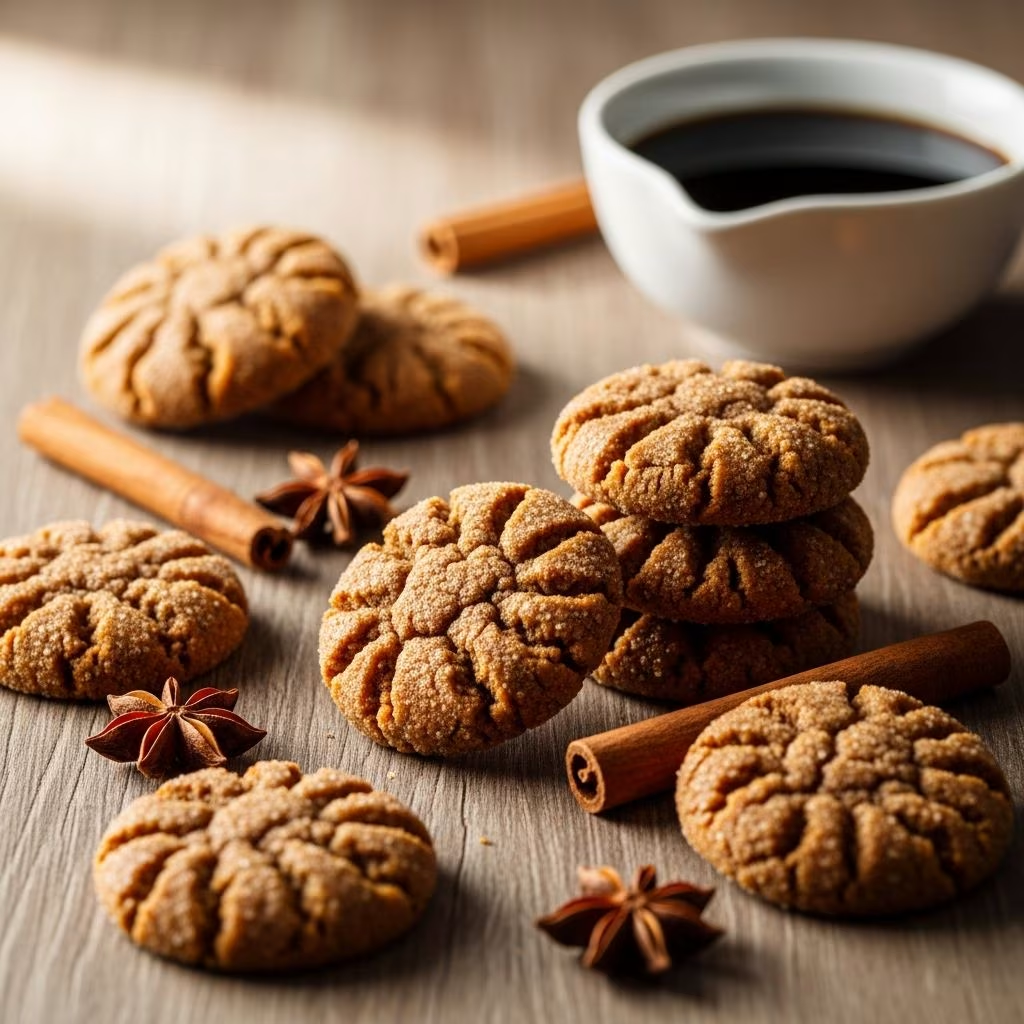
Molasses cookies represent one of the most beloved categories of homemade treats, cherished for their distinctive flavor profile and satisfying texture. These spiced delights have earned their place on holiday dessert tables and in family recipe collections across generations. Understanding the key elements that make these cookies special—from ingredient selection to baking techniques—ensures you can create batch after batch of perfectly chewy, aromatic treats that impress everyone who tastes them.
Understanding Molasses and Its Role in Cookie Baking
Molasses serves as the foundation of these cookies, providing both flavor depth and structural integrity. This dark, viscous byproduct of sugar refining contains minerals and compounds that create the signature taste associated with traditional molasses-based baked goods. When selecting molasses for your baking projects, you’ll encounter different varieties, each contributing unique characteristics to the final product.
Blackstrap molasses, known for its intense flavor and darker color, delivers a more robust taste compared to lighter varieties. This type of molasses contains more minerals and has undergone additional processing, resulting in a stronger molasses flavor that stands up well in cookie recipes. The choice between molasses varieties affects not only taste but also the overall appearance and nutritional profile of your finished cookies.
The Essential Ingredient Foundation
Creating exceptional molasses cookies begins with understanding each ingredient’s contribution to the final result:
- Butter: Room temperature butter is absolutely crucial for proper cookie development. Softening butter ahead of time—ideally for at least one hour before mixing—allows it to incorporate air when beaten with sugar. This creaming process creates a light, fluffy base that translates into cookies with excellent texture. Cold butter refuses to incorporate properly, while melted butter produces dense, greasy results.
- Granulated Sugar: Regular white sugar provides sweetness and contributes to the cookies’ structure. Reserve a portion of your sugar specifically for rolling the dough balls, as this coating creates the signature crackly exterior and crunchy texture that contrasts beautifully with the chewy interior.
- Eggs: A single egg acts as a binder, helping ingredients cohere while adding moisture. The egg contributes to both the structure and tenderness of the finished cookies.
- Flour: All-purpose flour forms the base structure of these cookies. Measuring flour correctly—by spooning into a measuring cup and leveling rather than scooping directly from the bag—ensures consistent results and prevents over-dense cookies.
- Leavening Agent: Baking soda works in conjunction with the acidic molasses to create rise and a tender crumb. This chemical interaction is essential for achieving the characteristic texture these cookies are known for.
- Spices: Cinnamon, ginger, nutmeg, and cloves create the complex spice profile that defines traditional molasses cookies. These warm spices have been incorporated into molasses cookie recipes for centuries, evolving from simple formulations to the carefully balanced blends we know today.
Creating the Perfect Dough Consistency
The method for combining ingredients significantly impacts the final cookie texture and appearance. Begin by creaming softened butter with granulated sugar until the mixture becomes light, fluffy, and noticeably paler in color. This stage typically requires two to three minutes of continuous beating with an electric mixer.
After the butter and sugar reach the ideal consistency, incorporate molasses and any egg. Mix thoroughly until these wet ingredients combine completely. Adding dry ingredients requires a different approach—combine flour, baking soda, salt, and all spices in a separate bowl before gradually incorporating them into the wet mixture. This prevents overmixing, which can result in tough, dense cookies. Mix only until no visible flour streaks remain in the dough.
Refrigeration plays a vital role in molasses cookie success. Chilling the dough for at least 20 minutes—though one hour or longer is ideal—prevents excessive spreading during baking and contributes to a chewier final texture. The cold dough holds its shape better in the oven, resulting in cookies with better definition and a more desirable texture profile.
From Dough to Finished Cookies
Proper portioning ensures consistent results across your entire batch. Using a cookie scoop—typically designed to hold one tablespoon of dough—creates uniform-sized cookies that bake evenly. Rolling each portion of dough in reserved granulated sugar before placement on the baking sheet accomplishes multiple objectives: it creates an appealing crackled surface, adds textural contrast, and signals to anyone sampling your cookies that these are homemade with care.
Spacing on the baking sheet matters considerably. Placing cookies at least two inches apart allows heat to circulate around each cookie, promoting even baking and preventing cookies from merging together as they spread. Parchment paper simplifies both baking and cleanup while preventing sticking and ensuring consistent browning on the bottom.
Achieving the Ideal Bake
Oven temperature directly influences the cookies’ final texture. Most molasses cookie recipes call for an oven preheated to either 350°F or 375°F, with the exact temperature sometimes varying based on personal texture preferences. Baking for six to eight minutes produces cookies that are set on the exterior but still soft and slightly underbaked in the center—this is the key to maximum chewiness.
Recognizing doneness requires observation rather than following a strict timer. The cookies should appear set around the edges while the center still appears slightly soft and possibly even slightly underbaked. This may feel counterintuitive, but it’s the secret to cookies that remain chewy rather than becoming hard and brittle as they cool.
The Cooling Process
Cooling directly affects final texture. Allowing cookies to rest on the baking sheet for approximately one minute allows carryover cooking to finish setting the bottom without hardening the entire cookie. Transfer them to a wire cooling rack to complete the cooling process in a location with adequate air circulation. This prevents the residual heat trapped in the baking sheet from continuing to cook the bottoms excessively.
Storage and Longevity
One advantage of molasses cookies is their impressive shelf life. Properly stored cookies remain fresh and chewy for several days, making them excellent for advance preparation or gift-giving. Store cooled cookies in an airtight container at room temperature, placing a piece of bread or a terra cotta disc in the container to help maintain moisture and chewiness. The cookies absorb moisture from the bread, keeping them tender rather than allowing them to dry out.
Troubleshooting Common Issues
| Problem | Potential Cause | Solution |
|---|---|---|
| Cookies spreading excessively | Dough not chilled sufficiently or oven temperature too low | Chill dough longer and verify oven temperature with an oven thermometer |
| Cookies too hard or crispy | Overbaked or baking temperature too high | Reduce baking time by one to two minutes and check oven calibration |
| Cookies too cake-like | Too much flour or insufficient molasses flavor | Measure flour by spooning method and use blackstrap molasses for stronger flavor |
| Dough too dry to scoop | Insufficient moisture or flour measured incorrectly | Add water one teaspoon at a time until proper consistency; remeasure flour |
| Cookies not browning evenly | Oven hot spots or improper cookie placement | Rotate baking sheet halfway through baking and ensure even spacing |
Flavor Variations and Customizations
While traditional molasses cookies follow time-tested formulations, several variations allow for creative expression. Some bakers incorporate vanilla extract to enhance overall flavor complexity. Others experiment with additional spices such as cardamom or allspice to create unique flavor profiles. The fundamental technique remains consistent regardless of minor ingredient adjustments, allowing you to personalize these cookies to your specific taste preferences.
Frequently Asked Questions
Can I prepare molasses cookie dough in advance?
Yes, molasses cookie dough can be prepared up to 48 hours ahead of time. Wrap the dough tightly in plastic wrap and store it in the refrigerator. Extended chilling may actually improve texture, as it allows flavors to develop further and makes the dough even more manageable for shaping.
What’s the difference between blackstrap and regular molasses?
Blackstrap molasses represents the final byproduct of sugar refining and contains more minerals and a more intense molasses flavor. Regular molasses, extracted in earlier stages of processing, is milder and slightly sweeter. Both work in molasses cookies, but they produce different flavor intensities.
Why do my cookies spread too much?
Excessive spreading typically results from insufficient chilling time, room temperature butter that’s too warm, or an oven temperature that’s too low. Ensure your dough is properly chilled, your butter is at room temperature but not warm, and your oven is preheated and accurately calibrated.
How do I achieve the perfect chewy texture?
Remove cookies from the oven while the center still appears slightly underbaked, allow brief cooling on the baking sheet, then transfer to a wire rack. Store finished cookies in an airtight container with a moisture-trapping element like a piece of bread to maintain chewiness.
Can I freeze molasses cookies?
Both dough and finished cookies freeze successfully for up to three months. Wrap dough balls individually in plastic wrap before freezing, or freeze finished cookies in an airtight container with parchment between layers. Thaw at room temperature before serving.
The Enduring Appeal of Molasses Cookies
Molasses cookies continue to captivate bakers across generations because they deliver on multiple fronts: distinctive flavor, satisfying texture, impressive appearance, and impressive longevity. Mastering the techniques outlined above ensures you can create cookies worthy of the highest compliments. Whether you’re preparing cookies for holiday gatherings, special occasions, or simple personal enjoyment, understanding the principles behind successful molasses cookie baking elevates your results from acceptable to exceptional.
References
- What’s Gaby Cooking – Soft And Chewy Molasses Cookies Recipe — What’s Gaby Cooking. Accessed 2026. https://whatsgabycooking.com/molasses-cookies/
- Love and Lemons – Chewy Molasses Cookies Recipe — Love and Lemons. Accessed 2026. https://www.loveandlemons.com/molasses-cookies/
- Preppy Kitchen – Soft & Chewy Molasses Cookies — Preppy Kitchen. Accessed 2026. https://preppykitchen.com/molasses-cookies/
- Sally’s Baking Addiction – Seriously Soft Molasses Cookies — Sally’s Baking Addiction. Accessed 2026. https://sallysbakingaddiction.com/soft-molasses-cookies/
- Mean Green Chef – Best Ever Molasses Cookies — Mean Green Chef. Accessed 2026. https://meangreenchef.com/best-ever-molasses-cookies/