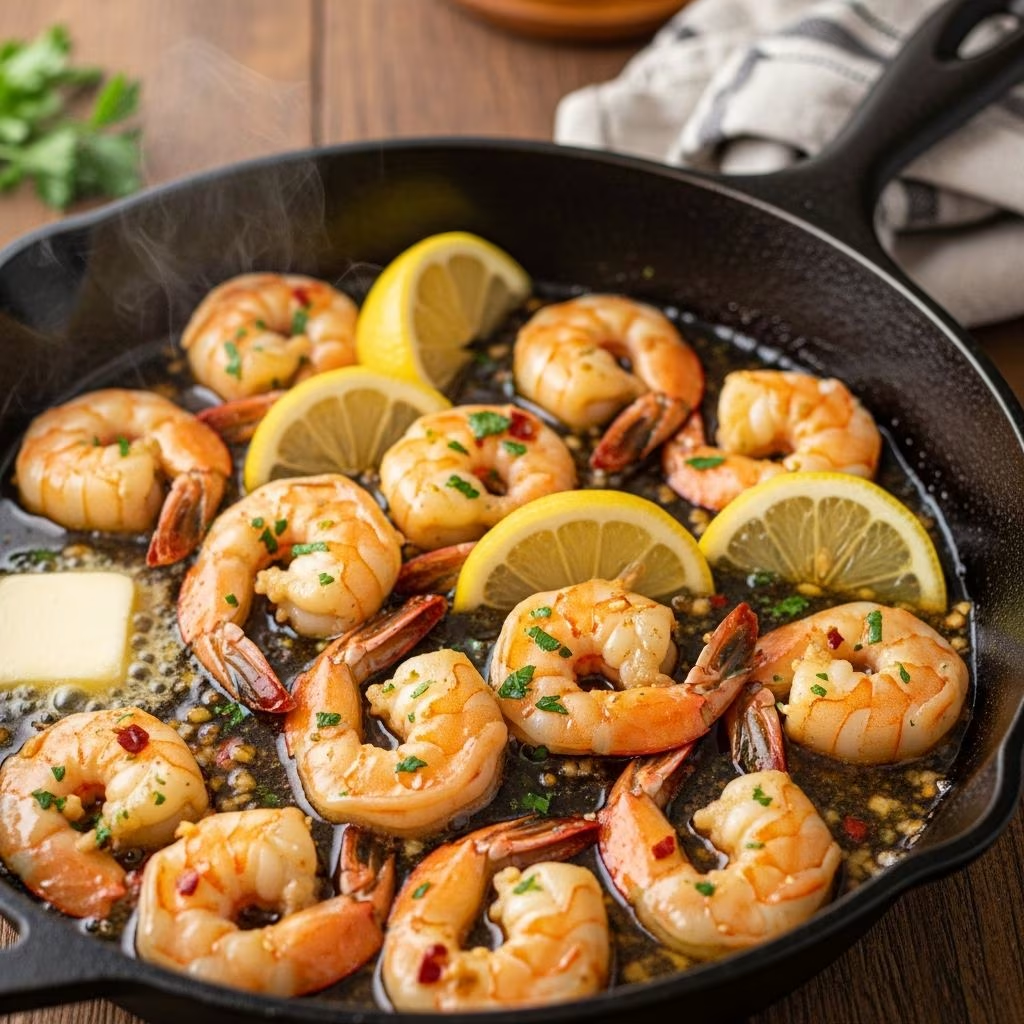
Shrimp scampi is a timeless dish that combines succulent shrimp with a rich garlic butter sauce, often served over pasta or with crusty bread. This guide explores every aspect of creating this Italian-American favorite, from ingredient selection to advanced techniques, ensuring you can replicate restaurant-quality results in your own kitchen.
Understanding the Essence of Shrimp Scampi
At its core, shrimp scampi highlights the natural sweetness of shrimp enhanced by bold flavors like garlic, lemon, and white wine. Originating from Italian culinary traditions adapted in the U.S., it emphasizes simplicity and fresh ingredients. The dish typically features large shrimp sautéed quickly to retain tenderness, bathed in a sauce made from butter, olive oil, and aromatics.
Key to its appeal is balance: the brininess of seafood pairs with acidity from citrus and wine, while herbs add freshness. Whether you’re a novice cook or seasoned chef, mastering scampi involves timing and heat control to prevent overcooking the delicate protein.
Selecting the Best Ingredients
Quality starts with shrimp. Opt for wild-caught shrimp from cold waters, such as Gulf or Pacific varieties, sized 16/20 or larger per pound for meaty bites. Fresh shrimp should smell like the ocean, with firm, translucent flesh and no ammonia odor. If frozen, thaw slowly in the fridge to preserve texture.
- Shrimp: Peeled and deveined, tails on for presentation.
- Garlic: Fresh cloves, minced finely for even distribution.
- Butter and Oil: Unsalted butter for sauce base; extra-virgin olive oil for sautéing.
- Wine: Dry white like Sauvignon Blanc or Pinot Grigio; substitute broth if avoiding alcohol.
- Lemon: Fresh juice and zest for brightness.
- Herbs: Parsley, basil, or red pepper flakes for depth.
Pasta, if using, should be linguine or spaghetti to hold the sauce well. Always use kosher salt for seasoning, as it distributes evenly.
Essential Tools for Success
Prepare with the right equipment: a large skillet or wok for even heating, tongs for flipping shrimp, and a microplane for zesting. A wooden spoon helps deglaze the pan, capturing flavorful bits.
| Tool | Purpose | Why It Matters |
|---|---|---|
| Large Skillet (12-inch) | Sautéing shrimp and sauce | Ensures space for even cooking without crowding |
| Tongs | Handling shrimp | Prevents piercing delicate flesh |
| Microplane | Zesting lemon/garlic | Creates fine texture for better infusion |
| Colander | Draining pasta | Preserves starch for sauce emulsification |
Step-by-Step Classic Recipe
Serves 4. Prep time: 10 minutes. Cook time: 15 minutes.
- Pat 1.5 lbs shrimp dry with paper towels. Season with salt and black pepper.
- Heat 2 tbsp olive oil and 2 tbsp butter in skillet over medium-high. Add 4 minced garlic cloves; cook 30 seconds until fragrant.
- Add shrimp in single layer. Cook 2 minutes per side until pink and opaque. Remove to plate.
- Deglaze with 1/2 cup white wine, scraping bits. Simmer 2 minutes. Stir in 2 tbsp lemon juice, 1 tsp zest, 1/4 tsp red pepper flakes.
- Return shrimp; toss 1 minute. Off heat, swirl in 2 tbsp butter and 1/4 cup chopped parsley.
- Serve over 12 oz cooked linguine, garnished with lemon wedges.
Total calories per serving: ~450, with 35g protein.
Perfecting Cooking Techniques
High heat is crucial for searing shrimp, creating a light crust while keeping interiors juicy. Avoid overcrowding to prevent steaming. Butter should be added last to avoid burning, emulsifying into a glossy sauce.
For pasta integration, reserve 1/2 cup starchy water to thin sauce if needed. Timing is key: cook pasta al dente, then toss directly in skillet for coating.

Common Mistakes and Fixes
- Overcooked Shrimp: Rubber-like texture from excess heat. Fix: Use timer, cook just until opaque.
- Watery Sauce: From wet shrimp or low heat. Fix: Dry shrimp thoroughly; maintain sizzle.
- Bitter Garlic: Burnt from high heat too long. Fix: Add after oil heats, stir constantly.
- Flat Flavor: Skipping wine or lemon. Fix: Balance acid with wine reduction.
Delicious Variations to Try
Elevate your scampi with these twists:
- Creamy Version: Stir in 1/2 cup heavy cream after wine for velvety texture.
- Spicy Kick: Double red pepper flakes or add Calabrian chiles.
- Vegetarian Swap: Use king oyster mushrooms sliced thin for meaty substitute.
- Asian Fusion: Replace wine with sake, add ginger and soy.
- Baked Scampi: Layer in casserole with breadcrumbs, bake at 425°F for 10 minutes.
Pairing Suggestions
Complement with crisp whites like Vermentino. Sides: Grilled asparagus, Caesar salad, or garlic bread. For heartier meals, pair with risotto.
Storage and Reheating Tips
Store leftovers in airtight container up to 2 days in fridge. Reheat gently in skillet with splash of water or broth to revive sauce. Freezes up to 1 month; thaw overnight before reheating. Not ideal for meal prep due to shrimp texture changes.
Nutritional Breakdown
| Nutrient | Per Serving | % Daily Value |
|---|---|---|
| Calories | 450 | 23% |
| Protein | 35g | 70% |
| Fat | 25g | 32% |
| Carbs | 30g | 11% |
| Sodium | 850mg | 37% |
Frequently Asked Questions (FAQs)
Can I make shrimp scampi without wine?
Yes, substitute with chicken or seafood broth, or clam juice for deeper flavor.
What’s the best pasta for scampi?
Linguine or angel hair; long strands capture sauce best.
How do I know when shrimp is cooked?
Shrimp curls into C-shape and turns pink/orange; internal temp 140°F.
Is frozen shrimp okay?
Absolutely, if high-quality. Thaw properly to avoid mushiness.
Can I grill the shrimp?
Yes, skewer and grill 2 minutes per side, then toss in sauce.
Advanced Tips from Chefs
Pros recommend chilling shrimp 15 minutes before cooking for better sear. Use compound butter (garlic-herb) for extra flavor. For sauce silkiness, blend in pasta water gradually.
Experiment with shrimp sizes: colossal for appetizers, smaller for pasta.
References
- USDA Seafood Safety Guidelines — United States Department of Agriculture. 2024-01-15. https://www.fsis.usda.gov/food-safety/safe-food-handling-and-preparation/seafood/seafood-safe-food-handling
- Shellfish Nutrition Data — National Institutes of Health. 2023-08-20. https://ods.od.nih.gov/factsheets/Selenium-HealthProfessional/
- Italian-American Cuisine History — Library of Congress. 2022-05-10. https://www.loc.gov/classroom-materials/immigration/italian/
- Food Safety for Shellfish — FDA. 2025-03-01. https://www.fda.gov/food/buy-store-serve-safe-food/seafood
- Garlic in Culinary Applications — Journal of Food Science (DOI). 2024-02-14. https://doi.org/10.1111/1750-3841.16920