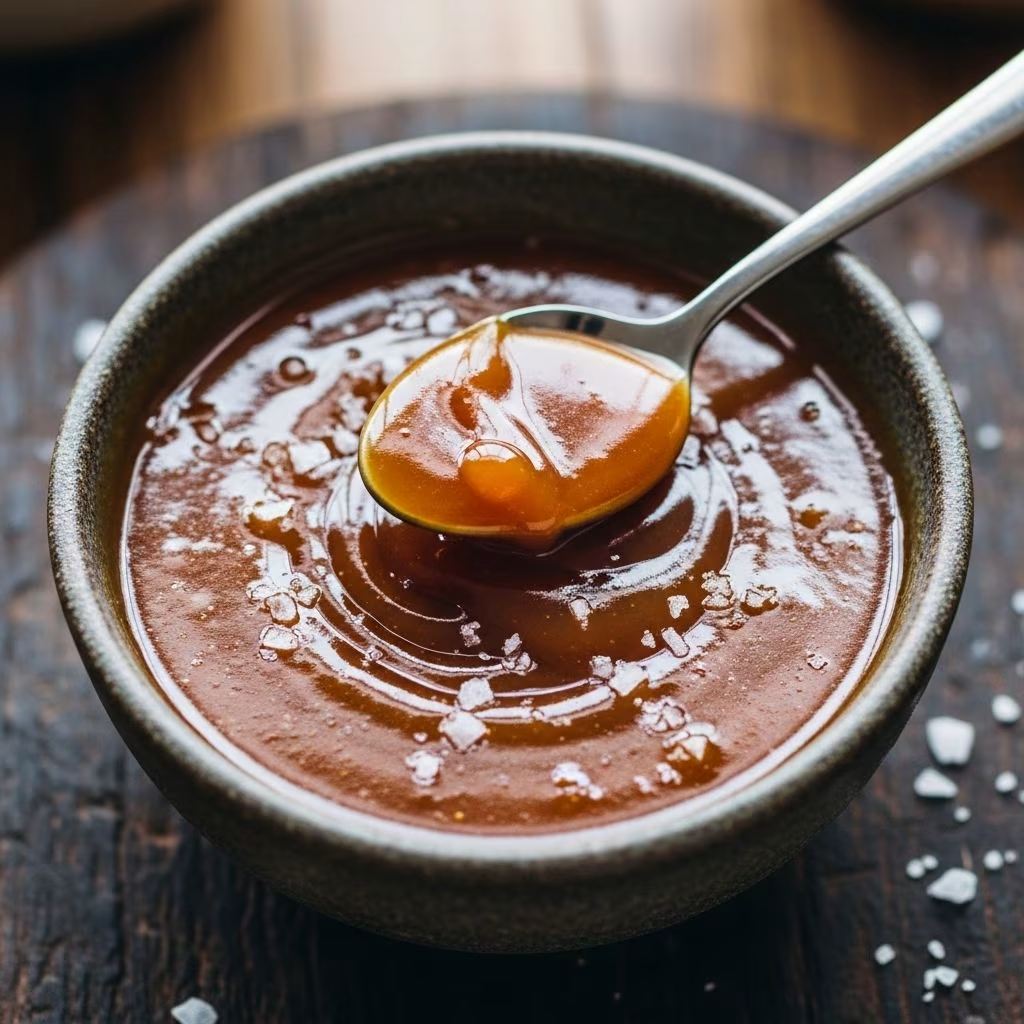
Indulge in the rich, buttery allure of salted caramel sauce, a versatile kitchen staple that transforms ordinary desserts into extraordinary treats. This glossy, golden elixir balances sweet intensity with a savory pinch of salt, making it a favorite among home bakers and professional chefs alike. Whether drizzled over vanilla ice cream, layered in cakes, or stirred into coffee, mastering this sauce opens endless culinary possibilities. In this guide, we’ll explore everything from foundational techniques to innovative applications, ensuring you achieve perfection every time.
Understanding the Magic of Salted Caramel
At its core, caramel forms when sugar melts and undergoes a chemical transformation called the Maillard reaction, developing deep, nutty flavors. Adding salt enhances these notes, creating contrast that prevents the sauce from tasting one-dimensional. Historically, caramel traces back to 17th-century Europe, but the salted twist gained modern fame through French pâtissiers in the 20th century. Today, it’s a global sensation, prized for its ability to elevate both sweet and savory dishes.
The beauty lies in its simplicity: just sugar, cream, butter, and salt. Yet, precision is key—too much heat scorches it, while improper stirring leads to crystallization. With practice, you’ll produce a sauce that’s smooth, pourable, and irresistibly addictive.
Essential Ingredients for Success
Gathering high-quality components sets the stage for flawless results. Here’s what you’ll need for a standard batch yielding about 1.5 cups:
- Granulated sugar: 1 cup (200g) – Opt for pure cane sugar without additives to avoid impurities.
- Heavy cream: 3/4 cup (180ml) – Full-fat for creaminess; warm it slightly for easier incorporation.
- Unsalted butter: 4 tablespoons (57g), cubed – European-style butter adds extra richness.
- Sea salt or fleur de sel: 1-2 teaspoons – Adjust to taste; flaky varieties provide texture bursts.
- Vanilla extract (optional): 1 teaspoon – Pure extract amplifies depth.
Pro tip: Use a heavy-bottomed saucepan to distribute heat evenly, minimizing burn risk.
Two Foolproof Methods to Make It
There are two primary approaches: the dry method for bold flavor and the wet method for beginners. Both yield professional results with practice.
Dry Method: Intense and Efficient
This technique skips water, melting sugar directly for concentrated taste. It’s faster but demands vigilance.
- Heat sugar in a medium saucepan over medium heat, stirring constantly with a heatproof spatula until it melts into amber liquid (about 5-7 minutes). If lumps form, gently swirl the pan.
- Once fully melted and golden, remove from heat. Slowly whisk in warm cream—it will bubble vigorously, so stand back.
- Stir in butter cubes one by one until emulsified, then add salt and vanilla. Cool slightly before using.
Expect a deeper, toffee-like profile from this method, ideal for drizzling.
Wet Method: Forgiving for Newbies
Adding water prevents burning, making it more approachable.
- Combine sugar with 1/4 cup (60ml) water in a saucepan. Cook over medium-high heat without stirring until it boils, then simmer until amber (8-10 minutes). Brush pan sides with a wet pastry brush to avoid crystals.
- Off heat, gradually add warm cream, whisking steadily. Follow with butter and salt.
This yields a lighter sauce, perfect for beginners.
Common Pitfalls and How to Avoid Them
Caramel can be temperamental. Here’s a troubleshooting table:
| Issue | Cause | Solution |
|---|---|---|
| Grainy texture | Sugar crystallization | Avoid stirring early; use corn syrup (1 tsp) as insurance. |
| Burnt taste | Overheating | Watch color—stop at medium amber; use a thermometer (300-325°F/149-163°C). |
| Seized up | Cold cream shock | Warm cream to 100°F (38°C) before adding. |
| Too thin/thick | Ingredient ratios | Adjust cream; reheat gently with extra butter if needed. |
By anticipating these, you’ll sidestep frustration.
Storage, Shelf Life, and Reheating
Fresh caramel keeps in an airtight jar in the fridge for up to 2 weeks or freezes for 3 months. To reheat, warm in a microwave in 10-second bursts or over a double boiler, stirring until pourable. Avoid high heat to prevent separation. For longer storage, layer with parchment to prevent sticking.
Creative Twists on the Classic
Elevate your sauce with these variations:
- Spiced: Infuse with cinnamon, cardamom, or bourbon during cream addition.
- Chocolate: Stir in 4oz melted dark chocolate for ganache-like decadence.
- Vegan: Swap cream for coconut cream and butter for coconut oil.
- Citrus: Zest orange or lemon for bright notes.
- Smoked: Use smoked salt for a barbecue edge.
10 Irresistible Ways to Use Your Sauce
Don’t stop at sundaes—here are versatile ideas:
- Ice Cream Topping: Drizzle over gelato with sea salt flakes.
- Cake Filling: Layer in chocolate or vanilla cakes.
- Apple Dip: Pair with sliced fruit for snacks.
- Cheesecake Swirl: Marble into batter before baking.
- French Toast Soaker: Soak bread in a cream-caramel mix.
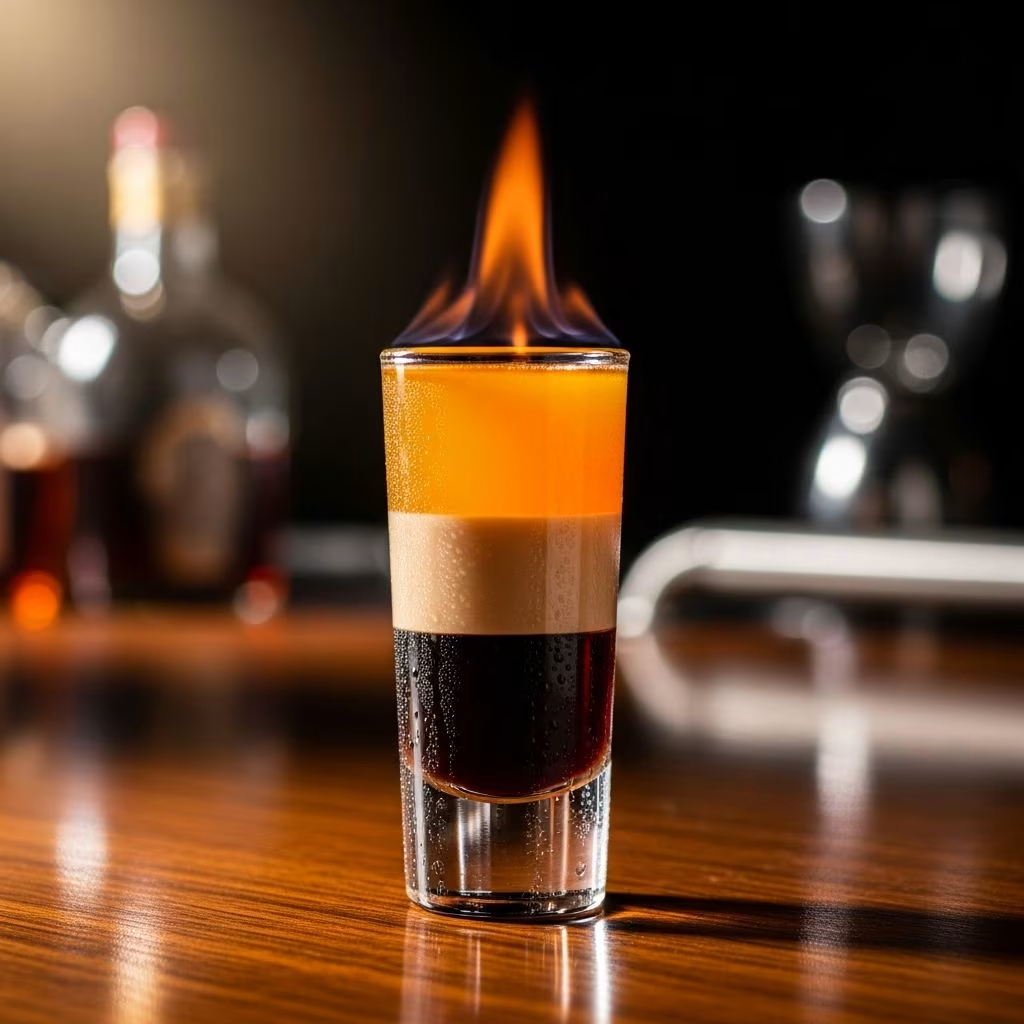
- Cocktail Stirrer: Rim glasses or mix into old fashioneds.
- Brownie Frosting: Spread atop fudgy squares.
- Panna Cotta Crown: Pour over set cream desserts.
- Popcorn Toss: Lightly coat for gourmet snacking.
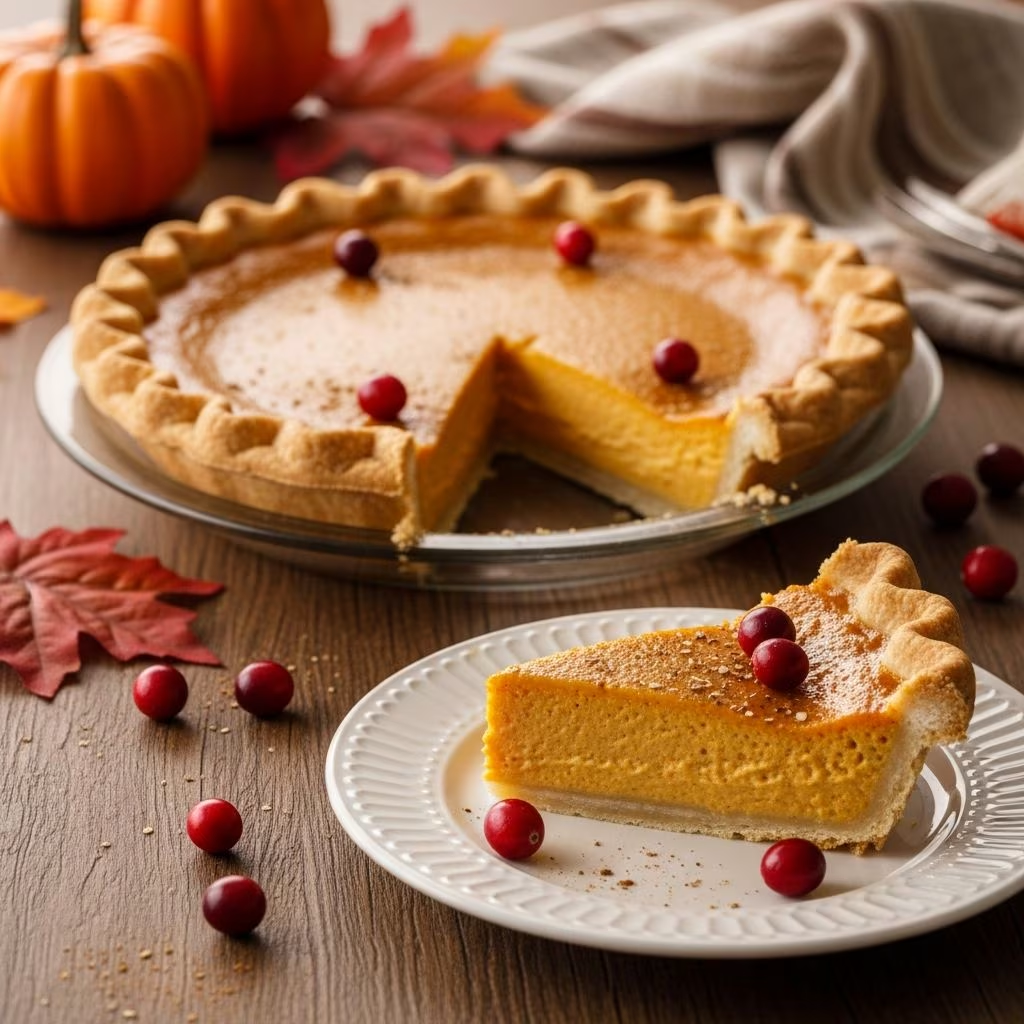
- Pie Drizzle: Elevate pecan or pumpkin pies.
Pairing Perfection: What Goes Best
Salted caramel shines with contrasts: tart apples, creamy cheesecakes, dark chocolate, or nutty pecans. In beverages, it complements espresso or whiskey. Experiment with textures—pair smooth sauce with crunchy nuts or brittle.
Scaling Up for Crowds
For parties, double or triple the recipe, but cook in batches to maintain control. Store in multiple jars for easy gifting. A large batch (4x) fills 20 small jars, ideal for holiday favors.
Nutrition Snapshot and Dietary Notes
Per tablespoon: ~70 calories, 5g sugar, 4g fat. It’s indulgent, so portion mindfully. Gluten-free and adaptable for keto with sugar substitutes like allulose.
Frequently Asked Questions
Can I use brown sugar?
Yes, but expect a molasses-forward flavor. Mix 50/50 with white for balance.
Is a candy thermometer necessary?
Not essential, but helpful for hard-ball stage (250°F/121°C).
How do I fix separated sauce?
Blend with an immersion blender or re-emulsify over low heat with extra butter.
Can I make it alcohol-infused?
Absolutely—add whiskey, rum, or Baileys post-cooking.
Does it work with artificial sweeteners?
Some like erythritol burn easily; test small batches.
With these insights, you’re equipped to create salted caramel sauce that rivals any gourmet shop. Practice builds confidence—start small, savor the process, and watch your kitchen creations shine.
References
- Sugar Chemistry and Confectionery Science — Institute of Food Technologists. 2023-05-15. https://www.ift.org/news-and-publications/food-technology-magazine/issues/2023/may/features/sugar-chemistry
- Caramelization Fundamentals — USDA Agricultural Research Service. 2022-11-10. https://www.ars.usda.gov/research/publications/publication/?seqNo115=413892
- Maillard Reaction in Cooking — American Chemical Society. 2024-02-20. https://www.acs.org/education/whatischemistry/landmarks/maillard-reaction.html
- Food Science of Sauces and Emulsions — Journal of Food Science (Wiley). 2023-08-01. https://doi.org/10.1111/1750-3841.16678