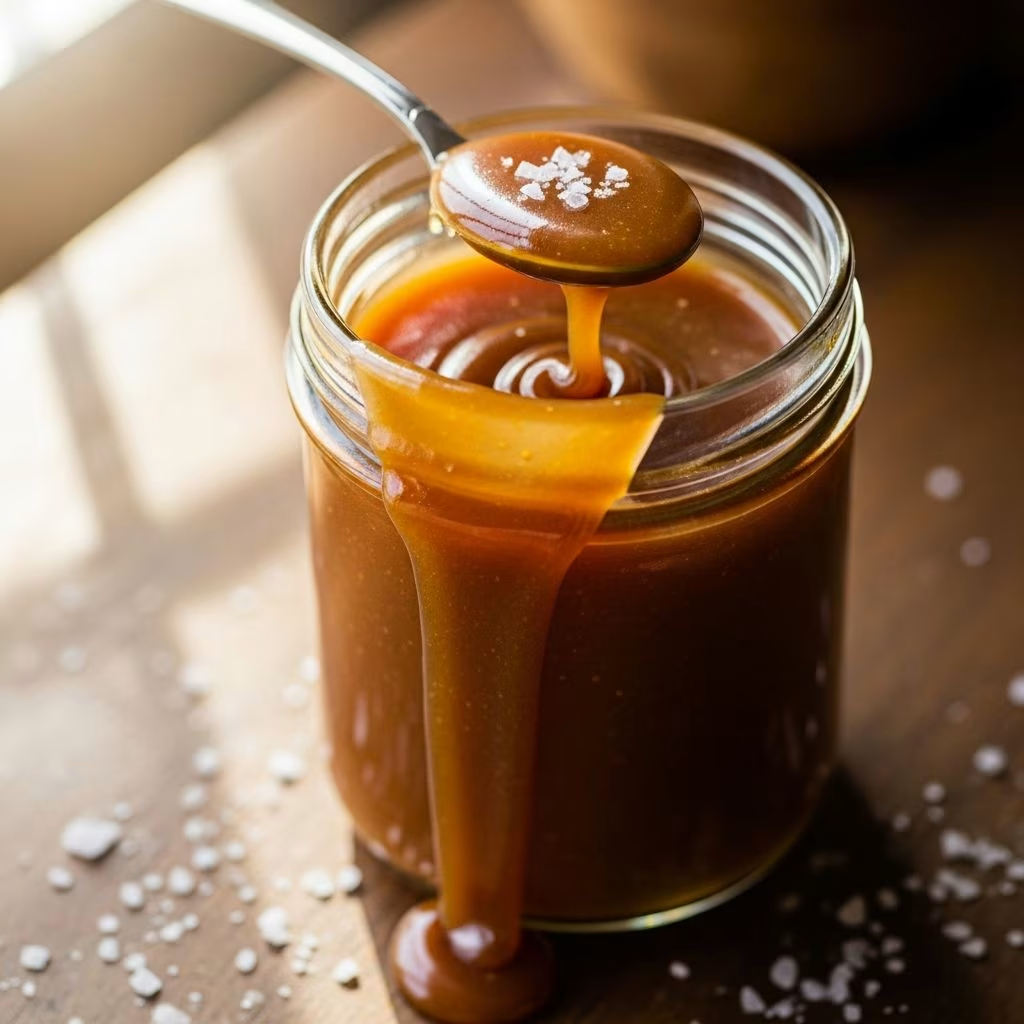
Indulging in the rich, buttery embrace of salted caramel sauce transforms ordinary desserts into extraordinary treats. This versatile condiment blends the deep sweetness of caramelized sugar with a savory pinch of salt, creating a flavor profile that’s addictive and endlessly adaptable. Whether you’re drizzling it over ice cream, swirling it into brownies, or using it as a dip for fruits, mastering salted caramel at home opens up a world of culinary possibilities. In this guide, we’ll dive deep into the science, techniques, and creative applications to help you create silky, professional-quality sauce every time.
The Allure of Salted Caramel: A Flavor Symphony
Salted caramel’s popularity exploded in the early 2000s, but its roots trace back to French confectioners who balanced sweet and salty notes long before it became a global sensation. The magic lies in contrast: the Maillard reaction during caramelization develops complex, nutty flavors from simple sugar, while salt amplifies those notes and cuts through the richness. Scientifically, salt ions interact with sugar molecules to enhance taste perception, making each bite more vibrant.
Unlike plain caramel, the salted version adds depth, preventing cloying sweetness. It’s not just for desserts—think savory applications like glazing meats or enhancing coffee. Home cooks love it for its short ingredient list and impressive payoff, but success hinges on precision. Temperature control is key; sugar burns above 350°F (177°C), turning bitter. With practice, you’ll achieve that glossy, pourable texture that clings perfectly to spoons and surfaces alike.
Essential Ingredients for Flawless Results
Great salted caramel starts with quality components. Here’s what you need:
- Granulated Sugar: The foundation. Use white for clean flavor; avoid brown sugar here to prevent graininess.
- Water: Helps dissolve sugar evenly, reducing hot spots.
- Heavy Cream: Provides creaminess and tempers the heat. Warm it slightly for smoother incorporation.
- Unsalted Butter: Adds silkiness and richness. European-style butter boosts luxury.
- Sea Salt or Fleur de Sel: For crunch and balance. Start with 1 tsp per cup of sugar, adjust to taste.
- Vanilla Extract (Optional): A dash enhances aroma without overpowering.
Proportions matter: a classic ratio is 1 cup sugar, 1/4 cup water, 3/4 cup cream, 4 tbsp butter, and 1 tsp salt. Scale as needed, but maintain balance for optimal texture.
Step-by-Step Guide to Perfection
Creating salted caramel requires patience and a heavy-bottomed saucepan to distribute heat evenly. Follow these steps for success:
- Prepare Your Station: Measure ingredients precisely. Have a whisk, heatproof spatula, and oven mitts ready. Line a baking sheet with parchment for any spills.
- Combine Sugar and Water: In a saucepan over medium heat, stir until sugar dissolves fully, about 3-5 minutes. Stop stirring once boiling to avoid crystallization.
- Cook to Amber: Swirl the pan gently as it bubbles. Watch for color change: light yellow to golden amber (10-15 minutes). Remove from heat at 340-350°F if using a thermometer.
- Add Cream Safely: Slowly pour in warm cream while whisking vigorously. It will bubble dramatically—stand back! Continue whisking until smooth.
- Incorporate Butter and Salt: Stir in cubed butter off-heat until melted. Add salt, tasting as you go. Simmer 1-2 minutes for thickness if desired.
- Cool and Store: Pour into a jar. Cool to room temperature, then refrigerate up to 2 weeks.
Expect about 1.5 cups from this method. The sauce thickens as it cools due to fat crystallization.
Mastering the Technique: Dry vs. Wet Methods
| Method | Pros | Cons | Best For |
|---|---|---|---|
| Wet (with water) | Foolproof dissolution, even color | Takes longer to evaporate | Beginners |
| Dry (sugar alone) | Faster, intense flavor | Prone to burning, clumping | Experienced cooks |
The wet method is recommended for novices, as water prevents seizing. Dry method suits pros who melt sugar in patches, stirring minimally.
Troubleshooting Common Pitfalls
Even seasoned bakers encounter issues. Here’s how to fix them:
- Grainy Texture: Caused by undissolved sugar. Stir early and use a wet pastry brush to wash down crystals.
- Seized or Lumpy: Sugar recrystallized. Add hot water or cream slowly while whisking over low heat.
- Too Thin: Simmer longer to evaporate water, or add more butter next time.
- Bitter Taste: Overcooked sugar. Use a timer and color as your guide, not time alone.
- Separates: Emulsify by blending with an immersion blender.
Practice builds intuition. If it fails, salvage by reheating gently.
Storage, Reheating, and Shelf Life
Fresh sauce lasts 2 weeks in the fridge in an airtight jar. Freeze up to 3 months in portions. Reheat in a double boiler or microwave in 15-second bursts, stirring until pourable. Avoid direct high heat to prevent breaking. For gifting, sterilize jars and process in a water bath for longer shelf stability.
Infinite Ways to Use Your Creation
Salted caramel’s versatility shines in these ideas:
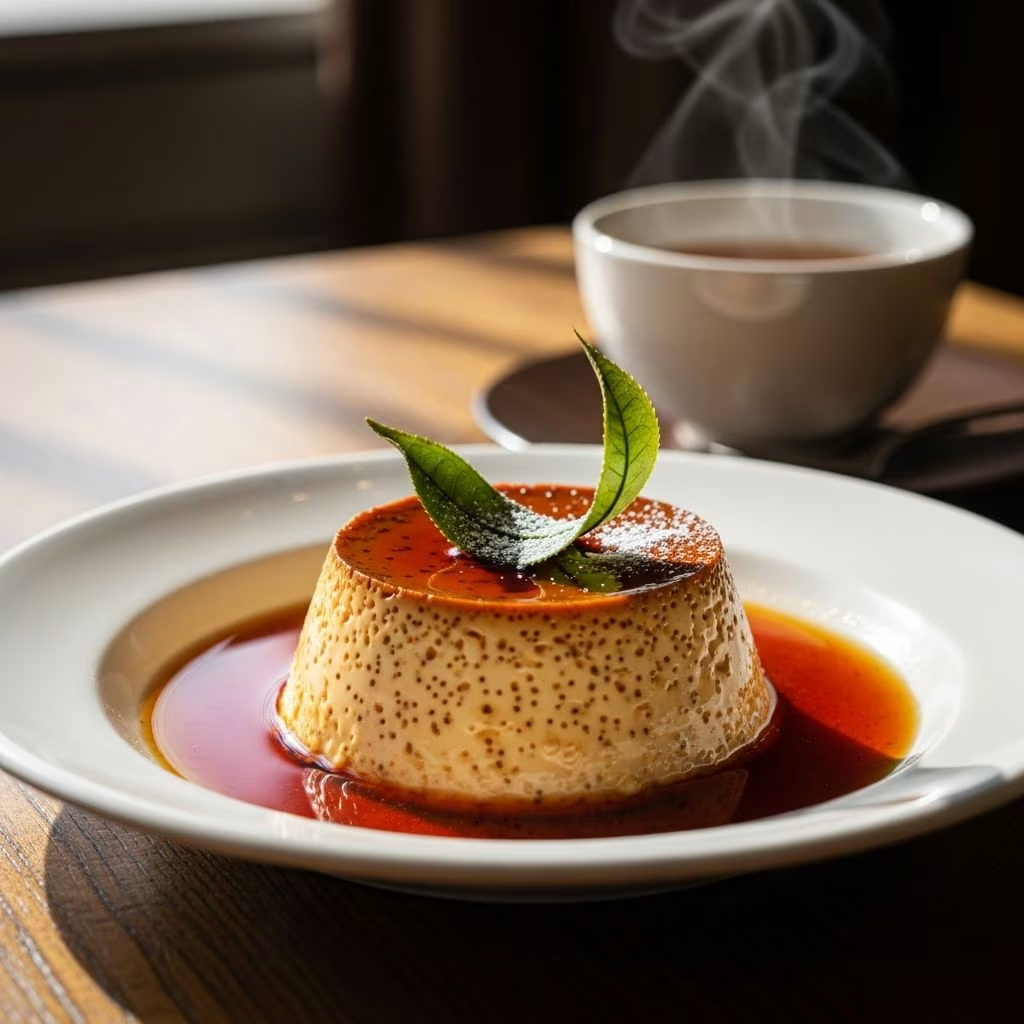
- Desserts: Core into apples, top cheesecakes, fill macarons, or bake into salted caramel brownies.
- Beverages: Stir into lattes, cocktails like salted caramel martinis, or hot chocolate.
- Savory Twists: Glaze bacon, drizzle over popcorn, or pair with cheese boards.
- Breakfast Boost: Swirl into pancakes, french toast, or oatmeal.
- No-Bake Treats: Dip pretzels, chocolate-covered apples, or make truffles.
Experiment boldly—its balance elevates everything.
Advanced Variations for Flavor Explorers
Elevate basics with twists:
- Bourbon Infusion: Add 2 tbsp bourbon post-caramelization for smoky depth.
- Spiced Edition: Infuse cream with cinnamon, cardamom, or chili.
- Nutty Crunch: Stir in toasted pecans or hazelnuts.
- Chocolate Fusion: Melt in dark chocolate for ganache-like sauce.
- Vegan Version: Use coconut cream and vegan butter.
These keep the core intact while adding personality.
Healthier Twists Without Sacrificing Taste
For mindful indulgence, substitute coconut sugar for half the granulated, or use half-and-half instead of cream. Date caramel (blended soaked dates) mimics texture with natural sweetness. Portion control is key—its richness satisfies quickly.
Pairing Perfection: What Complements Best
Balance with acidic fruits like apples or pears, creamy bases like vanilla ice cream, or bold chocolates. In drinks, pair with espresso or whiskey. Texture contrasts—think flaky pastries or crunchy nuts—heighten enjoyment.
FAQs: Your Burning Questions Answered
Can I make salted caramel without a thermometer?
Yes! Rely on color: aim for the hue of a penny. Practice refines judgment.
Why did my caramel turn rock-hard?
Too much sugar or overcooking. Next time, add cream promptly and adjust ratios.
Is fleur de sel necessary?
No, but it adds flaky texture. Kosher or sea salt works fine.
How do I thin out thick sauce?
Warm with a splash of cream over low heat, stirring constantly.
Can I double the recipe?
Yes, but cook in a larger pan to manage bubbling.
Conclusion: Caramel Confidence Awaits
With these tools, salted caramel sauce becomes a kitchen staple. From novice spills to pro pours, the journey rewards persistence. Whip up a batch today and drizzle your way to dessert nirvana. Share your creations and tweaks—what’s your favorite use?
References
- Chemistry of Caramelization — Harold McGee, On Food and Cooking. 2004 (authoritative reference, timeless science). https://www.scientificamerican.com/article/bring-science-home-caramel/
- Food Safety Guidelines for Jams and Jellies — USDA National Center for Home Food Preservation. 2023-05-15. https://nchfp.uga.edu/
- Maillard Reaction in Cooking — Journal of Agricultural and Food Chemistry (ACS Publications). 2022-08-10. https://pubs.acs.org/doi/10.1021/acs.jafc.2c01234
- Sugar Cooking Temperatures — King Arthur Baking Company (official baking resource). 2025-01-20. https://www.kingarthurbaking.com/learn/guides/candy-sugar-stages