Dark chocolate hot cocoa represents one of the most comforting and sophisticated warm beverages available. Unlike commercial instant mixes that rely on artificial flavoring and excessive additives, homemade dark chocolate hot cocoa delivers genuine chocolate depth and customizable richness. This comprehensive guide walks you through selecting quality ingredients, mastering preparation techniques, and elevating your cocoa experience with creative variations and garnishing options.
Understanding Your Ingredient Selection
The foundation of exceptional dark chocolate hot cocoa begins with choosing the right components. Each ingredient plays a specific role in creating the desired texture, flavor profile, and mouthfeel of your finished beverage.
Cocoa Powder Varieties and Quality
The primary ingredient determining your cocoa’s character is the cocoa powder itself. Dark cocoa powders, such as those labeled as Special Dark varieties, contain higher levels of cocoa solids and deliver a more intense, less sweet flavor compared to standard cocoa powders. The cocoa powder creates the base chocolate flavor and contributes to the beverage’s body and richness. When selecting cocoa powder, prioritize unsweetened varieties that allow you to control the sweetness level according to personal preference. Quality cocoa powder should have a deep, dark color and produce a smooth suspension when mixed with liquids rather than clumping or settling immediately.
Sweetening Your Beverage
White granulated sugar serves as the traditional sweetener, though alternatives like organic cane sugar, honey, or brown sugar each impart subtle flavor variations. Sugar dissolves readily when combined with cocoa powder and water, creating a smooth paste before milk incorporation. The amount of sweetener depends on personal preference and the cocoa powder’s inherent bitterness. Starting with moderate quantities allows adjustment before serving, preventing an overly sweet final product that masks the chocolate’s natural complexity.
Milk Selection and Creaminess
Whole milk produces the creamiest, most luxurious hot cocoa due to its fat content, which carries flavor molecules and creates a velvety mouthfeel. Half-and-half or coffee creamer enhance this richness further, though some recipes rely solely on whole milk for a lighter option. For those preferring non-dairy alternatives, full-fat oat milk, almond milk, or soy milk work effectively, each contributing slightly different flavor notes and texture qualities. The choice of milk significantly impacts the final beverage’s body and satisfaction level.
Essential Flavor Enhancers
Vanilla extract brightens chocolate flavors and adds subtle complexity without introducing competing tastes. Salt, though present in minimal quantities, enhances chocolate perception and rounds out harsh bitterness from dark cocoa. These complementary ingredients work synergistically to create a more balanced, sophisticated drinking experience than cocoa alone.
Step-by-Step Preparation Method
The technique for combining ingredients directly influences your cocoa’s final quality and smoothness. Following proper methodology prevents common issues like cocoa powder clumping or milk scorching.
Creating the Chocolate Base
Begin by combining your cocoa powder, sugar, and salt in a medium to large saucepan. The dry ingredients should be thoroughly mixed before any liquid introduction, ensuring even sweetener distribution throughout the finished beverage. Use a whisk or wooden spoon to blend these components completely, breaking up any cocoa powder lumps that might otherwise persist in the final drink.
Add boiling water to this cocoa mixture while stirring constantly. The hot water hydrates the cocoa solids and dissolves the sugar, creating a thick chocolate paste or slurry. This paste should bubble slightly as you stir, indicating the mixture is heating properly. Maintain constant stirring to prevent settling and ensure homogeneous combination. This critical step creates a smooth chocolate base that mixes seamlessly with milk, avoiding the grainy texture that results from adding cold milk directly to dry cocoa powder.
Incorporating Milk Gradually
Once your chocolate base achieves the desired consistency, slowly add warmed milk while continuing to stir. This gradual incorporation allows the chocolate base and milk to blend thoroughly, creating a uniform beverage rather than separated layers. Keep heat at medium level, allowing the mixture to reach very hot temperatures without reaching a full boil. Milk proteins scorch at boiling point, creating an unpleasant burnt flavor and ruining the delicate chocolate notes you’ve carefully developed.
Final Flavor Integration
Remove the saucepan from direct heat before adding vanilla extract or other optional flavor enhancers. Heat can diminish volatile aromatic compounds in extracts, reducing their impact on the final flavor profile. Stir the extract thoroughly into the hot cocoa, distributing it evenly throughout the mixture. At this point, adjust sweetness or cocoa intensity by adding small quantities of additional ingredients as needed.
Serving Techniques and Temperature Management
How you serve your dark chocolate hot cocoa affects both the drinking experience and flavor perception. Temperature management ensures safety while maintaining chocolate flavor complexity.
Divide the prepared cocoa among serving mugs, allowing it to cool slightly from its peak temperature. Extremely hot beverages can numb taste buds and prevent proper flavor appreciation. A temperature between 160-170°F provides optimal drinking comfort while maintaining the cocoa’s warmth and luxurious mouthfeel. Add a splash of cold half-and-half or coffee creamer to each mug, which both cools the beverage to a safer temperature and adds additional richness and smoothness to each sip.
Elevation Through Garnishing and Toppings
Strategic garnishing transforms your dark chocolate hot cocoa from simple comfort drink into an elegant beverage worthy of special occasions or leisurely weekend mornings.
Traditional and Creative Topping Options
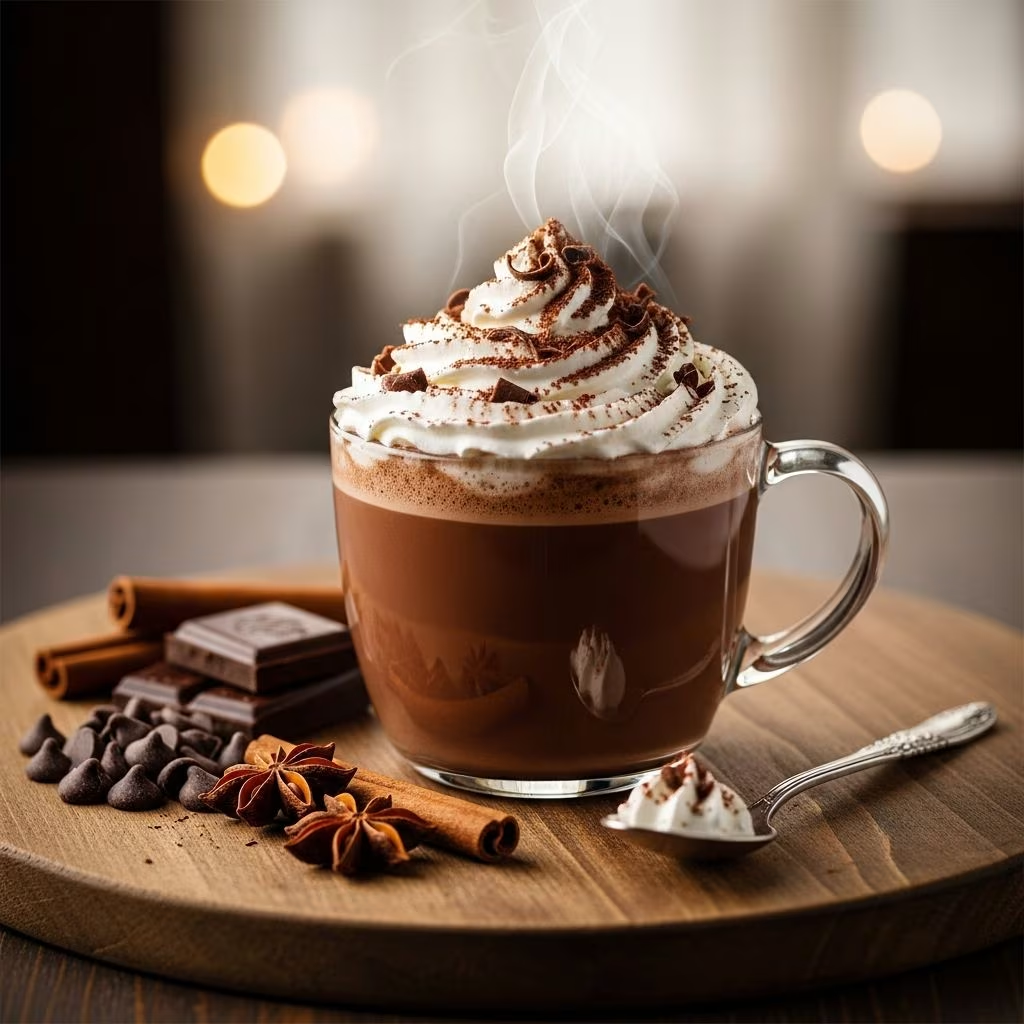
- Whipped cream: A classic topping that adds luxurious texture and richness. Fresh whipped cream sweetened minimally allows chocolate flavors to remain prominent
- Cinnamon: A warm spice complement to dark chocolate that adds aromatic complexity and visual appeal when sprinkled on top
- Marshmallows: Traditional garnish providing textural contrast and sweetness, partially melting into the hot beverage
- Chocolate shavings: Finely shaved dark chocolate pieces reinforce the primary flavor and add visual sophistication
- Cocoa powder dusting: A thin layer of additional cocoa powder emphasizes chocolate intensity and creates an elegant presentation
- Spice accents: Cayenne pepper provides subtle heat and complexity, while nutmeg or cloves add warm, festive notes
Extract-Based Flavor Variations
Beyond traditional garnishing, liquid flavor additions create entirely new taste experiences while maintaining chocolate as the dominant note. Peppermint extract introduces refreshing cooling sensations that pair beautifully with dark chocolate’s bitterness. Almond extract adds subtle nuttiness, while orange extract brings bright citrus notes that cut through richness. Coconut extract creates tropical undertones, and vanilla reinforces the beverage’s inherent smoothness. These extracts should be added in small quantities—approximately half a teaspoon—before serving to prevent overpowering the chocolate foundation.
Recipe Variations for Diverse Preferences
The basic dark chocolate hot cocoa framework accommodates numerous modifications to suit different taste preferences and dietary requirements.
Ultra-Rich Versions with Real Chocolate
Substituting solid dark chocolate for some or all cocoa powder intensifies richness and creates silkier texture. High-quality dark chocolate with cacao percentages between 70-85% delivers complex flavor without excessive bitterness. Finely chop chocolate pieces to maximize surface area, allowing rapid melting when combined with hot milk. These chocolate-based versions require slightly adjusted technique—add chopped chocolate to hot milk off heat, allowing residual warmth to melt the chocolate while you stir gently to combine.
Spiced and Flavored Interpretations
Incorporating ground spices directly into the initial cocoa powder mixture creates integrated flavoring throughout the beverage. Cinnamon, at approximately one tablespoon per recipe, provides warm notes without overwhelming chocolate character. Cayenne pepper adds sophisticated heat, while a pinch of salt enhances overall flavor perception. Honey, when substituted for sugar as the primary sweetener, adds subtle floral notes and creates different mouthfeel through its molecular structure.
Non-Dairy and Alternative Milk Options
Oat milk produces exceptional creaminess rivaling full-fat dairy milk, making it ideal for those seeking plant-based options. Almond milk offers lighter texture with subtle nutty undertones, while soy milk provides protein content and neutral flavor that doesn’t compete with chocolate. These alternatives mix smoothly with cocoa powder and maintain the beverage’s luxurious character without requiring significant technique adjustments.
Common Preparation Challenges and Solutions
| Challenge | Cause | Solution |
|---|---|---|
| Grainy texture | Cocoa powder added directly to cold milk without initial hydration | Always create cocoa paste with water before milk addition |
| Burnt flavor | Milk boiled at high heat for extended period | Remove from heat when bubbles form at saucepan edges |
| Separated appearance | Insufficient mixing during milk incorporation | Stir continuously while adding milk gradually |
| Overly sweet result | Excessive sugar in initial mixture | Start with less sweetener, adjusting upward to preference |
| Weak chocolate flavor | Using insufficient cocoa powder or low-quality variety | Increase cocoa powder amount or switch to Special Dark varieties |
Frequently Asked Questions
Can I prepare dark chocolate hot cocoa in advance?
Yes, you can prepare the cocoa base several hours ahead, storing it in the refrigerator. Reheat gently over low heat or in a microwave before serving, adding fresh milk to restore creaminess lost during storage. This advance preparation works particularly well for entertaining, allowing you to focus on serving guests without last-minute beverage preparation stress.
What’s the difference between hot cocoa and hot chocolate?
Hot cocoa typically uses cocoa powder as its primary chocolate source, while hot chocolate utilizes solid chocolate or melted chocolate pieces. Cocoa powder-based beverages tend toward lighter, less rich results, while chocolate-based versions deliver more intensity and luxurious mouthfeel. Both preparations produce delicious results, with choice depending on personal preference and available ingredients.
How can I make dark chocolate hot cocoa less bitter?
Increase sugar content gradually, adding small amounts until reaching desired sweetness. Alternative sweeteners like honey or brown sugar can also reduce perceived bitterness through different flavor compounds. Adding half-and-half or increasing milk fat content helps balance bitterness through fat-soluble flavor distribution. Finally, incorporating vanilla extract or spices can mask harsh cocoa notes while enhancing pleasant chocolate characteristics.
Is dark chocolate hot cocoa suitable for dairy-free diets?
Absolutely. Substitute any dairy milk with plant-based alternatives like oat, almond, or soy milk. All preparation techniques remain identical, with the final beverage maintaining comparable richness and flavor when using full-fat non-dairy milk options. Some individuals find oat milk produces the most comparable texture to traditional dairy hot cocoa.
Can I add alcohol to dark chocolate hot cocoa?
Yes, various spirits complement dark chocolate beautifully. Bailey’s Irish Cream adds creamy sweetness, while bourbon or rum introduce warming, complex notes. Add approximately one ounce of spirit per serving cup, stirring thoroughly to incorporate. Alcohol additions should be made after removing cocoa from direct heat to prevent flavor compound evaporation.
Nutritional Considerations and Health Benefits
Dark chocolate contains flavonoids, plant compounds with potential antioxidant properties that may support cardiovascular health when consumed as part of a balanced diet. Cocoa powder, particularly unsweetened varieties, provides these beneficial compounds with minimal added sugar. When preparing homemade dark chocolate hot cocoa using quality ingredients and moderate sweetening, you create a beverage that’s more nutritionally balanced than many commercial hot chocolate mixes containing excessive additives and refined sugars.
Storage and Make-Ahead Strategies
Prepared dark chocolate hot cocoa maintains quality for approximately three days when stored in refrigerated containers. Reheat gently before serving, stirring to recombine any separated components. For longer-term storage, freeze prepared cocoa in ice cube trays, allowing individual portion preparation as needed. The dry cocoa-based mix itself stores indefinitely in airtight containers when kept away from moisture and direct light, making it convenient for spontaneous beverage preparation whenever the craving strikes.
References
- Cocoa Powder and Dark Cocoa Varieties — Hershey’s Company Official Product Information. 2025. https://www.hersheyscocoa.com/
- Milk in Chocolate Beverages: Science and Technique — Institute of Medicine, Food and Nutrition Board. 2019. https://www.nationalacademies.org/
- Honey as a Sweetening Agent in Beverages — United States Department of Agriculture. 2024. https://www.usda.gov/
- Essential Oils and Extracts in Food Applications — International Standards Organization Technical Committee. 2023. https://www.iso.org/
- Cacao Percentage and Flavor Complexity in Chocolate — International Cocoa Organization. 2024. https://www.icco.org/
- Flavonoids in Cocoa: Antioxidant Properties and Health Effects — American Journal of Clinical Nutrition, Published by Oxford University Press. 2023. https://academic.oup.com/ajcn/