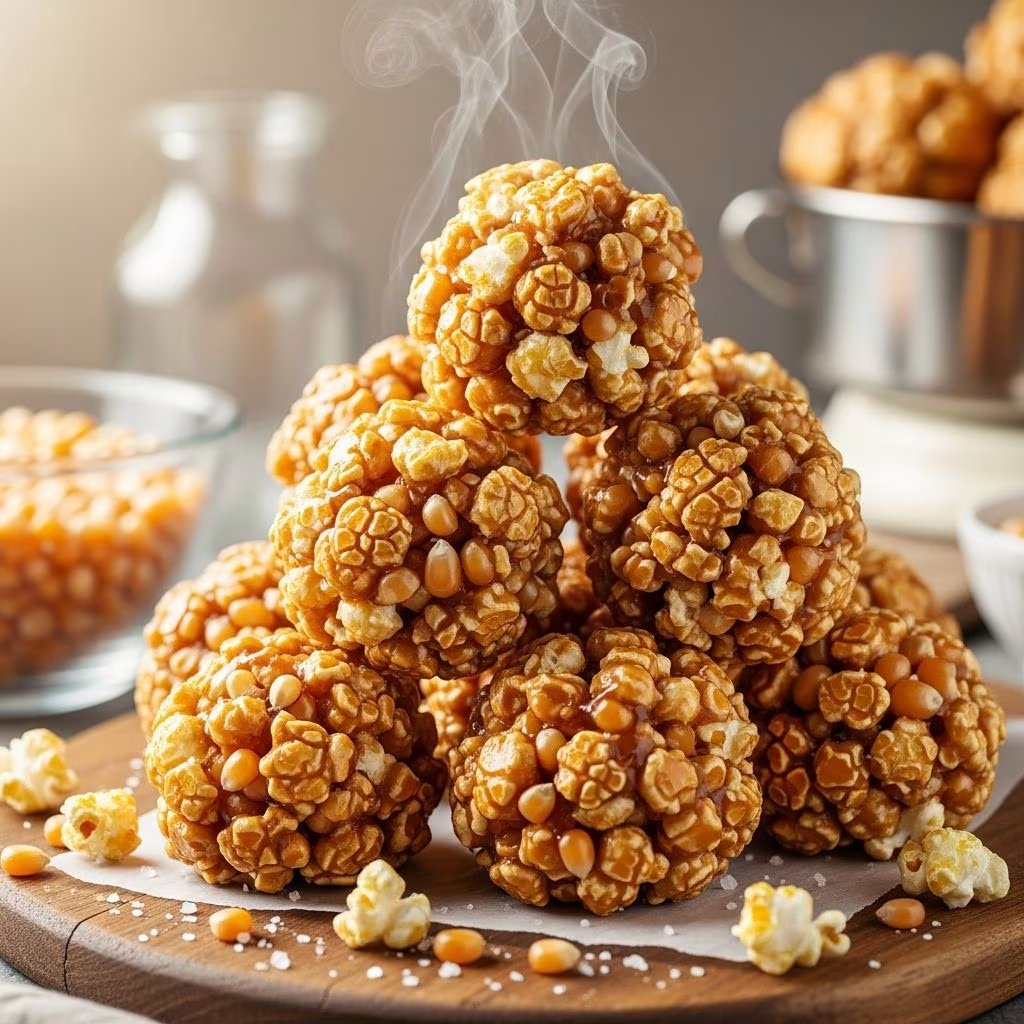
Popcorn balls represent a timeless confection that bridges the gap between snack and dessert, combining the satisfying crunch of popcorn with sweet binding agents that hold everything together. Whether you’re preparing treats for gatherings, seeking a nostalgic childhood favorite, or looking for an impressive homemade gift, understanding how to make popcorn balls opens doors to countless variations and flavor possibilities. This comprehensive guide walks you through multiple approaches to creating these beloved treats, from start to finish.
Understanding the Fundamentals of Popcorn Ball Construction
At its core, a popcorn ball consists of three essential components: popped corn kernels, a binding agent that creates structure, and seasonings that enhance flavor. The binding agent serves as the crucial element that transforms loose popcorn into a cohesive sphere. Traditional recipes utilize caramel syrup created from sugar, butter, and corn syrup, while modern variations incorporate marshmallows or other sticky substances. The success of your popcorn balls depends largely on achieving the correct consistency of your binding mixture—too thin and the balls won’t hold together, too thick and they become difficult to shape and overly dense once set.
The Caramel Approach: Creating Golden, Glossy Popcorn Balls
Caramel-based popcorn balls deliver a sophisticated sweetness with depth of flavor that appeals to traditional candy enthusiasts. The preparation begins with selecting your popping method. Many contemporary cooks prefer pre-popped varieties available in grocery stores, though freshly popped corn from a stovetop or air popper works equally well. Once you have approximately 10 to 12 cups of popped corn, spread it into a large, heat-safe bowl and set it aside.
To construct your caramel binding agent, combine butter, brown sugar, and light corn syrup in a microwave-safe container. The microwave method offers significant convenience for home cooks. Heat this mixture for one minute, stir thoroughly, then continue heating for two additional minutes. At this stage, you can assess the consistency: if you prefer chewy popcorn balls with softer centers, stop here. For those who enjoy crunchy popcorn balls that maintain more structural integrity and provide pleasant resistance when bitten, extend the cooking time by an additional minute.
After removing the caramel from the heat source, immediately stir in vanilla extract and baking soda. The baking soda creates tiny air pockets within the caramel, resulting in a lighter texture and preventing the final product from becoming tooth-shatteringly hard. Pour this hot caramel mixture over your waiting popcorn and stir vigorously using a sturdy utensil until every kernel receives an even coating. This step requires attention to detail—streaks of uncoated popcorn will compromise the structural integrity of your finished balls.
Allow the mixture to cool briefly until you can comfortably handle it. Grease your hands generously with butter, or alternatively use disposable gloves or wax paper, then shape the warm popcorn mixture into approximately 2-inch spheres. Work quickly while the caramel remains pliable, as it hardens as it cools. Once shaped and completely cooled, wrap each ball individually in plastic wrap for storage and freshness preservation.
The Marshmallow Method: Soft and Chewy Simplicity
For those seeking a streamlined approach requiring minimal ingredients, marshmallow-based popcorn balls offer remarkable ease. This variation requires just three primary components: salted popcorn, unsalted butter, and marshmallows. Begin by measuring out 10 cups of freshly popped popcorn, removing any unpopped kernels or burnt pieces that might compromise texture. Transfer the cleaned popcorn to a very large mixing bowl.
The distinctive step in this method involves browning the butter before combining it with marshmallows. Place 4 tablespoons of unsalted butter into a saucepan over medium heat, watching carefully as it transforms from yellow to golden brown and eventually develops a nutty aroma. This browning process, called beurre noisette in French culinary tradition, develops complex flavors that elevate the final product beyond standard butter taste. Using a light-colored saucepan helps you observe this color transformation more easily.
Once the butter reaches your desired browning level, add marshmallows to the pan, stirring constantly until they melt completely and incorporate with the brown butter. The mixture will become smooth and pourable, though slightly thicker than liquid. Immediately pour this marshmallow-butter combination over your prepared popcorn and stir thoroughly using a rubber spatula, ensuring even distribution throughout.
While the mixture remains warm and workable, grease your hands with butter or oil and begin shaping the popcorn into balls. Press gently but firmly to achieve cohesion without compacting so tightly that the finished balls become unpleasantly dense or hard to bite. This recipe typically yields approximately six medium-sized balls, though you can adjust size according to preference. The marshmallow approach produces noticeably softer, more forgiving popcorn balls compared to their caramel counterparts.
Advanced Syrup-Based Recipes: Precise Temperature Control
Serious candy makers appreciate recipes that specify exact temperature targets, providing scientific precision to the cooking process. These methods combine sugar, corn syrup, butter, and water, bringing the mixture to precisely 250 degrees Fahrenheit—the hard-ball stage in candy-making terminology. This temperature produces popcorn balls with specific textural characteristics: firm enough to maintain shape yet not so hard as to challenge dental work.
To execute this approach successfully, combine your ingredients in a heavy-bottomed saucepan over medium heat. Stir constantly as the mixture comes to a boil, watching the thermometer carefully. Once the syrup reaches the hard-ball stage, remove it from heat immediately and add vanilla extract. The precise temperature control ensures consistency from batch to batch, valuable knowledge if you’re making popcorn balls regularly or commercially.
Flavor Variations and Creative Additions
Beyond the basic recipes, countless variations allow creative expression. Consider incorporating chopped nuts such as pecans or almonds into your popcorn before adding the binding agent. Seasonal variations might include candy corn for autumn gatherings or crushed peppermint candies for holiday celebrations. Some cooks add food coloring to marshmallow-based mixtures, creating visually striking treats for themed parties.
Chocolate enthusiasts can drizzle melted chocolate over finished popcorn balls once the binding agent has hardened. Salted varieties appeal to those preferring balanced sweet-salty flavor profiles. Spiced versions incorporating cinnamon or nutmeg offer warming notes suitable for cool-weather gatherings. The fundamental construction method remains consistent regardless of additions; the creativity lies in choosing complementary flavors that enhance rather than overwhelm the popcorn’s natural taste.
Storage and Preservation Strategies
Properly stored popcorn balls maintain quality for extended periods. Individual plastic wrap wrapping provides both protection and portion control, allowing guests to grab individual treats easily. Alternatively, store finished popcorn balls in zippered plastic bags or airtight containers, separating layers with parchment paper to prevent sticking. Kept in cool, dry conditions away from humidity sources, popcorn balls remain fresh for up to two weeks, though most households consume them much faster.
Humidity represents the primary enemy of stored popcorn balls, as excess moisture causes the binding agent to soften and the popcorn to lose its structural crispness. Avoid storing in bathrooms or kitchens with high moisture levels. Some cooks include silica gel packets in storage containers to manage any ambient humidity. Room-temperature storage works perfectly; refrigeration is unnecessary and may actually introduce unwanted moisture.
Troubleshooting Common Preparation Challenges
Several issues frequently arise during popcorn ball preparation. If your balls refuse to hold together, your binding mixture likely wasn’t cooked sufficiently—the mixture needs adequate thickness and adhesive properties. Conversely, if the mixture hardens too quickly before you finish shaping, reheat it gently in the microwave for brief intervals to restore workability.
Uneven coating occurs when binding mixture isn’t stirred thoroughly through the popcorn. Take time during this step to ensure every kernel contacts the sticky mixture. If you notice burnt caramel odor or taste, reduce heat levels or cooking duration in future attempts. Overly hard finished popcorn balls suggest your binding mixture was cooked too long or at excessively high temperatures; monitor timing carefully or use thermometers for precision.
Equipment and Preparation Tips
Quality equipment makes popcorn ball preparation significantly easier. Large, sturdy bowls accommodate the volume of popcorn without spillage. Metal bowls heat slightly if your binding mixture is poured directly into them, which can actually be advantageous as it keeps the mixture workable longer. Wooden spoons or heat-resistant rubber spatulas provide good stirring control without scratching bowls.
Greasing your hands adequately before shaping prevents sticking and makes the process more pleasant. Some cooks prefer disposable latex gloves, which eliminate direct contact with hot caramel and can be discarded afterward. Parchment paper provides an excellent non-stick surface for cooling finished popcorn balls. Having all ingredients measured and equipment prepared before you begin cooking—a technique called mise en place—ensures smooth, stress-free preparation without scrambling to find items mid-process.
Frequently Asked Questions About Popcorn Ball Creation
- Can I use pre-made caramel sauce instead of making my own?
- While commercially prepared caramel sauce offers convenience, traditional popcorn ball recipes rely on freshly cooked syrup for optimal results. Commercial products often contain stabilizers and additives that alter the texture and binding properties. For best results, prepare your binding agent from scratch using the methods described above.
- What’s the ideal popcorn ball size for serving at parties?
- Most recipes yield 2 to 3-inch diameter balls, providing a substantial single serving. However, you can adjust sizing based on your preferences and intended use. Smaller balls work well for gift boxes or individual place settings, while larger balls suit casual family gatherings where guests might share or consume multiple pieces.
- How can I make popcorn balls less sweet?
- Reduce sugar quantities by 20 to 25 percent in traditional recipes, though this may affect structural integrity. Using salted popcorn and adding a pinch of salt to your binding mixture creates flavor balance that makes sweetness seem less pronounced, even without reducing sugar content.
- Are there vegan options for popcorn ball preparation?
- Substitute dairy butter with coconut oil or vegan butter alternatives in caramel recipes. Marshmallows present greater challenges as most commercial varieties contain gelatin; seek specialized vegan marshmallows at natural food stores. The resulting popcorn balls may have slightly different textures but remain delicious and satisfying.
- Can I make popcorn balls in advance for holiday giving?
- Yes, popcorn balls can be prepared several days in advance and stored properly. Wrap individually and store in airtight containers in cool, dry conditions. Beautiful presentation boxes or glass jars make excellent gift packaging, and homemade popcorn balls typically impress recipients more than commercial alternatives.
Why Homemade Popcorn Balls Surpass Commercial Alternatives
Creating popcorn balls at home offers numerous advantages beyond the obvious cost savings. You control ingredient quality, choosing premium butter and pure vanilla extract rather than artificial flavorings. Customization allows you to create treats perfectly matched to personal preferences—adjusting sweetness levels, choosing preferred textures, and incorporating favorite flavor additions. The experience of making something delicious with your own hands creates emotional satisfaction that store-bought treats cannot replicate.
Additionally, homemade popcorn balls make impressive gifts demonstrating thoughtfulness and effort. Recipients recognize the care involved in homemade preparations, whether presenting individual wrapped balls or decorative gift boxes filled with multiple varieties. For those with dietary restrictions, homemade preparation allows ingredient substitutions that most commercial producers cannot accommodate.
Conclusion: Creating Lasting Memories Through Simple Confections
Popcorn balls represent more than mere candy; they embody tradition, creativity, and the joy of homemade treats. Whether you choose the caramel method favored by candy traditionalists, the simplified marshmallow approach, or precise syrup-based techniques, the fundamental satisfaction of crafting something delicious remains constant. Gathering ingredients, watching the transformation from individual components to cohesive treats, and sharing the results with family and friends creates connections that transcend the simple pleasure of eating sweets. With the knowledge and techniques provided in this guide, you’re equipped to create exceptional popcorn balls that rival or exceed any commercial version, establishing your own tradition of homemade holiday treats and special occasion confections.
References
- Easy Caramel Popcorn Balls Recipe — I Heart Naptime. 2024. https://www.iheartnaptime.net/popcorn-balls/
- 3-Ingredient Soft Chewy Marshmallow Popcorn Balls Recipe — Divas Can Cook. 2024. https://divascancook.com/marshmallow-popcorn-balls-recipe/
- Popcorn Balls Recipe — Karo Syrup. 2024. https://www.karosyrup.com/recipe/popcorn-balls/
- Old Fashioned Popcorn Balls — My Country Table. 2024. https://mycountrytable.com/old-fashioned-popcorn-balls/