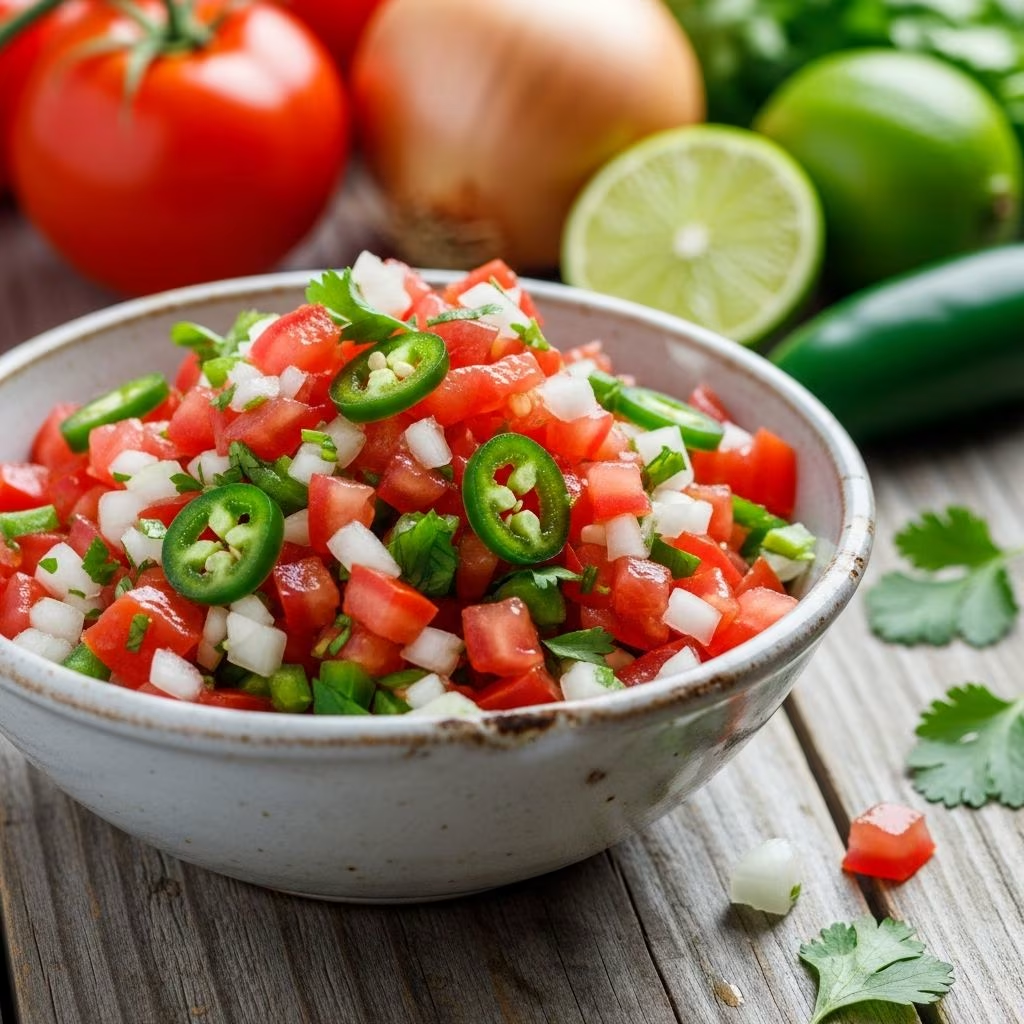
Pico de gallo, that bright, chunky salsa bursting with freshness, is a staple in Mexican cuisine and beyond. Unlike smooth blended salsas, this uncooked delight showcases diced vegetables in their prime, delivering crunch, acidity, and spice in every bite. Whether you’re firing up tacos, serving alongside grilled meats, or simply scooping with tortilla chips, perfecting pico de gallo elevates any meal. In this comprehensive guide, we’ll explore everything from ingredient selection to advanced techniques and creative adaptations, helping you create restaurant-worthy results in your own kitchen.
Understanding the Essence of Pico de Gallo
At its core, pico de gallo—often called salsa fresca—translates to ‘beak of rooster’ in Spanish, possibly referencing how it was once eaten by pinching between thumb and finger, mimicking a bird’s beak. This simple yet profound mix hinges on high-quality, peak-season produce. The magic lies in its raw state: no cooking, just precise chopping and seasoning to let natural flavors shine. Traditional versions stick to tomatoes, onions, cilantro, chiles, lime, and salt, but modern twists open endless possibilities.
Why does it captivate? The contrast of textures—crisp onions against juicy tomatoes—and the harmony of sweet, sharp, herbal, and fiery notes make it addictive. It’s versatile too, bridging appetizers, mains, and even breakfast. Mastering it means grasping balance: not too watery, not overly spicy, always vibrant.
Selecting the Best Ingredients for Superior Flavor
Great pico starts with great produce. Here’s how to choose:
- Tomatoes: Opt for ripe, firm Roma or plum varieties—they’re meaty with fewer seeds and less water. Avoid beefsteak types, which can make salsa soupy. Look for deep red color and a slight give when gently squeezed.
- Onions: White onions provide the sharpest bite, ideal for authenticity. Yellow works for milder flavor; red adds color but sweetness. Freshness shows in tight, papery skins without sprouting.
- Cilantro: Vibrant green leaves without wilting. Stems are fine chopped finely—they hold intense flavor.
- Chiles: Jalapeños for standard heat; serranos for fiercer kick. Fresh ones are firm, green, and unblemished. Test heat by nibbling the tip.
- Limes: Heavy for their size, with thin, colorful skin indicating juiciness and oil-rich zest.
- Salt: Kosher or sea salt for clean mineral taste; avoid iodized for bitterness.
Pro tip: Shop farmers’ markets for produce at peak ripeness. Organic reduces pesticide worries, enhancing clean taste.
Precision Chopping: Techniques for Perfect Texture
Chopping defines pico’s character. Uniform dice—about ¼-inch—ensures even flavor distribution and pleasing mouthfeel. Dull knives mush produce; sharpen first.
| Ingredient | Yield from 1 Medium | Chopping Style |
|---|---|---|
| Tomato | ½ cup diced | Core, halve, remove seeds/gel, dice flesh. |
| Onion | ½ cup diced | Peel, halve pole-to-pole, slice thin then dice. |
| Jalapeño | 2 tbsp minced | Remove stem/seeds for mild; mince fine. |
| Cilantro | ¼ cup chopped | Strip leaves, bunch, chop roughly. |
Steps: Rinse everything. For tomatoes, cut off top, slice into wedges, flick out seeds over a colander to drain juice. Dice into strips then cubes. Onions: Trim root and top, halve, make horizontal/vertical cuts without slicing through base, then dice. Chiles and cilantro demand finesse to avoid bruising. Mix gently in a bowl to preserve structure.
Seasoning Mastery: Achieving Balanced Brilliance
Seasoning transforms chopped veggies into symphony. Start conservative; flavors intensify as salt draws moisture.
- Add ½ teaspoon salt to 2 cups mix. Toss, rest 5 minutes. Excess liquid? Drain gently.
- Squeeze 1–2 limes (2–3 tbsp juice). Taste; add zest for floral note.
- Incorporate minced chiles incrementally. Start with half, taste for heat.
- Fold in cilantro last to keep fresh.
Rest 15–30 minutes at room temp for melding. Stir before serving. Adjust: more lime for tang, salt for pop, onion for bite.
Classic Recipe: Your Foolproof Starting Point
Yield: 3 cups | Time: 20 minutes
- 1 lb ripe Roma tomatoes (4–5), diced
- ½ medium white onion, diced
- 1–2 jalapeños, minced
- ½ cup cilantro, chopped
- 2 tbsp lime juice
- ¾ tsp kosher salt
Combine all in nonreactive bowl. Toss, rest, taste, adjust. Serve fresh; refrigerate up to 1 day (flavors peak day 1).
Innovative Variations to Suit Every Palate
Experiment boldly:
- Fruit-Forward: Swap half tomatoes for diced mango, pineapple, or watermelon. Pairs with seafood.
- Roasted Twist: Char corn or poblanos lightly; adds smokiness.
- Tropical Heat: Habanero + pineapple + mint for sweet-spicy punch.
- Herb-Heavy: Parsley or basil for cilantro haters.
- Pickled Edge: Quick-pickle onions in lime-vinegar for zing.
Seasonally: Cucumber-watermelon summer; roasted winter squash fall.
Perfect Pairings: Elevating Your Meals
Pico shines everywhere:
- Tacos: Top carnitas, fish, or veggie.
- Chips: Ultimate dip; thin with juice if needed.
- Proteins: Grill chicken/steak, spoon over.
- Eggs: Breakfast tacos or huevos rancheros.
- Bowls: Rice, quinoa, or grain bases.
Pro move: Dollop on soups, blend into guac, or mix into ground meat for burgers.
Storage, Make-Ahead, and Troubleshooting
Freshness fades fast—best same day. Refrigerate airtight up to 24 hours; drain liquid before using. Don’t freeze; texture suffers.
Common issues:
- Too watery? Better tomatoes, seed properly, salt early to draw moisture.
- Not flavorful? Fresher produce, more salt/lime.
- Too spicy? Remove ribs/seeds, balance with fruit/sugar.
Health Benefits and Nutritional Insights
Low-cal (20 per ½ cup), pico packs lycopene from tomatoes (antioxidant powerhouse), vitamin C from lime/chiles, and fiber. USDA data highlights tomatoes’ role in heart health; cilantro aids digestion per studies from the National Institutes of Health.
Frequently Asked Questions
Can I make pico de gallo ahead?
Yes, up to 24 hours. Drain excess liquid and stir before serving.
Substitute for cilantro?
Parsley or basil works; omit if averse—flavor shifts but still tasty.
Best tomatoes for pico?
Roma/plum for low water, high flesh. Vine-ripened for max flavor.
Spice level control?
Start low on chiles, taste. Remove seeds/ribs for milder heat.
Make it vegan?
Inherently vegan; ensure salt is clean.
References
- Tomato Nutrition and Health Benefits — USDA Agricultural Research Service. 2023-05-15. https://www.ars.usda.gov/nutrient-data/
- Cilantro and Culinary Herbs: Health Effects — National Institutes of Health. 2022-11-10. https://pubmed.ncbi.nlm.nih.gov/
- Mexican Cuisine Traditions — Smithsonian National Museum of the American Latino. 2024-03-20. https://latino.si.edu/
- Food Safety for Fresh Salsas — FDA. 2025-01-08. https://www.fda.gov/food