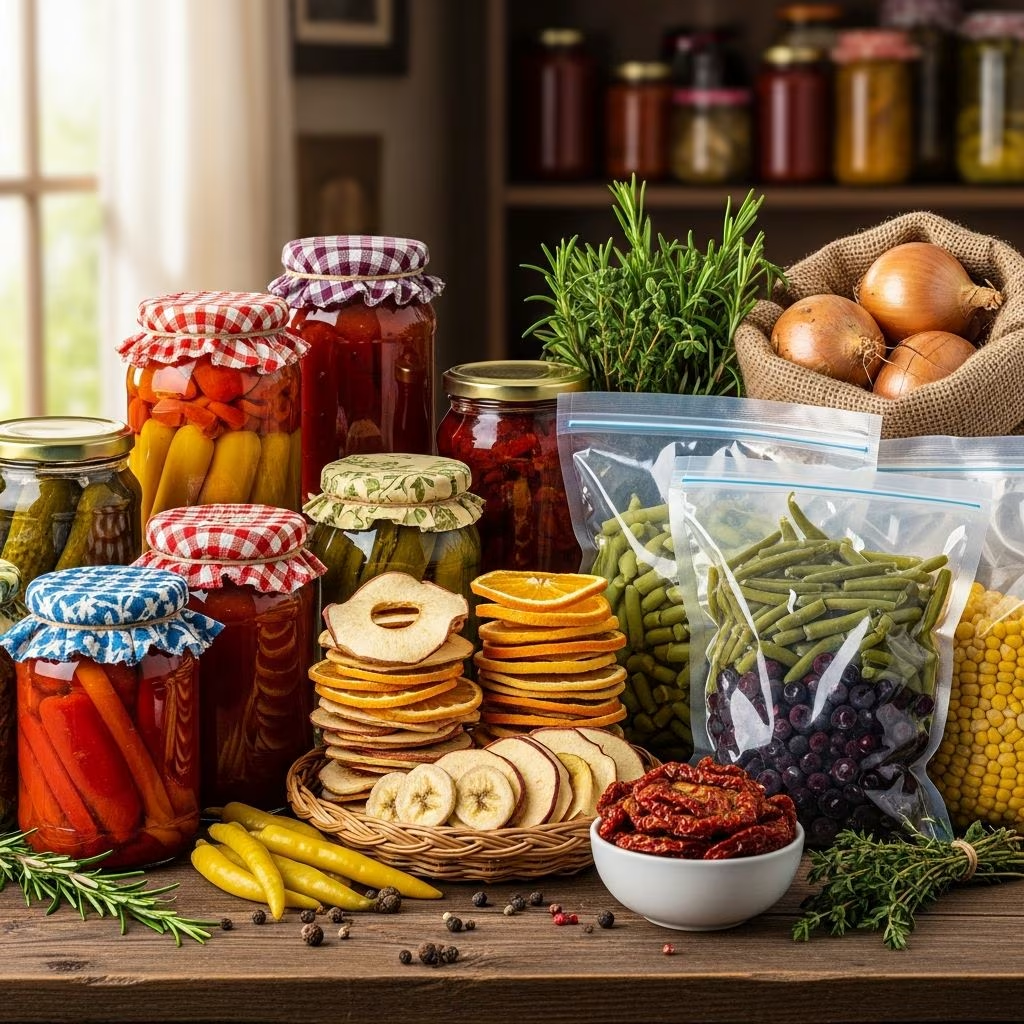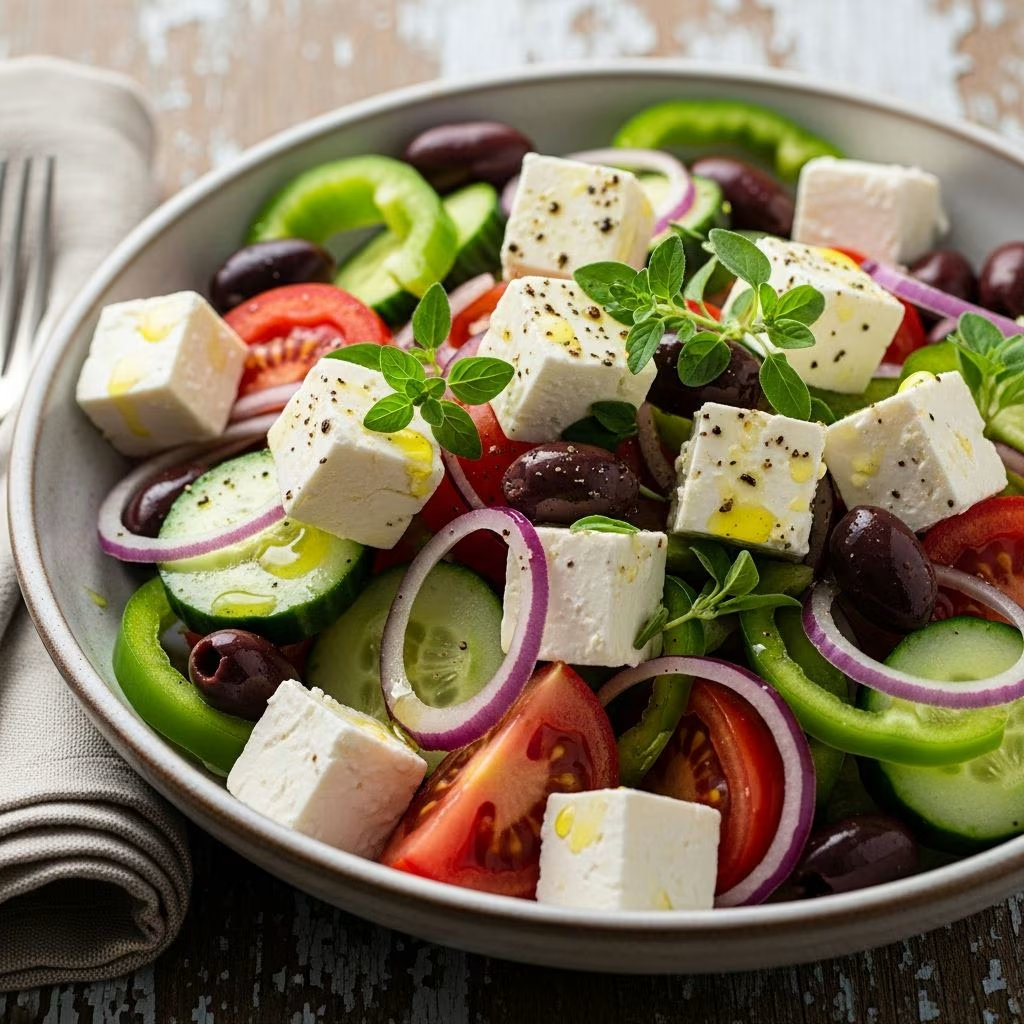
Pickled red onions represent one of the most accessible and rewarding preservation techniques available to home cooks. These vibrant, tangy accompaniments transform ordinary meals into memorable culinary experiences, adding brightness and complexity to tacos, grain bowls, sandwiches, and salads. Unlike many preservation methods that demand specialized equipment or extensive cooking experience, creating pickled red onions requires only basic ingredients and minimal kitchen skills. Whether you prefer the speed of no-boil methods or the traditional approach of heating your brine, mastering this technique opens a world of flavor possibilities.
Understanding the Fundamentals of Pickling
Pickling is an ancient preservation method that relies on acid to create an inhospitable environment for spoilage organisms while developing complex, desirable flavors. The basic principle involves submerging sliced vegetables in an acidic solution—typically vinegar combined with salt and sugar. This straightforward chemistry transforms humble red onions into a shelf-stable condiment that maintains quality for extended periods when stored properly.
The appeal of pickled red onions extends beyond their practical shelf life. The pickling process softens the raw onion’s harsh sulfurous compounds while developing mellow, rounded flavors. The resulting texture strikes an ideal balance between tender and crisp, retaining enough structure to provide textural contrast in various dishes. The vibrant color intensifies through the pickling process, making these onions as visually striking as they are flavorful.
Essential Ingredients for Successful Pickling
Creating quality pickled red onions begins with understanding your core ingredients and their individual roles.
- Red onions: These provide the base ingredient. Select firm, unblemished onions without soft spots or sprouting. The natural sugars in red onions develop pleasant sweetness during pickling, while their color creates an aesthetically pleasing final product.
- Vinegar: This acidic component is crucial for both preservation and flavor development. Different vinegar varieties yield distinct taste profiles. White vinegar delivers clean, sharp acidity. Apple cider vinegar contributes subtle sweetness and complexity. Rice vinegar offers milder, more delicate notes. Experiment with different types to discover your preference.
- Water: This ingredient dilutes the vinegar to achieve balanced acidity and prevents the final product from becoming overwhelmingly sour. Room temperature or warm water works equally well, though warm water helps dissolve salt and sugar more efficiently.
- Salt: Beyond enhancing flavor, salt plays a critical preservation role by creating an environment hostile to harmful microorganisms. Fine sea salt or kosher salt both work effectively, though iodized table salt can impart metallic notes.
- Sugar: While optional, sugar balances acidity and brings out the onions’ natural sweetness. Granulated white sugar dissolves most readily, though alternatives like honey or maple syrup add dimensional flavors.
Choosing Your Pickling Method: No-Cook Versus Traditional
Two primary approaches dominate home pickling of red onions, each offering distinct advantages suited to different schedules and preferences.
The No-Cook Approach
This method has gained popularity for its remarkable speed and simplicity. Combine vinegar, salt, sugar, and warm (not boiling) water directly in a measuring cup, stirring until the salt and sugar dissolve completely. Pour this brine over sliced onions in a jar and refrigerate. Most recipes suggest waiting fifteen minutes to an hour before consuming, though flavors continue deepening for several days.
The no-cook method’s primary advantage lies in its efficiency. No stovetop time means fewer dishes to wash and reduced energy consumption. The technique also preserves the onions’ crisp texture better than methods involving heated brine, as the raw vegetables aren’t exposed to high temperatures that compromise cell structure.
The Traditional Heated Method
This approach involves heating the vinegar, water, salt, and sugar over medium heat until they reach a gentle simmer. The heat ensures thorough dissolution of salt and sugar while allowing flavors to meld more completely. After simmering for approximately one minute, remove the mixture from heat and let it cool before pouring over the sliced onions.
This method offers deeper flavor integration and can accommodate additional aromatics like peppercorns, garlic, or spice infusions that benefit from heat exposure. Some cooks prefer this approach for more pronounced flavor development, though the slight softening of texture rarely disappoints.
Step-by-Step Preparation Guide
Preparing Your Onions
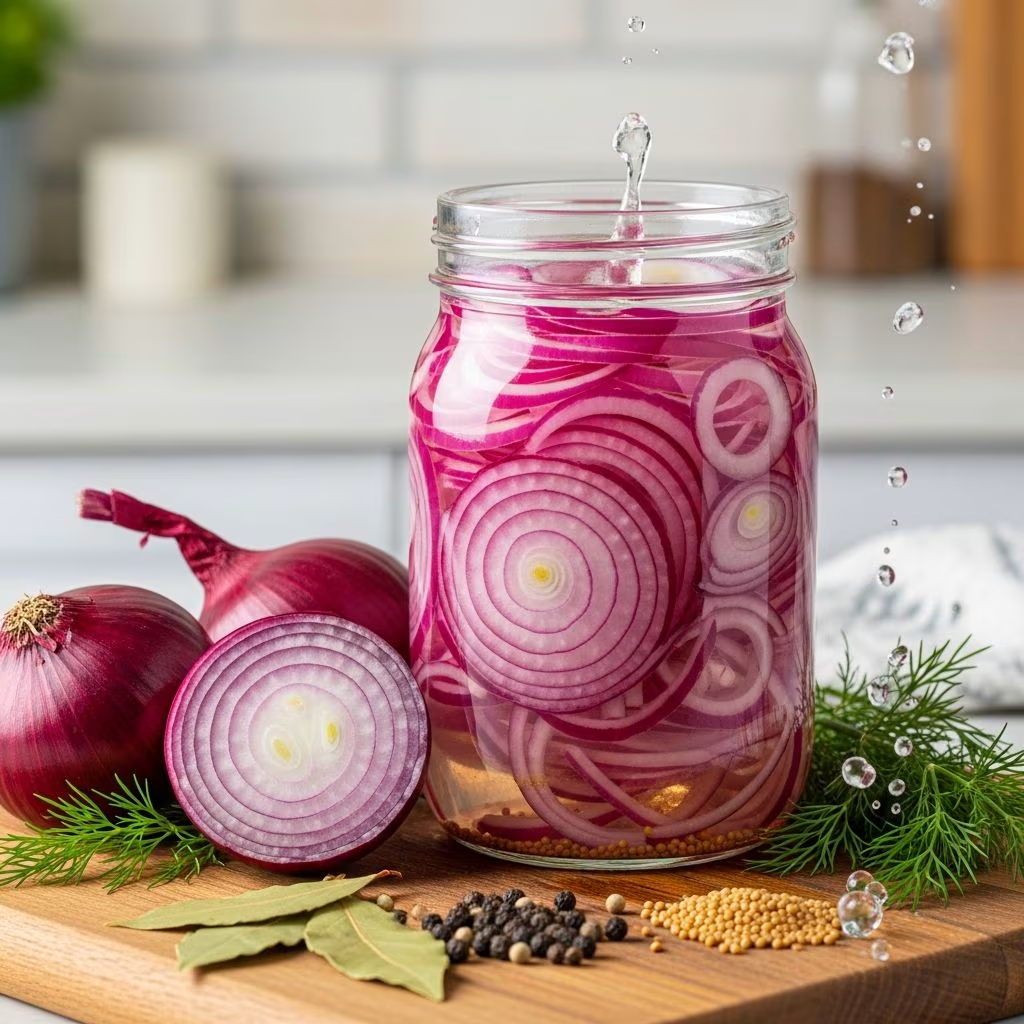
Begin by selecting a medium to large red onion. Cut away both the pointed top and fuzzy root end, then peel back the papery outer layers. Slice the onion in half from top to bottom following its natural structure. Using a sharp knife or, preferably, a mandoline slicer, cut thin uniform slices following the onion’s grain. Uniformity matters not merely for aesthetics—consistent thickness ensures even pickling and prevents some pieces from becoming overly soft while others remain too firm.
Transfer your sliced onions to a clean glass jar fitted with a lid. Glass works best as it doesn’t react with acidic solutions, unlike certain metals that can impart off-flavors or discoloration.
Creating Your Pickling Brine
Combine your chosen vinegar, water, salt, and sugar in appropriate proportions. For a standard recipe, use one cup of vinegar (or combined vinegar and water), one to one and a half teaspoons of salt, and one to two teaspoons of sugar. Stir these ingredients together until the salt and sugar dissolve completely, indicating readiness for use.
If using the heated method, bring this mixture to a gentle simmer over medium heat, stirring occasionally until dissolved. Never allow the brine to boil vigorously, as this can result in uneven flavor concentration.
Combining and Resting
Pour the prepared brine over your sliced onions, ensuring they’re completely submerged. Any onion slices exposed to air risk oxidation and spoilage. If your jar lacks sufficient brine, prepare additional pickling liquid using the same proportions.
Allow your onions to rest at room temperature for a minimum of fifteen minutes, though thirty minutes to two hours yields more developed flavor. During this resting period, the onions soften slightly while absorbing the tangy brine’s essence.
Flavor Variations and Creative Customizations
The basic pickled red onion recipe serves as an excellent foundation for creative experimentation. Consider these variations to match your culinary preferences and dish pairings.
Mexican-Inspired Variation
Replace a portion of the vinegar with fresh citrus juice—bitter orange, lime, or a combination—to create a lighter, more refreshing preserve. Add dried Mexican oregano for authentic flavor alignment. This variation pairs beautifully with tacos, ceviche, and Latin American-inspired grain bowls.
Spiced and Heated Options
Add sliced jalapeños, red pepper flakes, or crushed black peppercorns to your brine for subtle heat that builds gradually. These additions work particularly well when the brine is heated, as warmth allows spice compounds to infuse more thoroughly. Start conservatively—additional heat can always be intensified in future batches, but cannot be easily reduced.
Aromatic Infusions
Sliced garlic cloves, whole peppercorns, fresh dill, or bay leaves transform the basic recipe into more complex accompaniments suited to specific dishes. These aromatics should be placed in the jar before adding brine, allowing them to infuse gradually as the onions pickle.
Storage and Longevity Considerations
Properly stored pickled red onions maintain quality significantly longer than raw onions, extending your preserve’s usefulness.
- Refrigerator storage: In sealed, glass containers, pickled red onions remain fresh and flavorful for two to four weeks, with flavor actually improving as they age further.
- Container selection: Glass jars with tight-fitting lids provide optimal storage. Mason jars work exceptionally well. Metal containers should be avoided as the acid can interact with certain metals over time.
- Submersion: Always ensure onions remain fully submerged in their brine. Any exposed portions risk mold development or oxidative browning.
- Shelf life expectations: Unlike water-bath canned preserves designed for long-term ambient storage, refrigerated pickled onions are meant for shorter-term consumption. Plan to use within the month for optimal quality, though they typically remain safe considerably longer.
Selecting the Right Vinegar for Your Purpose
| Vinegar Type | Flavor Profile | Best Uses |
|---|---|---|
| White Vinegar | Sharp, clean acidity | Classic pickles, neutral dishes requiring tanginess |
| Apple Cider Vinegar | Mild sweetness, complex notes | BBQ accompaniments, comfort food pairings |
| Rice Vinegar | Delicate, subtle acidity | Asian cuisine, sushi bowls, light salads |
| Red Wine Vinegar | Bold, slightly fruity | Mediterranean dishes, hearty preparations |
Common Questions About Pickled Red Onions
Can you reuse pickling brine?
The brine can potentially be reused for one or two additional batches, though the acid concentration gradually weakens with each use. For maximum food safety and flavor, prepare fresh brine for each batch rather than relying on previously used solutions.
How thin should red onions be sliced?
Aim for slices approximately one-eighth inch thick. Thicker slices may remain somewhat firm and require extended pickling time for adequate flavor absorption, while extremely thin slices can become mushy, particularly if the heated method is used. Consistency across all slices ensures even results.
Why do some recipes call for hot water specifically?
Hot (not boiling) water helps dissolve salt and sugar more efficiently without exposing the delicate onion slices to excessive heat. This approach balances practical dissolving speed with texture preservation.
Can you pickle onions in advance?
Yes. Pickled red onions actually improve for several days as flavors meld and deepen. Prepare batches three to four days before needed for optimal flavor development. This advance preparation suits meal planning and entertaining schedules well.
What dishes benefit most from pickled red onion garnish?
These tangy condiments enhance tacos, grain bowls, sandwiches, salads, cured fish preparations, and cheese boards. Their bright acidity cuts through rich fats and adds complexity to simple dishes.
Equipment Essentials for Success
Successful pickled red onion preparation requires minimal equipment investment. A sharp chef’s knife or mandoline handles slicing duties adequately, though mandolines significantly accelerate the process and produce more uniform results. Glass jars with secure lids are essential for both preparation and storage. A simple measuring cup allows for accurate ingredient proportioning, ensuring consistent results across batches.
Troubleshooting Common Issues
Understanding potential problems helps prevent disappointment. Onions that remain too firm after several hours may need longer resting time or thinner slicing in future attempts. Overly soft, mushy onions typically result from using boiling brine—warm or hot (not boiling) water preserves proper texture. If your pickled onions taste excessively sour, reduce vinegar slightly or increase sugar and water proportions in your next batch.
Conclusion: Mastering a Timeless Technique
Pickled red onions represent an ideal entry point for home preserving, requiring minimal equipment, time investment, and skill development while delivering impressive results. Whether you choose the expedient no-cook method or the more traditional heated approach, success comes readily to anyone following these fundamental principles. The ability to create this vibrant condiment at home not only saves money compared to store-bought alternatives but also allows complete control over flavor intensity, sweetness level, and creative variations. With these comprehensive guidelines, you’re equipped to produce restaurant-quality pickled red onions that elevate everyday meals into memorable dining experiences.
References
- Easy Pickled Red Onions Recipe — Rachel Cooks. Accessed April 2026. https://www.rachelcooks.com/how-to-pickle-red-onions-in-five-minutes/
- Quick Pickled Red Onion Recipe — Tasty Thrifty Timely. Accessed April 2026. https://tastythriftytimely.com/quick-pickled-red-onion/
- Quick Pickled Red Onions Recipe — Most Hungry. Accessed April 2026. https://mosthungry.com/quick-pickled-red-onions/
- Pickled Red Onions — Love and Lemons. Accessed April 2026. https://www.loveandlemons.com/pickled-red-onions/
- Quick Pickled Red Onions — Simple Joy. Accessed April 2026. https://www.simplejoy.com/quick-pickled-red-onions/
- Quick + Easy Pickled Red Onions (Small Batch) — A Flavor Journal. Accessed April 2026. https://aflavorjournal.com/quick-pickled-red-onions/
- Quick Pickled Red Onions — Healthy Mama Kris. Accessed April 2026. https://healthymamakris.com/pickled-red-onions/