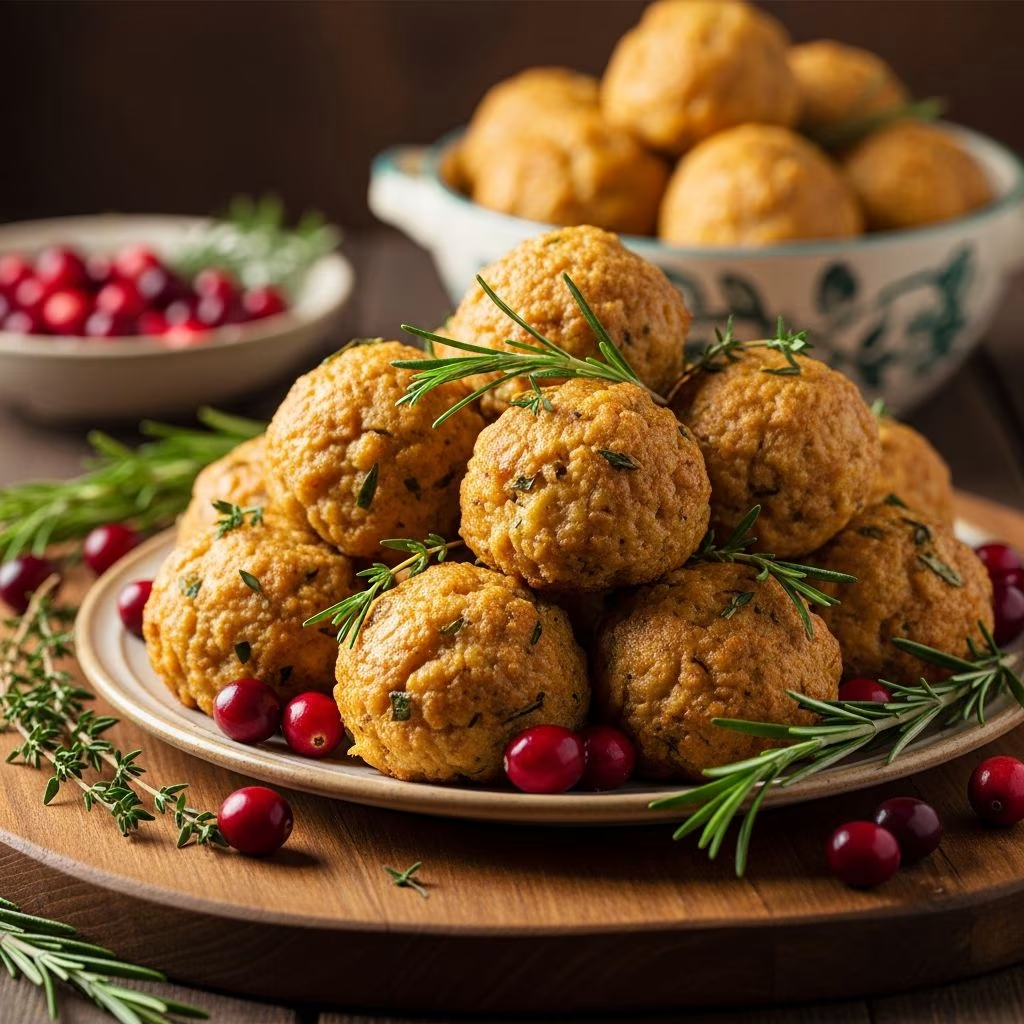
Stuffing balls represent a cherished tradition in many households, particularly during holiday gatherings and special celebrations. These golden-brown spheres of savory goodness offer a delightful departure from traditional stuffing, providing individual portions that are both elegant and practical. Whether you’re preparing them for the first time or refining a family recipe, understanding the fundamentals of stuffing ball preparation ensures consistent success.
Understanding the Foundation: Essential Ingredients
Creating authentic stuffing balls begins with selecting quality ingredients that work harmoniously together. The base typically comprises bread cubes, aromatic vegetables, seasoning, and a binding agent to hold everything together. Each component plays a vital role in achieving the desired texture and flavor profile.
The Bread Foundation
Bread serves as the primary structural component of stuffing balls. Day-old bread or slightly stale bread cubes work best, as they absorb liquid more effectively than fresh bread. The bread should be cut into uniform cubes, roughly half-inch in size, to ensure even cooking and consistent texture throughout. White bread, wheat bread, or a combination of both can be used depending on personal preference and desired depth of flavor. Some cooks prefer using seasoned bread cubes available commercially, while others prefer to prepare their own from scratch for greater control over flavoring.
Aromatic Vegetables
Onions and celery form the aromatic base that gives stuffing balls their characteristic savory profile. These vegetables are typically diced into small pieces to distribute evenly throughout the mixture. The onions add sweetness when cooked, while celery provides a subtle herbal quality. Both vegetables release their flavors when heated in butter, creating a fragrant foundation that permeates the entire dish. Some recipes incorporate additional vegetables such as bell peppers, mushrooms, or fresh herbs for variation and complexity.
Butter and Binding Agents
Butter serves multiple purposes in stuffing ball preparation. It provides richness, aids in cooking the aromatic vegetables, and helps bind the mixture together. Additionally, melted butter brushed onto the exterior of formed balls promotes browning and creates a crispy texture during baking. Broth, typically chicken or vegetable, is often added to the mixture to provide moisture and ensure the balls remain tender rather than becoming dry. The ratio of broth to bread cubes requires careful attention to achieve the proper consistency.
Seasoning Strategy: Layering Flavor
Proper seasoning distinguishes exceptional stuffing balls from mediocre ones. Poultry seasoning typically forms the backbone of the seasoning profile, providing warm spice notes reminiscent of sage, thyme, and marjoram. Salt and black pepper should be added incrementally, allowing for adjustment as the mixture develops. Additional seasonings might include garlic powder, onion powder, paprika, or fresh herbs depending on desired intensity and flavor direction.
The timing of seasoning addition matters considerably. Seasoning the aromatic vegetables as they cook allows the flavors to mellow and integrate, while seasoning the final mixture ensures consistent distribution. Tasting the mixture before forming and baking permits final adjustments to suit personal preferences.
Preparation Methods and Techniques
Initial Preparation Steps
Begin by preheating the oven to 400 degrees Fahrenheit. This temperature creates optimal conditions for browning the exterior while ensuring the interior remains moist. In a large skillet, melt the butter over medium heat, being careful not to brown it excessively. Once the butter has melted, add the diced onions and celery, stirring occasionally until the vegetables become soft and translucent, approximately seven to ten minutes.
During this sautéing process, the vegetables release their natural moisture and flavors, creating an aromatic base. The kitchen fills with the inviting scent of sautéed vegetables and spices, signaling the beginning of the cooking transformation. This foundational step cannot be rushed, as it develops the flavor complexity that makes stuffing balls memorable.
Combining Components
Once the vegetables have softened, add the bread cubes to the skillet with the butter and vegetables. Stir thoroughly to coat the bread evenly with the buttery mixture. The bread will begin absorbing the flavors and moisture from the vegetables and butter, creating a unified mixture. Continue stirring for several minutes, allowing the bread to soften slightly without breaking apart.
At this stage, add the seasoning ingredients and broth. Pour the broth gradually while stirring, watching for the proper consistency. The mixture should be moist enough to hold together when pressed but not so wet that it becomes mushy or falls apart. This balance requires attention and experience; starting with slightly less broth and adding more as needed provides better control than adding too much initially.
Forming the Balls
Once the mixture reaches the proper consistency, remove it from heat and allow it to cool slightly before forming individual balls. Using an ice cream scoop or your hands (lightly moistened to prevent sticking), form portions of the mixture into compact spheres. Each ball should be firm enough to hold its shape during baking. If the mixture seems too loose, adding an egg acts as a binder; if too dry, additional broth improves the texture.
Arrange the formed balls on a greased baking sheet, spacing them approximately two inches apart to allow air circulation and even browning. At this point, the balls can be refrigerated for several hours or even overnight before baking, making this dish particularly convenient for advance preparation.
Baking and Achieving Perfect Texture
Place the stuffing balls in the preheated 400-degree oven and bake for approximately twenty to twenty-five minutes, or until the exterior becomes golden brown and crispy. The exact baking time may vary depending on the oven’s characteristics and the size of the balls. Halfway through baking, the balls can be gently stirred or rotated to promote even browning on all sides.
The exterior should develop a satisfying crunch while the interior remains moist and flavorful. This textural contrast creates an appealing eating experience. Overbaking results in dry, hard balls, while underbaking produces centers that lack firmness and structure.
Helpful Tips and Variations
Texture Enhancements
- For crispier exteriors, brush the balls with melted butter before baking
- Panko breadcrumbs mixed into the coating create extra crunch
- Baking at slightly higher temperatures promotes browning without excessive drying
- Using a combination of bread types adds textural complexity
Flavor Variations
- Add dried cranberries or diced apples for subtle sweetness
- Include sautéed mushrooms for earthy depth
- Mix in fresh sage or thyme for herbal brightness
- Incorporate diced ham or bacon for smoky richness
- Add grated Parmesan cheese for umami intensity
Storage and Make-Ahead Options
Unbaked stuffing balls refrigerate well for up to two days, making this dish ideal for busy holiday schedules. Freeze formed balls on a baking sheet before transferring to freezer bags for storage up to three months. Bake frozen balls without thawing, adding approximately five to ten minutes to the baking time. Cooked stuffing balls can be refrigerated for three to four days and reheated gently to restore texture.
Troubleshooting Common Issues
| Issue | Cause | Solution |
|---|---|---|
| Balls fall apart during baking | Mixture too wet or insufficient binder | Add beaten egg or reduce broth amount |
| Dry, hard texture | Overbaking or insufficient moisture | Reduce baking time or increase broth |
| Pale, unbrowned exterior | Oven temperature too low | Increase temperature or brush with butter |
| Bland flavor | Insufficient seasoning | Taste and adjust seasoning before baking |
Frequently Asked Questions
Can I use fresh bread instead of day-old bread?
Fresh bread works but produces softer balls since it absorbs less liquid. Day-old bread cubes create a better texture and structure. If using fresh bread, reduce the amount of broth slightly to compensate.
What type of broth produces the best results?
Chicken broth offers the most traditional flavor profile, though vegetable broth works well for vegetarian versions. Low-sodium varieties allow better seasoning control. Avoid beef broth, which overpowers the delicate flavors of traditional stuffing.
Can stuffing balls be made without butter?
Butter contributes significant flavor and helps achieve the desired texture. Olive oil substitutes work but produce different flavor profiles. Vegetable oil creates acceptable results but lacks the richness butter provides.
How do I prevent the mixture from being too wet?
Add broth gradually while stirring, tasting the mixture for proper moisture levels. Remember that bread continues absorbing liquid after removal from heat, so slightly less broth initially allows for proper consistency as the mixture cools.
Are there vegetarian options for this recipe?
Absolutely. Replace chicken broth with vegetable broth and omit any meat-based ingredients. Mushrooms, herbs, and vegetables provide satisfying umami and flavor depth suitable for vegetarian diets.
Serving Suggestions and Pairing Ideas
Stuffing balls complement virtually any protein-based main course, making them exceptionally versatile for holiday meals. They pair beautifully with roasted turkey, ham, chicken, or beef. Beyond traditional holiday settings, stuffing balls serve as satisfying side dishes for weeknight dinners or casual gatherings.
These individual portions eliminate the challenge of serving traditional stuffing, as each guest receives a neat, attractive sphere. Their slightly crispy exterior provides appealing visual presentation while their warm, savory interior delivers comfort and satisfaction. Whether arranged on a platter as part of a buffet or served directly on individual plates alongside other dishes, stuffing balls elevate any meal’s presentation and perceived effort.
References
- USDA FoodData Central: Bread, White — U.S. Department of Agriculture. 2024. https://fdc.nal.usda.gov/fdc-app.html#/?query=bread%20white
- Food Safety and Inspection Service: Safe Food Handling Guidelines — U.S. Department of Agriculture. 2024. https://www.fsis.usda.gov/food-safety/safe-food-handling-and-preparation
- Flavor Compounds in Cooked Onions and Celery — Journal of Agricultural and Food Chemistry. 2023. https://pubs.acs.org/doi/10.1021/jf