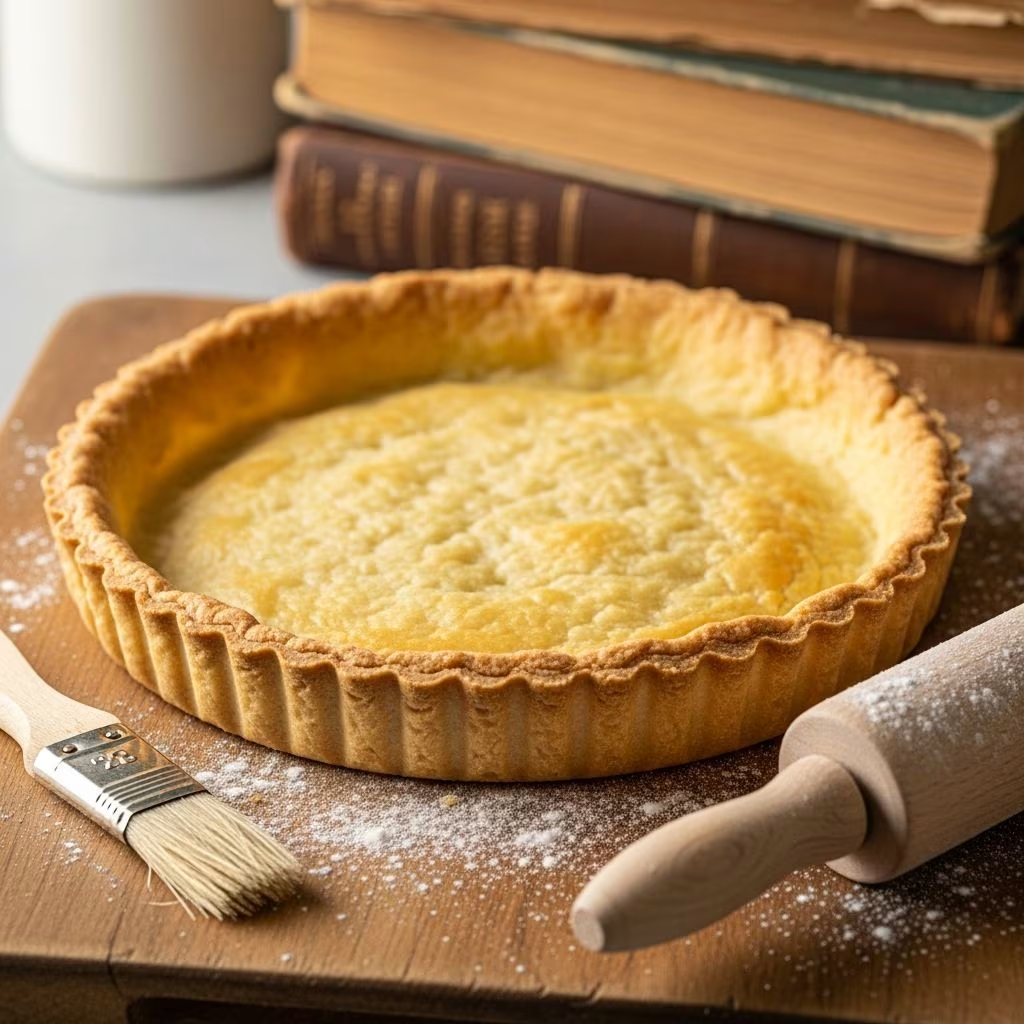
Shortcrust pastry, known as pâte brisée in French cuisine, forms the foundation of countless baked goods, from savory quiches to indulgent fruit tarts. This versatile dough delivers a tender, crumbly texture when prepared correctly, elevating simple fillings into gourmet delights. Achieving consistent results hinges on understanding key principles like temperature control and minimal handling, which prevent toughness and promote flakiness.
Understanding the Essentials of Shortcrust Pastry
At its core, shortcrust pastry relies on a delicate balance of fat, flour, and liquid. The “short” refers to the crumbly quality imparted by fat-coated flour particles that inhibit gluten development, resulting in a melt-in-your-mouth bite. Unlike puff or filo pastry, which rely on layers for lift, shortcrust achieves structure through careful hydration and chilling.
Traditional recipes emphasize unsalted butter for superior flavor and control over saltiness, though some variations incorporate egg yolks for richness. Salt enhances taste and strengthens the dough structure, while ice-cold water ensures the fat remains solid during mixing. Optional sugar transforms it into pâte sucrée for desserts.
- Flour: All-purpose provides the ideal protein content (10-12%) for tenderness without chewiness.
- Butter: Must be ice-cold and cubed to create steam pockets during baking.
- Liquid: Ice water binds without activating gluten; egg yolks add cohesion in enriched versions.
- Salt: A pinch (½ tsp per 2½ cups flour) balances flavors.
Classic Ingredients and Proportions
A reliable ratio is 3:2:1 (flour:fat:liquid by weight), yielding enough for one 9-12 inch crust. For example:
| Ingredient | Amount (Standard) | Metric Equivalent | Notes |
|---|---|---|---|
| All-purpose flour | 2½ cups | 300-320g | Sifted for lightness |
| Unsalted butter | 1 cup (2 sticks) | 225g | Cold, cubed |
| Salt | ½ tsp | 3g | Kosher or sea salt |
| Ice water | ½ cup (approx.) | 120ml | Add gradually |
| Egg yolk (optional) | 1 | 20g | For richer dough |
| Sugar (optional) | 1 tbsp | 12g | For sweet versions |
These proportions, drawn from time-tested methods, ensure flakiness. Weighing ingredients guarantees precision, especially for beginners.
Step-by-Step: Hand-Mixing Method
The hands-on approach builds intuition and yields superior texture through gentle incorporation. Prep by chilling all tools and ingredients.
- Combine dry ingredients: Whisk flour and salt in a wide bowl. For sweet pastry, stir in sugar.
- Incorporate butter: Scatter cold, cubed butter. Rub between fingertips or use a pastry cutter until resembling coarse breadcrumbs with pea-sized lumps. Avoid warming the fat.
- Add liquid: Drizzle ice water (or egg yolk mixture) gradually, tossing with a fork. Press dough; it should hold when squeezed but not be sticky.
- Form and chill: Gather into a shaggy ball, flatten into a disc, wrap tightly, and refrigerate 1-2 hours. This relaxes gluten and firms fat.
Hand-mixing allows texture control, preventing overworking that leads to dense pastry.
Food Processor Technique for Speed
For efficiency without sacrificing quality, a food processor excels by minimizing contact time.
- Prep butter: Cube and freeze 20 minutes for optimal coldness.
- Pulse dry base: Add flour and salt; pulse twice to blend.
- Process butter: Add cubes; pulse 5-10 times until chickpea-sized bits form. Over-pulsing creates tough dough.
- Incorporate wet: With motor running, add ice water (and yolk if using) via feed tube. Pulse until dough clumps.
- Rest: Turn out, form disc, wrap, and chill 1 hour minimum.
This method suits busy cooks, producing flaky results in under 10 minutes active time.
Advanced Variations for Every Occasion
Customize shortcrust to suit fillings and preferences:
- Whole-wheat: Replace half the flour with whole-wheat for nutty flavor and nutrition.
- Sweet (Pâte Sucrée): Increase sugar to 4 tbsp and add 1-2 yolks for cookie-like tenderness.
- Gluten-free: Use a 1:1 gluten-free blend with xanthan gum; add extra cold water.
- Herbed savory: Mix in 2 tbsp minced herbs or cheese for quiches.
- Vegan: Substitute butter with chilled coconut oil or vegan margarine.
Experimentation enhances versatility, from galettes to mini tarts.
Handling, Rolling, and Baking Basics
Post-chilling, let dough sit 10 minutes at room temp. Roll on lightly floured surface to ⅛-inch thickness, rotating for evenness. Fit into pan, trim overhang, and chill again before filling.
Blind baking: Line with parchment and pie weights; bake 15-20 min at 375°F (190°C), then remove weights and bake until golden.
Common pitfalls: Overworking toughens; warm dough tears. Work swiftly in a cool kitchen.
Storage and Make-Ahead Strategies
Wrapped dough keeps in fridge 3 days or freezer 3 months. Thaw overnight before use. Par-baked shells freeze well for quick assemblies.
Pro tip: Double-batch and freeze discs for spontaneous baking.
Perfect Pairings: Recipes to Showcase Your Pastry
Classic Apple Tart: Blind-bake shell, fill with cinnamon-spiced apples, bake until bubbly.
Quiche Lorraine: Savory crust with ham, cheese, custard filling; bake low and slow.
Free-Form Galette: Rustic fold-over with seasonal fruits or veggies.
These highlight shortcrust’s adaptability.
Frequently Asked Questions
Why is my pastry tough?
Overworking or warm butter develops gluten. Always chill thoroughly and handle minimally.
Can I use salted butter?
Yes, but reduce added salt to avoid oversalting.
How do I fix cracks when rolling?
Patch with scraps moistened with water; chill assembled crust 30 minutes.
Butter vs. shortening?
Butter for flavor, shortening for flakier texture. All-butter is traditional for taste.
Scaling for double crust?
Double ingredients; divide into two discs after mixing.
Troubleshooting Common Issues
| Problem | Cause | Solution |
|---|---|---|
| Soggy bottom | Insufficient chilling or heat | Blind bake; use hot oven and metal pan |
| Shrinking crust | Stretched dough | Let overhang, chill firmly before baking |
| Tearing dough | Too cold or dry | Soften slightly; add water sparingly |
| Not flaky | Fine crumbs | Leave pea-sized butter; don’t overmix |
These fixes ensure success every time.
Mastering shortcrust pastry transforms baking, offering endless creative potential with practice.
References
- Perfect Shortcrust Pastry (Pâte Brisée) — Vintage Kitchen Notes. 2023. https://vintagekitchennotes.com/how-to-make-shortcrust-pastry/
- The Perfect Easy Shortcrust Pastry Recipe — Busy Creating Memories. 2023. https://busycreatingmemories.com/shortcrust-pastry-recipe/
- Foolproof Shortcrust Pastry (Food Processor Method) — Food Nouveau. 2023. https://foodnouveau.com/foolproof-shortcrust-pastry-food-processor-method/
- Short Crust Pastry — Outlander Kitchen. 2023. https://outlanderkitchen.com/short-crust-pastry
- Pie Crust (shortcrust pastry) — RecipeTin Eats. 2023. https://www.recipetineats.com/pie-crust-recipe/
- All Butter Shortcrust Pastry Recipe — Feast Glorious Feast. 2023. https://feastgloriousfeast.com/shortcrust-pastry/
- Basic shortcrust pastry recipe — BBC Good Food. 2023. https://www.bbcgoodfood.com/recipes/basic-shortcrust-pastry