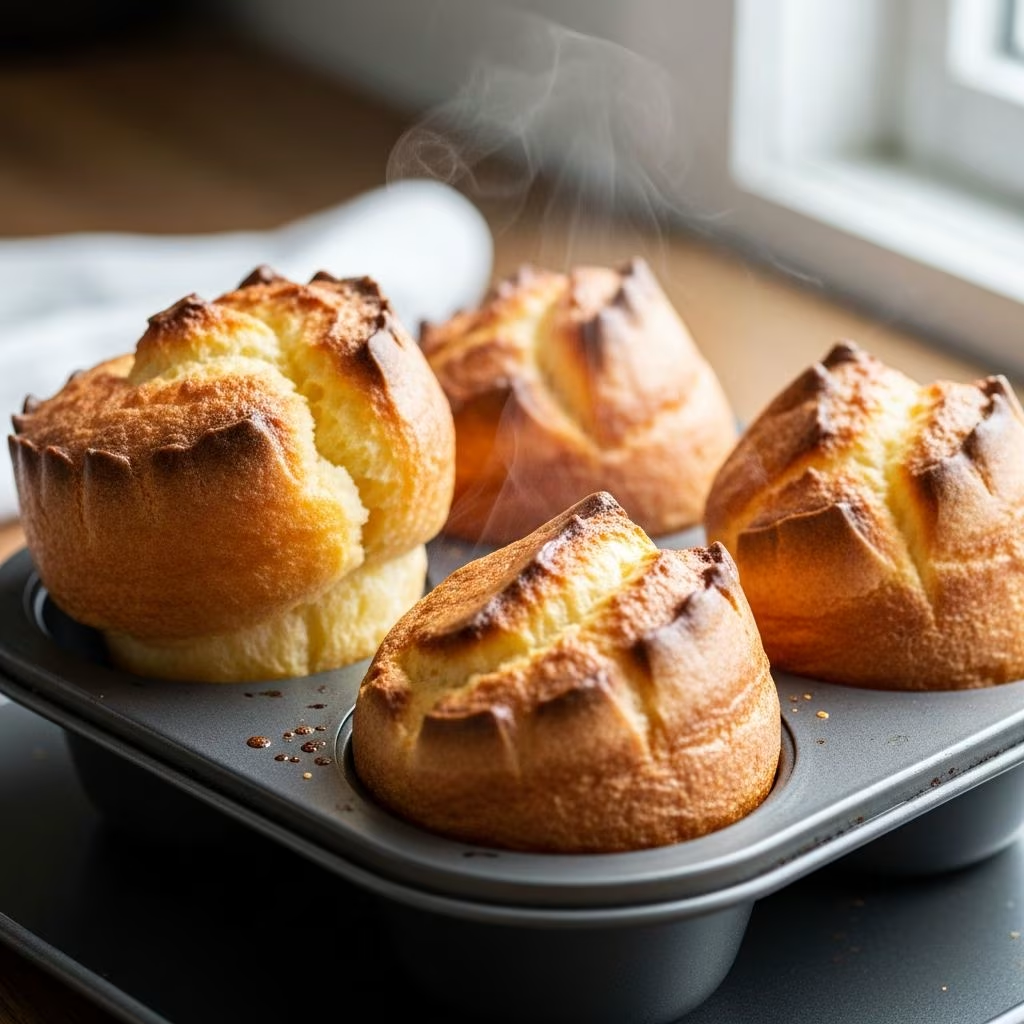
Popovers are those magical bakery delights that puff up dramatically in the oven, creating a light, hollow interior perfect for slathering with butter or jam. Unlike typical muffins or rolls, they rely on steam for their dramatic height, making them a fun challenge for home bakers. This guide dives deep into everything you need to know to achieve consistent success, from ingredient choices to oven quirks and beyond.
The Science Behind the Puff: Why Popovers Rise
At their core, popovers are a simple batter of flour, eggs, milk, and a touch of salt. The magic happens through rapid expansion of steam and air trapped within the batter. When heated, the eggs set quickly, forming a sturdy shell that traps the steam generated from the milk’s moisture. This pressure builds until the batter bursts upward through the top, creating that signature crown.
Understanding this process is key to troubleshooting. Factors like temperature differentials and batter consistency play huge roles. For instance, cold ingredients can hinder steam production, while overmixing deflates the air bubbles essential for lift. According to the American Chemical Society’s explorations into baking science, the ideal popover batter should mimic a thin pancake mix, allowing for optimal steam escape and expansion.1
Essential Ingredients for Flawless Popovers
Quality starts with selection. Use room-temperature whole milk for better emulsion and steam. Large eggs provide structure and leavening power. All-purpose flour offers the right protein content—around 10-12%—for tenderness without chewiness. A pinch of salt enhances flavor, and melted butter adds richness without weighing down the batter.
- Milk: Whole milk is best; low-fat versions produce flatter results due to less fat for tenderness.
- Eggs: Fresh, room-temp eggs whip in more air.
- Flour: Sifted all-purpose ensures even distribution and no lumps.
- Butter: Unsalted, for controlled flavor.
A classic ratio is 1 cup milk, 1 cup flour, 2-3 eggs, and 1/4 tsp salt. This yields about 6-8 large popovers. For variations, swap in buttermilk for tang or add grated cheese for savoriness.
Prepping Your Tools: The Right Pan Makes All the Difference
Invest in a popover pan—its tall, narrow cups promote upward growth rather than outward spread. Standard muffin tins work in a pinch, but fill only halfway and expect slightly shorter results. Preheat the pan with butter or oil for 5-10 minutes at 425°F (220°C). This sizzle upon pouring batter creates an instant crust, sealing in steam.
| Pan Type | Pros | Cons | Best For |
|---|---|---|---|
| Popover Pan | Tall sides, even rise | Specialized, pricier | Perfect puffs |
| Muffin Tin | Common, versatile | Shorter height | Quick batches |
| Ceramic Dishes | Heat retention | Uneven sizing | Small servings |
Pro tip: Grease generously to prevent sticking, as popovers release easily from hot, oiled surfaces.
Step-by-Step: Crafting the Perfect Batter
- Warm milk to about 100°F (lukewarm, not hot).
- Whisk eggs lightly until just combined—avoid overbeating.
- Sift dry ingredients together.
- Combine wet and dry gently, stirring 10-12 times max. Lumps are okay; they disappear in the oven.
- Rest batter 15-30 minutes at room temp for gluten relaxation and air incorporation.
This no-electricity method yields superior texture over blended versions, preserving air pockets vital for lift.
Baking Precision: Temperature and Timing Mastery
High initial heat is non-negotiable: 425°F for 20 minutes, then drop to 350°F for 15-20 more. No peeking—the oven door opens let cold air collapse your popovers. Total time: 35-40 minutes for 4-5 inch towers. Ovens vary, so rotate halfway if needed. The USDA’s baking guidelines emphasize consistent high heat for steam-leavened goods like these.2
Visual cues: Deep golden brown exterior, hollow tap sound. Internal temp should hit 200°F for doneness.
Troubleshooting Common Popovers Pitfalls
Flat popovers? Check oven temp with a thermometer—many run cool. Batter too thick signals incorrect ratios or cold milk. Eggy taste means insufficient flour or resting time. Sticking? Insufficient greasing or under-preheating.
- No rise: Oven not hot enough; preheat longer.
- Dense texture: Overmixed batter; stir minimally.
- Deflated post-bake: Removed too soon; cool in turned-off oven 5 mins.
- Pale color: Lower rack or extend time.
Humidity affects results too—dry days favor taller popovers, per baking studies from King Arthur Baking Company.3
Flavor Innovations: Beyond Plain Popovers
Classic is great, but experiment! Savory: Fold in cheddar, herbs, or bacon bits pre-bake. Sweet: Vanilla extract, citrus zest, or cinnamon sugar dusting. For holidays, add pumpkin puree and spices.
Cheesy Herb Popovers: Add 1/2 cup grated Gruyère and 2 tbsp chopped chives to base batter. Bake as usual.
Chocolate Popovers: 2 tbsp cocoa powder + 1/4 cup sugar; serve with powdered sugar.
These twists make popovers versatile for brunch, dinner sides, or desserts.
Storage, Reheating, and Make-Ahead Strategies
Fresh is best, but store cooled popovers in an airtight container up to 2 days. Freeze up to 3 months—thaw and reheat at 350°F for crisp revival. For batches, batter holds in fridge 1 day; stir gently before using. Avoid freezing batter, as it alters consistency.
Pairing Popovers: Serving Suggestions for Every Meal
Breakfast: With fruit compote and clotted cream. Lunch: Alongside soup, split and filled with tuna salad. Dinner: Garlic butter-dipped with roast beef. Dessert: Warm with ice cream and chocolate sauce.
They shine at gatherings—easy to scale up and always a conversation starter.
Advanced Techniques for Pro-Level Popovers
For ultra-tall results, use bread flour for more structure or add baking powder (1/4 tsp) for insurance lift. Experiment with milk types: evaporated milk boosts richness. San Francisco’s Tartine Bakery shares techniques like double-preheating for competition-worthy heights.4
Gluten-free? Swap a 1:1 flour blend and add xanthan gum. Vegan: Aquafaba + plant milk works surprisingly well.
FAQs: Your Popover Questions Answered
Why do my popovers sink after baking?
They cool too fast. Leave in the oven with door ajar for 5-10 minutes.
Can I make popovers without a popover pan?
Yes, muffin tins work; just manage expectations for height.
How do I know if my oven is accurate?
Use an oven thermometer placed on the rack.
Are popovers healthy?
Moderately—low sugar, but egg-rich. Opt for low-fat milk to lighten.
What’s the best milk alternative?
Almond or oat milk; ensure they’re at room temp.
With these insights, you’ll conquer popovers effortlessly. Happy baking!
References
- The Chemistry of Popovers — American Chemical Society. 2023-05-15. https://www.acs.org/education/whatischemistry/landmarks/popovers.html
- Baking Temperature Guidelines — United States Department of Agriculture. 2024-01-10. https://www.fsis.usda.gov/food-safety/safe-food-handling-and-preparation/food-safety-basics/baking
- Humidity and Baking Performance — King Arthur Baking Company. 2025-03-22. https://www.kingarthurbaking.com/blog/2025/03/22/humidity-baking-tips
- Advanced Pastry Techniques — Tartine Bakery Official Site. 2024-11-05. https://tartinebakery.com/techniques/popovers