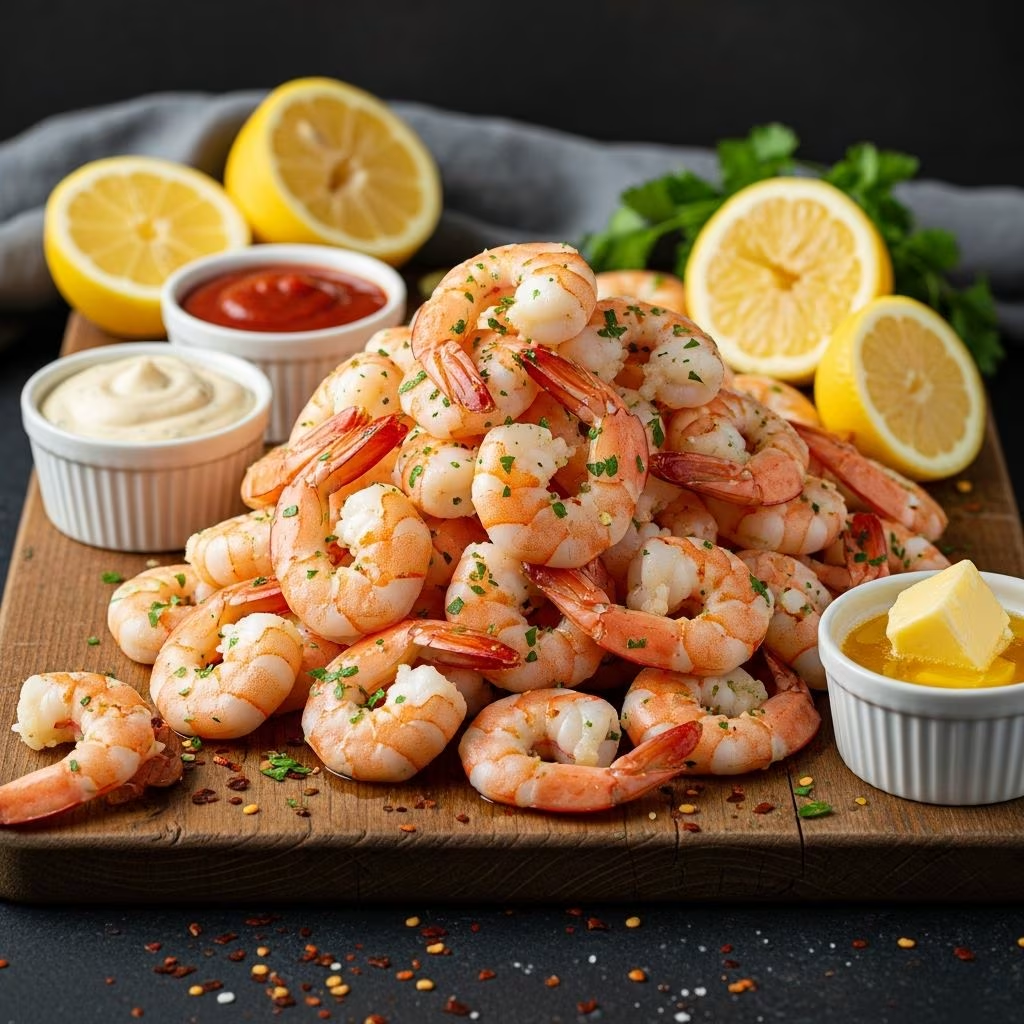
Peel-and-eat shrimp stand out as a beloved seafood dish, celebrated for their simplicity and bold flavors. Coated in iconic seasonings like Old Bay and enhanced with garlic and citrus, these shrimp offer a hands-on eating experience that’s perfect for gatherings or casual meals. This guide explores various cooking techniques, ingredient choices, and tips to achieve tender, succulent results every time.
Why Peel-and-Eat Shrimp Captivate Home Cooks
The appeal of peel-and-eat shrimp lies in their interactive nature. Diners peel the shells themselves, which locks in juices and intensifies flavor during cooking. Unlike pre-peeled shrimp, shell-on varieties stay moister and absorb seasonings deeply. Old Bay, a blend of celery salt, paprika, and spices, provides the signature East Coast taste that pairs seamlessly with garlic’s pungency and citrus brightness.
These shrimp cook rapidly, often in under 10 minutes, making them ideal for spontaneous dinners. They’re versatile too—serve hot from the pan, chilled for appetizers, or tossed into salads. Nutritionally, shrimp deliver lean protein, low calories, and essential omega-3s, aligning with health-conscious diets like keto or paleo.
Selecting the Best Shrimp for Optimal Results
Quality starts with fresh or properly frozen shrimp. Look for wild-caught varieties, sized 16/20 or 21/25 per pound for a balance of meatiness and ease of eating. Shell-on, deveined shrimp are preferable; the vein removal prevents gritty textures without sacrificing moisture retention.
- Fresh vs. Frozen: Fresh shrimp should smell like the ocean, with firm, translucent flesh. Frozen is often superior if flash-frozen at sea, preserving freshness.
- Size Guide: Larger shrimp (U/10 to 21/25) suit boiling; medium (31/40) excel in sautés.
- Sourcing Tips: Opt for sustainable options from the Gulf or Atlantic to ensure environmental responsibility.
Before cooking, pat shrimp dry to promote even searing and avoid steaming in their own moisture.
Core Ingredients That Elevate Flavor
A successful peel-and-eat shrimp dish hinges on a few key elements. Old Bay seasoning is non-negotiable for its herbaceous, spicy profile. Garlic adds savory depth, while citrus like lemon, lime, or orange zest cuts richness and brightens the dish.
| Ingredient | Role | Quantity (for 2 lbs shrimp) |
|---|---|---|
| Old Bay Seasoning | Primary spice blend | 2-4 Tbsp |
| Garlic (minced) | Aromatic base | 4-5 cloves |
| Butter/Olive Oil | Cooking fat | ¾ cup butter + ¼ cup oil |
| Citrus (zest/juice) | Acidity and freshness | 2 oranges or 1 lime |
| Fresh Herbs (parsley) | Finishing touch | Handful, chopped |
These components create layered flavors: spices bloom in fat, shrimp absorb the infusion, and herbs provide a fresh finish.
Pan-Seared Garlic Old Bay Shrimp
This one-pan method delivers crispy edges and infused flavors in minutes. It’s inspired by sautés that “bloom” spices for maximum impact.
- Season 2 lbs shell-on shrimp with 2 tsp Old Bay, salt, and pepper. Set aside.
- Heat ¾ cup unsalted butter and ¼ cup olive oil in a large skillet over medium-high.
- Add ½ diced red onion, 5 minced garlic cloves, and 2 tsp Old Bay. Sauté 1-2 minutes until fragrant.
- Add shrimp in a single layer. Cook 2-3 minutes per side until pink and curled.
- Finish with zest and juice from 2 oranges, 1 lime, and chopped parsley. Toss and serve immediately.
Yield: 4 servings. Total time: 15 minutes. Pro tip: Use a cast-iron skillet for even heat distribution.
Classic Steamed Old Bay Shrimp
Steaming preserves tenderness without added fats, using a vinegar-spiked broth for tang.
- Combine 1 cup water, 1 cup white or apple cider vinegar, and 2 Tbsp Old Bay in a pot. Bring to a boil.
- Insert steamer basket (ensure water doesn’t touch bottom). Add 2 lbs shrimp.
- Cover and steam 2-3 minutes until pink. Avoid overcooking to prevent toughness.
- Drain, sprinkle with extra Old Bay, and chill or serve hot with lemon wedges.
This low-calorie approach highlights natural shrimp sweetness. Pair with cocktail sauce for dipping.
Quick Shrimp Boil with Beer and Aromatics
A beer-based boil infuses robust flavors, perfect for crowds.
- In a large pot, mix 4 cups water, 2 cups beer (or more water), ⅓ cup Old Bay, 4 garlic cloves, 6 peppercorns, and 2 bay leaves. Boil.
- Add 2 lbs shrimp. Simmer covered 2-4 minutes until opaque.
- Drain and toss with 2 Tbsp Old Bay. Refrigerate 30 minutes for chilled version.
Customize with onion slices or hot sauce in the broth for depth.
Serving Ideas and Dipping Sauces
Present shrimp on a platter with shells for authenticity. Accompaniments elevate the meal:
- Cocktail Sauce: Mix 1 cup ketchup, 3 Tbsp horseradish, ½ tsp Worcestershire, pinch salt.
- Melted Butter: Clarified with garlic and lemon.
- Pairings: Corn on the cob, potatoes, or coleslaw for a Lowcountry boil vibe.
For parties, serve chilled in a bowl with picks for easy peeling.
Common Mistakes and How to Avoid Them
Overcooking: Shrimp turn rubbery fast—time precisely and use residual heat.
Uneven Seasoning: Toss shrimp in spices before cooking for even coverage.
Watery Results: Dry shrimp thoroughly; don’t crowd the pan.
Soggy Shells: High-heat methods crisp exteriors.
Nutritional Profile and Dietary Adaptations
A 4-oz serving offers ~120 calories, 24g protein, and 1g fat. Adapt for diets:
- Keto/Paleo: Skip beer; use vinegar steam.
- Low-Sodium: Halve Old Bay; add fresh herbs.
- Gluten-Free: Verify Old Bay label.
Storage and Make-Ahead Tips
Store cooked shrimp in airtight containers up to 2 days refrigerated. Reheat gently in simmering broth or eat cold. Freeze uncooked, seasoned shrimp for up to 3 months; thaw before cooking.
Frequently Asked Questions
Can I use frozen shrimp?
Yes, thaw in cold water first for best texture.
What’s the best shrimp size for peel-and-eat?
16/20 or 21/25 for substantial bites.
Is Old Bay essential?
It defines the flavor; substitutes like Cajun work but alter taste.
How do I devein without removing shells?
Slit along back with scissors, pull vein, rinse.
Can this be scaled for a party?
Yes, double ingredients; use a larger pot.
Advanced Variations for Seasoned Cooks
Experiment with smoked paprika in place of some Old Bay for a twist, or add chorizo to the sauté for heartiness. Asian fusion: Swap Old Bay for five-spice and ginger.
Mastering peel-and-eat shrimp opens doors to endless seafood creativity. With these techniques, you’ll impress at any table.
References
- FDA Seafood Guidelines — U.S. Food and Drug Administration. 2024-01-15. https://www.fda.gov/food/buy-store-serve-safe-food/seafood
- Selecting and Serving Fresh and Frozen Seafood Safely — USDA. 2023-06-20. https://www.fsis.usda.gov/food-safety/safe-food-handling-and-preparation/food-safety-basics/selecting-and-serving-fresh-and-frozen
- Shrimp Nutritional Data — USDA FoodData Central. 2025-02-10. https://fdc.nal.usda.gov/fdc-app.html#/food-details/171971/nutrients
- Old Bay Seasoning Product Information — McCormick & Company. 2024-11-05. https://www.mccormick.com/products/seasonings/seasoning-mixes/old-bay-seasoning-301
- Seafood Sustainability Guide — Monterey Bay Aquarium Seafood Watch. 2025-03-12. https://www.seafoodwatch.org/recommendations/search?query=shrimp