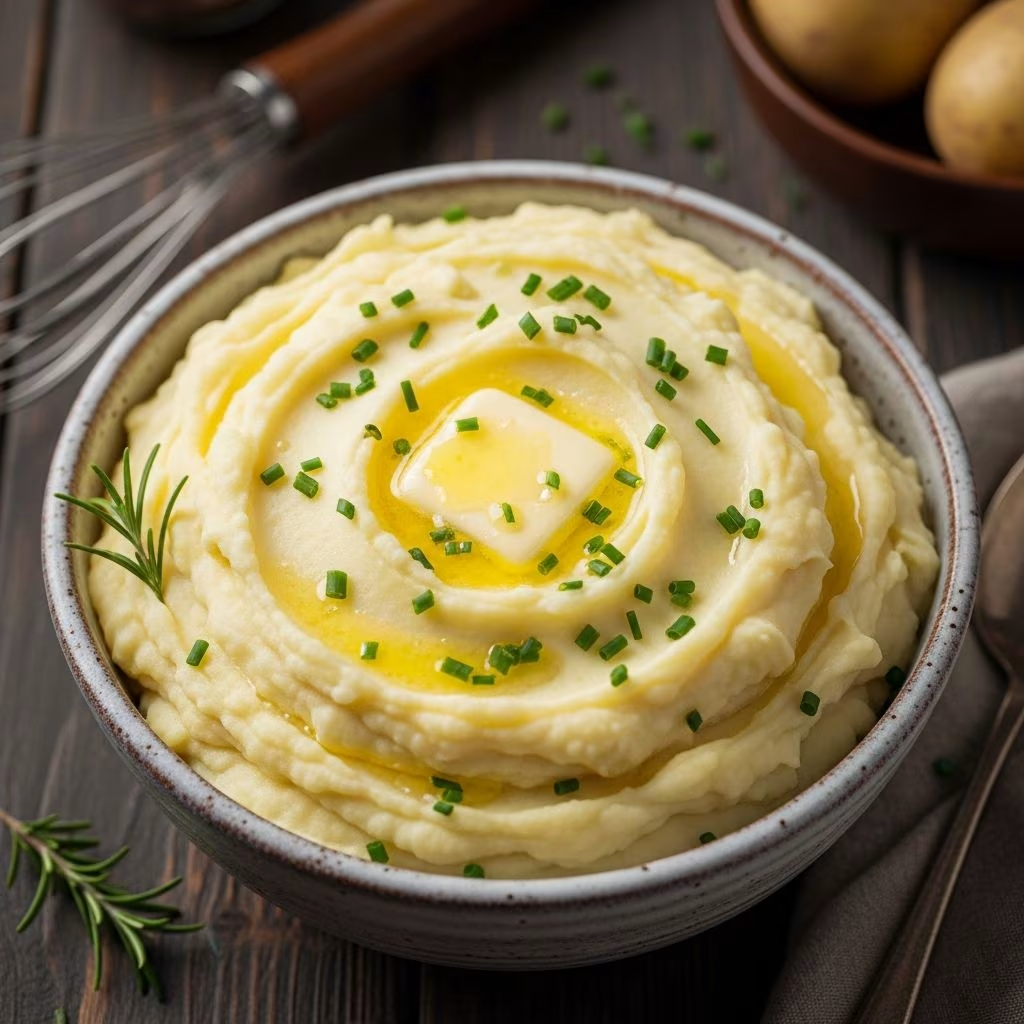
Creating the ideal batch of mashed potatoes involves more than just boiling and mashing. This versatile side dish, beloved for its comforting texture and adaptability, can transform a simple meal into something extraordinary. Whether you’re preparing a holiday feast or a weeknight dinner, understanding potato selection, preparation methods, and finishing touches ensures consistently excellent results.
Why Mashed Potatoes Are a Kitchen Staple
Mashed potatoes offer endless appeal due to their neutral base that pairs well with proteins, vegetables, and sauces. Their creamy consistency comes from the starch content in potatoes, which breaks down during cooking to create smoothness when combined with fats like butter and liquids such as milk. High-starch varieties excel here because they absorb dairy effectively without becoming watery.
Nutritionally, potatoes provide potassium, vitamin C, and fiber, especially when skins are retained. A typical serving delivers sustained energy, making them suitable for family meals. Their preparation time—around 30 minutes—fits busy schedules, and scalability allows adjustments for any group size.
Selecting the Best Potatoes for Mashing
Potato choice significantly impacts texture and flavor. High-starch options like Russet or Idaho potatoes yield fluffy results due to their low moisture and high starch, ideal for light, airy mashes. Yukon Gold potatoes, with yellow flesh and medium starch, produce creamier outcomes and hold shape well, often requiring less dairy.
Avoid waxy varieties like red or fingerling potatoes, as their high moisture leads to gluey textures unsuitable for mashing. For best results, select firm, unblemished potatoes without sprouts or green tinges, which indicate solanine toxicity.
| Potato Type | Starch Level | Best For | Texture Outcome |
|---|---|---|---|
| Russet/Idaho | High | Fluffy mashes | Light and airy |
| Yukon Gold | Medium | Creamy mashes | Rich and smooth |
| Red (avoid) | Low | Salads | Gumminess |
Essential Ingredients for Superior Flavor
Core components include potatoes (2.5-5 lbs for 4-8 servings), butter (4 Tbsp to 1/2 cup for richness), and milk or cream (1/2-1 cup, warmed to prevent cooling). Salt enhances natural flavors—use 1/2 tsp in boiling water and more to taste post-mashing. Optional garlic (1-3 cloves) adds depth; simmer it with potatoes for mellow savoriness.
Variations elevate the dish: sour cream or cream cheese for tang, evaporated milk for thickness, or chicken bouillon for umami. Pepper provides subtle heat, while fresh herbs like chives or parsley garnish beautifully.
- Butter: Unsalted allows salt control; room temperature integrates smoothly.
- Milk: Whole milk or half-and-half yields creaminess; alternatives like plant-based work for dietary needs.
- Seasonings: Kosher salt for even distribution; avoid over-salting initially.
Step-by-Step Preparation Process
Begin by peeling (or not, for rustic texture) and cubing potatoes into 1-2 inch pieces for uniform cooking. Place in a large pot covered by 1 inch of cold, salted water—this prevents uneven cooking from hot starts.
- Bring to a boil over medium-high heat, then simmer uncovered 15-20 minutes until fork-tender. Test by piercing easily without resistance.
- Drain thoroughly in a colander; return to low heat 1-2 minutes to evaporate moisture, avoiding gumminess.
- Warm butter and milk in a saucepan or microwave until butter melts—this preserves heat.
- Mash potatoes lightly with a masher, gradually incorporating dairy for desired consistency. Avoid electric mixers beyond brief use to prevent starch overworking.
- Season, taste, and adjust. Fold in extras like garlic or herbs.
Rinsing cubed potatoes removes excess starch for fluffier results, as in some methods. Steaming post-drain enhances dryness.
Pro Tips for Flawless Texture
Achieve perfection by managing starch and moisture. Cut uniform sizes for even doneness; overcooking leads to waterlogging. Draining and drying are crucial—excess liquid dilutes flavor.
Use a potato ricer or food mill for silkiness without gumminess from over-mashing. Warm all additions to maintain temperature; cold dairy cools the mash. Taste iteratively, as flavors meld while resting.
- Microwave option: Poke whole potatoes, wrap, and cook 5-8 minutes for speed.
- Skin-on: Quarter unpeeled for earthy texture and nutrients.
- Make-ahead: Prepare, cool, refrigerate up to 2 days; reheat with extra milk on stovetop.
Creative Variations to Try
Customize for occasions:
- Garlic Mashed: Roast or boil 3 cloves; mash in for robust flavor.
- Loaded: Mix in cheddar, bacon, sour cream, and chives.
- Horseradish: 1-2 Tbsp prepared horseradish for zesty kick.
- Sweet Potato Blend: Half russet, half sweet for natural sweetness.
- Vegan: Use plant butter and oat milk; add nutritional yeast for cheesiness.
For holidays, incorporate gravy enhancers like bouillon. Pair with roasts, poultry, or veggies.
Common Mistakes and Fixes
Lumps? Mash more thoroughly or rice them. Gummy? Overworked starch—use gentler tools next time. Watery? Dry potatoes longer post-drain. Bland? Insufficient salt in water or under-seasoning.
| Issue | Cause | Solution |
|---|---|---|
| Lumpy | Under-mashed | Ricer or extra mashing |
| Gummy | Over-mixing | Hand masher only |
| Watery | Excess moisture | Steam dry after drain |
| Bland | Little salt | Salt water generously |
Storage, Reheating, and Freezing
Store cooled mash in airtight containers up to 4 days in fridge. Reheat on stovetop with splashes of milk, stirring to restore creaminess. Microwave in covered dish works but stir midway.
Freeze in portions up to 2 months; thaw overnight, reheat similarly. Avoid repeated freezing to maintain quality.
Nutritional Profile and Pairings
A 1-cup serving offers ~200 calories, 4g protein, 40g carbs, with variations based on dairy. Balances meals with lean proteins and greens.
Pair with grilled meats, stews, or casseroles. Holiday classics include turkey and gravy.
Frequently Asked Questions
Can I make mashed potatoes ahead?
Yes, refrigerate up to 2 days or freeze. Reheat gently with milk.
What if I don’t have a masher?
A fork or blender on low works, but avoid over-processing.
Are skins okay to leave on?
Absolutely for texture and nutrition; wash thoroughly.
How do I make them dairy-free?
Substitute vegan butter and milk; coconut milk adds richness.
Why boil from cold water?
Ensures even cooking from the inside out.
References
- Quick & Easy Mashed Potatoes — Beaming Baker. 2023. https://beamingbaker.com/quick-easy-mashed-potatoes/
- Simple Mashed Potatoes — Smart in the Kitchen. 2020-11. https://smartinthekitchen.com/2020/11/simple-mashed-potatoes/
- The BEST Mashed Potatoes Recipe — Spend With Pennies. 2023. https://www.spendwithpennies.com/how-to-make-mashed-potatoes/
- Best Mashed Potatoes Recipe — Love and Lemons. 2023. https://www.loveandlemons.com/mashed-potatoes/
- Creamiest Homemade Mashed Potatoes — Budget Bytes. 2023. https://www.budgetbytes.com/mashed-potatoes/
- Mashed Potatoes — Tastes Better From Scratch. 2023. https://tastesbetterfromscratch.com/mashed-potatoes/