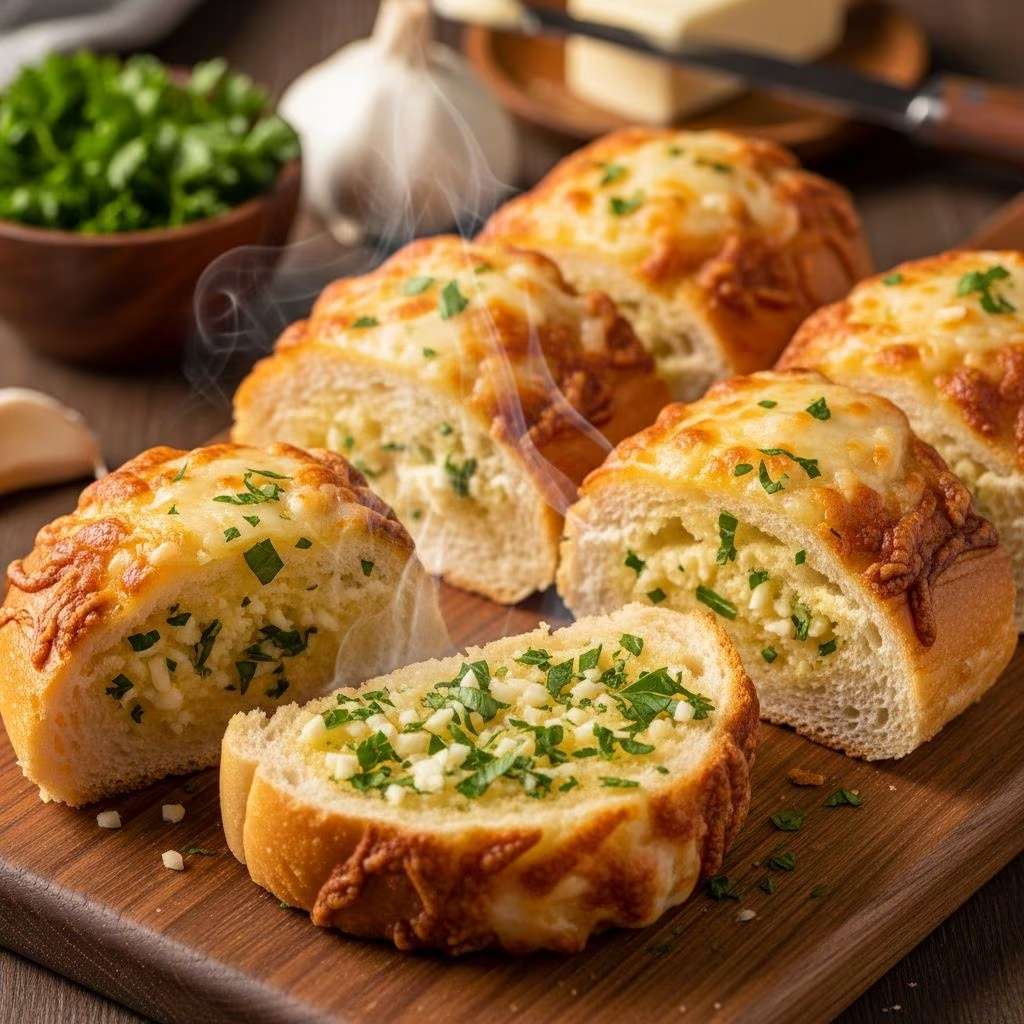
Garlic bread stands as one of the most beloved side dishes across cuisines, offering a perfect complement to pasta, soups, and hearty meals. What many home cooks don’t realize is that creating exceptional garlic bread requires minimal ingredients but considerable attention to technique and timing. This guide walks you through everything you need to know to consistently produce garlic bread that rivals restaurant quality, using straightforward methods and accessible ingredients.
Understanding the Foundation: Essential Ingredients and Their Roles
The beauty of garlic bread lies in its simplicity. Each ingredient serves a specific purpose in creating the final product’s texture and flavor profile. Rather than viewing garlic bread as merely bread with garlic spread on top, understanding how each component contributes to the overall result transforms your approach to making it.
The Bread Selection: The bread you choose forms the structural foundation of your dish. Most recipes call for either a French loaf or Italian bread, typically weighing between 12 to 16 ounces. These varieties offer the necessary density and crust structure to absorb butter without becoming soggy or collapsing during baking. Some recipes suggest sourdough or ciabatta as alternatives, providing distinctive flavor notes and texture variations. The key characteristic you want is a sturdy loaf that can withstand the moisture from the butter mixture while developing a crispy exterior during baking.
Butter as the Primary Fat: Unsalted butter forms the backbone of the garlic mixture, typically requiring half a cup or one standard stick. Using softened butter—not melted—allows it to incorporate evenly with other ingredients and distribute uniformly across the bread surface. Softened butter also prevents the mixture from becoming greasy or separating. The butter carries the flavors of garlic and herbs while creating the richness that makes garlic bread irresistible.
Fresh Garlic Intensity: Fresh garlic cloves, when properly minced or grated, deliver the signature flavor that defines quality garlic bread. Recipes typically call for three to eight cloves, depending on personal preference and the total batch size. Finely minced or grated garlic distributes more evenly than chunks, preventing harsh bites and ensuring consistent flavor throughout each slice. Some advanced recipes incorporate roasted garlic alongside fresh garlic for added depth and complexity.
Herbaceous Brightness: Fresh parsley serves as the primary herb in most recipes, contributing visual appeal through green flecks and a subtle herbal brightness that balances the richness of butter and intensity of garlic. Parsley can be either curly or flat-leaf variety, with flat-leaf offering slightly more flavor. Beyond parsley, some recipes incorporate garlic powder for additional garlic notes without adding moisture through fresh cloves.
Cheese and Seasoning Accents: Parmesan cheese adds umami depth and creates a slightly crispy layer when baked. Sea salt or kosher salt enhances all flavors, typically using half a teaspoon to a full teaspoon depending on whether your butter is salted or unsalted. Some recipes include optional mozzarella cheese for a gooier texture, though this shifts the flavor profile considerably.
The Preparation Phase: Setting Yourself Up for Success
Before combining ingredients or turning on your oven, proper preparation ensures consistent results. This phase involves organizing your workspace and preparing components so the actual assembly moves smoothly.
Bread Preparation: Begin by slicing your loaf in half lengthwise rather than creating individual slices. This approach maintains structural integrity and allows for even distribution of the garlic butter mixture. Place both halves cut-side up on a parchment-lined or foil-lined baking sheet. Keeping the bread on the baking sheet throughout preparation prevents unnecessary handling and makes transfer to the oven seamless.
Butter Softening: Remove butter from the refrigerator approximately 15 to 20 minutes before you plan to use it. Properly softened butter combines easily with other ingredients without requiring extra moisture or creating separated, greasy textures. Test the consistency by pressing your finger against the butter—it should yield easily without being melted or oily. If you’re short on time, cut the butter into small cubes, which soften faster than a whole stick.
Garlic Processing: If using fresh garlic, mince it finely or grate it with a microplane grater. Finely processed garlic distributes more evenly than larger chunks and integrates better into the butter. Some cooks prefer pressing garlic through a garlic press for extremely fine texture. Avoid using pre-minced jarred garlic, as it often contains additives and delivers inferior flavor to freshly processed cloves.
Creating the Garlic Butter Mixture: Technique Matters
Combining your ingredients properly determines whether the final mixture spreads evenly or separates into components. The method you choose affects texture and flavor integration.
The Mashing Method: For most home cooks, using a fork to mash and combine ingredients works perfectly. Place softened butter in a small bowl, add minced garlic, chopped parsley, salt, and any cheese, then use a fork to mash everything together thoroughly. This low-tech approach takes about two minutes and requires no special equipment. The goal is complete integration with no visible streaks of parsley or separate garlic pieces.
The Mixer Method: Some recipes suggest using an electric mixer fitted with a paddle attachment, beating ingredients on medium-high speed until completely combined. This method works particularly well when making larger batches or when you want an exceptionally smooth, consistent texture. The mixer aerates the mixture slightly, creating a lighter texture that may spread more easily.
The Melted Butter Variation: Alternatively, some recipes melt butter in a small saucepan over low heat, add minced garlic, remove from heat, and allow the garlic to steep for approximately three minutes before adding salt and parsley. This gentle warming slightly mellows the raw garlic bite while infusing the butter with garlic flavor. After steeping, brush or spoon this mixture onto the bread rather than spreading it with a knife.
Application and Baking: Achieving the Perfect Crust
How you apply the garlic mixture and the baking temperature determine whether your final product emerges with crispy edges, golden color, and properly melted topping.
Spreading Technique: Spread the garlic butter mixture liberally over the cut surfaces of both bread halves, ensuring complete coverage down to the edges. Use a knife or small spatula to press the mixture firmly into the bread’s surface, encouraging absorption. Don’t be shy with the quantity—generous application prevents dry spots and ensures every bite contains adequate garlic butter.
Cheese Application: If using parmesan cheese, sprinkle it evenly over the buttered surface before baking. Some recipes recommend adding cheese only during the final two minutes of baking to prevent excessive browning or burning, while others prefer applying it at the beginning. Experiment with timing based on your oven’s characteristics.
Oven Temperature Considerations: Recipes call for oven temperatures between 375°F and 425°F, with 400°F and 425°F being most common. Higher temperatures (425°F) produce crispier results more quickly, typically requiring 10 to 12 minutes of baking time. Lower temperatures (375°F) allow more gentle cooking, sometimes reducing the risk of burning but requiring slightly longer baking times. Your specific oven may vary, so start with the recommended temperature and adjust based on results.
Foil Wrapping Strategy: One advanced technique involves wrapping the baking sheet (with garlic bread on it) loosely in aluminum foil during the first portion of baking, then unwrapping it for the final few minutes. This approach allows the butter to penetrate deeply into the bread while protecting the surface from excessive browning. After unwrapping, bake until edges achieve golden color and the surface looks crispy.
Doneness Assessment: Properly baked garlic bread should feature golden-brown edges and a crispy exterior while maintaining a soft interior. The butter should be fully melted and absorbed into the bread rather than pooling at the bottom of the baking sheet. If the bottom seems soggy after baking, your oven may run cool or your baking time may be insufficient. Conversely, if the edges darken before the garlic butter fully absorbs, reduce your oven temperature by 25°F for future batches.
Flavor Variations and Creative Additions
While the classic garlic bread formula works beautifully, several variations expand your culinary options without increasing difficulty significantly.
| Variation | Additional Ingredients | Effect on Flavor |
|---|---|---|
| Triple Garlic Approach | Fresh minced garlic + roasted garlic + garlic powder | Layered garlic complexity with sweet roasted notes |
| Cheese-Forward Version | Mozzarella or additional parmesan | Richer, creamier texture with umami depth |
| Herbal Enhancement | Oregano, basil, or thyme alongside parsley | Mediterranean character with herb-forward profile |
| Truffle Oil Luxury | White or black truffle oil (1-2 teaspoons) | Earthy, sophisticated notes elevating perceived luxury |
Storage and Make-Ahead Strategies
One significant advantage of homemade garlic bread involves its freezer-friendly nature, allowing you to prepare batches in advance.
Preparing for Freezing: Assemble your garlic bread completely through the application of butter mixture, but do not bake. Wrap the unbaked bread halves tightly in plastic wrap, then place in a freezer bag, removing as much air as possible. Properly frozen unbaked garlic bread maintains quality for up to three months.
Baking from Frozen: When ready to bake, remove garlic bread from freezer and place directly on a baking sheet. Add approximately five minutes to the standard baking time, as the bread starts from a frozen state. Bake at the same temperature as you would for fresh bread until the edges achieve golden color.
Refrigerator Storage: Leftover baked garlic bread keeps in an airtight container in the refrigerator for up to three days. Reheat in a 350°F oven for approximately five to eight minutes, or wrap loosely in foil and warm until the interior heats through. Avoid using a microwave, which renders the crust soggy rather than crispy.
Common Challenges and Solutions
Issue: Soggy Bottom
Cause: Excess moisture or inadequate baking time. Solution: Use parchment or foil to line your baking sheet, and ensure your oven reaches the proper temperature before baking. Increase baking time slightly, and ensure the bread is sliced in half lengthwise rather than creating individual slices, which bake more quickly.
Issue: Uneven Distribution of Garlic
Cause: Garlic chunks or incomplete mixing. Solution: Ensure garlic is minced or grated very finely, and mix thoroughly with butter until no visible particles remain. Use the mashing or mixer method rather than simply stirring ingredients together.
Issue: Burned Edges While Interior Remains Undercooked
Cause: Oven temperature too high. Solution: Reduce oven temperature by 25°F and increase baking time slightly. Alternatively, wrap baking sheet in foil during most of baking, unwrapping only for the final two to three minutes.
Issue: Garlic Flavor Seems Weak or Absent
Cause: Insufficient garlic or loss of flavor during cooking. Solution: Increase minced garlic by one to two cloves, or incorporate garlic powder for additional depth. Ensure you’re using fresh garlic rather than pre-minced varieties.
Serving Suggestions and Meal Pairing
While garlic bread pairs excellently with Italian pasta dishes and soups, its versatility extends far beyond these classics. Serve garlic bread alongside hearty chili, creamy risotto, roasted vegetables, or grilled proteins. The richness of garlic bread complements lighter meals while adding substantial satisfaction to the plate. Consider cutting baked garlic bread into smaller portions and serving as an appetizer or party snack alongside dips or soups.
Frequently Asked Questions
Can I use salted butter instead of unsalted?
Yes, but reduce the salt called for in the recipe by approximately half. Salted butter has already incorporated salt, which can make the final product overly salty if you add the full amount of salt the recipe specifies.
What type of bread works best for garlic bread?
French loaves, Italian bread, and sourdough all work exceptionally well. Choose sturdy varieties that can absorb butter without becoming soggy. Avoid soft sandwich bread or thin baguettes, which don’t provide adequate structure.
How can I make garlic bread less greasy?
Use slightly less butter, or use a combination of butter and olive oil. The oil provides richness with slightly less perceived greasiness. Additionally, baking on parchment paper rather than foil prevents excess oil from pooling around the bread.
Is fresh parsley essential, or can I use dried?
Fresh parsley provides superior flavor and appearance, but dried parsley works in a pinch. Use approximately one-third the quantity of dried parsley compared to fresh, as dried herbs are more concentrated in flavor.
References
- Easy Homemade Garlic Bread Recipe — Grand Baby Cakes. April 2026. https://grandbaby-cakes.com/easy-homemade-garlic-bread/
- The Best Garlic Bread Recipe — Ambitious Kitchen. April 2026. https://www.ambitiouskitchen.com/the-best-garlic-bread-recipe/
- Best Garlic Bread Recipe — Delish. April 2026. https://www.delish.com/cooking/recipe-ideas/a24803098/easy-garlic-bread-recipe/
- Garlic Lover’s Garlic Bread with Parmesan Cheese & Fresh Herbs — Plays Well With Butter. April 2026. https://playswellwithbutter.com/garlic-bread/
- Dinner Party Worthy Garlic Bread — The Endless Meal. April 2026. https://www.theendlessmeal.com/garlic-bread/
- Quick & Easy Homemade Garlic Bread — Sally’s Baking Addiction. April 2026. https://sallysbakingaddiction.com/garlic-bread-recipe/