Preparing dinner for a hungry family or gathering of guests becomes remarkably simple when you master the art of baking pasta in a standard casserole dish. The 9×13-inch pan has become a kitchen staple for good reason—it’s the perfect size for creating hearty, comforting meals that satisfy multiple appetites without requiring specialized equipment or advanced culinary skills. These one-dish wonders combine pasta, sauce, protein, and cheese in harmonious layers that emerge from the oven as golden, bubbling masterpieces.
Why Casserole Pan Pasta Dishes Deserve a Spot in Your Rotation
The appeal of casserole-style pasta extends far beyond mere convenience. These dishes offer exceptional versatility, allowing home cooks to adapt recipes based on available ingredients, dietary preferences, and the number of guests at the table. A single base recipe can be transformed into multiple variations by simply changing the protein, sauce type, or cheese blend. Additionally, most casserole pasta recipes benefit from make-ahead preparation, meaning you can assemble the dish hours or even days in advance, then simply pop it into the oven when you’re ready to cook.
From a practical standpoint, baking pasta in a casserole dish means fewer pots and pans to clean, a significant advantage for busy weeknights or after entertaining. The moist cooking environment created inside a covered baking dish ensures even heat distribution, resulting in consistently tender pasta and melted cheese throughout, without the worry of scorching or uneven cooking that can occur with stovetop methods.
Essential Components of a Successful Casserole Pasta
The Foundation: Choosing Your Pasta Shape
Tubular pasta shapes work best for casserole preparation because they hold sauce within their hollow centers, creating pockets of flavor in every bite. Ziti, penne, and rigatoni are classic choices, though smaller tubes like ditalini also perform admirably. Cook your pasta to al dente—slightly firm to the bite—rather than fully tender, since additional cooking occurs during baking.
Creating Flavor Through Sauce Selection
The sauce forms the heart of any casserole pasta. Whether you start with canned marinara, homemade tomato sauce, or cream-based varieties, the sauce should coat the pasta evenly and provide enough moisture to keep the dish from drying out during baking. Many recipes combine multiple sauce types, layering tomato-based sauces with creamy components to create complexity and richness.
Protein Considerations
Ground meats such as beef, pork, or Italian sausage are traditional additions, though turkey offers a leaner alternative. Some recipes skip meat entirely, focusing instead on vegetable-based fillings or relying on cheeses for protein content. When using ground meat, brown it thoroughly and drain excess fat before combining with sauce to maintain the appropriate moisture balance in your final dish.
The Cheese Strategy
Multiple cheese types typically work in concert within casserole pasta dishes. Ricotta provides a creamy interior layer, mozzarella contributes to browning and stretch, while Parmesan or pecorino Romano adds sharp, distinctive flavor. The combination of these three creates textural and flavor complexity that transforms the dish from simple to sophisticated.
Mastering the Layering Technique
Proper layering ensures every forkful contains balanced proportions of pasta, sauce, and cheese. Begin by spreading a thin sauce layer on the bottom of your baking dish to prevent sticking and add flavor to the base. Arrange half of your cooked pasta mixture next, distributing it evenly. Distribute half of your ricotta across this layer, using a spoon to create dollops rather than spreading in one solid mass, which allows better distribution when the dish bakes.
Continue with half of your shredded mozzarella and one-quarter of your harder cheese. Then repeat with the remaining pasta, ricotta, and mozzarella. Crown the casserole with remaining hard cheese and any toppings like fresh herbs or breadcrumbs. This systematic approach guarantees that each layer contributes to the final texture and flavor profile.
Baking Guidelines for Perfect Results
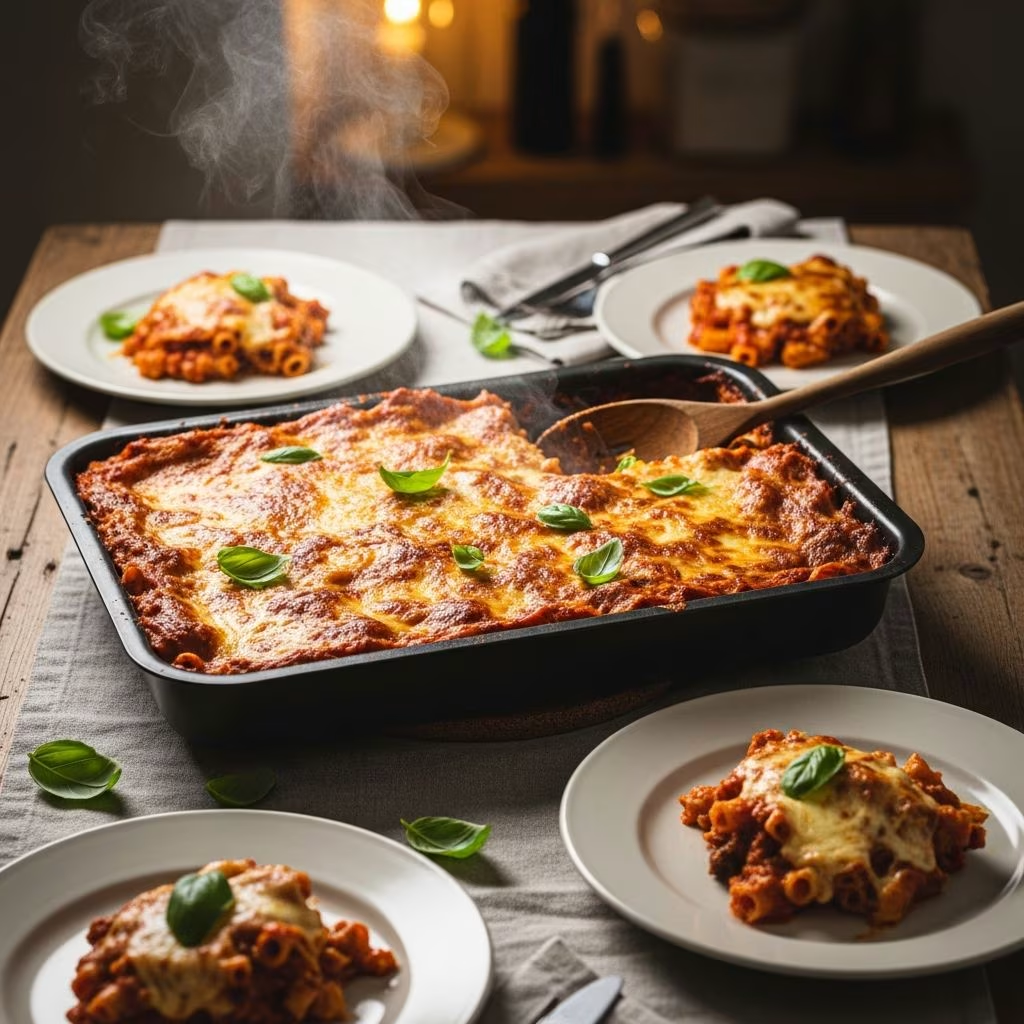
Most casserole pasta dishes bake at 350-425°F, with cooking times typically ranging from 15 to 30 minutes depending on whether the dish is covered or exposed. Covered baking creates a moist environment where cheese melts evenly and pasta becomes tender without drying. For the final appearance and texture, many recipes call for removing the cover during the last few minutes to allow the top to brown slightly.
Watch for visual cues indicating doneness: the sauce should bubble around the edges of the dish, and cheese should appear golden-brown and partially melted. Allowing the baked casserole to rest for 10-15 minutes after removing from the oven allows the structure to set, making serving and plating easier while the residual heat continues gentling the interior.
Vegetable Integration Strategies
Fresh or frozen spinach adds nutrition and subtle earthiness to casserole pasta. Sauté fresh spinach briefly to remove excess moisture before incorporating, or thaw frozen spinach and squeeze out liquid thoroughly. Roasted vegetables like zucchini, mushrooms, or bell peppers contribute additional textures and flavors. Sun-dried tomatoes, caramelized onions, or roasted garlic can elevate the dish from everyday to restaurant-quality.
Make-Ahead and Storage Advantages
Assembling your casserole the morning of service or even the day before allows flavors to meld and simplifies dinner preparation. Store the assembled dish covered with plastic wrap in the refrigerator until ready to bake. When baking a cold casserole directly from refrigeration, add 5-10 minutes to the recommended baking time to ensure the center reaches proper temperature.
Leftover portions freeze successfully for up to three months, providing convenient future meals. Thaw in the refrigerator overnight before reheating, or reheat directly from frozen at 350°F, allowing approximately 45 minutes to reach serving temperature.
Flavor Variations and Creative Adaptations
Mediterranean-Inspired Approach
Incorporate sun-dried tomatoes, olives, fresh basil, and a combination of mozzarella and feta cheese to create a Mediterranean flavor profile that transports diners to coastal Italian villages.
Cream-Based Elegance
Replace tomato sauce partially or entirely with cream-based sauces, incorporating ingredients like mushrooms, bacon, and sharp cheeses to create richness that feels more restaurant-oriented than casual weeknight dining.
Sausage-Forward Versions
Italian sausage—spicy or mild—provides significant flavor contribution that allows reduction of other seasonings. The natural oils in sausage contribute richness that makes additional fats unnecessary.
Vegetarian Excellence
Build satisfaction through multiple cheese types, substantial vegetables, and cream-based sauces rather than meat. Roasted vegetables become the stars, providing texture and nutrition that carnivorous versions might otherwise supply.
Scaling Recipes for Different Group Sizes
A standard 9×13-inch casserole serves 6-8 people comfortably as a main dish, or up to 12 as part of a larger meal. For larger crowds, simply double the recipe and use two baking dishes, or assemble multiple casseroles for sequential baking. The flexibility of this format means entertaining doesn’t require complex calculations or specialty equipment.
Professional Presentation Tips
Garnish finished casseroles with fresh basil, parsley, or oregano immediately after removing from the oven while flavors are at their peak. Allow proper resting time before serving, which creates cleaner portions and prevents the soupy appearance that sometimes results from premature serving. Consider plating individual portions on warmed plates rather than serving directly from the baking dish for a more refined presentation.
Frequently Asked Questions About Casserole Pasta
Can I Prepare This Dish in Advance?
Yes, assembly up to 24 hours ahead works well. Cover tightly and refrigerate, then add 5-10 minutes to baking time when cooking from cold.
How Do I Prevent a Dry Casserole?
Ensure adequate sauce quantity, don’t overcook pasta initially, cover the dish during most of the baking time, and don’t overbake once removed from the oven.
What If I Don’t Have All the Cheese Types Listed?
Focus on having at least two types—one that melts smoothly and one that provides sharp flavor. Mozzarella and Parmesan create a functional combination if ricotta isn’t available.
Can This Dish Be Frozen?
Assemble but don’t bake, cover tightly, and freeze for up to three months. Bake from frozen, adding 15-20 minutes to standard cooking time.
Why Is My Casserole Watery?
Excess moisture typically comes from vegetables not being adequately drained, pasta being overcooked, or sauce being too liquidy. Address these before assembly for best results.
Ingredient Sourcing and Quality Considerations
Select whole milk ricotta cheese when possible, as it provides superior creaminess compared to part-skim varieties. Fresh mozzarella can replace shredded for a more luxurious texture, though it requires different handling. Quality marinara sauce significantly impacts the final dish—premium brands or homemade versions outperform budget options. For proteins, seek out Italian sausage with balanced spice levels that complement rather than overpower other flavors.
Equipment Recommendations
Invest in quality glass or ceramic baking dishes that distribute heat evenly and allow you to monitor browning progress visually. A large mixing bowl for combining pasta and sauce components, wooden spoon for stirring without damaging pasta, and reliable oven thermometer ensure consistent results. Aluminum foil for covering during initial baking prevents over-browning while retaining moisture.
Pairing Suggestions for Complete Meals
Serve casserole pasta with simple side dishes that complement rather than compete: a crisp green salad with vinaigrette, garlic bread for additional carbohydrates, or roasted vegetables for additional nutrition. Wine pairings depend on sauce type—tomato-based versions pair well with medium-bodied reds, while cream-based casseroles suit whites with good acidity.
Conclusion: Elevating Everyday Cooking
Mastering casserole pasta preparation transforms weeknight dinner from stressful obligation into opportunity for creativity and nourishment. These forgiving dishes reward proper technique while tolerating minor variations and substitutions. Whether preparing for immediate family, special guests, or freezer stock for future convenience, the 9×13-inch casserole format delivers consistent satisfaction with minimal complexity or advanced skills.
References
- Baked Ziti with Sausage Recipe — Once Upon a Chef. Accessed April 2026. https://www.onceuponachef.com/recipes/baked-ziti-with-sausage.html
- Baked Ziti Recipe — Love and Lemons. Accessed April 2026. https://www.loveandlemons.com/baked-ziti/
- Baked Ziti Recipe — The Modern Proper. Accessed April 2026. https://themodernproper.com/baked-ziti
- How to Make the Best Baked Ziti for a Crowd — Family Savvy. Accessed April 2026. https://familysavvy.com/best-baked-ziti-for-a-crowd/