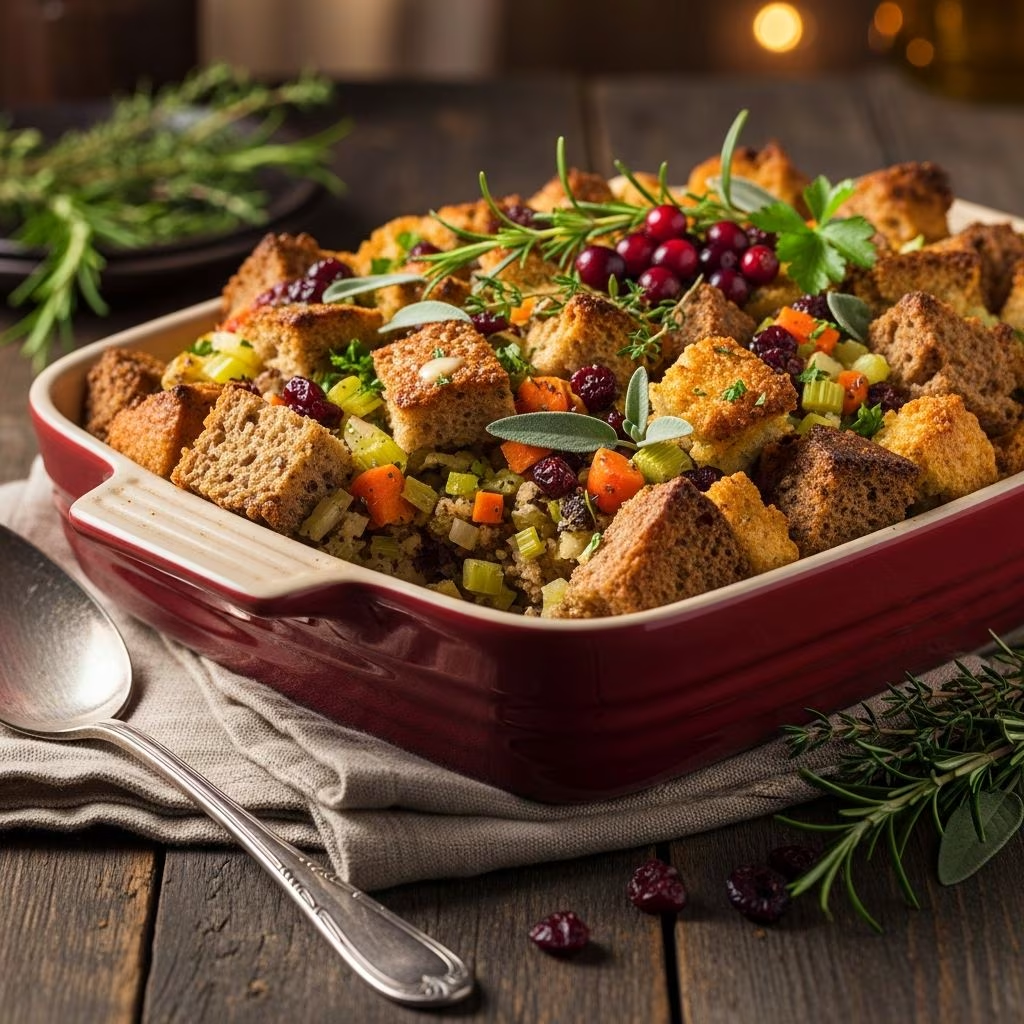
Bread stuffing stands as one of the most anticipated dishes on holiday tables across the country. This versatile side dish has become a cornerstone of family gatherings, offering comfort and tradition in every spoonful. Whether you’re preparing your first batch or perfecting a recipe you’ve made for decades, understanding the fundamentals of creating exceptional stuffing will elevate your holiday cooking.
Understanding the Foundation: What Makes Quality Stuffing
The essence of memorable stuffing lies in balancing texture, flavor, and moisture. Unlike hastily assembled dishes, proper stuffing requires attention to each component. The foundation begins with bread selection, as this single ingredient defines your final product’s character. The bread you choose will influence the overall taste profile, structural integrity, and how well your stuffing absorbs the flavorful broths and aromatics that bind everything together.
Quality stuffing combines several essential elements working in harmony. You’ll need a robust bread base, aromatic vegetables that provide depth, carefully selected seasonings, binding agents like eggs, and sufficient liquid to create that desirable moist texture without turning the dish into mush. Each component serves a specific purpose in the finished dish.
Selecting and Preparing Your Bread Base
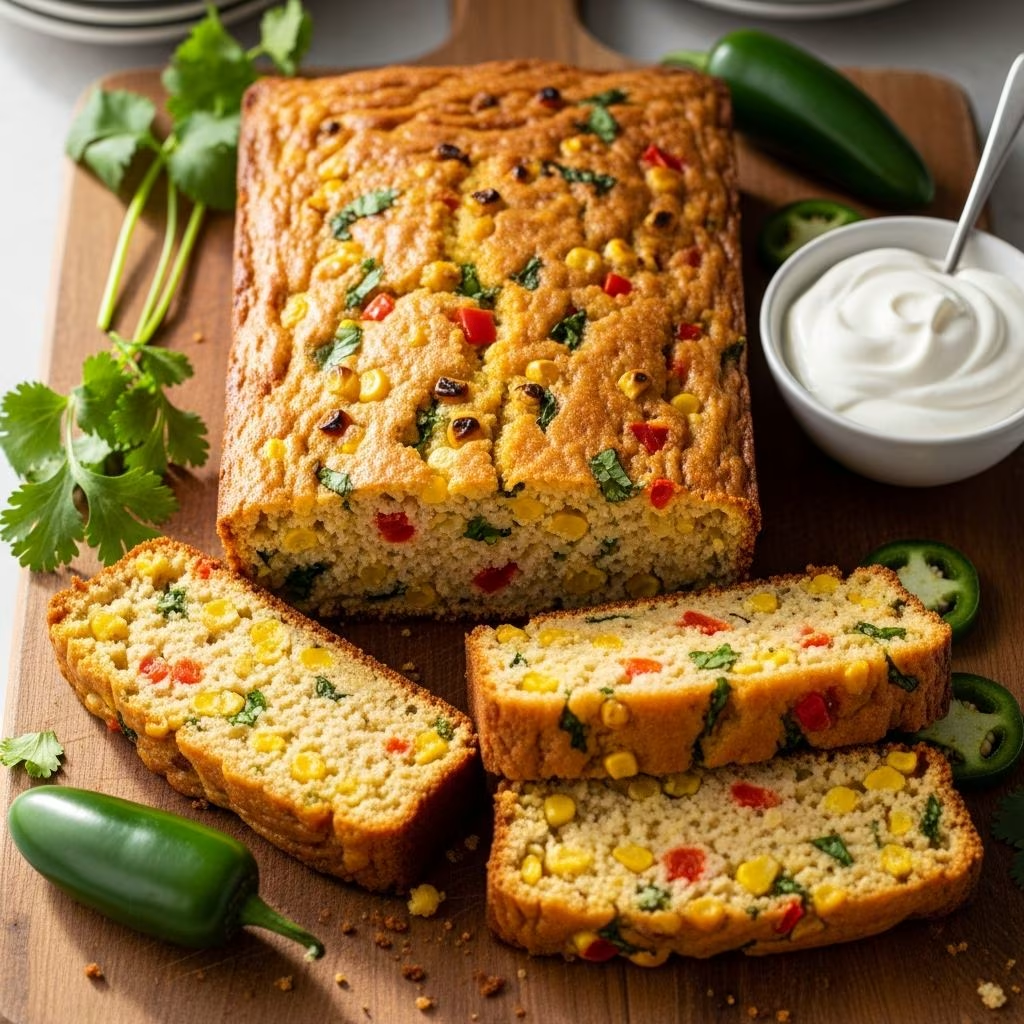
The bread you select as your foundation deserves careful consideration. Different bread types contribute distinct characteristics to your final stuffing. A sturdy white bread offers a neutral canvas that allows other flavors to shine. Whole grain varieties introduce subtle nutty undertones. Sourdough contributes tanginess and complexity. Cornbread adds richness and a slightly sweet dimension that many find particularly appealing during the holidays.
Once you’ve chosen your bread, proper preparation becomes critical. Stale bread works better than fresh bread because it absorbs liquid more effectively while maintaining structure. You can either purchase pre-dried bread cubes or prepare your own by cutting bread into cubes and allowing them to sit uncovered for a day or two. If you’re short on time, you can cube fresh bread and bake it at a low temperature until completely dried. The cubes should be uniform in size so they cook evenly and create a consistent texture throughout your finished dish.
The Aromatic Vegetable Base: Building Flavor Depth
Aromatic vegetables form the flavor foundation upon which all other ingredients build. The traditional trio of onions, celery, and carrots creates a flavor profile that’s been perfected over generations. Begin by dicing these vegetables into uniform pieces so they cook at the same rate and provide consistent texture in your finished stuffing.
Sauté these vegetables in butter until they become tender and fragrant. This cooking process softens the vegetables and allows their natural sugars to caramelize slightly, deepening their flavor. The butter also carries fat-soluble flavors that will distribute throughout your entire dish. Watch the vegetables carefully during this stage—they should become softened and translucent but shouldn’t brown excessively, as this can create burnt flavors.
Some cooks enhance this vegetable base with additional ingredients. Bell peppers add sweetness and color. Mushrooms contribute earthiness and umami depth. Garlic provides pungent aromatics. Leeks offer mild onion flavor with greater subtlety than regular onions. Experiment with what appeals to your palate, always remembering that aromatics should complement rather than overpower the bread and herbs.
Herbs and Seasonings: Crafting the Flavor Profile
Seasonings transform simple bread and vegetables into a dish worthy of centerpiece status. The most successful stuffing recipes employ both fresh and dried herbs, using each type strategically for maximum impact.
Fresh herbs like parsley, sage, and thyme provide bright, vivid flavors that dried herbs cannot replicate. Fresh herbs should be added near the end of preparation to preserve their delicate qualities. Dried herbs like oregano, marjoram, and poultry seasoning blends offer concentrated flavors that distribute evenly throughout the dish. These should be mixed with your bread cubes early so their flavors infuse the entire mixture.
The basic seasoning foundation includes salt, black pepper, and poultry seasoning. From this foundation, you can adjust according to preference. Some cooks add ground sage for earthiness, turmeric for color, or paprika for subtle smokiness. Ground thyme, oregano, and marjoram each bring their own character to the dish. The key is tasting as you go, adjusting seasonings incrementally until you achieve the flavor balance you desire.
Binding Ingredients: Creating Structure and Moisture
The liquid components of your stuffing determine whether the final dish is perfectly moist or regrettably dry. Chicken broth serves as the primary moistening agent, providing savory flavor while hydrating the bread cubes. The amount of broth you add requires judgment—you want enough to thoroughly moisten the mixture without creating a soupy consistency that lacks textural contrast.
Eggs function as a binder, helping all ingredients cohere into a cohesive dish rather than a loose collection of components. Lightly beaten eggs distribute throughout the mixture, and as they cook, they set the structure of your stuffing. This is why many recipes call for whisking eggs separately before adding them to the bread mixture.
Butter adds richness and helps create a golden, slightly crispy top layer when drizzled over the assembled mixture before baking. The combination of butter, eggs, and broth creates a luxurious texture that distinguishes homemade stuffing from boxed alternatives.
Assembly and Preparation Techniques
Proper assembly follows a logical sequence that ensures even distribution of all ingredients. Begin by placing your dried bread cubes in a large bowl. Add the cooled sautéed vegetables, along with all dried herbs and seasonings. Toss this mixture thoroughly so seasonings distribute evenly.
Gradually add your broth while continuing to toss. Adding liquid slowly allows you to reach the precise moisture level you desire. You’re looking for a mixture that holds together when pressed but still has some texture and definition—not a dense, wet paste. This is where personal preference comes into play; some prefer their stuffing moister, while others like it with a bit more bite.
Once you’ve achieved the desired consistency, pour the mixture into your prepared baking dish. At this point, you can drizzle melted butter over the top and cover it with foil, or you can refrigerate it until you’re ready to bake. Many cooks appreciate the flexibility of assembling stuffing the night before, allowing the flavors to meld while simplifying the holiday cooking schedule.
Baking Guidelines for Perfect Results
Baking temperature and timing significantly impact your final results. Most stuffing recipes call for baking at 350 to 375 degrees Fahrenheit. The slightly lower temperature allows the interior to heat through thoroughly while the top develops a gentle golden color. Higher temperatures risk burning the top before the interior reaches the proper temperature.
Baking time typically ranges from 30 to 45 minutes, depending on the depth of your dish and the starting temperature. If you’ve assembled your stuffing ahead and refrigerated it, add several extra minutes to account for the colder starting temperature. Cover your dish with foil for most of the baking time to retain moisture, then remove the foil during the final 10 to 15 minutes to allow the top to brown lightly.
The stuffing is done when the edges appear golden and the liquid has been mostly absorbed. The center should feel hot when tested with a fork, and you should hear a slight sizzle when you insert a utensil into the mixture.
Customization and Variation Ideas
While traditional stuffing follows time-honored formulas, creative variations allow you to personalize your dish. Consider these approaches to make stuffing uniquely yours:
- Add crispy bacon pieces for smoky richness and textural contrast
- Include sautéed mushrooms for earthy umami depth
- Incorporate dried fruits like cranberries or apricots for subtle sweetness
- Stir in toasted nuts such as pecans or walnuts for crunch
- Mix in sautéed ground sausage for added protein and flavor
- Include fresh herbs like thyme or rosemary for aromatic complexity
- Add oysters or clams for coastal elegance
Solving Common Stuffing Challenges
Dry Stuffing: If your finished dish turns out dry, you likely added insufficient broth. Next time, add liquid more generously. Remember that bread continues releasing moisture during baking, so what seems wet initially may become perfectly moist after baking.
Soggy or Mushy Texture: Excessive moisture creates an undesirable mushy consistency. Use stale bread rather than fresh, and add broth gradually, stopping before you think you have enough. The residual moisture from vegetables will contribute additional hydration during cooking.
Uneven Cooking: If some areas cook faster than others, ensure your vegetable pieces are uniform in size. Also, arrange your baking dish so it cooks evenly in your oven, rotating it midway through baking if needed.
Bland Flavor: Taste your mixture before baking and adjust seasonings as needed. Salt, in particular, can be corrected easily before baking, but much harder afterward. Don’t be shy with herbs and seasonings—they need sufficient quantity to shine through.
Make-Ahead Strategies for Stress-Free Cooking
One of stuffing’s greatest advantages is its make-ahead potential. You can prepare it the evening before, covering it tightly and refrigerating until you’re ready to bake. This advance preparation allows flavors to develop and meld, potentially improving the final product.
If you assemble stuffing ahead, remove it from the refrigerator 30 minutes before baking to allow it to come closer to room temperature. This reduces baking time and promotes more even cooking. Alternatively, you can bake it directly from the refrigerator, simply adding extra time to the baking duration.
For even greater convenience, prepare extra batches in freezer-safe containers. Unbaked stuffing keeps well in the freezer for up to three months. Thaw it in the refrigerator overnight before baking, following the same instructions as freshly prepared stuffing. Having frozen stuffing on hand means you can serve this beloved side dish alongside roasted chicken or pork chops any time you desire, extending enjoyment far beyond the holiday season.
Frequently Asked Questions
Can I use fresh bread instead of dried?
Fresh bread can be used, though it requires adjustment. Fresh bread absorbs liquid differently and may result in a mushier texture. If using fresh bread, reduce the liquid slightly and consider drying the bread cubes first by spreading them on a baking sheet and baking at 250 degrees for 30 minutes.
What type of broth works best?
Chicken broth is the traditional choice and provides neutral flavor that complements most ingredients. Turkey broth offers similar results with a slightly deeper flavor. Vegetable broth works well for vegetarian versions. Homemade broth generally produces superior results compared to store-bought versions, though quality commercial broths work adequately.
Can stuffing be made gluten-free?
Yes, substitute gluten-free bread for traditional bread, maintaining the same bread-to-liquid ratio. Gluten-free bread often absorbs liquid differently, so adjust broth gradually until you reach the desired consistency. The baking time and temperature remain unchanged.
How far in advance can I make stuffing?
You can assemble unbaked stuffing up to 24 hours ahead, keeping it covered in the refrigerator. You can also freeze prepared stuffing for up to three months. Baked stuffing keeps refrigerated for three to four days and can be reheated at 325 degrees covered with foil.
Should I stuff the turkey with this mixture?
Yes, you can use this mixture to stuff a turkey, though safety guidelines recommend maintaining proper food safety temperatures. Stuff the turkey loosely immediately before roasting, ensuring the stuffing reaches 165 degrees Fahrenheit. Many cooks prefer baking stuffing separately for better texture and more reliable food safety.
Final Thoughts on Creating Memorable Stuffing
Mastering the art of stuffing preparation opens doors to creating dishes that become part of your family’s holiday traditions. The beauty of this classic side dish lies in its combination of simplicity and potential for personalization. Whether you follow traditional recipes precisely or develop your own signature version, the principles remain consistent: quality ingredients, proper technique, and thoughtful seasoning create stuffing that transcends its humble origins.
The next time you prepare this beloved dish, remember that each component—from the bread you select to the herbs you incorporate—contributes to the final experience. By understanding why each ingredient matters and how preparation techniques affect results, you’ll approach stuffing-making with confidence and creativity. Your guests will appreciate the care and thought that goes into this essential holiday contribution.
References
- Old Fashioned Thanksgiving Dressing Recipe — Oh, That’s Good. Accessed April 2026. https://ohthatsgood.com/old-fashioned-thanksgiving-dressing-recipe/
- Grandma’s Thanksgiving Dressing – Simple Classic Recipe — Hostess at Heart. Accessed April 2026. https://hostessatheart.com/thanksgiving-dressing/
- Best Thanksgiving Dressing Recipe — The Pioneer Woman. Accessed April 2026. https://www.thepioneerwoman.com/food-cooking/recipes/a11893/thanksgiving-dressing-recipe/