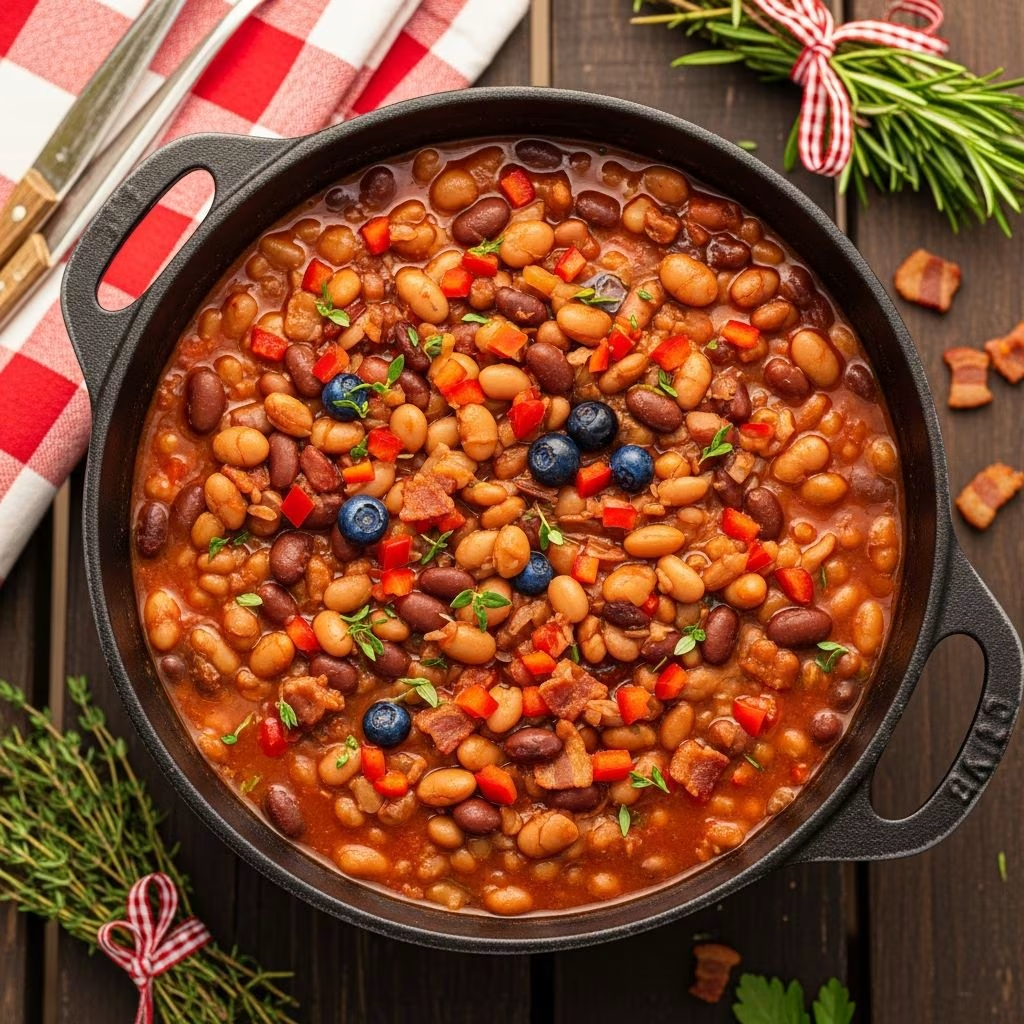
When it comes to outdoor celebrations and holiday gatherings, few side dishes command as much attention and appreciation as a perfectly prepared batch of baked beans. This beloved comfort food has secured its place on American tables for generations, evolving from simple preparations to the sophisticated flavor combinations we know today. Whether you’re planning a backyard cookout, attending a community picnic, or hosting a holiday gathering, understanding the fundamentals of bean preparation can elevate your culinary reputation and ensure your contribution to the table is memorable.
Why Baked Beans Deserve a Spot at Your Table
Baked beans represent more than just a side dish; they embody tradition, comfort, and culinary practicality. This dish works exceptionally well because it can be prepared in advance, actually improving in flavor when made a day ahead. The long cooking process allows ingredients to meld together, creating a depth of flavor that simple preparations cannot achieve. Additionally, baked beans accommodate a wide range of dietary preferences and ingredient modifications, making them an inclusive choice for diverse gatherings.
The versatility of baked beans extends to their ability to complement virtually any barbecue menu item. Whether served alongside grilled meats, vegetarian options, or as a standalone protein source, these beans adapt seamlessly to any culinary context. Their hearty nature provides satiation while remaining light enough not to overshadow other dishes on the table.
Essential Components: Building Blocks for Exceptional Flavor
Selecting Your Bean Foundation
The foundation of any baked bean recipe begins with choosing quality canned beans. While traditionally pork and beans serve as the starting point, modern interpretations embrace variety. Vegetarian baked beans offer an excellent alternative that delivers similar flavor profiles without meat products. Black beans, pinto beans, and butter beans each bring unique characteristics to the final dish. When selecting beans, consider whether you prefer them to maintain firmness throughout cooking or break down slightly for a creamier consistency.
Aromatics and Flavor Builders
Onions and bell peppers form the aromatic foundation that gives baked beans their characteristic depth. These vegetables should be diced finely, allowing them to distribute evenly throughout the mixture and soften completely during the cooking process. The choice between yellow onions, sweet onions, or shallots depends on your preference for intensity—yellow onions provide boldness, while sweet varieties offer subtlety. Green bell peppers are traditional, but red and yellow peppers introduce sweetness and visual interest to your finished dish.
Smoky and Sweet Elements
Bacon represents a transformative ingredient that adds smokiness and umami richness that transforms basic beans into something memorable. Partially cooking bacon before adding it to the beans ensures it achieves proper crispness while imparting its fat and flavor throughout the dish. For those avoiding pork, smoked paprika or chipotle powder can replicate the desired smoky character convincingly.
Brown sugar provides sweetness and helps create the characteristic syrupy consistency baked beans are known for. The amount should balance with acidic and savory elements, creating harmony rather than cloyingness. This sweetness becomes even more important when using vegetarian varieties, as the pork fat traditionally found in canned pork and beans contributes richness that must be compensated for elsewhere.
Flavor Development Through Complementary Ingredients
Acidic Components
Vinegar plays a crucial role in balancing the sweetness inherent in baked beans. Apple cider vinegar provides a fruity note, while distilled vinegar offers straightforward acidity. The quantity should be carefully measured—enough to brighten the overall flavor without creating sourness. This acidic element prevents the dish from becoming cloying and adds complexity that keeps diners reaching for another spoonful.
Umami and Depth
Barbecue sauce serves as both a binder and a flavor amplifier. Quality barbecue sauce brings its own spice blends, smokiness, and depth that work synergistically with other ingredients. Mustard—whether yellow, Dijon, or whole grain varieties—contributes sharp, cutting notes that prevent the overall flavor profile from becoming one-dimensional. These condiments might seem simple, yet they fundamentally transform the beans from basic to exceptional.
Optional Heat and Complexity
For those seeking additional dimension, smoked paprika adds smoky flavor without heat, while chipotle chili powder introduces both smokiness and gradual warmth. These optional additions allow customization based on your guests’ preferences and your regional cooking traditions.
Preparation Methods: From Start to Finish
Initial Setup
Begin by preheating your oven to the appropriate temperature, typically between 325°F and 400°F depending on your recipe and desired cooking time. While the oven reaches temperature, prepare your vegetables, cooking bacon to the correct doneness, and gathering all ingredients in one convenient location. This organization prevents cooking interruptions and ensures steady progression through the recipe.
Sautéing and Developing Flavors
Many superior baked bean recipes begin by cooking bacon until it achieves a specific level of crispness, then using the rendered fat to sauté vegetables. This step creates a flavorful base before beans are introduced. The vegetables soften during this sautéing process, allowing their flavors to bloom and merge with the bacon fat. This foundation stage, though sometimes skipped in simpler recipes, significantly enhances the final dish.
Combining and Balancing
Once vegetables have softened, add your liquid seasonings—barbecue sauce, vinegar, mustard—and stir thoroughly to combine. At this point, taste and adjust seasonings before adding beans. This approach allows you to balance flavors without bean interference, ensuring every element achieves proper proportion. Bringing the mixture to a simmer before adding beans can help meld flavors more effectively.
The Final Cooking Stage
Baked beans typically cook uncovered for 60 minutes to 2 hours, depending on your recipe and oven. During this extended cooking, the beans continue absorbing flavors while the cooking liquid reduces and thickens. Some recipes suggest stirring halfway through cooking to ensure even distribution and prevent sticking. The finished beans should achieve a syrupy consistency similar to pancake syrup—thick enough to coat a spoon but still holding liquid.
Temperature and Timing Considerations
| Oven Temperature | Cooking Time | Best For |
|---|---|---|
| 325°F | 1.5-2 hours | Low and slow cooking for maximum flavor development |
| 350°F | 1-1.5 hours | Balanced approach suitable for most home kitchens |
| 375°F | 45-60 minutes | Quicker preparation for time-conscious cooks |
| 400°F | 30-35 minutes | Expedited cooking when time is limited |
Making Baked Beans Ahead: Strategic Timing
One of the greatest advantages of baked beans is their ability to be prepared in advance. Many experienced cooks recommend making beans the day before your gathering. This advance preparation allows flavors to meld overnight, actually improving the final result. Simply reheat gently before serving, adding liquid if the mixture has thickened excessively during storage.
Alternatively, you can prepare beans completely, then refrigerate them in a covered container for up to three days. When ready to serve, transfer to your baking dish and reheat covered at 350°F for approximately 20-30 minutes, stirring occasionally until heated through. This flexibility transforms baked beans into an ideal make-ahead dish for busy entertaining schedules.
Customization for Different Preferences and Dietary Needs
Vegetarian and Vegan Adaptations
Creating vegetarian baked beans requires replacing bacon’s smokiness and fat with alternative ingredients. Smoked paprika, liquid smoke, or chipotle peppers effectively replicate the desired smokiness. Vegetable oil or olive oil can substitute for bacon fat when sautéing vegetables. Vegetarian canned baked beans already contain added ingredients, but you maintain complete control over additional seasonings and smoke elements. Many home cooks find vegetarian versions equally satisfying when properly seasoned.
Heat Level Modifications
For guests who prefer mild flavors, reduce or eliminate chipotle powder and hot sauce ingredients. Conversely, those enjoying spicier foods can increase heat elements or add jalapeño peppers. The beauty of baked beans lies in their flexibility—you can create multiple small batches with varying heat levels, or provide hot sauce on the side for individual customization.
Texture Preferences
Some diners prefer beans that remain intact and firm, while others appreciate a slightly creamier consistency where some beans have begun breaking down. Cooking time directly affects texture—shorter cooking preserves bean integrity, while extended cooking creates softer results. Understanding your guests’ preferences helps you time cooking appropriately.
Frequently Asked Questions About Baked Bean Preparation
Can I use dried beans instead of canned?
Yes, though the process requires advance planning. Soak dried beans overnight, then cook until tender before incorporating into your recipe. This approach offers superior flavor control but requires significantly more preparation time than using canned varieties.
What should I do if my baked beans become too thick?
Add small amounts of beef broth, vegetable broth, or water while stirring. Add liquid gradually to avoid over-thinning. Remember that beans continue thickening as they cool, so slightly looser consistency while hot remains appropriate.
How should I store leftover baked beans?
Transfer cooled beans to an airtight container and refrigerate for up to four days. Baked beans also freeze successfully for up to three months. Thaw overnight in the refrigerator before reheating gently on the stovetop or in the oven.
Can baked beans be made in a slow cooker?
Absolutely. Combine all ingredients in your slow cooker and cook on low for 6-8 hours or on high for 3-4 hours. The slow cooking method produces exceptionally tender beans with well-developed flavors, though you sacrifice some thickening of the cooking liquid.
Serving Suggestions and Pairings
Baked beans complement grilled proteins beautifully, working equally well alongside beef brisket, pulled pork, grilled chicken, or vegetable kebabs. Their sweetness and richness balance smoky and charred flavors from the grill. Serve in individual bowls or a large communal dish with serving spoons, allowing guests to portion according to preference.
Consider topping with additional crispy bacon pieces, fresh herbs like chives or parsley, or a drizzle of spicy oil for visual interest and textural contrast. These finishing touches elevate the presentation while adding fresh flavor elements.
Conclusion: Elevating a Timeless Dish
Mastering baked beans transforms a simple side dish into a showcase for your culinary skills and attention to detail. By understanding the role of each ingredient, respecting proper cooking techniques, and allowing adequate time for flavor development, you create a dish that guests will remember fondly. Whether you follow a traditional recipe or develop your own signature version, baked beans remain a versatile, forgiving, and ultimately rewarding addition to any gathering. Start with these fundamentals, taste thoughtfully, adjust seasonings confidently, and develop your own approach to this enduring American classic.
References
- Southern Baked Beans Recipe — Grand Baby Cakes. Accessed 2026. https://grandbaby-cakes.com/southern-baked-beans/
- The Best Baked Beans Ever — The Pioneer Woman. Accessed 2026. https://www.thepioneerwoman.com/food-cooking/recipes/a9890/the-best-baked-beans-ever/
- Saucy, Smoky Baked Beans — How Sweet Eats. Accessed 2026. https://www.howsweeteats.com/2020/05/baked-beans/
- Funeral Beans Recipe — Food.com. Accessed 2026. https://www.food.com/recipe/funeral-beans-498348