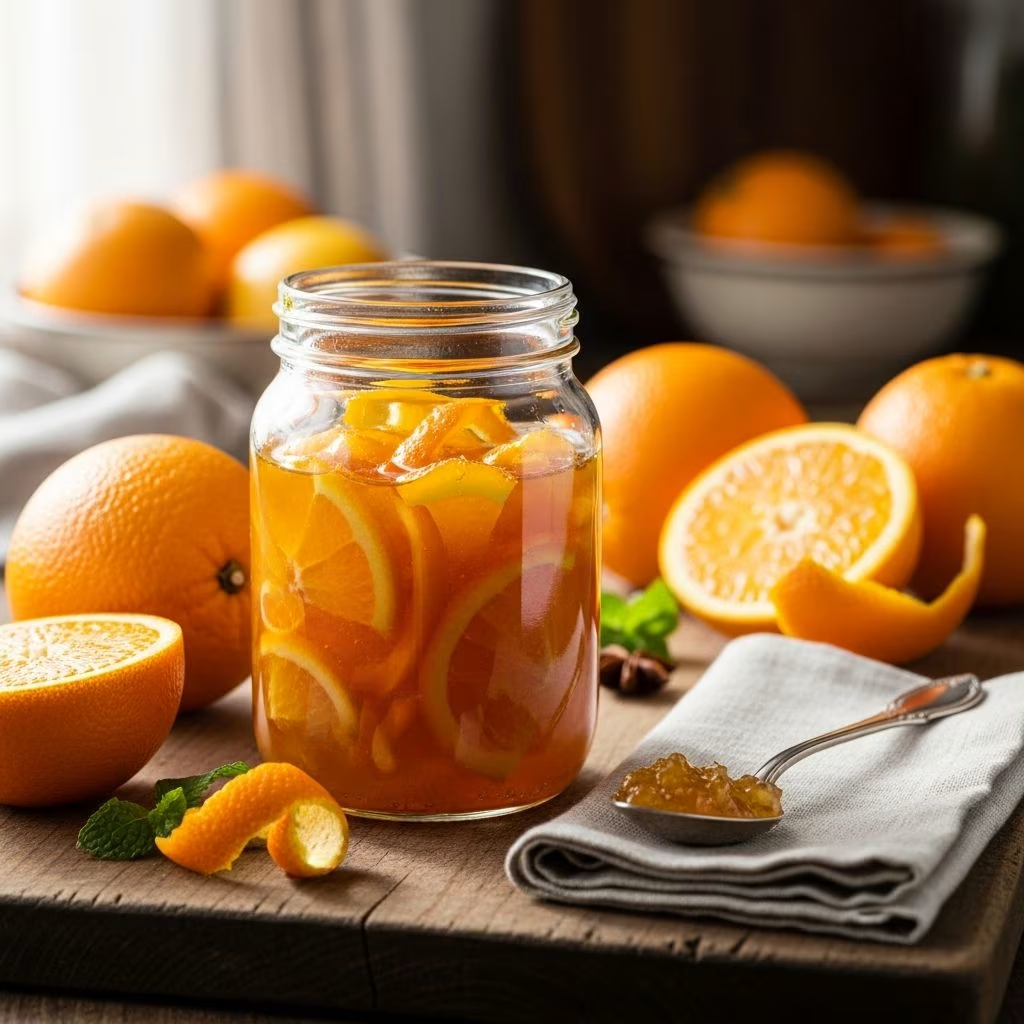
Orange marmalade stands as a cherished preserve, blending the vibrant tang of citrus with a subtle sweetness that captivates palates worldwide. This guide explores everything from selecting the finest oranges to mastering the cooking process, ensuring your batches achieve that ideal balance of bitter and sweet. Whether you’re a novice preserver or a seasoned cook, these insights will empower you to create jars of golden goodness right in your kitchen.
Why Choose Homemade Over Store-Bought
Opting for homemade marmalade allows complete control over ingredients, resulting in a fresher, more flavorful product without artificial additives. The process highlights the natural pectin in orange peels, which naturally thickens the spread, eliminating the need for commercial pectin powders. Home versions often feature thinner rinds and brighter flavors, customizable to your taste—less sugar for a tart profile or added spices for complexity.
Financially, it’s rewarding: a few pounds of citrus yield multiple jars at a fraction of grocery store prices. Plus, the satisfaction of gifting or stocking your pantry with vibrant preserves adds personal value.
Selecting the Best Citrus for Superior Results
The foundation of exceptional marmalade lies in quality fruit. Prioritize organic oranges to avoid pesticide residues on the peels, which are integral to the recipe. Thin-skinned varieties like navel, Seville, Cara Cara, blood oranges, or mandarins work best, minimizing tough pith that can introduce unwanted bitterness.
- Navel Oranges: Mild, sweet flesh with easy-to-process peels; ideal for beginners.
- Seville Oranges: Classic choice for traditionalists, offering sharp bitterness and high pectin content.
- Blood Oranges: Add a stunning ruby hue and berry-like notes.
- Mandarins or Tangerines: Smaller sizes for quicker prep, with a juicy, aromatic twist.
Incorporate one lemon per batch for its acidity, which enhances setting and brightens flavors. Wash all fruit meticulously, scrubbing peels to remove wax.
Preparation Techniques: From Whole Fruit to Puree
Begin by trimming ends from oranges to expose the pith. Halve each fruit, then quarter for manageable pieces. Remove seeds, as they contain excess bitterness. For texture control, pulse in a food processor until rinds form fine shreds—neither too chunky nor pasty.
Alternative methods include finely chopping by hand for rustic appeal or blanching peels multiple times to reduce bitterness, as in techniques inspired by culinary experts. This involves boiling rind strips in fresh water changes, draining each time, to mellow harsh notes while preserving pectin.
| Method | Pros | Cons | Best For |
|---|---|---|---|
| Food Processor | Quick, uniform texture | May over-process if not careful | Beginners |
| Hand Chopping | Rustic chunks, full control | Time-intensive | Texture enthusiasts |
| Blanching Peels | Reduces bitterness effectively | Extra steps | Bitter-averse palates |
Core Ingredients and Their Roles
A basic recipe requires just four elements: oranges (2-4 pounds), lemon (1), water (2-4 cups), and sugar (equal to fruit weight). Sugar not only sweetens but aids preservation and gel formation. Use granulated white sugar for clarity; some experiment with low-sugar versions relying solely on fruit pectin.
- Water: Softens rinds and extracts pectin during initial simmer.
- Lemon: Provides acid to activate pectin and prevent crystallization.
- Sugar: Balances bitterness; add gradually to avoid over-sweetening.
For variations, introduce grapefruit for extra tartness or cinnamon for warmth.
Step-by-Step Cooking Process
The magic unfolds in stages. Combine prepared fruit with water in a large pot. Simmer gently to soften rinds and draw out pectin—some methods advocate an overnight soak for optimal results, mellowing flavors and ensuring a firm set.
- Initial Simmer: Bring to a boil, then reduce to low for 20-60 minutes until volume halves. Cover if soaking overnight.
- Add Sugar: Stir in sugar over medium heat until dissolved, preventing graininess.
- Rapid Boil: Increase heat for 15-35 minutes, stirring frequently to reach 220°F (setting point).
- Test Doneness: Chill a plate in freezer; drop marmalade on it—if it wrinkles when pushed, it’s ready.
Skim foam for clarity. Pour into sterilized jars, seal, and process in a water bath for long-term storage.
Troubleshooting Common Pitfalls
Runny marmalade? Extend boiling or ensure sufficient pectin extraction via soaking. Too bitter? Blanch peels thrice or select thinner skins. Crystallized sugar signals insufficient acid—add more lemon next time.
- Soft Set: Reboil with lemon juice.
- Dark Color: Lower heat to prevent caramelization.
- Separated Layers: Stir vigorously during final boil.
Storage, Shelf Life, and Safety
Properly canned marmalade lasts 12-18 months in a cool pantry. Refrigerate after opening for up to 3 weeks. Always use tested recipes to avoid botulism risks—acidic preserves like this are safe when processed correctly.
Creative Ways to Enjoy Orange Marmalade
Beyond toast, elevate dishes with marmalade’s versatility:
- Savory Glazes: Brush on pork chops or chicken during roasting for caramelized shine.
- Baking: Swirl into muffins, scones, or thumbprint cookies.
- Yogurt Parfaits: Layer with oats and nuts for breakfast bowls.
- Cheese Pairings: Serve with brie or cheddar on crackers.
- Cocktails: Muddle into whiskey sours for citrus depth.
Recipe Variations for Every Taste
Classic Navel Orange Marmalade
Yield: 6 half-pint jars | Prep: 10 min | Cook: 35 min
- 2 lbs navel oranges
- 1 lemon, zested and juiced
- 4 cups water
- 4 cups sugar
Pulse oranges, simmer with water/lemon 30 min, add sugar, boil to set.
Overnight Soak Method
Chop 2 large oranges + 1 lemon, simmer briefly with 2 cups water, soak 24 hours, then reduce and add 2 cups sugar.
Low-Sugar Citrus Blend
2 oranges + lemon juice + cinnamon pinch + 2 cups sugar. Boil rinds first.
Frequently Asked Questions
Can I use any orange type?
Yes, though thin-skinned, high-pectin varieties yield best results.
How do I know when it’s set?
Use the frozen plate test: it should form a soft gel that wrinkles.
Is canning necessary?
For pantry storage, yes; fridge lasts weeks unprocessed.
Can I reduce sugar?
Possible with natural pectin, but test small batches.
Why is my marmalade bitter?
Thick pith or insufficient blanching; adjust next time.
Advanced Tips from Seasoned Preservers
Measure fruit weight before peeling for precise sugar ratios. Use a wide pot for faster evaporation. For gifts, decorate jars with fabric tops. Experiment seasonally—pair with ginger in winter or herbs in summer.
References
- Orange Marmalade – Tastes Better From Scratch — Tastes Better From Scratch. 2023-01-15. https://tastesbetterfromscratch.com/orange-marmalade/
- Easy Orange Marmalade – Gemma’s Bigger Bolder Baking — Bigger Bolder Baking. 2022-05-20. https://www.biggerbolderbaking.com/easy-orange-marmalade/
- Orange Marmalade Recipe (Orange Jam) – Mon Petit Four — Mon Petit Four. 2021-11-10. https://www.monpetitfour.com/orange-marmalade-recipe/