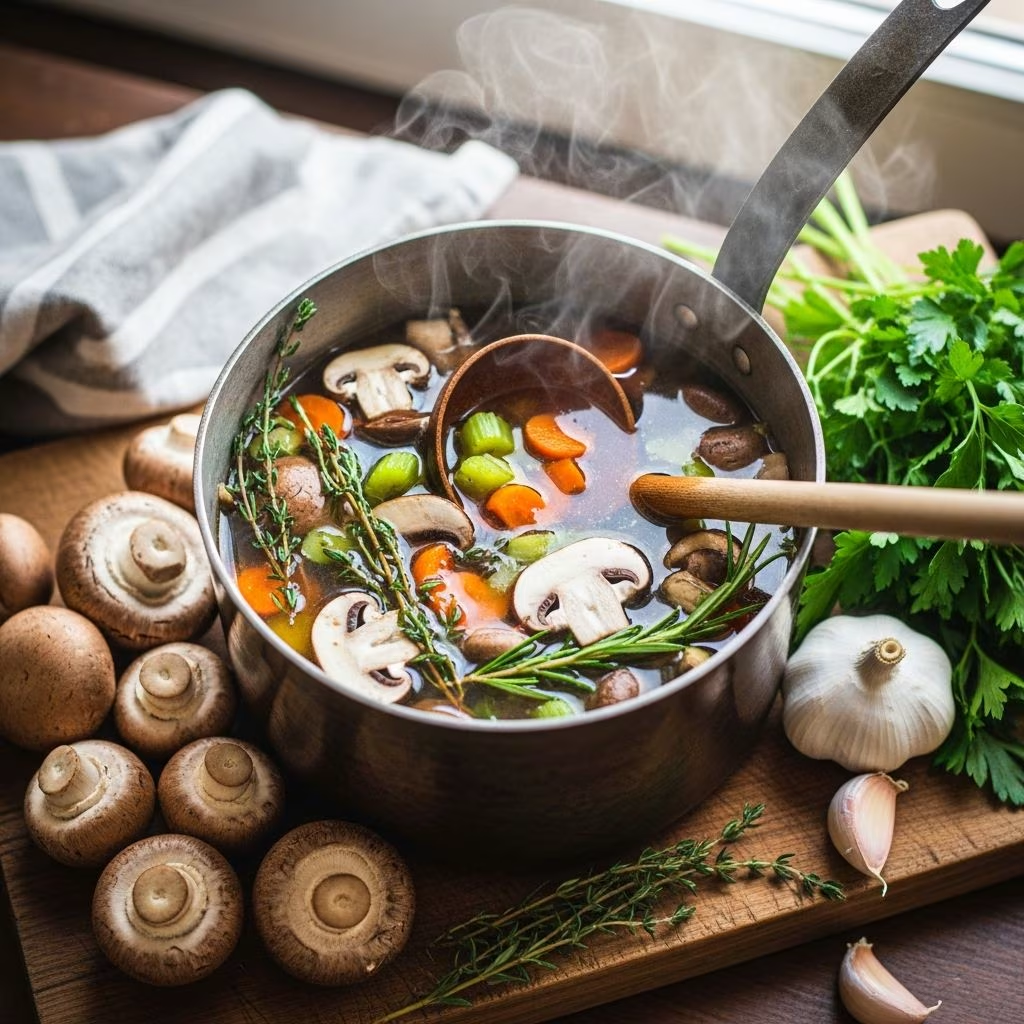
Mushroom broth stands as one of the most versatile and flavorful foundations in contemporary cooking. This savory liquid, infused with the deep umami characteristics of various mushroom varieties, serves as an exceptional base for soups, risottos, sauces, and countless other dishes. Creating mushroom broth at home is a straightforward process that yields remarkable results, transforming simple ingredients into a culinary treasure that elevates everything it touches. Understanding the fundamentals of broth-making empowers home cooks to produce restaurant-quality stocks without the expense or processed additives found in commercial versions.
Understanding Mushroom Broth and Its Culinary Significance
Mushroom broth represents a plant-based stock that captures the essence of umami—that savory, mouth-filling sensation that enriches dishes with depth and complexity. Unlike traditional meat-based broths, mushroom variations offer vegetarians and vegans a profound alternative that doesn’t sacrifice flavor intensity. The combination of fresh and dried mushroom varieties creates a nuanced profile that works seamlessly across diverse cuisines and cooking applications.
The beauty of homemade mushroom broth lies in its adaptability. Cooks can customize the recipe based on available ingredients, flavor preferences, and the specific dishes they plan to prepare. A broth intended for Asian noodle soups differs slightly from one destined for European risotto, and understanding these distinctions helps maximize the final product’s potential.
Selecting and Preparing Your Ingredients
Mushroom Varieties and Their Characteristics
The foundation of exceptional mushroom broth begins with thoughtful mushroom selection. Different varieties contribute distinct flavor profiles that collectively create a more complex and satisfying end product.
- Cremini mushrooms offer an earthy, mild flavor and represent an excellent everyday option. Their firm texture holds up well during extended simmering without breaking apart completely.
- Shiitake mushrooms contribute a deeper, more pronounced umami quality. Both fresh specimens and their stems—often discarded in other applications—work beautifully in broth.
- Porcini mushrooms in dried form deliver concentrated, woodsy notes that intensify the overall flavor profile. A relatively small quantity imparts significant impact.
- Portobello mushrooms provide substantial, meaty characteristics that create body and richness in the finished broth.
- Baby bella mushrooms combine attributes of cremini and portobello varieties, offering balanced flavor without overpowering other components.
Fresh mushrooms bring immediate flavor, while dried varieties concentrate and intensify their essence. The most successful broths typically incorporate both forms, as each contributes unique dimensions to the final product.
Supporting Vegetable Components
Beyond mushrooms, several aromatics and vegetables create the broth’s foundational flavor structure. Onions serve as the primary aromatic base, with their natural sweetness caramelizing during cooking to develop deeper, more complex notes. Carrots add subtle sweetness and mild earthy undertones, while celery introduces savory, slightly peppery characteristics. Garlic contributes pungent, sharp notes that round out the overall flavor composition.
Many recipes incorporate onion skins, which add color and additional flavor layers to the finished broth. If using this technique, ensure onions are thoroughly cleaned before separating their papery outer layers. Some preparations include charring onion halves in a hot skillet, a step that develops caramelized notes and adds visual appeal through golden-brown coloring.
Aromatics and Seasoning Elements
Bay leaves, fresh thyme, and parsley stems contribute aromatic complexity that distinguishes homemade broth from simpler preparations. Black peppercorns add gentle heat and spice. Some recipes include fresh ginger for warmth and subtle sweetness, while others incorporate kombu (kelp) or tamari to enhance umami depth further. White wine introduces acidity and additional flavor dimensions when included in the recipe.
Step-by-Step Broth-Making Process
The Traditional Stovetop Method
Creating mushroom broth using conventional stovetop techniques allows maximum control over the cooking process and flavor development. Begin by heating olive oil in a large stockpot over medium heat. Add the onions, carrots, celery, and garlic, allowing these ingredients to soften and develop color through gentle cooking. This initial sauté, typically requiring five to seven minutes, builds the foundational flavor base.
Once the vegetables have begun to soften and release their aromatics, add the fresh mushrooms directly to the pot. Stir gently to combine, and allow the mixture to cook for several additional minutes. This period permits the mushrooms to begin releasing their flavorful liquid and creates a concentrated base before adding water.
If including white wine, add it at this stage and allow it to simmer until nearly completely reduced, typically ten to fifteen minutes. This reduction process concentrates the wine’s flavor while cooking off most alcohol content. Following the wine reduction, pour in water or vegetable stock, then add bay leaves, thyme sprigs, black peppercorns, and any dried mushrooms. Bring the mixture to a boil, then immediately reduce heat to the lowest setting available on your stove.
Maintain a bare simmer—where only occasional lazy bubbles break the surface—for one to two hours. This extended, gentle cooking allows flavors to fully develop and extract from solid ingredients into the liquid. Covering the pot partially helps retain some moisture while allowing steam to escape gradually.
Once the broth has achieved rich color and pronounced mushroom aroma, strain through a fine-mesh sieve or cheesecloth-lined colander. Press gently on the solids with the back of a spoon to extract maximum liquid without crushing ingredients that might cloud the broth. Discard all solids, then season with salt and additional pepper according to personal preference.
Accelerated Pressure Cooker Approach
For cooks seeking faster results, pressure cookers dramatically reduce cooking time while maintaining flavor quality. Combine water, dried mushrooms, and garlic directly in the pressure cooker vessel. Close and seal the cooker according to manufacturer instructions, then pressure cook on high for ten minutes.
After the cooking cycle completes, carefully perform a quick release by moving the pressure release valve to the appropriate position. This rapid pressure reduction must occur slowly to prevent spillage. Once pressure has fully released, open the cooker away from your face and body as an additional safety precaution.
Season the resulting broth with salt, pepper, and fresh thyme. The accelerated cooking method produces results comparable to longer stovetop simulations in a fraction of the time—typically requiring only fifteen minutes total from start to finished product.
Slow Cooker Method for Extended Cooking
For hands-off preparation, slow cookers provide an excellent alternative that develops flavor gradually over extended periods. Transfer all prepared ingredients to the slow cooker vessel, including water and any charred onion halves. Set the appliance to low and cook for approximately eight hours. This extended heating period gently extracts every bit of flavor from mushrooms and vegetables, producing deeply satisfying results.
Ingredient Comparison and Variations
| Cooking Method | Total Time | Yield | Flavor Intensity |
|---|---|---|---|
| Stovetop Simmer | 1-2 hours | 7-8 cups | Deep, complex |
| Pressure Cooker | 15 minutes | 8 cups | Concentrated, bright |
| Slow Cooker | 8 hours | 7-8 cups | Rich, developed |
Storage, Preservation, and Shelf Life Considerations
Proper storage ensures your homemade mushroom broth maintains quality and flavor over time. Once cooled to room temperature, transfer the finished broth into airtight containers. Refrigerated mushroom broth remains fresh and suitable for use within five days. For extended storage, freezing preserves the broth for up to six months without significant quality degradation.
When freezing, consider portioning the broth into ice cube trays for convenient single-use quantities, or transfer to freezer bags for larger batches. Leave minimal headspace in containers as the liquid expands during freezing. Labeling containers with the preparation date helps track storage duration and ensures timely use.
Thawing previously frozen broth is straightforward—simply move containers from freezer to refrigerator several hours before use, or heat frozen broth directly in a pot over low to medium heat until completely thawed and warmed through.
Creative Applications and Culinary Uses
Mushroom broth’s versatility extends across numerous cuisines and cooking applications. Use it as the base for vegetable or mushroom soups, enriching these preparations with profound umami character. Substitute mushroom broth for water when preparing risottos, resulting in significantly more flavorful final dishes. Prepare Asian noodle soups by combining the broth with additional aromatics, proteins, and vegetables.
This broth also serves admirably as a sauce foundation, particularly for vegetarian gravies alongside roasted vegetables or plant-based protein preparations. Use it to cook grains like quinoa, barley, or farro, infusing these starches with savory depth. Add to braised vegetable dishes to enhance their natural flavors and create more cohesive, integrated results.
Troubleshooting Common Issues
Achieving Desired Flavor Intensity
If the finished broth tastes flat or lacks pronounced umami character, several solutions exist. Add additional salt gradually, tasting after each addition until the desired intensity emerges. Incorporate more black pepper to enhance perceived depth. For broth prepared without tamari or soy sauce, adding a small amount of either ingredient amplifies savory notes significantly. Additional dried mushrooms simmered for ten to fifteen additional minutes can also boost flavor when the initial preparation seems insufficient.
Cloudiness and Clarity Issues
Overly vigorous simmering or aggressive pressing on solids during straining creates cloudiness. Resolve this by maintaining a bare simmer throughout cooking—where the liquid barely moves—rather than allowing rolling boils. During straining, use a gentle hand when pressing solids to extract liquid without forcing solid particles through the sieve.
Frequently Asked Questions
Can I use only fresh mushrooms without dried varieties?
Yes, though the flavor profile will be less concentrated. Increase the quantity of fresh mushrooms and extend simmering time slightly to compensate for the absent intensity that dried varieties provide.
Is it necessary to peel or clean mushrooms extensively before use?
Light cleaning with a damp cloth suffices for most mushrooms. Extensive washing or soaking causes mushrooms to absorb excess water and become soggy. For broth preparation, this minor water absorption poses no significant concern since the liquid will be strained anyway.
What distinguishes mushroom broth from mushroom stock?
These terms are largely interchangeable in modern cooking. Traditionally, stock might simmer longer and contain bones, while broth uses vegetables exclusively and requires less time. For mushroom preparations, the distinction becomes negligible.
Can I prepare mushroom broth without added salt initially, then season later?
Absolutely. Omitting salt during cooking allows precise seasoning adjustment based on the final concentrated product’s actual saltiness. This approach prevents over-salting and maintains flexibility for different applications requiring varied sodium levels.
How do I know when mushroom broth has finished cooking?
The broth should display a golden-brown to amber color and smell intensely of mushrooms and aromatics. Taste-testing provides the most reliable indicator—properly finished broth tastes rich and savory without any raw or bitter notes.
Conclusion
Creating mushroom broth at home transforms simple ingredients into a culinary foundation that elevates countless dishes. Whether using traditional stovetop methods, modern pressure cookers, or convenient slow cookers, the process remains remarkably accessible to cooks of all skill levels. By understanding ingredient selection, cooking techniques, and proper storage methods, home cooks produce superior results compared to commercial alternatives while maintaining complete control over seasoning and ingredient quality. The investment of time and minimal expense yields dividends through multiple applications and the satisfaction of homemade culinary excellence.
References
- California Grown Mushroom Broth Recipe — California Grown. https://californiagrown.org/recipes/mushroom-broth/
- 10 Minute Instant Pot Mushroom Broth Recipe — 101 Cookbooks. https://www.101cookbooks.com/instant-pot-mushroom-broth-recipe/
- Mushroom Broth Recipe — Love and Lemons. https://www.loveandlemons.com/mushroom-broth/
- Easy Mushroom Broth Recipe — Whole Foods Market. https://www.wholefoodsmarket.com/recipes/easy-mushroom-broth
- Mushroom Stock: Everything You Need to Know and the Easiest Recipe — The Delicious Life. https://thedeliciouslife.com/mushroom-stock/
- Mushroom Stock Recipe — Occasionally Eggs. https://www.occasionallyeggs.com/mushroom-stock/