Baking vegan banana bread has become increasingly popular as more people explore plant-based cooking options. Unlike traditional banana bread recipes that rely on eggs and dairy products, vegan versions utilize creative ingredient combinations to achieve the same moist texture and satisfying flavor. The beauty of plant-based banana bread lies in its simplicity—most recipes require ingredients already found in a typical pantry, making it accessible to both seasoned bakers and novices attempting their first vegan creation.
Understanding the Science Behind Vegan Banana Bread
The foundation of successful vegan banana bread begins with understanding how bananas function as a primary binding agent. When bananas are mashed, they release natural moisture and create a cohesive structure that traditionally would be provided by eggs. This unique characteristic allows bakers to eliminate eggs entirely while maintaining the bread’s characteristic moisture and tender crumb.
The ripeness of bananas plays a critical role in this process. Overripe bananas with spotted or darkened skins contain higher concentrations of natural sugars and are significantly easier to mash into a uniform consistency. These bananas break down more readily during the mixing process, creating a smoother batter that distributes moisture evenly throughout the loaf.
Essential Ingredient Selection for Optimal Results
Choosing Your Bananas
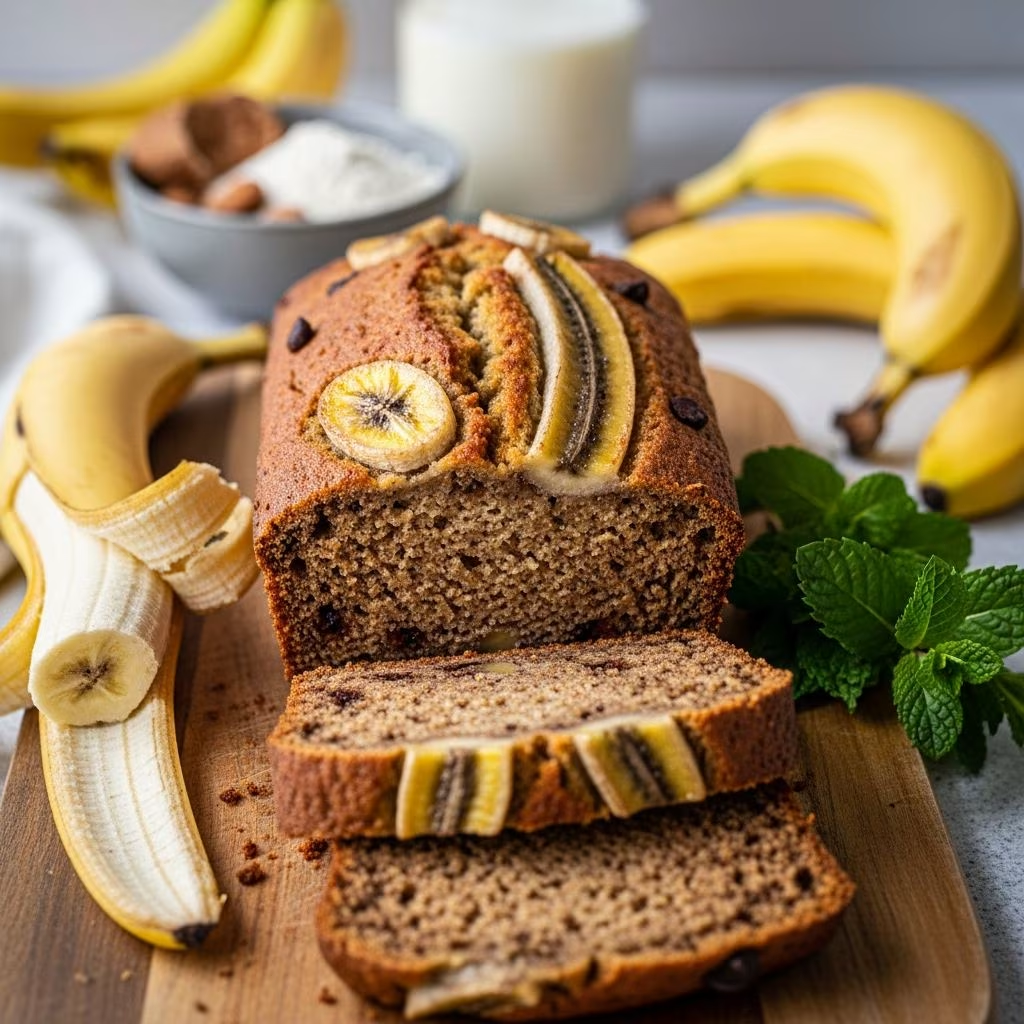
The quality of bananas directly influences the final product’s taste and texture. Select bananas that display brown spotting or near-black skin coloring, indicating peak ripeness. Typically, three to four medium-sized overripe bananas yield approximately one and a half to two cups of mashed banana, which provides the optimal moisture content for most vegan banana bread recipes.
Fat Components and Their Functions
Plant-based fats serve multiple purposes in vegan banana bread construction. Options include melted coconut oil, vegetable oil, canola oil, or vegan butter. Each contributes distinct characteristics: coconut oil imparts subtle tropical undertones, vegetable oil provides a neutral flavor profile, and vegan butter enhances richness. Approximately one-third to three-quarters cup of oil creates the desired density and moisture balance.
Liquid Additions
Plant-based milk varieties—including almond, oat, soy, and coconut milk—add necessary liquid to the batter. These alternatives help achieve the proper consistency, particularly when using heavier flour varieties such as whole wheat or spelt. Most recipes call for one-quarter to three-quarters cup of unsweetened plant milk.
Sweetening Options
Both granulated and brown sugar work effectively in vegan banana bread. Brown sugar contributes deeper molasses notes and increased moisture retention, while granulated sugar provides straightforward sweetness. Coconut sugar serves as an alternative for those seeking different flavor profiles. Sugar quantities typically range from one-third to one cup, with flexibility to adjust based on personal preference and banana sweetness.
Dry Ingredient Composition
The dry ingredient mixture forms the bread’s structural foundation. All-purpose flour remains the most common choice, though gluten-free flour blends accommodate dietary restrictions. Most recipes incorporate one and a half to two cups of flour combined with baking powder and baking soda, which work synergistically to create lift and promote even browning.
Baking soda specifically reacts with acidic components in the batter, generating carbon dioxide and creating the characteristic crumb structure. Baking powder provides additional leavening action. Together, these leavening agents ensure the final loaf achieves an appropriately fluffy interior rather than a dense, compact texture.
Salt enhances overall flavor perception and should not be omitted, even in modest quantities. Ground cinnamon adds warmth and complements banana’s natural sweetness, though this remains optional based on individual taste preferences.
Alternative Binding Techniques
While mashed bananas serve as the primary binder in most recipes, some bakers employ additional egg replacers for enhanced structure. Aquafaba—the liquid from canned chickpeas—can be whipped until frothy and combined with silken tofu to create a vegan “egg” component. This combination strengthens the batter’s binding capacity and may produce an even fluffier crumb. However, this approach remains optional, as banana-based recipes deliver excellent results without these additions.
Flax eggs, created by combining ground flaxseed with water, provide another binding alternative. These contribute nutritional density while maintaining the bread’s vegan status.
Step-by-Step Mixing Methods
The Single-Bowl Approach
The most straightforward method combines all ingredients in one mixing vessel. Begin by mashing overripe bananas thoroughly, then incorporate oil and vanilla extract. Add the dry ingredients—flour, sugar, baking powder, baking soda, and salt—directly into the wet mixture. Stir gently until just combined, being careful not to overmix. Overmixing develops gluten strands excessively, resulting in a tough, dense texture rather than a tender crumb.
The Traditional Separation Method
This technique involves combining dry ingredients in one bowl while whisking wet components separately before combining both mixtures. Whisk together flour, sugar, baking powder, baking soda, and salt. In another bowl, combine mashed bananas, oil, plant-based milk, and vanilla extract. Merge wet ingredients into dry components with minimal stirring, folding gently to maintain airiness.
Incorporating Additional Elements
Nuts, vegan chocolate chips, or dried fruits should be folded into the completed batter just before transfer to the baking vessel. This prevents these mix-ins from being overly processed or distributed unevenly throughout the loaf.
Baking Technique and Temperature Management
Proper oven preparation ensures consistent results. Preheat the oven to 400 degrees Fahrenheit, though some recipes recommend 375 degrees for slower, more even baking. Prepare your loaf pan by coating with cooking spray and lining with parchment paper, facilitating easy removal after baking.
Pour the batter into the prepared pan, smoothing the top with a spatula to promote level baking. Most vegan banana bread loaves require 55 to 60 minutes at standard temperatures, though gluten-free versions may need slightly longer. A toothpick inserted into the center should emerge with just a few moist crumbs rather than batter.
Many bakers find that tenting the loaf with aluminum foil during the final 15 to 20 minutes of baking prevents the top from darkening excessively while the interior finishes cooking.
Customization and Flavor Variations
One advantage of plant-based banana bread lies in its remarkable adaptability. Consider these modifications:
- Replace standard flour with gluten-free alternatives for those with celiac disease or gluten sensitivity
- Add chopped walnuts, pecans, or almonds for textural contrast and nutritional enhancement
- Incorporate vegan chocolate chips or cacao nibs for indulgent variations
- Include dried cranberries, raisins, or blueberries for tartness and visual appeal
- Experiment with spices such as nutmeg or vanilla powder for depth
- Use alternative oils such as extra-virgin olive oil for distinctive flavor profiles
Storage and Shelf Life
Properly stored vegan banana bread maintains quality for several days. Allow the loaf to cool completely before wrapping in plastic wrap or transferring to an airtight container. Room temperature storage works well for up to three days, while refrigeration extends freshness for approximately one week. For extended preservation, slice the cooled loaf and freeze individual portions in freezer bags for up to three months.
Troubleshooting Common Issues
Dense, Compact Crumb: This typically results from overmixing or inadequate leavening. Ensure baking powder and baking soda haven’t expired, and stir the batter minimally. Using very ripe bananas that provide additional natural moisture also helps prevent excessive density.
Dry Texture: Insufficient moisture causes this problem. Add additional plant-based milk during mixing if the batter appears too thick. Ensure bananas are sufficiently ripe and mashed thoroughly. Some recipes benefit from adding vegan sour cream or yogurt for enhanced moisture retention.
Uneven Browning: Rotate the loaf pan halfway through baking. If the top browns too quickly, tent with foil. Oven temperature variations between different appliances may require minor adjustments to cooking times.
Dome or Cracking on Top: This usually indicates overbaking or excessive oven temperature. Lower the temperature by 25 degrees and reduce baking time slightly.
Frequently Asked Questions About Vegan Banana Bread
- Can I use green bananas in vegan banana bread?
- Green bananas contain insufficient natural sugars and don’t mash as readily as overripe varieties. They also lack the necessary moisture content for optimal results. Always select spotted or darkened bananas.
- Is it necessary to use an egg replacer if bananas are the primary binder?
- No. Bananas alone provide adequate binding power for traditional vegan banana bread. Additional egg replacers like aquafaba enhance texture but remain optional.
- Can I make vegan banana bread without oil?
- Applesauce serves as an oil substitute, though it may produce a slightly denser loaf. Most bakers prefer maintaining at least some oil content for optimal moisture and texture.
- Why is my vegan banana bread too moist?
- Reduce the amount of plant-based milk or use less mashed banana. Ensure your bananas aren’t excessively overripe, which can contribute excess moisture.
- Does vegan banana bread require special equipment?
- No special equipment is necessary. Standard mixing bowls, whisks, measuring cups, and a standard loaf pan suffice. An electric mixer simplifies combining ingredients but remains optional.
Why Plant-Based Banana Bread Deserves a Place in Your Baking Rotation
Vegan banana bread transcends its dietary classification to deliver genuinely delicious results. The naturally sweet bananas combined with warm spices create an indulgent treat that satisfies without requiring animal products. Whether you’re accommodating vegan household members, exploring plant-based cooking, or simply seeking reliable quick bread recipes, vegan banana bread offers reliability and consistent satisfaction.
The straightforward ingredient list and minimal equipment requirements make this recipe particularly appealing for busy schedules. Most versions come together within 15 minutes of active preparation, with the oven handling the remainder of the work. The resulting loaf provides an excellent breakfast option, satisfying snack, or thoughtful homemade gift.
References
- The Best And Fully Vetted Vegan Banana Bread Recipe — The Korean Vegan. 2024. https://thekoreanvegan.com/the-best-vegan-banana-bread-recipe/
- The Best Vegan Banana Bread | Easy & Healthy Recipe — Simple Veganista. 2024. https://simple-veganista.com/vegan-banana-tea-bread/
- The Best Vegan Banana Bread You’ll Ever Eat — Ambitious Kitchen. 2024. https://www.ambitiouskitchen.com/vegan-banana-bread/
- Seriously the Best Vegan Banana Bread — Rainbow Plant Life. 2024. https://rainbowplantlife.com/best-easy-vegan-banana-bread/
- Best Vegan Banana Bread Recipe — Love and Lemons. 2024. https://www.loveandlemons.com/vegan-banana-bread/