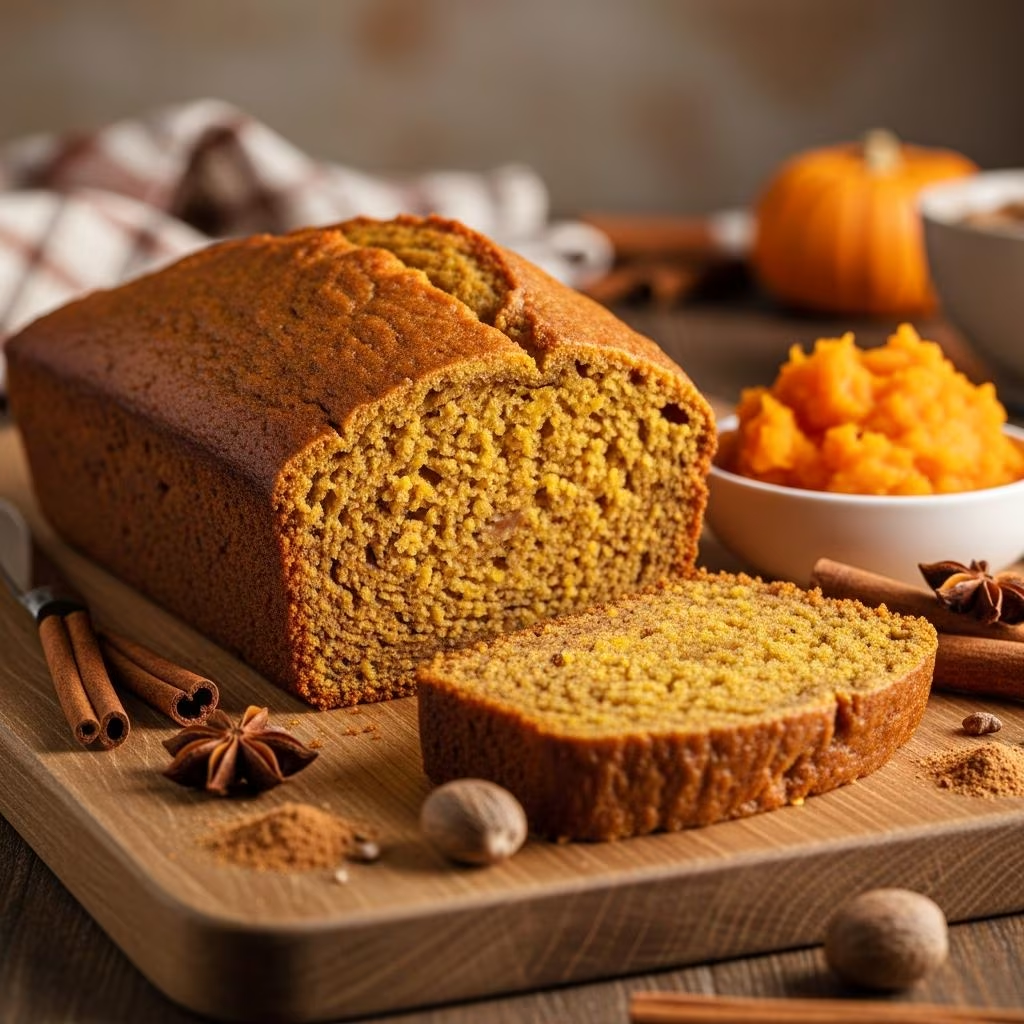
Pumpkin bread has become a beloved autumn staple that graces kitchen counters and coffee tables throughout the fall season. This classic quick bread offers a perfect balance of warmth, comfort, and seasonal flavor that appeals to both experienced bakers and kitchen novices. The beauty of pumpkin bread lies not only in its accessibility but also in its remarkable versatility—you can enjoy it plain, studded with chocolate chips, topped with nuts, or paired with complementary glazes and spreads.
What makes pumpkin bread particularly appealing is its straightforward preparation method. Unlike traditional cakes that require multiple mixing techniques or precise timing, pumpkin bread comes together through a simple process that requires minimal equipment and maximum flavor. The resulting loaves emerge from the oven with a tender crumb, rich pumpkin essence, and the unmistakable warmth of autumn spices.
Understanding the Foundation: Essential Ingredients and Their Roles
Creating exceptional pumpkin bread starts with understanding how each ingredient contributes to the final product. The ingredient list may appear straightforward, but the quality and proportion of each component significantly impact the outcome.
The Pumpkin Base
The star ingredient in pumpkin bread is, naturally, pumpkin puree. Using pure pumpkin puree rather than pie filling is essential, as pie filling contains added sugars and spices that can alter your intended flavor profile. Most recipes call for one full can of pumpkin puree, which provides the moisture and distinctive flavor that defines this bread. The pumpkin contributes not only taste but also helps create the characteristically moist texture that makes this bread so appealing.
Fats and Moisture Elements
Pumpkin bread traditionally relies on oil rather than butter as its primary fat source. Vegetable oil, grapeseed oil, avocado oil, or other neutral oils work exceptionally well because they distribute evenly throughout the batter and contribute to a consistently moist crumb structure. The oil content, typically ranging from half a cup to a full cup depending on the recipe size, plays a crucial role in achieving that tender, almost velvety texture that distinguishes excellent pumpkin bread from dry, crumbly versions.
Additional moisture often comes from eggs and sometimes milk or water. Eggs provide structure while also enriching the bread, while added liquid helps balance the flour and creates a batter with the ideal consistency for even baking.
Dry Ingredients and Structure
All-purpose flour forms the structural backbone of pumpkin bread, typically requiring two to three cups depending on batch size. Baking soda and baking powder work in tandem to create lift and ensure the bread rises properly during baking. The ratio between these leavening agents affects how the bread rises and the final texture—too much can create a coarse crumb, while too little results in a dense loaf.
The Spice Profile
The warm spices distinguish pumpkin bread from ordinary quick breads. Cinnamon serves as the dominant spice, providing a comforting warmth that most people associate with fall baking. Nutmeg adds earthiness and complexity, while smaller amounts of cloves and allspice (when included) contribute subtle depth. Some recipes incorporate ginger for additional warmth and a slight peppery note. These spices should be measured carefully and combined thoroughly with dry ingredients to ensure even distribution throughout the loaf.
The Step-by-Step Process: From Ingredients to Finished Loaves
Preparation Phase
Begin by preheating your oven to 350°F, allowing it adequate time to reach the proper temperature before baking begins. This ensures consistent and even baking throughout. While the oven heats, prepare your loaf pans by greasing them thoroughly with butter or cooking spray and lining them with parchment paper. Parchment paper serves multiple purposes: it prevents sticking, allows for easy removal of cooled loaves, and can be used to lift the bread from the pan if needed.
Combining Wet Ingredients
In a large mixing bowl, combine your eggs, sugar, pumpkin puree, oil, and any additional liquid called for in your recipe. Mix these elements until they are thoroughly combined and relatively smooth. This step creates an emulsion that helps distribute the fat evenly throughout the batter. The mixture should appear relatively uniform, though some slight variations in color due to the pumpkin are normal and expected.
Preparing Dry Ingredients
In a separate medium-sized bowl, whisk together flour, baking soda, baking powder, salt, and all spices. Whisking the dry ingredients together serves an important purpose beyond simple mixing—it aerates the flour and ensures that the leavening agents and spices are evenly distributed. This step prevents pockets of unmixed baking soda or concentrated spice flavor in the finished loaf. Take time to whisk thoroughly, at least one full minute, to achieve proper integration.
Combining and Finishing
Pour the wet ingredients into the dry ingredients and stir gently until just combined. This is a critical step where many bakers make a common mistake: overmixing. Overmixing develops gluten, which can result in a tough, dense crumb rather than the tender texture desired. Stop stirring as soon as you no longer see dry flour streaks; a few small lumps in the batter are perfectly acceptable and even desirable.
If you are including mix-ins such as chocolate chips or chopped nuts, fold them in gently at this point using a rubber spatula. This ensures even distribution without additional mixing that could toughen the batter.
Baking Techniques and Temperature Considerations
Pour the batter evenly into your prepared loaf pans, filling each approximately two-thirds to three-quarters full. This allows room for the bread to rise without overflowing during baking. If you are making multiple loaves, try to divide the batter as equally as possible to ensure even baking times.
Bake at 350°F for approximately 50 to 65 minutes, depending on several variables including your oven’s accuracy, the size of your loaf pans, and the altitude at which you are baking. The bread is done when a toothpick inserted in the center comes out clean or with just a few moist crumbs—not wet batter, but not completely dry either. Additionally, the top of the loaf should be golden brown and spring back slightly when gently pressed.
Remove the baked loaves from the oven and allow them to cool in their pans for 10 to 15 minutes. This resting period allows the crumb to set and firms up enough to handle without falling apart. After this initial cooling period, turn the loaves out onto wire racks to cool completely before slicing.
Recipe Variations and Creative Adaptations
| Variation | Key Additions | Impact on Flavor |
|---|---|---|
| Chocolate Chip Version | One to two cups chocolate chips | Adds sweetness and richness, creates pockets of chocolate throughout |
| Nutty Addition | One cup chopped pecans or walnuts | Provides textural contrast and subtle nutty undertones |
| Citrus Enhancement | Zest and juice of one orange | Brightens the pumpkin flavor and adds subtle tartness |
| Cream Cheese Swirl | Cream cheese thinned with milk | Creates elegant visual presentation and tangy-sweet contrast |
Scale Adjustments for Different Pan Sizes
Pumpkin bread is remarkably adaptable to different pan sizes. Standard 8×4-inch loaf pans typically yield one loaf and require the full baking time. If you prefer to divide your batter between two pans, you may reduce the baking time by 5 to 10 minutes. For mini loaf pans, reduce baking time to approximately 35 to 45 minutes, checking for doneness with a toothpick. Muffin tins work well too, requiring only 18 to 25 minutes of baking time. Regardless of pan size, the toothpick test remains the most reliable indicator of doneness.
Storage and Longevity Considerations
Properly stored pumpkin bread maintains its quality for an extended period. Once completely cooled, wrap each loaf individually in plastic wrap or aluminum foil and store at room temperature for up to three days. For longer storage, wrap tightly and freeze for up to three months. When ready to eat, thaw at room temperature or briefly warm slices in the toaster or oven to refresh the texture.
Common Challenges and Troubleshooting Solutions
Overly Dense or Gummy Crumb
A dense, gummy interior typically indicates either overmixing or underbaking. Overmixing develops gluten and can result in a tough crumb, while underbaking leaves excess moisture. Ensure you mix only until ingredients are combined and that you bake until a toothpick inserted in the center comes out with just a few moist crumbs.
Dry, Crumbly Texture
Conversely, if your pumpkin bread emerges dry and crumbly, you may have overbaked it. Set a timer and begin checking for doneness a few minutes before the recipe’s suggested time. Different ovens vary in temperature accuracy, so using an oven thermometer can help verify your oven’s true temperature.
Uneven Rising or Sunken Center
Uneven rising typically results from uneven oven temperature or opening the oven door too early during baking. Avoid opening the oven during the first 40 minutes of baking, as this causes temperature fluctuations that can affect rise. If your oven has hot spots, rotate the pans halfway through baking for more even cooking.
Spice Flavor Too Subtle or Overpowering
If spices taste muted, ensure you are using fresh spices, as ground spices lose potency over time. If the spice flavor becomes overwhelming, reduce the amount of certain spices—start by decreasing cloves or allspice if included, as these are particularly potent. Remember that spice intensity develops as the bread cools and sits for a day or two.
Frequently Asked Questions
Can I substitute fresh pumpkin puree for canned?
Yes, but with adjustments. Fresh pumpkin puree contains more water than canned, so you may need to reduce the added liquid in your recipe or increase flour slightly. Start by using the same amount but reduce added water by one-quarter cup, then adjust based on the resulting batter consistency.
What if I don’t have all the suggested spices?
Cinnamon and nutmeg are the essential spices for pumpkin bread. If you lack cloves or allspice, simply omit them; your bread will still be delicious. You can also experiment with other warm spices like cardamom or a small amount of black pepper for unexpected depth.
Can pumpkin bread be made without eggs?
Yes, using egg substitutes like applesauce, mashed banana, or commercial egg replacers works adequately, though the texture may be slightly different. Use a one-to-one ratio as a starting point. The bread may be slightly less fluffy but still enjoyable.
How should pumpkin bread be served?
Pumpkin bread is versatile and can be enjoyed plain, toasted with butter, or paired with cream cheese frosting. It works well alongside morning coffee or as a dessert component. Warm slices develop richer flavor and more appealing texture than cold slices.
Conclusion: Creating Your Signature Pumpkin Bread
Homemade pumpkin bread represents more than a seasonal recipe; it embodies the comfort and warmth associated with autumn gatherings and cozy moments. By understanding the role of each ingredient and following proper techniques, you can consistently produce loaves that are moist, flavorful, and utterly satisfying. Whether you prefer the classic version or incorporate creative variations, pumpkin bread offers endless possibilities for personalization and enjoyment.
References
- Pumpkin Puree vs. Pumpkin Pie Filling — University of Illinois Extension. Accessed April 2026. https://extension.illinois.edu/
- The Role of Fats in Baking — King Arthur Baking Company. 2024. https://www.kingarthurbaking.com/
- Understanding Spices in Baking — American Spice Trade Association. 2023. https://www.astaspice.org/
- Quick Bread Baking Guide — Culinary Institute of America. 2024. https://www.ciachef.edu/