Banana bread stands as one of the most accessible and rewarding baking projects for both novice and experienced home bakers. This versatile quick bread offers the perfect balance of sweetness, moisture, and simplicity, making it an ideal choice for breakfast, dessert, or even a thoughtful homemade gift. Unlike yeast-based breads that require extensive rising time and temperature control, banana bread relies on chemical leavening agents, allowing you to achieve professional results in under two hours from start to finish.
The fundamental appeal of banana bread lies in its forgiving nature. The natural pectin and moisture content of ripe bananas create a dense, tender crumb that remains moist for several days after baking. Understanding the key principles behind banana bread preparation—from selecting the right bananas to mastering mixing techniques—empowers you to consistently produce exceptional results while also allowing room for creative variations and personal preferences.
Choosing the Perfect Bananas for Your Loaf
The quality of your finished banana bread begins with selecting appropriately ripened fruit. Bananas undergo significant chemical changes as they mature, and understanding these transformations directly impacts your final product. The conversion of starches to sugars accelerates as bananas age, fundamentally altering both flavor profile and baking characteristics.
Optimal bananas for bread baking display extensive brown spotting across their skin, with some areas showing deeper brown coloration or even slight blackening. At this ripeness stage, the fruit has developed maximum natural sweetness while the texture becomes increasingly soft and easily mashed. These characteristics are non-negotiable for achieving the desired moisture content and flavor intensity that distinguishes exceptional banana bread from mediocre versions.
Avoid using bananas that are simply yellow or only slightly speckled, as they contain insufficient natural sugars and remain too firm for proper incorporation into the batter. Conversely, bananas that are predominantly black or feel mushy to the touch have begun deteriorating, which can introduce off-flavors or create an overly dense crumb structure. The sweet spot falls precisely where the banana skin shows generous brown freckling with a soft interior that yields easily to fork pressure.
Essential Ingredients and Their Functions
Creating banana bread requires understanding how each ingredient contributes to the final texture, flavor, and structure of your loaf. While the ingredient list remains relatively short and accessible, each component serves a specific purpose in the chemistry of quick bread baking.
The Role of Ripe Bananas
Mashed ripe bananas serve as the primary flavor foundation while providing essential moisture that keeps the bread tender for days after baking. The natural pectin in bananas acts as a binder, reducing the amount of additional structure-building ingredients required. A typical loaf incorporates three medium to large bananas, thoroughly mashed to create a smooth, pulpy base for mixing with other components.
Sugar: Sweetness and Texture
Granulated white sugar not only contributes sweetness but also plays a crucial structural role in creating tender crumb. Sugar hygroscopically attracts and retains moisture, prolonging the shelf life of your finished bread while creating a finer texture. One cup of sugar provides sufficient sweetness without overwhelming the banana flavor, though personal preference may warrant slight adjustments to this ratio.
Fats: Butter and Optional Additions
Melted butter incorporates richness and contributes to moisture retention. Using a quarter-cup of melted butter ensures adequate fat distribution throughout the batter without creating an overly dense or heavy loaf. Some bakers prefer incorporating sour cream or Greek yogurt alongside or in place of additional butter, as these dairy products introduce tang and maintain moisture while contributing beneficial proteins.
Leavening Agents: The Rising Foundation
Baking soda serves as the primary leavening agent in banana bread, creating carbon dioxide bubbles that expand during heating and create a light, airy crumb. One teaspoon of baking soda per loaf provides sufficient rise without creating an alkaline taste. Some recipes incorporate minimal baking powder in addition to baking soda, creating a more gradual and controlled rise.
Flour: Structure and Stability
All-purpose flour provides the protein matrix necessary for trapping gases and creating structure. Measuring flour correctly—by whisking the flour first, then spooning into a measuring cup and leveling—ensures consistent results. One and a half to two cups of flour, depending on recipe preference, creates a banana bread with the ideal moisture-to-flour ratio that yields a moist yet sliceable loaf.
Salt and Flavor Enhancement
One teaspoon of salt enhances the overall flavor profile by suppressing bitter compounds and amplifying sweetness perception. This seemingly small ingredient dramatically improves the finished bread’s flavor complexity without introducing detectable saltiness.
Preparation Techniques and Mixing Methods
The method by which you combine ingredients significantly impacts your bread’s final texture and crumb structure. Overmixing development of gluten creates a tough, dense loaf, while insufficient mixing leads to uneven ingredient distribution and poor rise. The ideal approach involves a gentle folding technique that combines ingredients with minimal mechanical agitation.
Preparing Your Equipment
Before beginning your batter, preheat your oven to 325 degrees Fahrenheit (165 degrees Celsius) or 350 degrees Fahrenheit (175 degrees Celsius), depending on your specific recipe variation. Simultaneously, prepare a standard 9×5-inch loaf pan by lightly greasing all interior surfaces with butter or cooking spray, paying special attention to corners and edges where sticking commonly occurs. Some bakers prefer lining the bottom with parchment paper for easier removal, an optional but worthwhile step for preventing sticking.
Combining Ingredients Strategically
Begin by combining mashed bananas, melted and cooled butter, sugar, and eggs in one bowl, whisking until these wet components are thoroughly incorporated. In a separate bowl, whisk together flour, baking soda, and salt, creating a premixed dry component that ensures even distribution of leavening agents. The critical final step involves gently folding the dry mixture into the wet ingredients using a spatula or wooden spoon, stirring just until flour streaks disappear. This deliberate restraint prevents overdevelopment of gluten strands that would create a tough texture.
Baking Process and Temperature Control
Temperature management during baking directly influences your bread’s final texture, color, and doneness. Oven temperature variations can significantly affect baking time and browning, which is why using an oven thermometer to verify your appliance’s actual temperature proves beneficial for consistent results.
| Temperature Setting | Baking Time | Crust Characteristics | Best For |
|---|---|---|---|
| 325°F (165°C) | 60-70 minutes | Gentle browning, tender crust | Preventing over-browning, moister crumb |
| 350°F (175°C) | 55-65 minutes | Golden-brown crust, slight crust firmness | Standard recipe, balanced results |
Pour your completed batter into the prepared loaf pan, smoothing the top with a spatula for even baking. Place the pan in your preheated oven and bake until a toothpick inserted slightly off-center emerges clean or with only a few moist crumbs clinging to it. This doneness test proves more reliable than visual inspection alone, as the exterior may appear done while the interior remains underbaked.
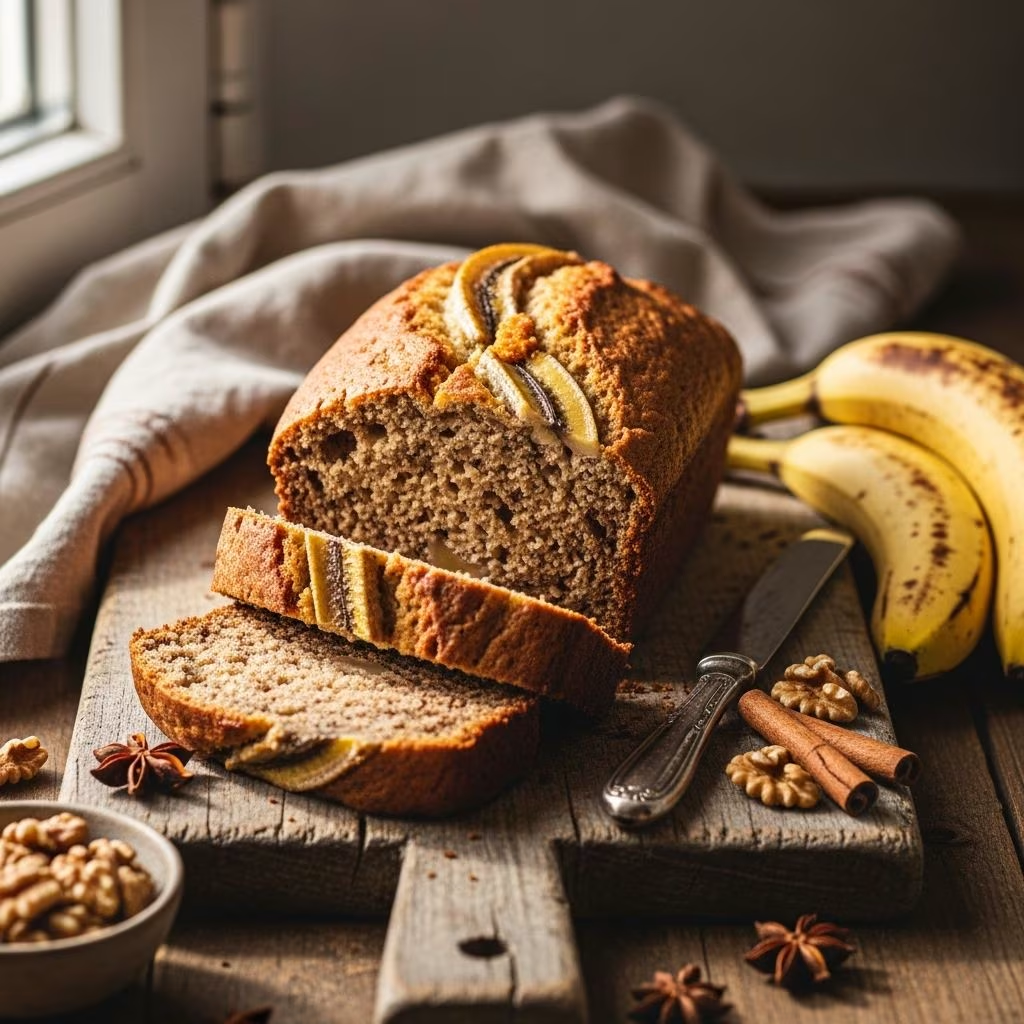
During baking, a typical banana bread develops a golden-brown exterior and may exhibit a slight split or crack running along the top center—a completely normal occurrence that reflects proper rising. Resist the temptation to open the oven door repeatedly during the first 45 minutes, as temperature fluctuations can compromise rise and create dense areas.
Cooling and Storage Strategies
Proper cooling significantly influences your bread’s final texture and makes slicing cleaner. Remove the loaf from the oven and allow it to rest in the pan for 10 to 15 minutes, during which carryover heat continues the baking process and allows the structure to stabilize. After this initial cooling period, invert the loaf onto a wire cooling rack and allow it to cool completely—approximately one hour—before slicing. Slicing warm banana bread often results in crumbling, while completely cooled bread slices cleanly with minimal tearing.
Store cooled banana bread wrapped in plastic wrap or aluminum foil at room temperature for up to three days, during which the texture actually improves as moisture redistributes evenly throughout the loaf. For extended storage, wrap tightly and refrigerate for up to one week, or freeze for up to three months. Thaw frozen banana bread at room temperature for several hours before enjoying.
Troubleshooting Common Issues
Dense or Compact Crumb Structure
A dense loaf typically results from overmixing the batter, which develops excessive gluten that traps moisture and creates a heavy texture. Additionally, using insufficiently ripe bananas lacking adequate natural moisture can contribute to density. Ensure bananas are thoroughly speckled and soft, and limit mixing to gentle folding of the dry mixture into wet ingredients.
Dry Interior Despite Adequate Baking Time
Over-baking represents the primary cause of dry banana bread. Remove your loaf as soon as a toothpick test yields clean or nearly clean results rather than waiting for the top to turn dark golden brown. Consider reducing oven temperature slightly and baking for a longer period if your oven tends to bake hot, creating a gentler heat exposure that yields a moister interior.
Uneven Rising or Tunnel Formation
Large tunnels or holes running vertically through your loaf indicate excessive leavening agent or overmixing of the batter. Verify your baking soda measurement and reduce mixing to the absolute minimum required to combine wet and dry ingredients. Ensure your batter is only folded until flour streaks disappear—no additional stirring.
Insufficient Rise or Flat-Topped Loaf
Inadequate rise typically stems from insufficient leavening agent or baking soda that has lost potency due to age or storage in humid conditions. Always use fresh baking soda and measure carefully. Additionally, if your oven temperature runs cool, increase the temperature by 25 degrees Fahrenheit and monitor your loaf for proper rising.
Nutritional Profile and Serving Suggestions
A standard slice of banana bread provides approximately 225 calories alongside beneficial complex carbohydrates from flour and natural sugars from bananas. Each slice delivers roughly 42 grams of carbohydrates, 3 grams of protein, and 5 grams of fat, making it a satisfying option for breakfast or an afternoon snack. The bread’s moderate calories and natural banana flavor make it particularly appealing to health-conscious bakers seeking indulgent-tasting options without excessive fat or refined ingredients.
Serve banana bread warm with butter or cream cheese for breakfast, or pair it with tea or coffee as an afternoon treat. Toasting day-old slices enhances the crust texture and reawakens subtle vanilla and banana aromatics. For special occasions, serve with whipped cream or a light glaze drizzle for added elegance.
Variations and Creative Adaptations
The basic banana bread formula welcomes numerous creative additions without compromising the bread’s fundamental structure. Incorporate one teaspoon of vanilla extract for enhanced flavor complexity, or add warm spices like cinnamon, nutmeg, or ginger for warmth and depth. Toasted nuts—pecans, walnuts, or hazelnuts—add textural contrast and richness, while chocolate chips or cocoa powder create indulgent variations. For enhanced moisture and subtle tang, replace a portion of butter with sour cream or Greek yogurt.
Frequently Asked Questions
Can I use frozen bananas for banana bread?
Yes, frozen and thawed bananas work excellently, as they become even softer and release additional moisture. Thaw them completely and drain excess liquid before mashing to prevent excessively wet batter.
What if I don’t have all-purpose flour?
Whole wheat flour creates a nuttier, denser loaf and may require additional moisture. Cake flour yields a more delicate, tender crumb. Use these alternatives in equal volume, though whole wheat flour may require additional liquid.
How can I make banana bread lower in sugar?
Reduce sugar to three-quarters cup and increase banana ripeness for natural sweetness. Alternatively, incorporate a small amount of honey or maple syrup, though these may slightly alter texture.
Why is my banana bread gummy in the center?
Underbaking represents the most common cause. Ensure your toothpick test indicates doneness before removing from the oven. Additionally, verify that your oven temperature is accurate using an oven thermometer.
References
- Banana Bread Recipe — USDA FoodData Central. 2024. https://fdc.nal.usda.gov
- Quick Bread Chemistry and Technique — King Arthur Baking Company. 2023. https://www.kingarthurbaking.com
- The Science of Baking Soda and Leavening — American Chemical Society. 2022. https://www.acs.org
- Fruit Ripeness and Sugar Content Analysis — UC Davis Agricultural and Resource Economics. 2023. https://www.ucdavis.edu
- Baking Temperature Control and Oven Calibration — National Institute of Standards and Technology. 2024. https://www.nist.gov