Store-bought salad dressings often contain surprisingly high levels of sodium, with many conventional oil and vinegar varieties delivering 270 to 320 mg of sodium per two-tablespoon serving. For individuals managing dietary restrictions, monitoring their sodium intake, or simply seeking fresher alternatives, preparing vinaigrettes at home offers a compelling solution. Creating your own dressing takes just minutes and allows complete control over ingredients while dramatically reducing sodium content to virtually negligible levels.
The fundamental appeal of homemade vinaigrettes lies in their simplicity and versatility. A basic vinaigrette requires only a few pantry staples: quality olive oil, vinegar, and seasonings. Yet within this minimalist framework exists tremendous creative potential. By understanding the core principles of vinaigrette construction and experimenting with different vinegars, herbs, and flavor accents, home cooks can develop dressings tailored to their preferences and dietary needs.
Understanding the Foundation of Vinaigrette
At its core, a vinaigrette is an emulsion combining oil and acid in proportions that create a balanced, cohesive dressing. The traditional ratio follows a three-to-one formula: three parts oil to one part acid. This balance ensures the dressing clings to greens without becoming overly oily or intensely acidic. The acid component—typically vinegar or lemon juice—serves multiple functions beyond flavor. It brightens dishes, preserves the color of fresh vegetables, and helps bind ingredients together when properly whisked.
The choice of vinegar significantly influences the final flavor profile. White wine vinegar offers delicate, subtle acidity ideal for lighter salads and vegetables. Balsamic vinegar provides sweeter, more complex notes suited to hearty greens and robust vegetables. Apple cider vinegar introduces fruity undertones that complement both traditional and innovative salad combinations. Red wine vinegar delivers medium-bodied acidity with mild fruit characteristics, making it perhaps the most versatile option for general use.
Olive oil quality deserves equal consideration. Extra-virgin olive oil, pressed from the first cold extraction of olives, contributes fruity, peppery, or buttery notes depending on the olive variety and origin. Regular olive oil offers a more neutral flavor profile, making it preferable when you wish other ingredients to dominate. Canola and grapeseed oils provide neutral alternatives that remain liquid when refrigerated, offering practical advantages for those who store their dressings.
Essential Ingredients Beyond Oil and Vinegar
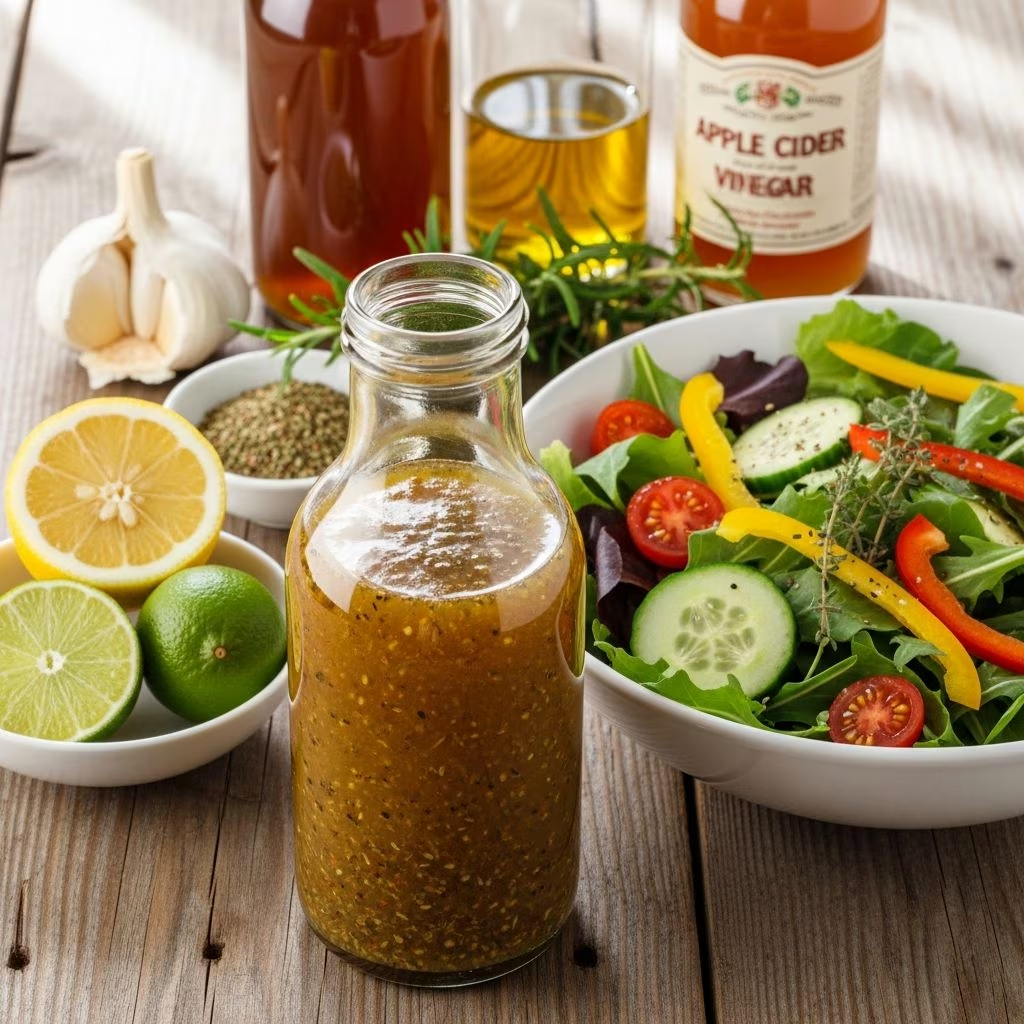
While oil and vinegar form the structural foundation, complementary ingredients elevate homemade vinaigrettes from basic to memorable. Aromatic herbs contribute the most dramatic impact on flavor development. Dried herb blends like herbes de Provence—a traditional French combination of thyme, marjoram, rosemary, and savory—create complex taste experiences without adding sodium. Italian seasoning offers similar versatility with slightly different herb ratios. Fresh or dried basil, oregano, thyme, and parsley each bring distinctive characteristics worthy of experimentation.
Garlic, whether minced fresh or included as powder, adds pungency and depth. Fresh minced garlic creates bolder flavor but requires whisking thoroughly to distribute evenly. Garlic powder offers convenience and consistency, though some prefer the superior taste of fresh preparations. Onion powder and garlic powder together create aromatic foundations reminiscent of commercial dressings but without their sodium content.
Mustard serves multiple purposes in vinaigrette construction. Dijon mustard acts as both flavoring and emulsifier, helping oil and vinegar combine more effectively. Whole grain mustard adds textural interest alongside mild pungency. Dried mustard powder contributes subtle depth without grittiness. Lemon juice provides brightness and acid without relying solely on vinegar, offering flexibility in flavor development.
Additional flavor enhancers include honey, which adds subtle sweetness and aids emulsification; fresh cracked black pepper, which contributes warmth and complexity; and poppy seeds, which introduce textural contrast alongside mild nuttiness. These ingredients remain optional but worth exploring based on personal preference and intended applications.
Step-by-Step Preparation Techniques
The most straightforward method involves whisking ingredients together manually. This approach requires minimal equipment—merely a small bowl and wire whisk or fork—and takes approximately five minutes from start to finish. Begin by combining oil and vinegar in your mixing vessel. Whisk vigorously for thirty seconds until the mixture begins to emulsify slightly and appears more unified. Add dried herbs, garlic, mustard, and other seasonings. Continue whisking for another minute, ensuring all ingredients distribute evenly throughout the liquid.
An alternative approach uses a glass jar with a tight-fitting lid. Place all ingredients inside the jar, secure the lid firmly, and shake vigorously for two to three minutes. This method proves particularly convenient for preparation in advance or when transporting dressing to outdoor dining venues. The vigorous agitation creates temporary emulsification, though some separation naturally occurs over time as oil and vinegar return to their distinct states.
For those preferring smoother, more thoroughly emulsified dressings, food processors or blenders offer superior results. Place all ingredients in the processing vessel and blend for three to four minutes until the mixture achieves a uniform, creamy consistency. This technique works especially well when incorporating herbs, onions, or other solid ingredients that benefit from thorough integration. The extended blending time creates more stable emulsions that resist separation compared to quick whisking methods.
Regardless of preparation method, allowing the finished dressing to rest for at least fifteen minutes before use permits flavors to meld and develop more completely. This resting period allows dried herbs to fully hydrate and soften, garlic to distribute its essence throughout the mixture, and overall flavor complexity to mature. While dressing may be used immediately if necessary, the patience investment yields noticeably superior results.
Recipe Variations for Different Culinary Applications
Classic Herbed Foundation
The most versatile starting point combines one-half cup extra-virgin olive oil, one-half cup vinegar of choice, one tablespoon herbes de Provence or similar dried herb blend, one minced garlic clove, one teaspoon fresh lemon juice, and ground pepper to taste. This formula works beautifully on tender greens, grain salads, or as a light marinade for vegetables. The fifteen-minute resting period allows herbs to fully infuse the dressing, creating well-rounded flavor development.
Balsamic-Forward Preparation
Balsamic vinegar’s natural sweetness permits reduced reliance on additional sugar. Combine three-quarter cup canola or grapeseed oil with one-quarter cup balsamic vinegar, two tablespoons honey, one tablespoon Dijon mustard, one minced garlic clove, one-half teaspoon ground black pepper, and optionally one teaspoon poppy seeds. The honey amplifies the vinegar’s natural sweetness while aiding emulsification. This variation suits heartier greens like kale or spinach and complements roasted vegetables beautifully.
Sweet Allium Variation
This preparation incorporates sweet onions as a primary ingredient, creating creamy texture without dairy products. Blend one-half large sweet onion (roughly chopped), one garlic clove, two tablespoons honey, two tablespoons apple cider vinegar, one teaspoon whole grain mustard, one-quarter teaspoon black pepper, and one-half cup olive oil on low speed, gradually increasing to high speed until achieving smooth, creamy consistency. This version yields approximately four quarter-cup servings with merely thirty milligrams sodium per serving, making it exceptionally suitable for sodium-restricted diets.
Italian-Inspired Simplicity
This straightforward version combines one-half cup extra-virgin olive oil, one-quarter cup red wine vinegar, one-quarter cup water, one tablespoon lemon juice, two teaspoons Italian seasoning, two teaspoons Dijon mustard, one teaspoon garlic powder, one-half teaspoon onion powder, and one-half teaspoon ground pepper. The water component slightly reduces overall oil content while maintaining proper consistency. This formulation requires only jar-shaking preparation and stores excellently for extended periods.
White Balsamic Sophistication
White balsamic vinegar offers lighter color and slightly different flavor profile compared to traditional balsamic. Combine one cup extra-virgin olive oil, one-half cup white balsamic vinegar, one tablespoon Italian herbs, one tablespoon lemon juice concentrate, one-quarter teaspoon garlic powder, one-half teaspoon dried mustard, and optionally one-half teaspoon sugar. This preparation yields twenty-four tablespoon servings containing only one milligram naturally occurring sodium, representing virtually complete sodium elimination. The resulting dressing works beautifully drizzled over fresh greens or served as a vegetable dipping sauce.
Storage, Shelf Life, and Best Practices
Homemade vinaigrettes remain stable when stored in airtight containers in the refrigerator for up to one week. Glass jars with tight-fitting lids provide optimal storage solutions, protecting contents from air exposure while enabling easy shaking before each use. Some ingredients naturally separate over time as oil and vinegar return to distinct phases; this normal occurrence requires only vigorous whisking or shaking to recombine before serving.
Oil-based dressings may develop cloudiness or solidify slightly when refrigerated, particularly those prepared with canola or grapeseed oil due to their lower freezing points. This presents no quality concern; the dressing returns to proper consistency within minutes at room temperature. Conversely, those prepared primarily with extra-virgin olive oil may require slightly longer to warm to pourable consistency.
Avoid storing dressings in metal containers, as acidic vinegar may react with certain metal types, potentially affecting both flavor and safety. Plastic containers work adequately for short-term storage but may absorb oils and odors over time. Glass remains the superior long-term storage option.
Health Benefits of Sodium Reduction
Excessive sodium consumption contributes to elevated blood pressure, increased cardiovascular disease risk, and fluid retention. Replacing commercial dressings containing 270 to 320 milligrams sodium per serving with homemade alternatives delivering one to thirty milligrams substantially supports blood pressure management and overall cardiovascular health. For individuals managing hypertension, chronic kidney disease, or other sodium-sensitive conditions, this difference proves clinically significant.
Beyond sodium elimination, homemade vinaigrettes offer additional nutritional advantages. Extra-virgin olive oil contains polyphenols and oleic acid, compounds associated with anti-inflammatory properties and improved cardiovascular function. Vinegar, particularly apple cider vinegar, may support modest blood sugar stabilization when consumed with meals containing carbohydrates. Fresh herbs contribute antioxidants and phytonutrients absent from processed commercial products.
Troubleshooting Common Preparation Issues
Separation: Oil and vinegar naturally separate; vigorous whisking or shaking immediately before serving recombines them. If seeking more permanent emulsification, increase Dijon mustard to one and one-half teaspoons or add one egg yolk (though this introduces food safety considerations requiring careful handling).
Excessive acidity: If vinegar taste overwhelms other flavors, dilute with additional oil or water, or switch to milder vinegar varieties. Honey or a pinch of optional sugar can also balance sharp acidity.
Herb settling: Dried herbs naturally sink; this requires only gentle stirring before serving. Alternatively, blend thoroughly using a food processor for completely smooth, uniform distribution.
Overly harsh garlic: Reduce fresh garlic quantity or substitute garlic powder, which distributes more evenly and delivers subtler impact than minced fresh cloves.
Frequently Asked Questions
Can I use fresh herbs instead of dried?
Yes, use triple the quantity of fresh herbs compared to dried equivalents, as fresh herbs contain more moisture and less concentrated flavor. Fresh herbs provide superior taste but require consumption within two to three days as they degrade relatively quickly in acidic environments.
Is it necessary to use extra-virgin olive oil?
Extra-virgin provides superior flavor but costs more. Regular olive oil, canola oil, or grapeseed oil work perfectly well, though they contribute less distinctive flavor. Choose based on personal preference and intended applications.
Can I prepare dressing without vinegar?
Lemon juice or other citrus juices can serve as primary acids. Adjust quantities to taste, as citrus acidity differs from vinegar acidity. This substitution works particularly well in Mediterranean or lighter applications.
How can I make dressing creamier without using mayonnaise or dairy?
Increase Dijon mustard quantity, incorporate minced onions or garlic, or use a food processor to thoroughly blend all ingredients. These approaches create thicker, more emulsified results resembling creamy dressings.
Can these dressings be frozen?
Oil-based dressings do not freeze successfully as oil becomes too solid to pour. Refrigeration remains the appropriate storage method. However, prepared dressing can be frozen in ice cube trays, then thawed as needed for specific applications.
Versatile Applications Beyond Salad Greens
Homemade vinaigrettes extend far beyond basic salad dressings. Use them as marinades for grilled vegetables, proteins, or grain preparations. Drizzle over roasted root vegetables as finishing sauce. Serve alongside fresh crusty bread as a sophisticated dipping medium. Toss with warm potatoes for potato salad preparations. Marinate cooked beans for flavorful bean salads. The versatility of these basic formulas permits countless culinary applications limited primarily by imagination.
Creating your own salt-free vinaigrettes represents one of the simplest yet most impactful dietary modifications available. The minimal time investment—five to twenty minutes from conception to service—returns maximum nutritional benefit through dramatic sodium reduction while simultaneously delivering superior flavor compared to most commercial alternatives. With several foundational recipes and countless variation possibilities, home cooks quickly develop the knowledge and confidence to create dressings perfectly suited to their individual preferences and health requirements.
References
- Low-Sodium Salad Dressing: Kidney-Friendly Recipe — CKD Nutrition. 2024. https://ckdnutrition.com/low-sodium-salad-dressing-kidney-friendly-recipe/
- Low Sodium Balsamic Vinaigrette Recipe — Kidney Nutrition Institute. 2024. https://kidneynutritioninstitute.org/recipes/kidney-friendly-balsamic-vinaigrette/
- Low Sodium White Balsamic Vinaigrette — SmartyPants Kitchen. 2024. https://www.smartypantskitchen.com/white-balsamic-vinaigrette/
- Low Sodium Sweet Onion Vinaigrette Dressing Recipe — Low So Recipes. 2024. https://lowsorecipes.com/low-sodium-sweet-onion-vinaigrette-recipe-no-salt-added/
- Low Sodium Italian Dressing & Marinade — Being Nutritious. 2024. https://beingnutritious.com/healthy-italian-dressing-marinade/