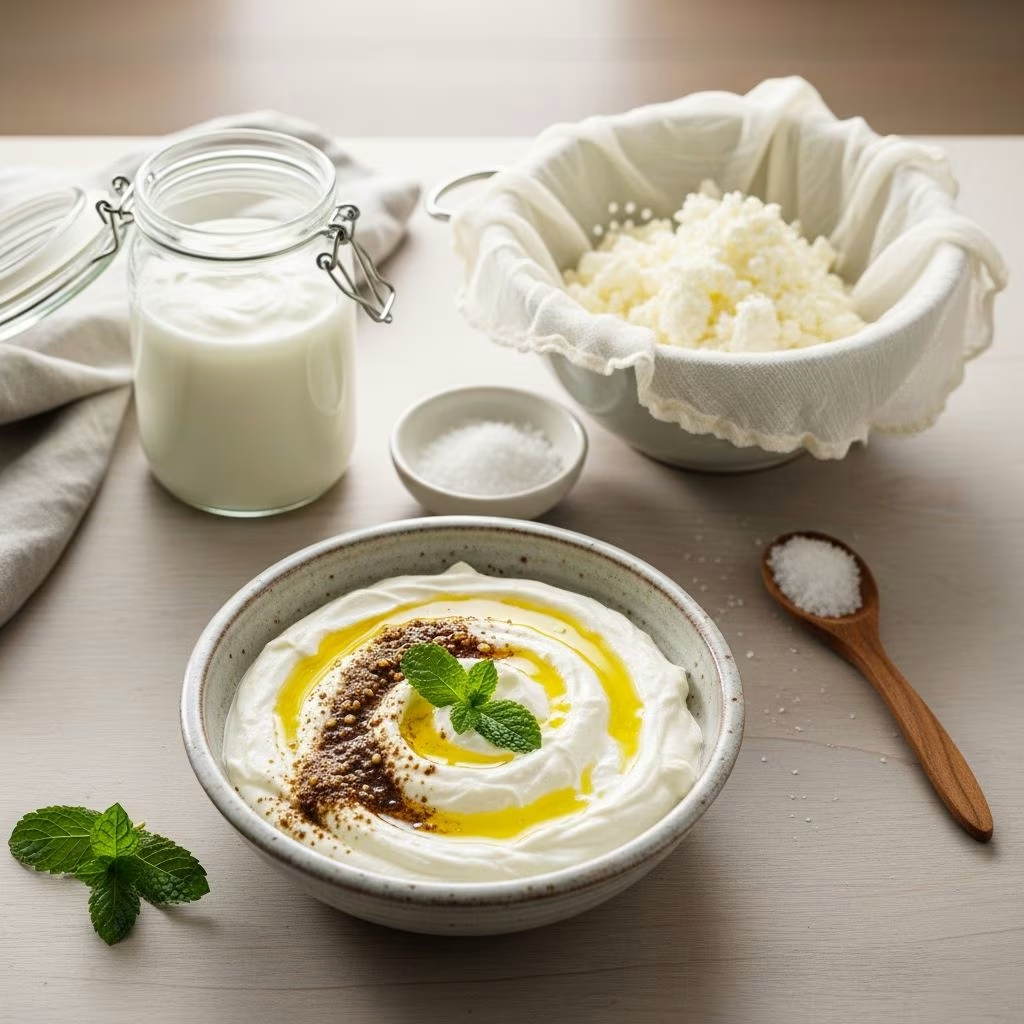
Creating labneh, a beloved Middle Eastern yogurt cheese, requires minimal ingredients and equipment, yet delivers maximum flavor and versatility. This soft, creamy dairy product has become increasingly popular in contemporary kitchens, offering home cooks an accessible entry point into traditional cheese-making. Unlike complex cheesemaking processes that demand specialized knowledge and equipment, labneh production remains refreshingly straightforward, making it an ideal project for both culinary enthusiasts and beginners seeking to expand their repertoire.
Understanding Labneh: Foundation and Origins
Labneh represents a fundamental component of Middle Eastern and Mediterranean cuisine, serving as a bridge between liquid yogurt and firm cheese. The name itself has roots in Arabic culinary traditions, where the product has been valued for centuries as a nutritious, shelf-stable dairy option. The cheese emerges through a natural process of separation, where whey drains away from yogurt solids, concentrating flavor and creating a texture that ranges from spreadable to firm depending on straining duration.
The versatility of labneh extends across multiple culinary applications. It functions as a breakfast spread, a dip for vegetables and bread, a topping for soups and grain bowls, and even as a substitute for cream cheese or ricotta in various dishes. This adaptability has contributed to its rising prominence in Western cuisine, particularly among home cooks interested in Mediterranean and Middle Eastern flavors.
Essential Ingredients and Quality Selection
The beauty of labneh-making lies in its simplicity. Only two core ingredients define the base recipe: whole milk yogurt and salt. However, ingredient selection significantly impacts the final product’s quality and character.
Choosing the Right Yogurt
The yogurt foundation determines labneh’s texture, tang, and overall success. Full-fat, whole milk yogurt produces the richest, creamiest results with superior mouthfeel and depth. This style of yogurt contains sufficient fat content to create a luxurious final product, distinguishing it markedly from lower-fat alternatives.
Greek yogurt presents an alternative option, though it approaches the flavor profile differently. Greek yogurt arrives pre-strained, meaning it has already lost considerable whey. While functional, using Greek yogurt as a starting point produces less dramatic transformation during the home-straining process compared to traditional whole milk yogurt. Some cooks prefer Greek yogurt for its convenience factor and the reduced waiting time required for adequate thickness.
Conversely, low-fat and fat-free yogurts should be avoided entirely. These varieties lack the richness and body necessary to create satisfying labneh, resulting instead in a thin, uninspired product that fails to capture the cheese’s essential character. The fat content directly correlates with the quality of the finished product.
Salt Considerations
Salt plays a dual role in labneh production: it seasons the cheese and facilitates moisture extraction through osmosis. Table salt works effectively, though sea salt or kosher salt offer subtle flavor variations. The quantity remains modest—typically between one-eighth and one-quarter teaspoon per batch—ensuring seasoning without overwhelming the delicate yogurt flavor. Salt can be adjusted during preparation based on personal preference and intended applications.
Equipment and Setup
Successful labneh production requires minimal equipment, most of which home cooks already possess.
- Cheesecloth: This thin, loosely woven cotton fabric forms the foundation of the straining apparatus. Quality matters here—inexpensive cheesecloth tears easily and creates frustration. Heavy-duty cheesecloth withstands the weight of yogurt and handles handling throughout the multi-day process. Some cooks substitute cotton dish towels, clean thin cotton fabric, or even cheesecloth bags specifically designed for cheese-making.
- Fine-mesh strainer or sieve: A sturdy strainer acts as the structural support for the cheesecloth bundle. The mesh must be sufficiently fine to prevent yogurt from passing through while allowing whey to drain freely. Alternatively, hanging the cheesecloth bundle directly over a bowl works equally well.
- Wooden spoon: A standard wooden spoon serves as the hanging apparatus when suspending the cheesecloth bundle over a collection bowl. The spoon’s handle provides a secure tie point for the cheesecloth edges.
- Collection bowl: A deep bowl positioned beneath the strainer or hanging cheesecloth captures the expelled whey. The bowl size should accommodate accumulated liquid without splashing.
- Storage containers: Glass containers or bowls work best for storing finished labneh, as they don’t impart flavors and allow for easy visual inspection.
Step-by-Step Preparation Method
The labneh-making process unfolds across several straightforward stages, beginning with ingredient preparation and concluding with finished product transformation.
Initial Mixing
Begin by combining yogurt and salt in a small mixing bowl. Stir thoroughly to ensure even salt distribution throughout the yogurt. This step takes approximately one minute and requires only basic kitchen tools—a spoon or whisk suffices. Uniform seasoning prevents pockets of over-salted or under-salted areas in the finished product.
Cheesecloth Setup
Line a fine-mesh strainer with cheesecloth, using either one or two layers depending on yogurt thickness. Greek yogurt typically requires a single layer, while thinner yogurts benefit from doubled cheesecloth. Ensure the cheesecloth drapes over the strainer edges sufficiently to contain the entire yogurt quantity without splitting under pressure.
Yogurt Transfer and Securing
Carefully pour or spoon the salted yogurt into the cheesecloth-lined strainer. Some recipes suggest tying the cheesecloth edges around a wooden spoon’s handle to create a suspended bundle, while others utilize the strainer setup directly. Both methods prove equally effective. The key consideration involves ensuring the yogurt-filled cheesecloth hangs freely above the collection bowl without touching the bottom, allowing gravity to assist the draining process.
Straining Duration
Position the setup in a cool room-temperature environment away from direct sunlight. The refrigerator accelerates the process slightly, though room temperature straining works equally well. Drainage requires time—24 to 72 hours depending on desired consistency. At the 24-hour mark, labneh achieves a creamy, spreadable texture similar to Greek yogurt. Extending the process to 48 hours produces a firmer consistency approaching cream cheese thickness. At 72 hours, the result more closely resembles traditional firm cheese. Sample the product after 24 hours to determine preferred thickness, then remove it accordingly.
Texture Variations and Customization
The beauty of home labneh production lies in the ability to customize texture according to preference and intended use. A creamier consistency suits immediate consumption as a dip or spread, while firmer results enable shaping into balls or logs for extended storage in oil. Thickness also influences flavor intensity—longer straining concentrates flavors, producing increasingly tangy profiles.
| Straining Duration | Texture Profile | Best Uses |
|---|---|---|
| 24 hours | Spreadable, creamy | Dips, spreads, breakfast topping |
| 36-48 hours | Thick, ricotta-like | Cooking ingredient, firm dips |
| 72 hours | Cheese-firm, moldable | Balls in oil, long-term storage |
Flavor Enhancement and Topping Ideas
While plain labneh provides a delicious foundation, numerous toppings and flavor additions elevate the experience. Classic Mediterranean options include za’atar—a complex spice blend featuring sesame, thyme, and sumac—drizzled with premium extra-virgin olive oil. Fresh mint leaves, crushed pistachios, and red pepper flakes add visual appeal and complementary flavors.
Infused variations expand possibilities considerably. Combining labneh with crushed garlic, fresh dill, walnuts, and lemon juice creates a sophisticated appetizer-worthy dip. Spiced renditions incorporating fenugreek seeds, green chilies, nigella seeds, and cumin transform the basic cheese into aromatic condiments suited for accompanying grains, vegetables, and bread.
For preservation and presentation, shaping labneh into balls, coating them with selected spice blends, and submerging them in high-quality oil creates an impressive pantry staple. Grapeseed oil prevents the congealing that occurs with olive oil at refrigeration temperatures, maintaining the balls’ appealing texture. Stored this way, labneh balls remain fresh and inviting for one to two weeks.
Culinary Applications Beyond the Dip
Creative cooks have discovered labneh’s utility extends far beyond traditional serving methods. As a ricotta substitute in lasagna, it provides similar texture with distinct tangy flavor. Dolloped into soups—particularly tomato, lentil, or vegetable varieties—labneh adds richness and acidity. Grain bowl applications benefit from labneh’s creamy contrast to roasted vegetables and grains. Some innovative cooks incorporate labneh into baking and pastries, leveraging its moisture and tang to enhance texture and flavor profiles.
Storage and Longevity
Plain labneh stored in glass containers maintains quality for approximately one week when refrigerated. Oil-preserved labneh balls extend storage duration significantly, remaining fresh and usable for two weeks or more. The combination of salt, acid, and oil creates a preservative environment that inhibits spoilage. Freezing remains an option for longer-term storage, though texture changes upon thawing may render thawed labneh better suited for cooking applications than fresh consumption.
Troubleshooting Common Challenges
Insufficient drainage or overly thin results: Ensure the yogurt achieves minimum 24-hour straining time. Verify cheesecloth thickness—if excessive, draining slows considerably. Confirm full-fat yogurt usage; low-fat varieties never reach desired consistency regardless of straining duration.
Cheesecloth breakage: Use sturdy, heavy-duty cheesecloth rather than flimsy varieties. Alternatively, employ cotton dish towels or specialized cheese-making bags designed for durability.
Over-salted or under-salted results: Adjust salt quantity for future batches based on personal preference. Most recipes provide starting points that home cooks refine through experimentation.
Excessive tanginess: This indicates extended straining or yogurt fermentation. Reduce straining duration for milder flavor profiles. Using fresher yogurt near its manufacture date rather than approaching expiration also prevents excessive sourness.
Frequently Asked Questions
Can I use flavored yogurt to make labneh? While possible, plain yogurt provides superior results. Flavored varieties introduce competing tastes and often contain additives that affect final texture.
What happens to the whey that drains away? This nutritious liquid contains proteins, minerals, and probiotics. Many cooks reserve whey for use in soups, baking, or feeding to plants.
Is labneh appropriate for individuals with lactose sensitivity? Straining reduces lactose content significantly since lactose remains in the whey. However, individuals with severe lactose intolerance should consult healthcare providers before consumption.
How does homemade labneh compare to store-bought varieties? Homemade versions offer superior flavor, texture control, and ingredient transparency. The process takes minimal active effort despite requiring patience for straining duration.
Can goat or sheep milk yogurt substitute for cow milk yogurt? Yes, these alternatives produce equally excellent results with distinct flavor profiles. Goat milk labneh achieves particularly creamy texture and distinctive tangy character. Extended straining durations suit these milk varieties especially well.
Conclusion: Embracing Culinary Simplicity
Labneh production exemplifies how home cooking thrives through embracing simplicity without sacrificing sophistication. Armed with two basic ingredients, elementary equipment, and patience, home cooks access a versatile dairy product that enhances countless dishes and serves as impressive entertaining elements. The minimal effort required—combining ingredients and allowing time to work its magic—yields outsized rewards that justify the modest investment in attention and resources. Whether enjoyed as a contemplative breakfast spread, sophisticated appetizer, or cooking ingredient, homemade labneh transforms yogurt into something distinctly more valuable than its origins suggest, embodying the essence of culinary transformation through technique and time.
References
- Authentic Labneh Recipe: 2 Ingredients to Make — Feel Good Foodie. Accessed April 2026. https://feelgoodfoodie.net/recipe/labneh/
- Homemade Labneh Recipe — Love and Lemons. Accessed April 2026. https://www.loveandlemons.com/labneh-recipe/
- Easy Labneh Dip Recipe — Fufu’s Kitchen. Accessed April 2026. https://www.fufuskitchen.com/easy-labneh-dip-recipe/
- Homemade Labneh Recipe — 101 Cookbooks. Accessed April 2026. https://www.101cookbooks.com/labneh-recipe/
- Homemade Labneh Balls with Spices, Seeds, and Nuts — Immigrant’s Table. Accessed April 2026. https://immigrantstable.com/homemade-labaneh-balls/