Ground turkey has become an increasingly popular choice for health-conscious cooks seeking alternatives to traditional beef burgers. However, many home cooks struggle with the notorious challenge of creating turkey patties that maintain moisture and flavor throughout the cooking process. With the right approach to ingredient selection, preparation techniques, and cooking methods, you can produce restaurant-quality turkey patties that satisfy even the most discerning palates.
Understanding Your Protein Foundation
The starting point for any successful turkey patty begins with selecting the appropriate cut of ground turkey. While convenience might tempt you toward pre-packaged ground turkey breast, this choice often leads to disappointing results. Ground turkey breast contains minimal fat content, which is essential for keeping patties moist during cooking. The optimal choice involves using ground turkey thighs or a blend containing at least 85-93% lean meat, which retains adequate fat to prevent drying out.
When purchasing ground turkey, examine the packaging carefully to understand the exact meat composition. The percentage listed (such as 93% lean) indicates the fat-to-protein ratio. This information directly influences how your finished patties will taste and feel on the palate. Shopping at establishments with high turnover rates ensures fresher meat and better quality results.
Essential Binding Ingredients and Their Functions
Creating cohesive patties that hold together during cooking requires incorporating binding agents into your meat mixture. These ingredients serve multiple purposes: they absorb moisture, maintain structural integrity, and contribute subtle flavors that complement the turkey.
Breadcrumb Varieties and Moisture Management
Breadcrumbs represent one of the most effective binding options for turkey patties. Panko breadcrumbs provide superior texture and moisture absorption compared to standard breadcrumbs, due to their larger particle size and increased surface area. When incorporating breadcrumbs, aim for approximately one-quarter to one-third cup per pound of ground turkey. The crumbs absorb excess moisture while remaining light, preventing dense, compact patties.
An alternative approach involves using oil-soaked bread pieces. This traditional method adds richness and helps distribute moisture evenly throughout the mixture. To implement this technique, remove the crust from a single slice of bread, soak it in olive oil until fully absorbed, then crumble the softened bread directly into your meat mixture.
Egg Roles in Binding and Texture
Eggs function as both binders and moisture retention agents. A single large egg per pound of ground turkey provides sufficient binding power without creating an egg-heavy flavor. The protein in eggs coagulates during cooking, holding all ingredients together while the yolk contributes fat that keeps patties from becoming dry. Some recipes suggest eggs are optional if you incorporate enough other binding elements, but including one ensures reliable, firm patties.
Wet Ingredients for Moisture Enhancement
Beyond traditional binders, moisture-rich ingredients significantly improve the texture of finished patties. Mayonnaise contributes both fat and emulsifiers that distribute moisture evenly. Applesauce adds subtle sweetness while introducing additional moisture. Dijon mustard brings tangy complexity while adding liquid to the mixture. These ingredients work synergistically with breadcrumbs and eggs to create patties that remain juicy from the center to the outer edges.
Building Flavor Through Strategic Seasoning
Turkey’s mild flavor profile requires thoughtful seasoning to achieve outstanding results. Rather than overwhelming the meat with excessive spices, focus on complementary flavors that enhance rather than mask the poultry taste.
Foundational Spices for Consistent Results
Every excellent turkey patty recipe begins with fundamental seasonings: salt, black pepper, garlic powder, and onion powder. These four ingredients create a flavorful baseline that allows additional spices to shine. Apply approximately one teaspoon of salt per pound of ground turkey, following professional food preparation standards. Layer onion and garlic powders at one teaspoon each to provide aromatic depth without overwhelming fresh herb elements.
Smoked paprika serves as a crucial component in many successful recipes, contributing visual appeal and a subtle smokiness that suggests grill cooking even when pan-frying. Use approximately one teaspoon per pound of meat for noticeable flavor without dominating other ingredients.
Advanced Flavor Combinations
Moving beyond basic seasonings opens numerous possibilities for distinctive turkey patties. Cumin and cayenne pepper create warm, slightly spicy profiles reminiscent of Southwestern cuisine. Ground cinnamon combined with turmeric and cumin introduces Moroccan-inspired complexity. Worcestershire sauce adds umami depth and salty complexity that elevates the overall flavor profile.
Fresh herbs significantly enhance turkey patties when incorporated judiciously. Finely minced fresh parsley contributes bright, herbaceous notes, while cilantro introduces citrusy undertones suitable for Moroccan or Mediterranean variations. When incorporating fresh herbs, aim for approximately two to four tablespoons per pound of meat to provide noticeable flavor without creating bitter aftertastes.
Aromatic Vegetables for Texture and Flavor
Finely minced onions and garlic contribute moisture while introducing savory complexity. Red onion brings additional sweetness and visual contrast compared to white varieties. Grate garlic cloves using a microplane or zester to create a paste-like consistency that distributes evenly throughout the mixture. These aromatics should be minced or processed into small pieces to maintain even distribution and prevent large pockets of concentrated flavor.
Mixing Techniques and Preparation Methods
How you combine ingredients significantly influences final patty texture and consistency. Overmixing develops gluten in breadcrumbs and creates dense, tough patties reminiscent of meatloaf rather than burgers. Gentle folding with clean hands combines all ingredients just until they achieve uniform distribution without overworking the meat structure.
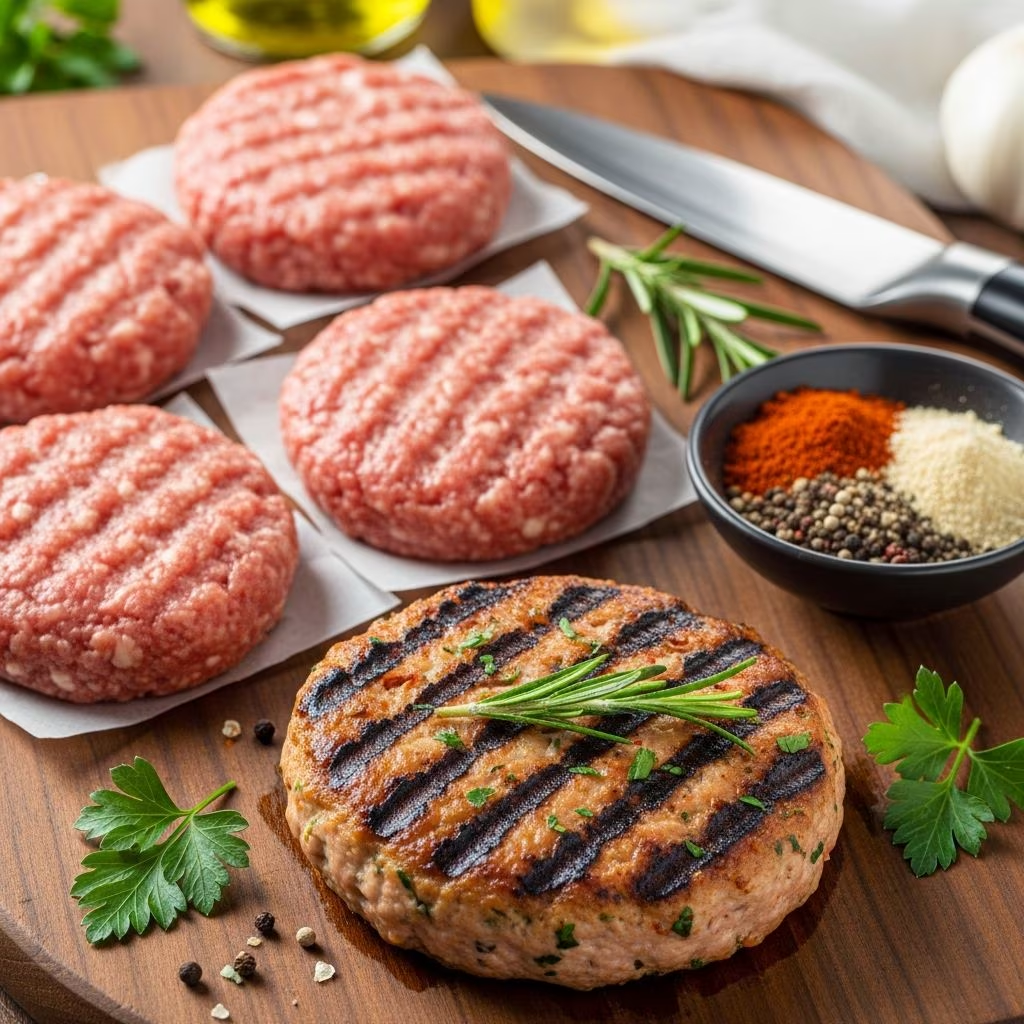
After mixing, divide the meat mixture into equal portions before shaping. For standard burgers, create four patties per pound of meat. For slider-sized portions, aim for ten smaller patties per pound. Shape each portion into a flat patty approximately one-half inch thick. Creating a slight indentation in the center of each patty prevents excessive shrinkage and bulging during cooking.
Allowing prepared patties to rest in the refrigerator for thirty minutes before cooking helps them hold their shape during the cooking process. This resting period allows the bread components to fully absorb moisture and the egg to partially set, creating more stable patties that maintain their form throughout cooking.
Cooking Methods and Temperature Control
Grilling for Superior Results
Grilling represents the preferred cooking method for turkey patties, as the direct heat creates attractive browning while the grates allow fat to drain away. Preheat your grill to medium-high heat (approximately 400 degrees Fahrenheit), brushing the grates with oil to prevent sticking. Place patties on the grill and cook for approximately five to eight minutes per side, depending on thickness and grill temperature. The internal temperature must reach 165 degrees Fahrenheit for food safety compliance.
Pan-Frying for Convenience
When grilling proves impractical, pan-frying offers an equally effective cooking method. Heat oil in a skillet over medium heat, adding patties once the oil shimmers. Cook for approximately five minutes per side, until golden brown and the internal temperature reaches 165 degrees Fahrenheit. This method allows better visual monitoring of browning and provides opportunities to adjust heat as needed.
Complementary Condiment Options
While turkey patties taste excellent independently, strategic condiments enhance the overall eating experience. A lemon herb mayonnaise combines good quality mayonnaise with fresh basil, parsley, lemon juice, and zest, creating a bright, sophisticated accompaniment. Feta-based sauce introduces creamy tanginess that complements Moroccan-inspired spice blends.
Traditional mustard options work exceptionally well with turkey, with Dijon mustard offering creamier texture and less vinegar intensity compared to yellow varieties. Sriracha mayo appeals to those preferring spiced condiments. These accompaniments should enhance rather than mask the patties’ carefully developed flavors.
Ingredient Selection and Shopping Guide
| Ingredient Category | Recommended Options | Reasons for Selection |
|---|---|---|
| Ground Turkey | 93% lean thighs or blend | Provides adequate fat for moisture retention while maintaining health benefits |
| Breadcrumbs | Panko or oil-soaked bread | Superior moisture absorption and texture compared to standard breadcrumbs |
| Eggs | Large, room temperature | Optimal binding and moisture distribution throughout mixture |
| Aromatics | Fresh garlic and red onion | Provide moisture and flavor complexity when finely minced |
| Herbs | Fresh parsley or cilantro | Contribute bright flavors without requiring cooking time |
| Condiments | Dijon mustard, mayo, or applesauce | Add moisture and umami depth to finished patties |
Frequently Asked Questions
Why do my turkey patties always turn out dry?
Dryness typically results from using overly lean ground turkey (breast meat), overcooking beyond 165 degrees Fahrenheit, or insufficient binding ingredients. Ensure you’re using ground turkey thighs or a blend containing at least 85% lean meat. Include adequate breadcrumbs, eggs, and moisture-rich ingredients like mayonnaise or applesauce. Cook only until the internal temperature reaches exactly 165 degrees—overcooking by even a few degrees removes critical moisture.
Can I prepare patties ahead of time?
Yes, preparing patties several hours or even one day ahead improves results. Shape patties, place them on a parchment-lined baking sheet, and refrigerate. They can remain refrigerated for up to twenty-four hours before cooking. Some cooks prefer freezing shaped patties for up to three months, cooking them directly from frozen with slightly increased cooking times.
What’s the best way to season without overpowering the turkey?
Focus on foundational seasonings—salt, pepper, garlic, and onion—before adding specialized spices. Build complexity gradually rather than combining numerous strong flavors simultaneously. Fresh herbs typically provide better results than dried varieties because they introduce brightness without intensity.
Should I use breadcrumbs or eggs as my binding agent?
Combining both ingredients produces superior results compared to using either alone. Eggs provide structural binding while breadcrumbs absorb and retain moisture. Together, they create patties that hold their shape while remaining juicy and tender.
How do I know when patties are finished cooking?
Always verify doneness using an instant-read meat thermometer inserted into the thickest part of the patty. The internal temperature must reach 165 degrees Fahrenheit for food safety. Visual browning alone doesn’t guarantee that the interior has reached safe temperatures.
Serving Suggestions and Flavor Pairings
Turkey patties pair beautifully with numerous toppings and accompaniments. Crisp lettuce, ripe tomato slices, thin red onion, and fresh cucumber slices provide textural contrast and refreshing flavors. Whole grain or multigrain buns complement the lean protein better than white bread varieties, adding nutritional value and interesting texture.
For more adventurous presentations, consider Mediterranean-inspired combinations with feta cheese, roasted red peppers, and kalamata olives. Asian-influenced variations incorporating ginger, soy sauce, and sesame elements create entirely different flavor profiles using the same basic turkey patty foundation.
Nutritional Considerations
Ground turkey patties offer significant nutritional advantages compared to beef alternatives. A typical turkey patty provides approximately 25-30 grams of protein while containing substantially less saturated fat than equivalent beef burgers. Using ground turkey thighs instead of breast meat maintains adequate fat content for satiety while still providing a leaner protein source than conventional beef.
By controlling oil used during cooking and selecting mustard-based condiments instead of mayonnaise-heavy options, you can further optimize the nutritional profile without sacrificing flavor or moisture.
References
- Spiced Up Turkey Burgers Recipe with Lemon Herb Mayo — Tori Avey. Accessed April 2026. https://toriavey.com/turkey-burgers/
- Moroccan-Spiced Turkey Burgers with Feta Sauce — Ambitious Kitchen. Accessed April 2026. https://www.ambitiouskitchen.com/moroccan-spiced-turkey-burgers/
- Juicy Turkey Burgers (Ready in 20 Minutes) — Healthy Recipes Blog. Accessed April 2026. https://healthyrecipesblogs.com/turkey-burgers/
- Best Turkey Burger Recipe — Delish. Accessed April 2026. https://www.delish.com/cooking/recipe-ideas/a19664658/best-turkey-burger-recipe/
- Juicy Seasoned Turkey Burgers — FoodLove.com. Accessed April 2026. https://foodlove.com/seasoned-turkey-burgers/
- Best Turkey Burger Recipe (Juicy, Never Dry) — Killing Thyme. Accessed April 2026. https://www.killingthyme.net/best-turkey-burger-recipe/