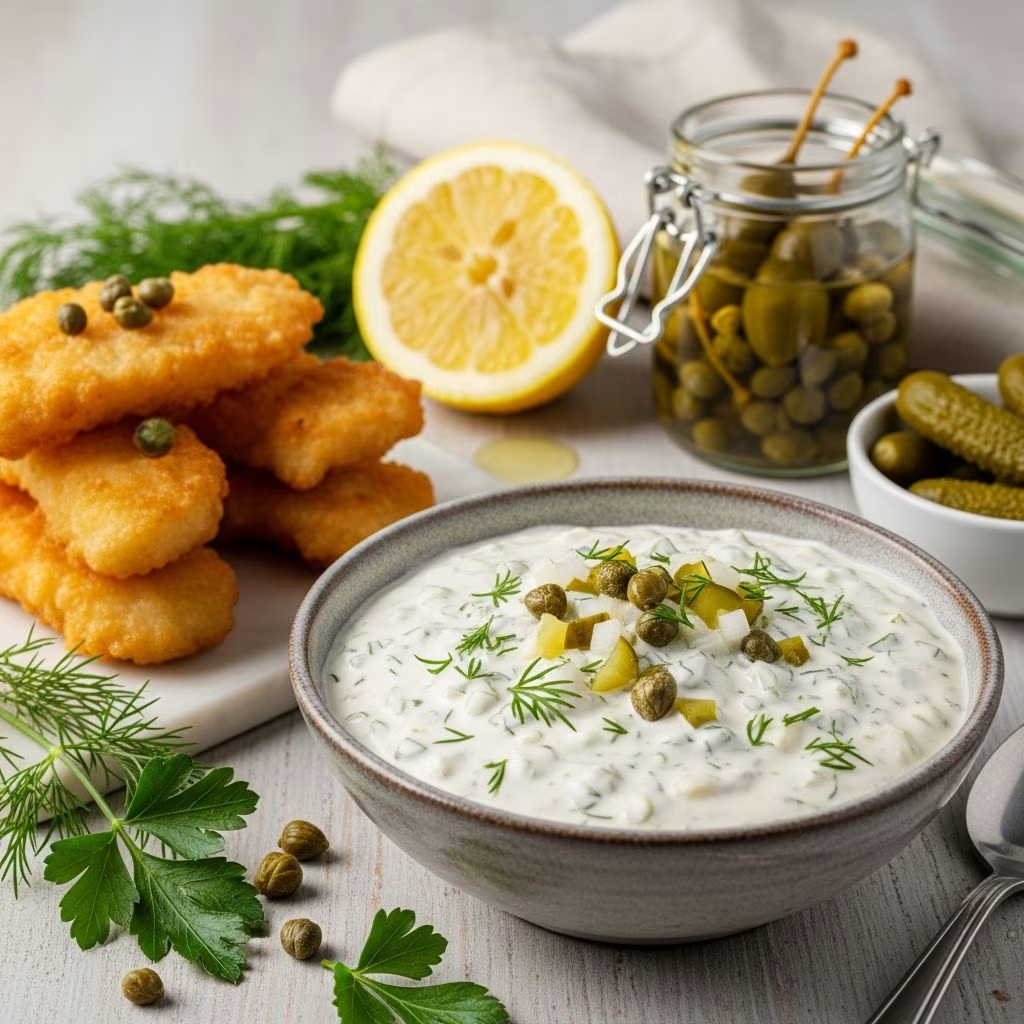
Tartar sauce stands as a quintessential accompaniment to seafood dishes, offering a perfect balance of creamy texture and tangy brightness. Rather than relying on commercial versions that often contain preservatives and artificial flavors, creating your own tartar sauce at home requires minimal effort and delivers superior taste. This comprehensive guide explores everything you need to know about preparing this versatile condiment in your own kitchen.
Understanding the Foundation of Tartar Sauce
The essence of tartar sauce lies in its simplicity. At its core, this creamy condiment combines mayonnaise with pickled elements and acidic components to create a sauce that enhances seafood without overpowering it. The beauty of making tartar sauce at home is that you control every ingredient, allowing you to adjust flavors to match your personal preferences and dietary needs.
Mayonnaise serves as the backbone of this sauce, providing the creamy base that binds all other ingredients together. The quality of your mayonnaise directly impacts the final result, making it worthwhile to select a premium brand or even prepare your own from scratch. This foundation represents approximately 60-70% of the total volume, ensuring that the sauce maintains its characteristic smooth consistency.
Essential Ingredients for Traditional Preparation
Creating an exceptional tartar sauce begins with understanding each ingredient’s role. While variations abound, certain core components appear consistently across successful recipes.
- Mayonnaise – The primary ingredient that creates the creamy texture and provides richness
- Dill pickles – Finely chopped pickles contribute briny, tangy notes and a subtle crunch
- Lemon juice – Fresh lemon juice brightens the sauce and adds complexity to the flavor profile
- Pickled relish – Sweet or dill-flavored relish adds depth and subtle sweetness
- Capers – These small pickled buds deliver concentrated umami and salty intensity
- Dijon mustard – A small quantity adds peppery notes and enhances overall tang
- Shallots or onions – Finely minced alliums provide sharp, savory undertones
- Fresh herbs – Dill or parsley contribute aromatic freshness
- Seasoning – Salt and freshly ground black pepper round out the flavor
Step-by-Step Preparation Instructions
Making tartar sauce involves straightforward techniques that yield impressive results. The preparation process requires approximately ten minutes from start to finish, making it an efficient addition to your cooking routine.
Ingredient Preparation Phase
Begin by preparing your base ingredients. Take your dill pickles and dice them into small, uniform pieces approximately one-eighth inch in size. This ensures consistent texture throughout the sauce. If using capers, rinse them gently under cool water to remove excess salt, then mince them finely. For shallots or onions, slice thinly before mincing into very small pieces. Squeeze fresh lemon juice directly from the fruit, straining out any pulp or seeds.
Combining and Mixing
In a clean, dry bowl, combine one cup of high-quality mayonnaise as your base. Add approximately one tablespoon each of minced capers and diced dill pickles. If using relish, incorporate about one tablespoon, ensuring you drain excess liquid to prevent a watery consistency. Add one-half teaspoon of fresh lemon juice, one-quarter teaspoon of Dijon mustard, and two tablespoons of finely minced shallots. Include one-quarter teaspoon of onion powder if desired for additional savory depth.
Using a fork or small whisk, blend all ingredients thoroughly until evenly distributed. The mixture should appear cohesive without visible separation. Taste the sauce and adjust seasonings as needed, adding more lemon juice for brightness, salt for depth, or capers for additional tang.
Flavor Enhancement Strategies
While the classic tartar sauce recipe remains beloved for good reason, numerous variations exist that expand its application possibilities. Understanding how to modify the base recipe allows you to create versions tailored to specific dishes or personal taste preferences.
Achieving Spicy Variations
For those who enjoy heat, incorporate cayenne pepper in quarter-teaspoon increments, tasting between additions. Alternatively, add a small amount of hot sauce such as Tabasco or Crystal brand, beginning with one-quarter teaspoon. Prepared horseradish adds both heat and complexity; drain it well before incorporating one-half teaspoon to begin. This spicy variation pairs exceptionally well with robust white fish or fried oysters.
Creating Mediterranean Adaptations
Transform your tartar sauce with Mediterranean flavors by adding chopped kalamata olives, reducing the amount of pickles slightly to maintain proper texture. Include one-quarter teaspoon of dried oregano and a small pinch of garlic powder. This variation complements fish prepared with olive oil-based preparations beautifully.
Smoky and Bold Versions
Incorporate smoked paprika at one-quarter teaspoon to introduce subtle smokiness. For deeper complexity, add one-eighth teaspoon of chipotle powder or a small amount of chipotle in adobo sauce, finely minced. These modifications work particularly well with grilled fish or rich preparations like crab cakes.
Herb-Forward Interpretations
Increase fresh dill or parsley to one-half teaspoon for more pronounced herbal characteristics. Add fresh tarragon if available, using just one-eighth teaspoon due to its powerful flavor. These herb-centric versions complement delicate white fish and shellfish elegantly.
Storage and Shelf Life Considerations
Homemade tartar sauce maintains its quality when stored properly. Transfer the finished sauce to a glass container with an airtight seal and refrigerate immediately. The sauce will keep safely for approximately seven days under proper refrigeration. The acidic components in pickles and lemon juice act as natural preservatives, extending shelf life beyond many other homemade condiments.
Before using sauce that has been stored, stir it gently to recombine any separated liquids. If the consistency seems too thick after refrigeration, thin it slightly with additional lemon juice or a small amount of Greek yogurt for a lighter texture. Do not freeze tartar sauce, as the mayonnaise base can separate during thawing, creating an undesirable grainy texture.
Serving Suggestions and Culinary Pairings
Tartar sauce transcends simple fish accompaniment to become a versatile condiment worthy of exploration. Understanding optimal pairing combinations elevates both the sauce and the dish it accompanies.
| Seafood Preparation | Sauce Variation | Why It Works |
|---|---|---|
| Fried Fish Fillets | Classic with cayenne | Cuts through richness; heat complements fried coating |
| Grilled Salmon | Herb-forward with fresh dill | Complements salmon’s richness; dill is traditional pairing |
| Crab Cakes | Spicy with horseradish | Heat balances sweet crab meat; horseradish adds pungency |
| Fried Oysters | Spicy with hot sauce | Enhances briny flavor; heat cuts through richness |
| Fish Tacos | Lime-enhanced variation | Aligns with citrus-forward taco fillings |
| Shrimp Cocktail | Classic Mediterranean | Light option complements delicate shrimp |
Beyond Seafood Applications
While traditionally paired with seafood, tartar sauce proves surprisingly versatile. Chicken sandwiches benefit from its tangy creaminess, particularly when the chicken is fried or breaded. Vegetable fritters become more complex when dressed with this condiment. Even grilled vegetables can receive pleasant textural and flavor contrasts from a dollop of tartar sauce.
Frequently Asked Questions
Can I use Greek yogurt instead of mayonnaise?
Yes, you can substitute half the mayonnaise with Greek yogurt to reduce calories and fat while increasing tanginess. This creates a lighter sauce that remains creamy and flavorful. The yogurt should be full-fat for best results, as non-fat versions may create excessive tang without adequate richness.
What type of pickles work best?
Baby dill pickles offer superior crunch and flavor concentration due to their higher surface area relative to volume. Dill varieties generally work better than sweet pickles for traditional tartar sauce, though you can blend both types for a balanced flavor. Avoid bread-and-butter pickles unless deliberately seeking sweetness.
Should I use fresh or dried herbs?
Fresh herbs provide superior flavor and visual appeal. However, dried dill works acceptably well when fresh is unavailable. If substituting, use approximately one-third the amount of dried herb compared to fresh, as drying concentrates flavors significantly.
How can I make tartar sauce less tangy?
Reduce the amount of lemon juice and pickles, replacing some of the tang with additional mayonnaise or Greek yogurt. A tiny pinch of sugar can also balance excessive acidity without creating sweetness.
Is there a vegan version available?
Yes, substitute plant-based mayonnaise for dairy mayonnaise in equal quantities. Ensure all other ingredients are vegan-certified. The resulting sauce maintains similar flavor and texture profiles.
Ingredient Quality Considerations
The quality of your final product depends significantly on ingredient selection. Use fresh lemon juice rather than bottled versions, which contain preservatives that can affect flavor. Select mayonnaise from a reputable manufacturer, preferably one using traditional egg-based preparation methods. Fresh herbs stored properly in your refrigerator outperform dried varieties substantially, though both remain viable options depending on availability and preference.
Troubleshooting Common Issues
If your sauce appears too thin, incorporate additional mayonnaise or drain excess liquid from the pickles before adding them. Conversely, if the sauce seems too thick, thin it gradually with fresh lemon juice, adding approximately one-quarter teaspoon at a time while stirring. A sauce that tastes overly salty benefits from additional mayonnaise or Greek yogurt to dilute the salt concentration.
Should the sauce separate after refrigeration, simply stir it thoroughly with a fork. If separation persists despite stirring, the mayonnaise may have broken during preparation or storage. In this case, combine one-quarter cup of fresh mayonnaise with the broken sauce and whisk vigorously to reconstruct the emulsion.
Making Tartar Sauce Part of Your Regular Repertoire
Preparing homemade tartar sauce empowers you to create restaurant-quality accompaniments without commercial limitations. The minimal time investment and simple ingredient requirements make this condiment an accessible addition to your cooking skills. Whether serving traditional fried fish or experimenting with creative applications, fresh homemade tartar sauce elevates meals while allowing complete control over flavor development and ingredient selection. Start with the classic formula, then gradually explore variations that align with your evolving palate and culinary interests.
References
- Tartar Sauce Recipe — Love and Lemons. Accessed April 2026. https://www.loveandlemons.com/tartar-sauce/
- Tartar Sauce Recipe (with Video) — Natasha’s Kitchen. Accessed April 2026. https://natashaskitchen.com/tartar-sauce-recipe/
- Restaurant Style Tartar Sauce Recipe — Ask Chef Dennis. Accessed April 2026. https://www.askchefdennis.com/homemade-tartar-sauce/
- Chef’s Favorite Tartar Sauce — YouTube. Accessed April 2026. https://www.youtube.com/watch?v=t_qoCvQjhFs
- Easy Homemade Tartar Sauce Recipe — Chef Billy Parisi. Accessed April 2026. https://www.billyparisi.com/easy-homemade-tartar-sauce-recipe/