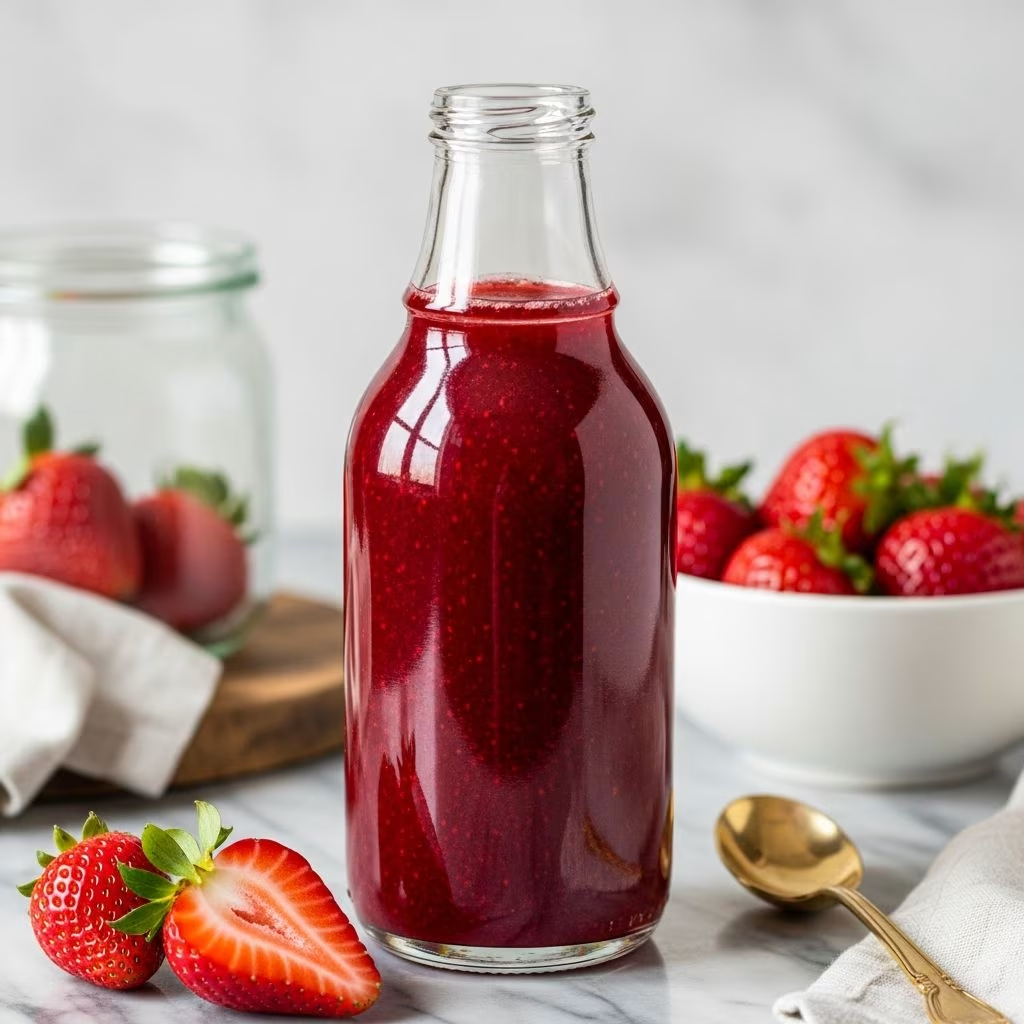
Creating strawberry syrup from scratch offers a rewarding culinary experience that transforms simple seasonal fruit into a versatile condiment. Whether you’re looking to enhance cocktails, drizzle over breakfast items, or incorporate into desserts, understanding the fundamentals of syrup production empowers home cooks to achieve professional-quality results. This guide explores every aspect of making strawberry syrup, from ingredient selection through final storage.
Understanding the Basics of Fruit Syrups
A fruit syrup represents a concentrated mixture created by combining fruit with sugar and heat. The process extracts natural flavors and creates a thick, pourable consistency suitable for various applications. Unlike jam or preserves, syrups maintain a thinner texture, making them ideal for beverages and as finishing touches on dishes. The fundamental principle involves breaking down fruit cells to release their liquid content, then concentrating that liquid through heating and straining.
Strawberry syrup specifically capitalizes on the fruit’s natural sweetness and delicate flavor profile. When prepared correctly, the syrup captures the essence of fresh berries while achieving a beautiful deep red color. The cooking process concentrates sugars naturally present in the fruit, creating a product that requires minimal additional sweetening.
Essential Ingredients for Quality Syrup Production
Selecting Strawberries
The foundation of exceptional strawberry syrup begins with thoughtful fruit selection. Fresh strawberries at peak ripeness deliver superior flavor compared to underripe alternatives. When shopping, look for berries displaying a vibrant, consistent red color throughout, avoiding those with white or pale patches. The fruit should emit a sweet, fragrant aroma—a reliable indicator of flavorful berries. Firmness matters as well; select berries that feel slightly yielding but not mushy, as overripe fruit may contain excess moisture that affects syrup consistency.
Seasonal availability significantly impacts syrup quality. During peak strawberry season, typically spring through early summer, berries possess optimal flavor concentration and natural pectin levels. If fresh local strawberries are unavailable, frozen strawberries picked at peak ripeness offer a viable alternative, though fresh varieties generally produce superior results.
Sugar and Water Considerations
Granulated white sugar forms the standard sweetening agent for strawberry syrup. This refined sugar dissolves readily during heating and creates a clear final product. The ratio of sugar to fruit varies depending on desired sweetness and texture—recipes typically employ equal parts sugar and water, then adjust based on the fruit component.
Water serves as the medium that allows sugar to dissolve and combines with fruit juices released during cooking. Using filtered or distilled water prevents any chlorine or mineral flavors that might interfere with the pure strawberry taste. The amount of water influences syrup thickness; less water creates a more concentrated, viscous final product, while additional water results in a thinner consistency.
Preparation Techniques That Maximize Flavor
Washing and Hulling Methods
Proper fruit preparation ensures clean, contaminant-free syrup. Begin by rinsing strawberries under cool running water, gently rubbing them with your fingers to remove any dirt or debris. Pat them dry with paper towels to remove excess surface moisture.
Hulling—the removal of the green crown and stem—requires a gentle approach. Using a small paring knife, insert the blade at an angle just below the green top, then rotate the berry while cutting to remove a small cone containing the stem and leafy portions. This technique minimizes fruit waste compared to simply pulling off the tops. For smaller berries, leaving them whole after hulling works well; larger specimens benefit from halving or quartering to increase surface area exposed during cooking.
Cutting and Sizing
Consistent sizing promotes even cooking throughout the batch. Cut berries into pieces approximately ½ to ¾ inches in diameter. Uniform sizing ensures that all fruit particles break down at similar rates, preventing some pieces from becoming overly soft while others remain intact. This consistency translates into smoother texture and more balanced flavor distribution in the finished syrup.
The Cooking Process: Step-by-Step Execution
Initial Combination and Heat Management
Combine prepared strawberries, sugar, and water in a medium saucepan suitable for your batch size. A 2-quart to 4-quart saucepan generally provides adequate capacity while allowing room for the mixture to bubble without boiling over. Stir ingredients together until the sugar begins dissolving into the fruit’s natural juices.
Place the saucepan over medium-high heat and bring the mixture to a gentle boil. Stirring occasionally helps distribute heat evenly and ensures sugar fully dissolves. As the mixture heats, you’ll notice the strawberries beginning to release their liquid, gradually transforming from distinct pieces to a cohesive cooking mass.
Simmering and Breaking Down Fruit
Once the mixture reaches a rolling boil, immediately reduce the heat to low or medium-low. This crucial step prevents the syrup from darkening too quickly and maintains better flavor development. Maintain a gentle simmer—small bubbles breaking the surface with occasional larger bubbles—rather than a vigorous boil that could scorch the bottom or cause excessive evaporation.
Simmer the fruit and sugar mixture for approximately 10 to 20 minutes, depending on your recipe variation and desired thickness. During this time, the strawberry pieces gradually break down and their cellular structure releases flavors and natural pectin. Some recipes employ an immersion blender at this stage to further reduce fruit particles, creating a smoother consistency. Stir periodically and monitor the mixture to ensure even cooking.
Optional Steeping for Enhanced Extraction
After simmering reaches completion, some preparation methods benefit from a steeping period. Remove the saucepan from heat, cover it with a lid, and allow the mixture to rest for 10 to 15 minutes at room temperature. This resting phase permits continued flavor extraction without additional cooking, deepening the strawberry character and intensifying color development. The covered container traps aromatic compounds that might otherwise escape as steam.
Straining and Achieving Optimal Clarity
Separating the flavorful liquid from solid fruit particles creates the characteristic smooth, pourable syrup texture. Place a fine-mesh strainer over a clean medium bowl or measuring cup. Carefully pour the hot strawberry mixture through the strainer, allowing gravity to pull liquid into the container below.
Patience proves essential during this stage. Allow the mixture to drain for 10 to 15 minutes without pressing or squeezing the fruit solids. Applying pressure forces fruit pulp through the mesh, clouding the syrup and altering its texture. The resulting liquid should appear clear and deep red, while the strawberry solids can be discarded or composted.
For ultra-refined texture, double-straining through cheesecloth provides additional filtration, though this extra step proves optional for most home applications.
Optional Flavor Enhancements and Variations
Acidic Components
Fresh lemon juice introduced after cooking adds brightness and complexity to strawberry syrup. The citric acid balances sweetness and enhances the fruit’s natural flavor perception. Typically, ½ to 1 tablespoon of fresh lemon juice per cup of finished syrup creates optimal balance, though personal preference guides the amount.
Spiced and Herbal Infusions
Creative cooks can incorporate complementary flavors such as vanilla extract, fresh mint, or black peppercorns during the steeping phase. These additions create sophisticated variations suitable for advanced cocktails or gourmet dessert applications. Remove any solid additions before final straining.
Cooling, Storage, and Shelf Life Considerations
Proper Cooling Procedures
Allow the finished syrup to cool to room temperature before transferring to storage containers. Hot syrup can generate condensation and moisture in sealed jars, potentially affecting preservation. Cooling typically requires one to two hours depending on ambient temperature and syrup quantity.
Container Selection and Storage
Glass jars with tight-sealing lids provide ideal storage vessels. Sterilize containers by washing them thoroughly with hot soapy water and rinsing completely, then filling with boiling water twice to ensure cleanliness. Wipe dry before filling with cooled syrup.
Refrigerated storage extends syrup shelf life to approximately 2 to 3 weeks. For longer preservation, freezing in freezer-safe containers maintains quality for up to 3 months. Frozen syrup thaws to proper consistency when needed and performs well in most applications.
Practical Applications and Usage Ideas
Beverage Enhancements
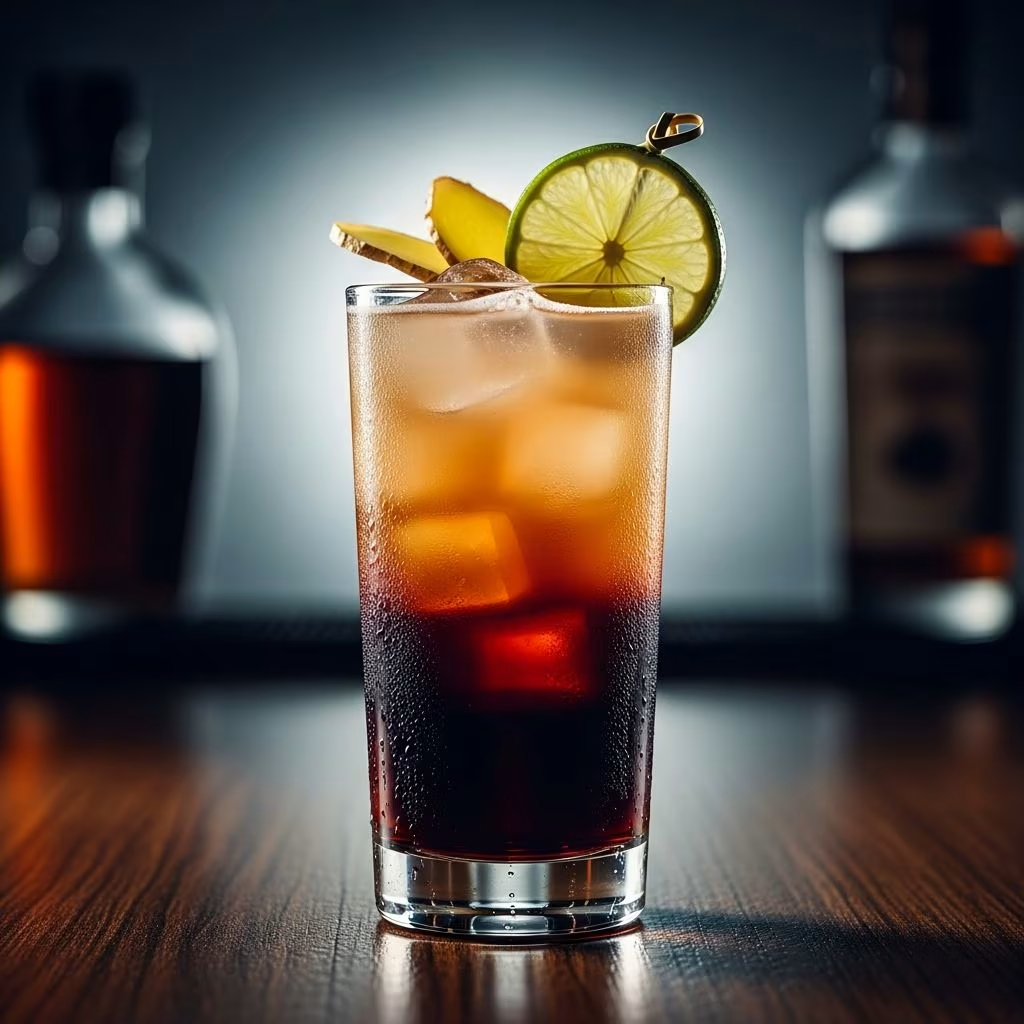
Strawberry syrup transforms basic beverages into sophisticated drinks. Stir into cocktails like margaritas or mojitos, combine with sparkling water for homemade soda, or mix into lemonade for enhanced flavor. A tablespoon or two typically flavors a standard glass.
Breakfast and Dessert Uses
Drizzle over pancakes, waffles, French toast, or oatmeal for vibrant breakfast applications. The syrup complements vanilla ice cream, Greek yogurt, or cheesecake. Creative bakers incorporate it into cakes, frosting, or decorative plating.
Troubleshooting Common Issues
| Issue | Cause | Solution |
|---|---|---|
| Syrup too thin | Insufficient cooking or excess water | Return to stovetop and simmer longer, or reduce liquid in future batches |
| Syrup too thick | Over-reduction or excess sugar | Thin with water in small increments, or use less sugar next time |
| Cloudy appearance | Fruit pulp pressed through strainer | Use gentler straining technique; double-strain if necessary |
| Crystallization | Sugar concentration too high | Warm gently and stir to dissolve; add small water amount if needed |
| Weak flavor | Underripe berries or insufficient cooking time | Use peak-season fruit; extend cooking duration next time |
Frequently Asked Questions
Can I use frozen strawberries for syrup production?
Yes, frozen strawberries work well and often deliver consistent results. Since they’re typically frozen at peak ripeness, flavor remains well-preserved. Thaw them completely before beginning preparation, and account for additional liquid released during thawing.
How does homemade syrup compare to commercial versions?
Homemade syrup contains no preservatives or artificial additives, offering pure fruit flavor and customizable sweetness levels. The taste and color reflect actual strawberry quality rather than standardized commercial formulations, often providing superior sensory experience.
Is it possible to adjust sweetness in finished syrup?
Yes, cool syrup can be thinned with water if too sweet, or additional sugar can be dissolved into warmed syrup if more sweetness is desired. Always cool completely before storing after any adjustments.
What’s the difference between syrup and jam?
Syrups maintain pourable consistency and contain primarily liquid with minimal fruit solids, while jams contain more fruit pieces suspended in gel. Syrup cooking times are shorter, and straining removes solids rather than incorporating them.
Can syrup be canned for shelf-stable storage?
Home canning of low-acid syrups requires specific techniques beyond this basic recipe. For food safety, refrigerate or freeze homemade strawberry syrup rather than attempting shelf-stable canning without proper guidance.
References
- Strawberry Simple Syrup Recipe — Earthly Provisions. 2024. https://earthly-provisions.com/strawberry-simple-syrup-recipe/
- Homemade Strawberry Simple Syrup (with Fresh Strawberries) — Bakes by Brown Sugar. 2024. https://bakesbybrownsugar.com/strawberry-simple-syrup/
- How to Make Homemade Strawberry Syrup (2-ingredients!) — Sweet Simple Vegan. 2024. https://sweetsimplevegan.com/homemade-strawberry-syrup/
- Simple Strawberry Syrup Recipe — Preppy Kitchen. 2024. https://preppykitchen.com/strawberry-syrup/
- Homemade Strawberry Syrup – Recipes — Tori Avey. 2024. https://toriavey.com/strawberry-simple-syrup/