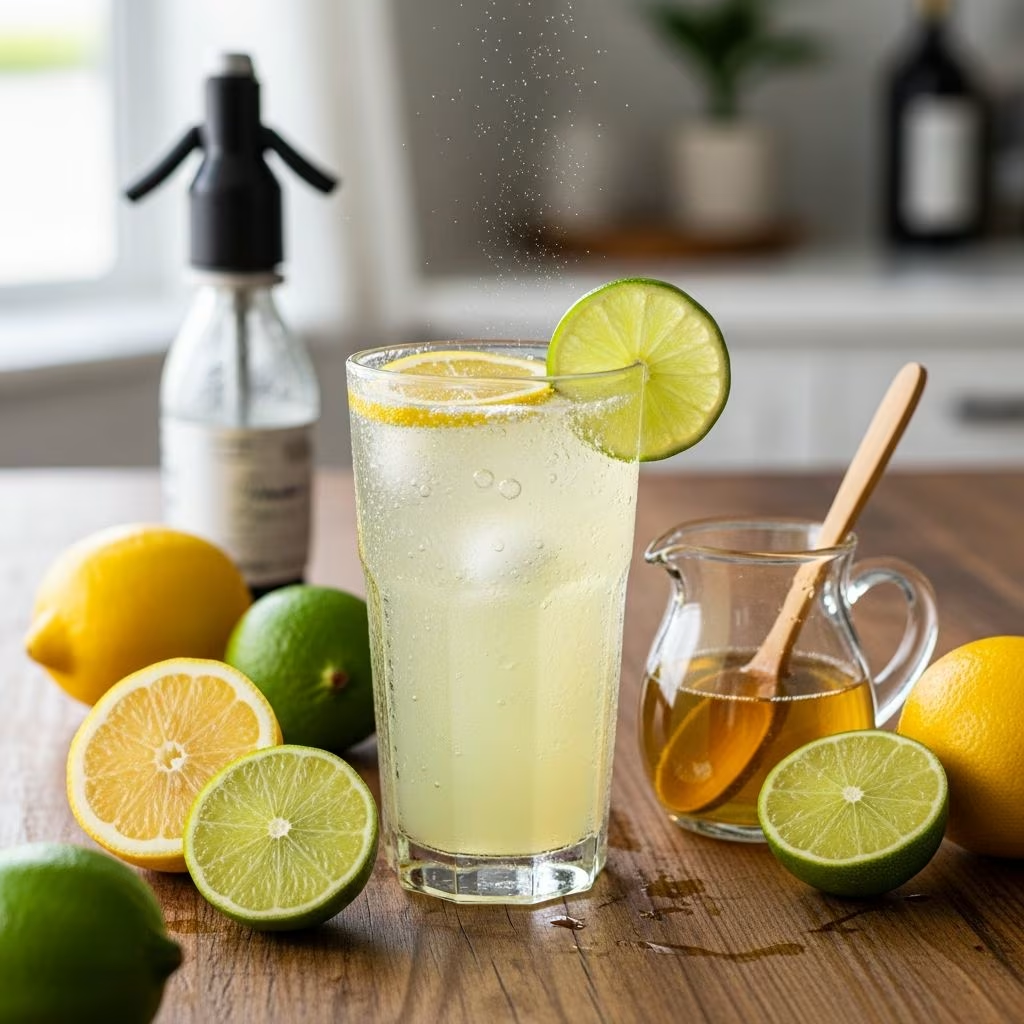
Commercial sodas contain numerous artificial ingredients, high-fructose corn syrup, and preservatives that many people prefer to avoid. Making your own lemon-lime soda at home offers a refreshing solution that allows complete control over ingredients, sweetness levels, and flavor intensity. This guide explores multiple approaches to crafting this classic citrus beverage in your own kitchen, each with distinct advantages depending on your preferences and available time.
Understanding the Foundation: What Makes Lemon-Lime Soda Distinctive
The characteristic taste of lemon-lime soda comes from the combination of two citrus fruits working in harmony. Unlike standalone lemonade or limeade, the balanced blend creates a more complex flavor profile that feels crisp and invigorating. The carbonation amplifies these flavors, creating the signature fizz that makes this beverage so appealing. When you prepare this drink at home, you achieve a brightness and freshness that commercial versions often lack due to extended shelf life requirements and ingredient degradation during storage and transportation.
The key to authentic replication lies in understanding how professional beverages develop their flavor foundation. Rather than simply mixing juice with carbonated water, the most successful homemade versions employ a syrup-based approach that concentrates flavors and ensures proper distribution throughout each serving.
The Essential Ingredients You’ll Need
Creating homemade lemon-lime soda requires minimal components, making this an accessible project for any home cook. The foundation depends on your chosen method, but several core ingredients remain consistent across most recipes.
Fresh Citrus Elements
Fresh lemons and limes form the backbone of authentic flavor. Using freshly squeezed juice rather than bottled versions significantly improves taste quality. Fresh citrus contains volatile compounds that contribute brightness and complexity, while bottled alternatives often taste flat or overly processed. The zest—the colored outer skin—provides additional flavor dimensions that pure juice alone cannot deliver. Ideally, select firm, heavy fruits with thin skins, as these typically contain more juice and superior flavor intensity.
Sweetening Agents
Traditional recipes call for granulated white sugar, which dissolves readily and creates a clean, neutral sweetness that doesn’t compete with citrus flavors. The amount of sugar varies depending on personal preference and your chosen preparation method. Some approaches use maple syrup or agave nectar as alternatives, which add subtle complexity while reducing the refined sugar content. These natural sweeteners work particularly well for those seeking healthier versions of the classic beverage.
Carbonation Source
Sparkling water or seltzer provides the essential fizz that transforms a simple juice mixture into authentic soda. Club soda and flavored sparkling water can work, though unflavored versions allow your homemade syrup to shine without competing tastes. The quality of carbonation matters—freshly opened bottles or cans deliver superior fizz compared to partially flat beverages.
Optional Flavor Enhancers
A tiny pinch of sea salt enhances flavor perception without adding detectable saltiness, a technique used in professional beverage development. Fresh mint leaves contribute refreshing notes and visual appeal, while candied or fresh ginger adds warming spice that complements citrus beautifully. These optional additions allow for creative customization based on your mood and available ingredients.
Method One: The Traditional Syrup Approach
This classic technique creates a concentrated syrup that stores well in the refrigerator, allowing you to prepare beverages quickly whenever desired. Begin by combining three cups of granulated sugar with one cup of water in a medium saucepan. Add one and one-quarter cups of fresh lemon juice and half a cup of fresh lime juice to this mixture. Place the pan over medium heat, stirring constantly until all sugar crystals completely dissolve. This typically requires five to ten minutes of consistent stirring. Once the sugar has fully incorporated, remove the pan from heat and allow the mixture to cool to room temperature before transferring to a storage container.
This syrup remains viable in the refrigerator for several weeks, making it convenient for frequent beverage preparation. To serve, pour approximately one-quarter cup of syrup into a large glass, then top with about one cup of seltzer or sparkling water. The pouring action typically mixes the components sufficiently, though a quick stir ensures complete blending. This method works equally well with regular tap water if you prefer a still beverage without carbonation.
Method Two: The Fresh Zest Infusion Technique
This more refined approach captures additional flavor nuances by incorporating citrus zest directly into the syrup. Begin by using a microplane to create zest from approximately four limes and three lemons. Pour half a cup of freshly squeezed lemon juice and half a cup of freshly squeezed lime juice into a bowl. Add half a cup of granulated sugar and all the collected zest to the juice. Using your fingers, massage the sugar and zest together for two to three minutes until the mixture becomes fragrant and the sugar loses its stark white appearance.
Transfer this mixture to a small saucepan and heat over medium-low temperature, stirring occasionally. Allow it to reach a gentle simmer and maintain this temperature until all sugar dissolves completely. Once the sugar has incorporated, remove the pan from heat and let the zest steep in the hot syrup for a minimum of twenty minutes, ideally until the mixture reaches room temperature. This steeping period allows the zest to release essential oils and additional flavor compounds into the syrup. Once cooled, strain the mixture through a fine mesh sieve to remove all zest particles. Transfer the clarified syrup to a clean jar or storage container.
When ready to serve, add two to four tablespoons of this concentrated syrup to a glass filled with ice, then top with sparkling water and stir gently. The resulting beverage offers noticeably more complex citrus character than simpler preparations.
Method Three: The Rapid Natural Sweetener Option
For those seeking quicker preparation, this five-minute method works beautifully. In a tall glass, combine one and one-half tablespoons of fresh lemon juice with one tablespoon of fresh lime juice. Add one tablespoon of maple syrup or light agave nectar along with a small pinch of sea salt. Using a handheld whisk or immersion blender, thoroughly combine these elements until the sweetener fully incorporates and the mixture becomes homogeneous. Fill the glass with ice cubes and top with one and one-half cups of sparkling water. Stir gently and taste, adjusting any flavors as desired before consuming.
This approach bypasses syrup creation entirely, making it ideal for single servings or occasions when you want immediate gratification. The natural sweeteners provide subtle complexity while keeping refined sugar content lower than traditional methods. This technique works particularly well for individuals managing blood sugar levels or preferring reduced-sugar beverages.
Method Four: The Oleo Saccharum Foundation
Professional beverage makers employ this technique because it creates exceptional flavor depth. Peel the skins from four limes and two lemons, avoiding the bitter white pith. Collect these peels in a bowl and coat them thoroughly with half a cup of granulated sugar. Allow this mixture to rest at room temperature for six to twenty-four hours. During this time, the sugar extracts essential oils and compounds from the citrus peels, creating a fragrant, intensely flavored liquid at the bowl’s bottom.
Juice all the prepared citrus fruits and set the liquid aside. After the designated resting period, strain the oleo saccharum (the liquid collected in the bowl), and combine it with four teaspoons of the reserved juice. Mix this concentrated mixture directly with sparkling water to create the finished beverage. While this method requires advance planning, the resulting flavor closely mimics commercial sodas and often surpasses them in freshness and brightness.
Customization and Flavor Variations
The basic lemon-lime template accommodates numerous creative modifications. Fresh mint leaves steeped in the syrup create cooling, refreshing notes. A small quantity of ginger juice or ginger syrup adds warming spice that pairs beautifully with citrus. For those enjoying herbal elements, adding chamomile or elderflower infusions creates sophisticated flavor combinations.
Consider creating special ice cubes by freezing lemon and lime slices with fresh mint leaves or candied ginger pieces inside. These decorative ice cubes melt slowly, providing extended flavor throughout your beverage while maintaining carbonation longer than standard ice.
Storage and Shelf Life Considerations
Prepared syrups stored in sealed containers in the refrigerator typically remain fresh for three to four weeks. The high sugar content and citric acid in these preparations create a naturally preserved environment. However, monitor for any unusual odors or mold growth, and discard any syrup showing signs of spoilage. For longer storage, freeze portions in ice cube trays, allowing you to prepare individual servings months later by simply combining one or two frozen syrup cubes with sparkling water.
Prepared beverages should be consumed immediately for optimal carbonation and flavor, as fizz dissipates relatively quickly in homemade sodas without commercial preservation techniques.
Nutritional Considerations and Health Benefits
Homemade lemon-lime sodas offer significant advantages over their commercial counterparts. By controlling sugar quantities, you can reduce sweetness levels substantially while maintaining satisfying flavor. Using natural sweeteners like maple syrup or agave provides alternatives to high-fructose corn syrup and artificial sweetening agents. Fresh lemon and lime juice contribute vitamin C and various phytonutrients absent from processed beverages.
For individuals managing specific dietary concerns, this preparation method allows complete transparency regarding every ingredient used. Those with allergies or sensitivities can safely consume beverages knowing exactly what they contain.
Troubleshooting Common Issues
| Problem | Cause | Solution |
|---|---|---|
| Overly sweet beverage | Excessive syrup ratio | Use less syrup or add more sparkling water |
| Insufficient flavor | Insufficient citrus juice or zest | Increase juice ratio or add fresh zest to syrup |
| Flat or weak carbonation | Old or warm sparkling water | Use freshly opened, refrigerated sparkling water |
| Grainy syrup | Sugar crystallization during storage | Gently reheat syrup to dissolve crystals |
| Bitter aftertaste | Over-steeping zest or pith inclusion | Reduce steeping time or remove white pith before zesting |
Equipment and Tools You’ll Need
Creating homemade lemon-lime soda requires only basic kitchen equipment. A medium saucepan accommodates syrup preparation, while a fine mesh sieve strains zest or debris from finished syrup. A microplane zester efficiently creates fine zest particles that incorporate smoothly into syrups. Measuring cups and spoons ensure proper ingredient ratios, while a handheld whisk or immersion blender helps combine quick-method ingredients thoroughly. Storage containers like mason jars preserve syrup effectively for extended periods.
Frequently Asked Questions
Can I make this recipe without fresh citrus?
While fresh juice produces superior results, bottled lemon and lime juices work acceptably in a pinch. However, expect notably different flavor profiles, as bottled products contain preservatives that alter taste characteristics.
What carbonation level works best?
Highly carbonated sparkling water creates the most authentic soda experience. Lightly carbonated options produce more subtle fizz, while club soda containing minerals offers different flavor nuances.
Can I adjust sweetness levels after preparation?
Absolutely. You can reduce sweetness by using less syrup or adding extra sparkling water to individual servings. Conversely, add more syrup for sweeter beverages according to personal preference.
How long does homemade soda stay carbonated?
Carbonation typically begins diminishing within hours as fizz naturally escapes from the liquid. Commercial sodas remain carbonated longer due to special preservation techniques and sealed containers, but homemade versions taste best when consumed relatively quickly after preparation.
Can I make large batches for parties?
Prepare syrup in large quantities well in advance, then combine with sparkling water immediately before serving. Avoid mixing syrup with carbonation hours early, as this results in flat beverages.
Conclusion: Enjoying Your Homemade Creation
Creating your own lemon-lime soda elevates beverage preparation from a passive purchase to an engaging culinary project. Whether you prefer traditional syrup methods requiring advance planning or rapid preparations offering immediate gratification, these techniques accommodate various schedules and preferences. The resulting beverages deliver exceptional flavor while providing complete control over ingredients, sweetness levels, and nutritional content. Experiment with different methods and customizations until you discover the approach that best matches your taste preferences and lifestyle. Your homemade version will likely taste fresher and more vibrant than anything purchased commercially, making the modest preparation effort entirely worthwhile.
References
- Homemade Copycat Sprite Recipe – Easy, Frugal — Pennilless Parenting. https://pennilessparenting.com/2019/11/homemade-copycat-sprite-recipe-easy-frugal.html
- Homemade Sprite (Just 4 Ingredients) — Crowded Kitchen. https://www.crowdedkitchen.com/homemade-sprite/
- Homemade Sprite (Quick & Easy) — The Dizzy Cook. https://thedizzycook.com/homemade-sprite/
- Sprite – A Recipe with No Complicated Ingredients — Flavor Lab. https://www.flavorlab.xyz/recipes/sprite
- How To Make Sprite – A Healthy, Refreshing Alternative — Jenni Rain Cloud. https://jenniraincloud.com/diy-lemon-lime-refresher-your-healthy-alternative-to-sprite/