Barbecue sauce is the soul of any great grill-out, transforming simple meats into flavor-packed masterpieces. Whether you’re slathering it on ribs, chicken, or brisket, a good BBQ sauce balances sweetness, acidity, tang, and sometimes heat. Making it at home lets you control every note, avoiding the preservatives and high sugar in store-bought versions. This guide dives deep into crafting your own, exploring ingredients, techniques, variations, and more to help you become a sauce maestro.
Why Make Your Own BBQ Sauce?
Homemade BBQ sauce offers unmatched freshness and customization. Commercial sauces often rely on corn syrup and artificial flavors, but yours can feature real molasses, fresh garlic, and spices you love. It’s cost-effective too—a batch costs pennies compared to bottles. Plus, cooking it yourself builds skills for other condiments like hot sauces or marinades.
- Freshness: No shelf-stable additives; peak flavor from just-mixed ingredients.
- Customization: Adjust sweetness, heat, or smokiness to your palate.
- Versatility: Use as marinade, glaze, dip, or pizza sauce base.
- Healthier Options: Reduce sugar, add veggies like pureed peppers.
Essential Ingredients for BBQ Sauce Mastery
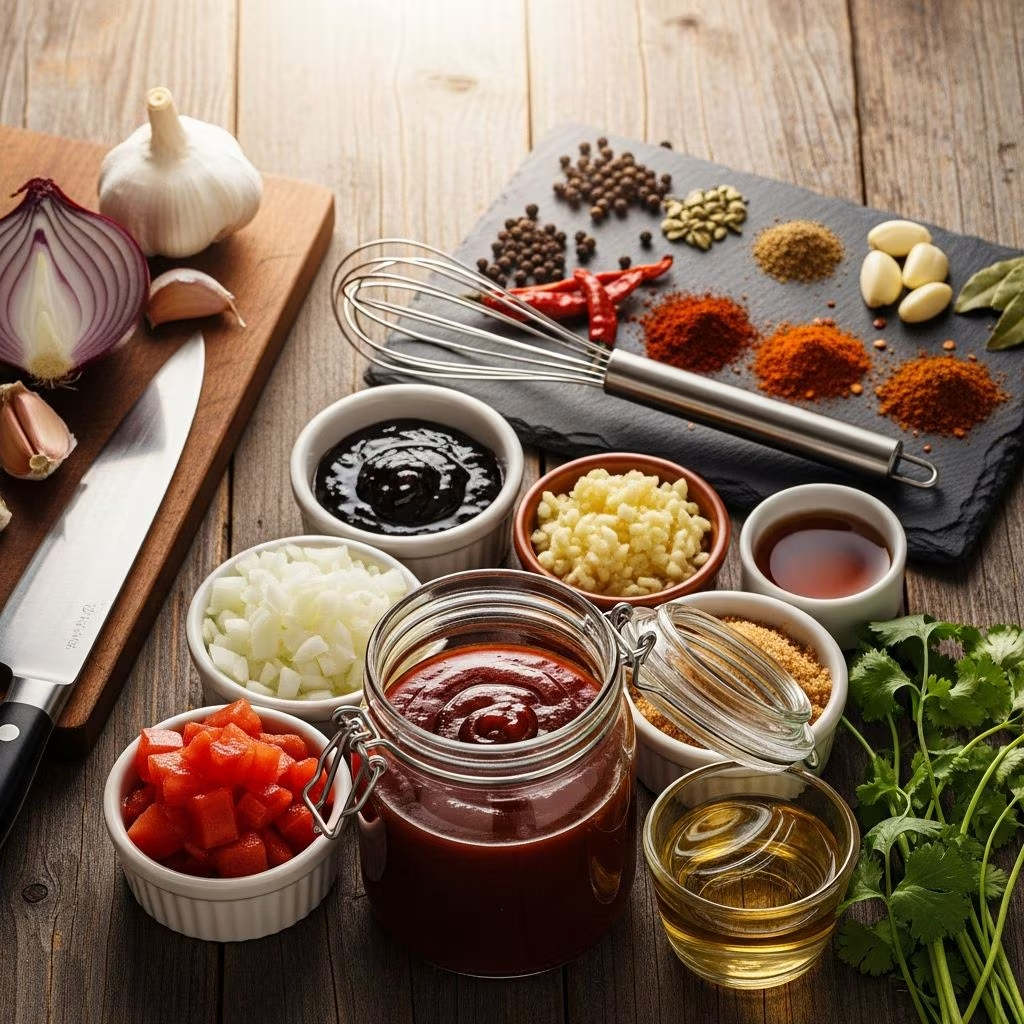
The foundation of great BBQ sauce lies in quality components. Start with a tomato base—ketchup for convenience or crushed tomatoes for purity. Sweeteners like brown sugar or honey provide depth, while vinegar (apple cider preferred) adds bite. Worcestershire sauce and liquid smoke amp up umami and that campfire essence.
| Ingredient | Role | Best Choices |
|---|---|---|
| Tomato Base | Main body and color | Ketchup, tomato paste, pureed canned tomatoes |
| Sweetener | Balances acidity | Brown sugar, molasses, honey, maple syrup |
| Acid | Tang and brightness | Apple cider vinegar, white vinegar, lemon juice |
| Umami Boosters | Savory depth | Worcestershire, soy sauce, fish sauce |
| Spices | Flavor complexity | Smoked paprika, garlic powder, onion powder, black pepper |
| Heat (optional) | Kick | Cayenne, hot sauce, fresh chiles |
Pro tip: Toast spices in a dry pan before adding to release aromas, elevating your sauce instantly.
Basic BBQ Sauce Recipe: Your Starting Point
Here’s a foolproof recipe yielding about 2 cups, ready in 30 minutes. Scale up for parties.
Ingredients
- 1 cup ketchup
- 1/2 cup apple cider vinegar
- 1/4 cup brown sugar
- 2 tbsp molasses
- 1 tbsp Worcestershire sauce
- 1 tsp smoked paprika
- 1 tsp garlic powder
- 1/2 tsp onion powder
- 1/2 tsp black pepper
- 1/4 tsp cayenne (optional)
- Salt to taste
Instructions
- Combine all in a saucepan over medium heat.
- Stir until sugar dissolves, about 5 minutes.
- Simmer 20-25 minutes, stirring occasionally, until thickened.
- Cool and taste; adjust seasoning.
- Store in jar.
This versatile base clings beautifully to grilled meats. For thinner dipping sauce, stop simmering earlier.
Regional BBQ Sauce Styles to Explore
America’s BBQ regions each boast signature sauces. Recreate them at home for authentic tastes.
Kansas City: Sweet and Sticky
Thick, molasses-rich, tomato-heavy. Ideal for burnt ends. Add extra honey and simmer longer for gloss.
Memphis: Tomato with a Bite
Balanced, slightly thinner, vinegar-kissed. Great on pork. Include mustard for tang.
Carolina: Vinegar and Pepper Forward
Mustard (South Carolina) or pure vinegar (East/North). No tomato; spice with red pepper flakes. Perfect for pulled pork.
Texas: Beefy and Bold
Thin, spicy, minimal sweet. Chili powder and cumin dominate. Suits brisket.
Experiment by blending styles—Kansas City base with Texas heat for fusion flair.
Advanced Techniques for Pro-Level Sauce
Elevate beyond basics with these methods.
- Infusions: Steep chipotle peppers or bourbon for layers.
- Reduction: Simmer 45+ minutes for intense flavor concentration.
- Fruit Additions: Puree peaches, cherries, or pineapple for fruity twists.
- Smoking: Add hickory chips to a stovetop smoker or grill pan.
- Fermentation: Age with a splash of kombucha for subtle funk (refrigerate 1 week).
For glossy finishes, whisk in butter at the end. Blend smooth with immersion blender for silky texture.
Pairing BBQ Sauce with Meats and Sides
Match sauce to protein for harmony.
- Ribs: Sweet Kansas City; mop during low-and-slow cook.
- Chicken: Tangy Carolina; marinate overnight.
- Brisket: Bold Texas; serve on side.
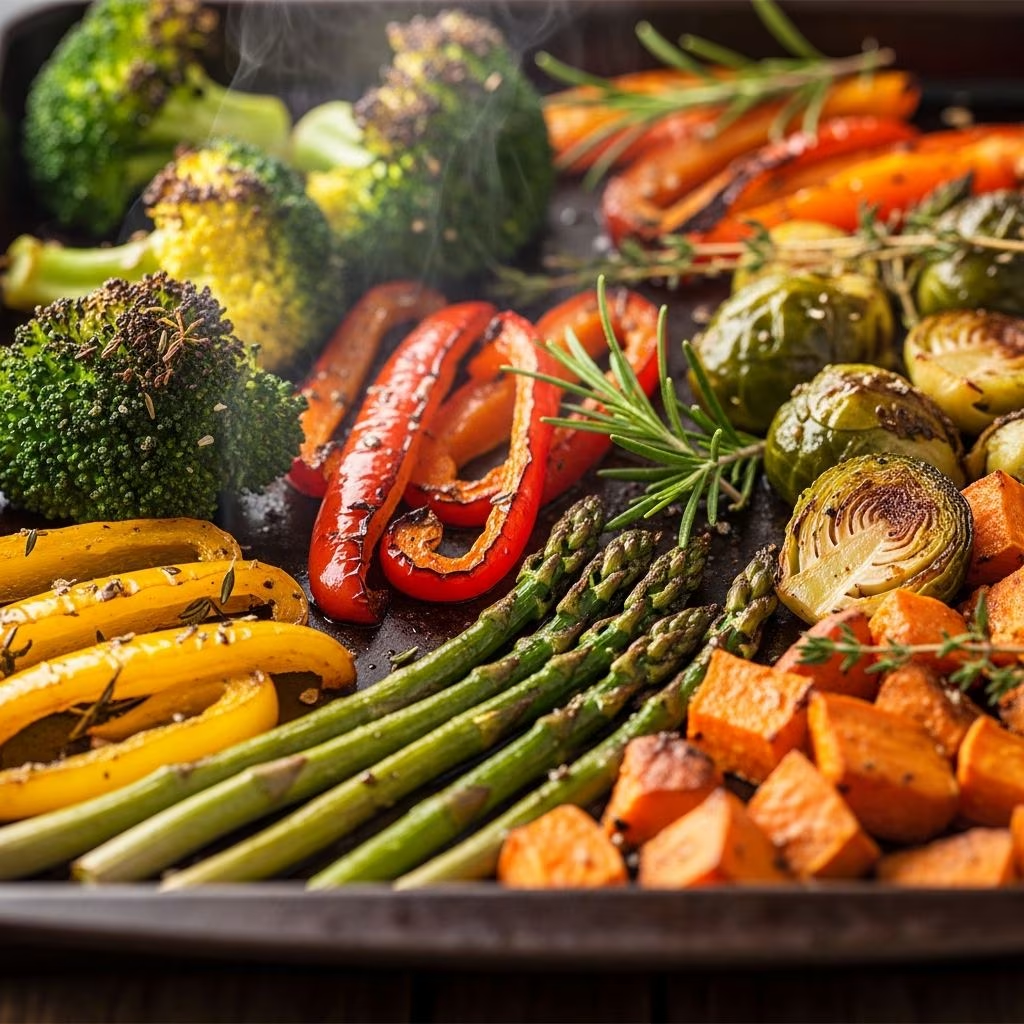
- Veggies: Smoky base with maple; grill eggplant or corn.
Sides like coleslaw (vinegar-based cuts richness) or baked beans (stir in sauce) complement perfectly.
Storage, Shelf Life, and Freezing Tips
Proper storage keeps sauce potent.
- Fridge: 2-4 weeks in airtight jar.
- Freezer: 6 months in ice cube trays for portions.
- Canning: Water bath 15 minutes for pantry staples (use tested recipe).
Signs of spoilage: mold, off odors, separation. Always sterilize jars.
Common Mistakes and How to Fix Them
Avoid pitfalls for success.
| Mistake | Why It Happens | Fix |
|---|---|---|
| Too Thin | Undercooked | Simmer longer or add tomato paste |
| Bitter | Burnt sugar | Lower heat, stir constantly |
| Overly Sweet | Too much sugar | Balance with vinegar/lemon |
| Lacks Depth | One-note spices | Layer with umami boosters |
FAQ: Your BBQ Sauce Questions Answered
What’s the best vinegar for BBQ sauce?
Apple cider vinegar for mild fruitiness; white for sharp tang.
Can I make BBQ sauce without ketchup?
Yes, use tomato sauce or paste diluted with water.
How do I make it vegan?
Skip Worcestershire (or use vegan version); all else is plant-based.
Is liquid smoke necessary?
No, but it mimics grill flavor sans smoker.
How long does homemade BBQ sauce last?
Refrigerated: 3 weeks; frozen: 6 months.
Creative Twists on Classic BBQ Sauce
Innovate with global inspirations: Korean gochujang for heat, Mexican chipotle adobo for smoke, or Indian garam masala for warmth. Use as pizza topping, burger glaze, or salad dressing base.
With these tools, your homemade BBQ sauce will steal the show at every cookout. Experiment boldly—perfection comes from practice.
References
- Barbecue Sauce Formulation Guidelines — USDA Agricultural Research Service. 2023-05-15. https://www.ars.usda.gov/research/publications/publication/?seqNo115=413892
- Regional American Barbecue Styles — Southern Foodways Alliance (Ole Miss). 2024-01-10. https://www.southernfoodways.org/oral-history/sfa-reading-list/
- Home Canning of Sauces — National Center for Home Food Preservation (Univ. Georgia). 2022-08-20. https://nchfp.uga.edu/how/can/sauces/barbecue-sauce/
- Flavor Chemistry of Condiments — Journal of Agricultural and Food Chemistry (ACS). 2021-11-03. https://doi.org/10.1021/acs.jafc.1c04567
- Grilling Science Basics — BBC Good Food (BBC). 2025-06-12. https://www.bbcgoodfood.com/howto/guide/barbecue-science