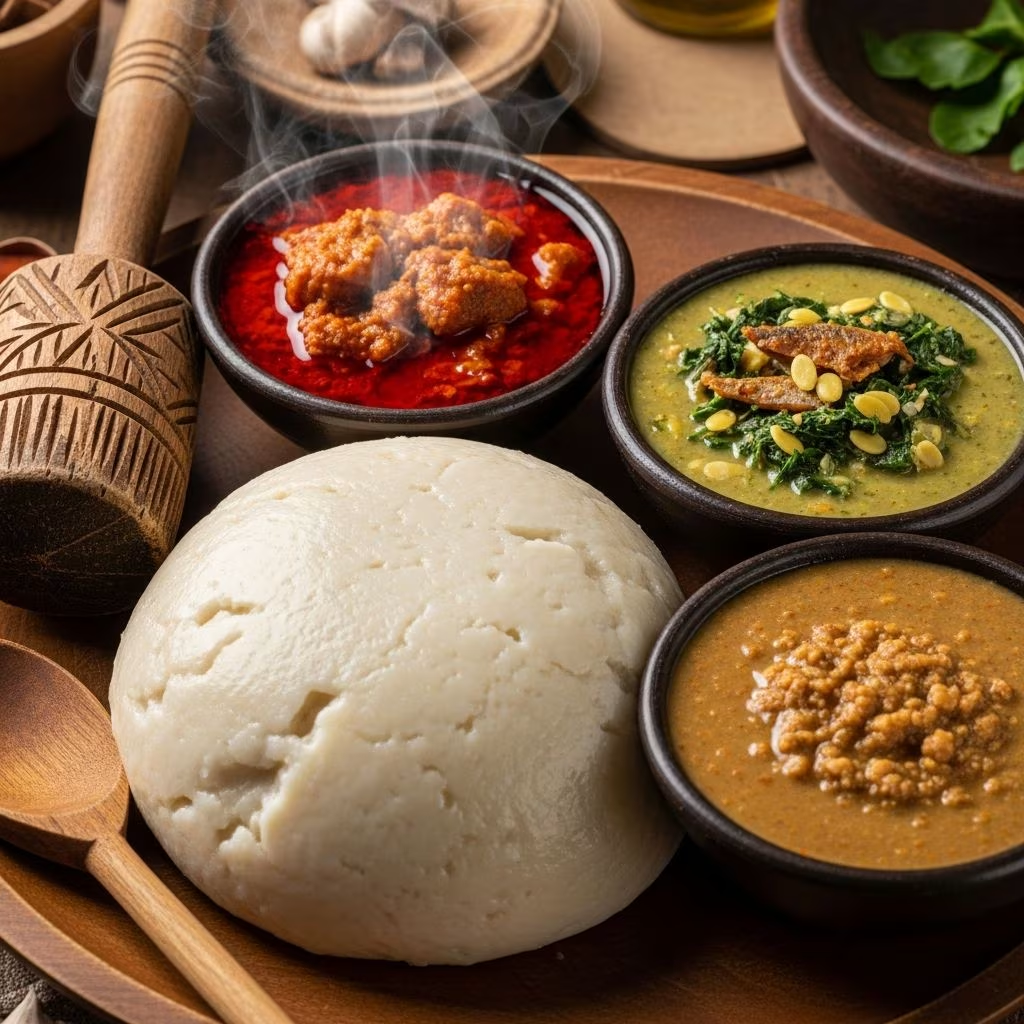
Fufu stands as one of the most beloved starches throughout West Africa, particularly in Ghana where it holds deep cultural significance within the Akan communities. This starchy preparation transcends simple nourishment; it represents tradition, community, and the culinary heritage of countless families across the region. The dish itself is remarkably adaptable, taking on varying textures and compositions depending on local preferences and available ingredients, yet maintaining its essential character as a smooth, satisfying accompaniment to flavorful soups and stews.
Understanding the Foundation: Core Ingredients and Their Roles
The authentic preparation of fufu begins with understanding its primary components. The traditional formula combines two essential root vegetables that, when processed together, create the distinctive texture this dish is known for.
Cassava: The Primary Base
Cassava root serves as the foundation for nearly all fufu preparations. This starchy tuber provides the bulk of the dish and contributes significantly to its dense, filling nature. The cassava must be fresh and properly prepared before cooking, as raw cassava contains natural compounds that require proper heat treatment to render safe for consumption. One medium cassava tuber typically forms the base of a standard recipe, though adjustments can be made depending on desired portion sizes and personal preference.
Green Plantains: The Flavor and Texture Enhancer
Green plantains contribute a subtle flavor profile and help achieve the ideal consistency. These unripe plantains differ significantly from their yellow or brown counterparts, offering a milder taste that complements rather than overpowers the final dish. Approximately two finger-sized pieces of green plantain balance the cassava’s earthiness while adding structural integrity to the mixture. The distinction between green and ripe plantains is crucial, as using the wrong stage of ripeness can dramatically alter the final product’s character.
Water and Salt: Balancing Elements
Water serves multiple purposes throughout the preparation process: initial cooking medium, starch removal agent, and texture adjustment tool. Salt remains optional but enhances the overall flavor profile when included. The quantity of water required varies depending on the cooking method and desired final consistency, requiring adjustment throughout the process.
Preparation Phase: Setting Up for Success
Proper preparation of raw ingredients establishes the foundation for quality results. The initial stages may seem straightforward but require attention to detail.
Peeling and Cutting Techniques
Begin by carefully peeling the cassava tuber, removing the outer brown skin to expose the white flesh beneath. Using a sharp knife, slice the cassava into medium-sized pieces, approximately 2-3 inches in length. This sizing promotes even cooking and easier processing later. During slicing, remove and discard the woody core that runs through the center of the cassava, as this portion remains inedible regardless of cooking duration.
The green plantains require similar treatment. Peel away the thick outer skin and slice the flesh into comparable medium pieces. Unlike cassava, plantains contain small seeds or seed remnants that should be identified and removed during this stage. Careful attention during preparation prevents unpleasant texture issues in the finished dish.
Rinsing and Starch Management
After cutting, place all prepared pieces into a bowl of room-temperature water. This initial rinse removes surface dirt and begins the starch reduction process. For cassava specifically, soaking in water helps draw out some of the starches that can interfere with achieving the desired smooth consistency. Allow the pieces to soak briefly, then drain and proceed to the cooking phase.
The Cooking Process: Building Proper Texture Foundation
Cooking transforms the raw vegetables into a soft, manageable state suitable for blending or pounding. This stage is non-negotiable for food safety and texture development.
Boiling to Fork-Tender Perfection
Transfer the prepared cassava and plantain pieces into a saucepan or medium pot and cover them completely with fresh water. Adding optional salt at this stage distributes the seasoning throughout. Bring the water to a boil over medium heat, then maintain a gentle boil for approximately 30 minutes. The vegetables are ready when a fork easily pierces the largest pieces without resistance. Cooking duration may vary slightly depending on the size of your cut pieces and your specific stovetop’s heat output.
The importance of thorough cooking cannot be overstated. Cassava must be completely cooked to eliminate any potentially harmful compounds present in the raw root. Undercooking poses both safety and texture risks, so err toward longer cooking times when uncertain.
Draining and Cooling
Once fork-tender, drain the water completely using a colander or fine-mesh strainer. Allow the cooked vegetables to cool slightly before proceeding to the processing stage. This brief cooling period makes handling easier and reduces the risk of burns during the next phases.
Blending Methods: Modern Approach to Traditional Results
Contemporary kitchen appliances significantly simplify the fufu-making process while maintaining authentic results. The blending stage transforms individual cooked pieces into a unified, smooth consistency.
Food Processor Method
Transfer the cooled, cooked cassava and plantain into a food processor. Begin blending, pausing occasionally to move the mixture around using a spoon, ensuring even processing. The mixture initially appears fragmented but gradually consolidates into a cohesive mass. Add water by the spoonful as needed, adjusting the consistency toward softness and stretchiness. The final texture should resemble thick mashed potatoes with slight elasticity—substantial enough to hold together but smooth enough to spread easily.
Achieving the Ideal Consistency
The consistency adjustment phase requires judgment and restraint. Adding too much water creates a soupy result that lacks structural integrity, while insufficient water produces a dense, lumpy product. Introduce water gradually, blending between additions, until the desired consistency emerges. The mixture should require minimal effort to spread onto a wet plate but maintain enough body to form distinct shapes when molded.
Traditional Preparation: Honoring Time-Tested Methods
For those without access to modern kitchen appliances or preferring traditional techniques, manual preparation remains viable and perhaps more authentic to historical practice.
Mortar and Pestle Pounding
Begin by pounding the cooked plantain separately using a mortar and pestle, working it into a smooth dough before setting it aside. This focused attention on a single ingredient ensures even breakdown. Repeat the process with the cooked cassava, using the same technique to achieve consistent texture. The pounding motion should be deliberate and sustained, requiring considerable physical effort to achieve the necessary smoothness.
Combining and Molding
Once both components reach smooth consistency individually, combine them together and continue pounding. This combined pounding integrates the two ingredients thoroughly and develops the elastic quality characteristic of properly prepared fufu. The final product should show no visible separation between the plantain and cassava components.
Alternative Processing Approaches
For variations on the traditional method, some practitioners combine high-powered blenders with manual techniques. After initial blending, the mixture can be transferred to a wet plate or bowl where it is folded into itself repeatedly until achieving the desired smoothness. This hybrid approach combines convenience with tactile engagement in the cooking process.
Shaping and Presentation: Final Touches
The final stage transforms the blended or pounded mixture into attractive, functional serving portions.
Hand Molding Technique
The traditional method involves hand-shaping the fufu into balls or dome shapes. Wet your hands with water to prevent sticking, then take a portion of the mixture and gently form it into your desired shape. This tactile approach connects the preparer to their food and allows for customized portion sizes. The fufu can be formed into compact balls or softer mounds, depending on personal and regional preferences.
Plate and Bowl Presentation
Transfer each molded portion into individual serving bowls or onto a wet plate. The moisture on the serving surface prevents sticking while contributing to the traditional presentation. The fufu can remain in its molded form or be gently spread across the bowl’s bottom, providing a bed for accompanying soups or stews.
Plastic Wrap Molding Alternative
Modern kitchens often employ plastic wrap as a molding tool. Place a portion of fufu onto plastic wrap, gather the corners, and gently twist until the desired circular shape emerges. This method produces uniform, professional-looking portions and simplifies batch preparation.
Lump Prevention and Troubleshooting
Achieving smooth fufu occasionally presents challenges that respond to specific interventions.
Identifying and Removing Lumps: Before serving, carefully inspect the fufu for any remaining lumpy areas. If small lumps are detected, pinch them out by hand or return the mixture to the food processor for additional blending. Persistent lumpiness often indicates insufficient cooking time initially or inadequate blending during processing.
Consistency Adjustments: Should the finished fufu appear too thick after molding, it may be returned to the food processor with small additional water amounts. Conversely, overly soft mixtures can be remedied through additional manual pounding or brief reheating with reduced water content.
Serving and Pairing Suggestions
Fufu’s neutral flavor profile makes it an exceptionally versatile accompaniment. The dish traditionally pairs with flavorful soups and stews that provide aromatic contrast. Light soups featuring vegetables, meat broths, and traditional seasonings complement fufu perfectly. Curry preparations, peanut-based sauces, and tomato-forward stews all enhance the fufu experience by providing distinct flavor components alongside the mild starch.
Variations and Adaptations
Regional and personal preferences inspire numerous fufu variations. Cassava-only fufu represents the oldest preparation method, relying solely on cassava root for its starch and body. Some preparations incorporate yam, cocoyam, or other root vegetables, each contributing unique flavor and texture characteristics. These adaptations maintain the essential character of fufu while reflecting local ingredient availability and cultural preferences.
Storage and Make-Ahead Considerations
Fufu is best enjoyed fresh immediately after preparation, as the texture firms considerably upon cooling. Leftover portions can be refrigerated in airtight containers for 1-2 days, though reheating may alter the original consistency. For longer storage, freezing is possible, though texture modification upon thawing should be anticipated. Some practitioners prefer preparing individual portions and freezing them before molding, allowing flexibility in serving quantities.
Essential Safety Considerations
Food safety remains paramount throughout the preparation process. Raw cassava contains naturally occurring compounds that are toxic, rendering the root unsafe for consumption without proper cooking. Never skip the cooking phase or reduce cooking duration in attempts to save time. Always verify that cassava has been thoroughly cooked before proceeding to blending or pounding stages.
Frequently Asked Questions About Fufu Preparation
Can I make fufu without a food processor?
Yes, traditional mortar and pestle methods work excellently and require only manual effort and time investment.
What if my cassava has a dark or discolored core?
Discoloration in the cassava’s inner core indicates spoilage or improper storage. Discard affected tubers entirely and select fresh cassava for preparation.
How long does fufu keep after preparation?
Fufu is ideally consumed immediately after preparation. Refrigerated portions maintain quality for 1-2 days, while freezing extends storage with texture modifications upon thawing.
Can I use ripe plantains instead of green ones?
Ripe plantains produce noticeably sweeter results and alter the traditional flavor profile. Green plantains are strongly recommended for authentic preparation.
What indicates that cassava has cooked sufficiently?
A fork should pierce the largest pieces without significant resistance. If pieces still feel hard or woody, continue cooking and check every 5 minutes.
References
- Fufu Recipe — African Bites. Accessed April 2026. https://www.africanbites.com/fufu-recipe/
- Recipes from around the world: Fufu and Light Soup — Recipes Around the World by Ben Hinson. Accessed April 2026. https://recipesaroundtheworld.com/recipes-from-around-the-world-fufu-and-lightsoup-dea8c1dd01f
- How To Make Fufu | The Best fufu Recipe Ever!!! — Chef Henry Kitchen via YouTube. Accessed April 2026. https://www.youtube.com/watch?v=y9vPRFxevFQ