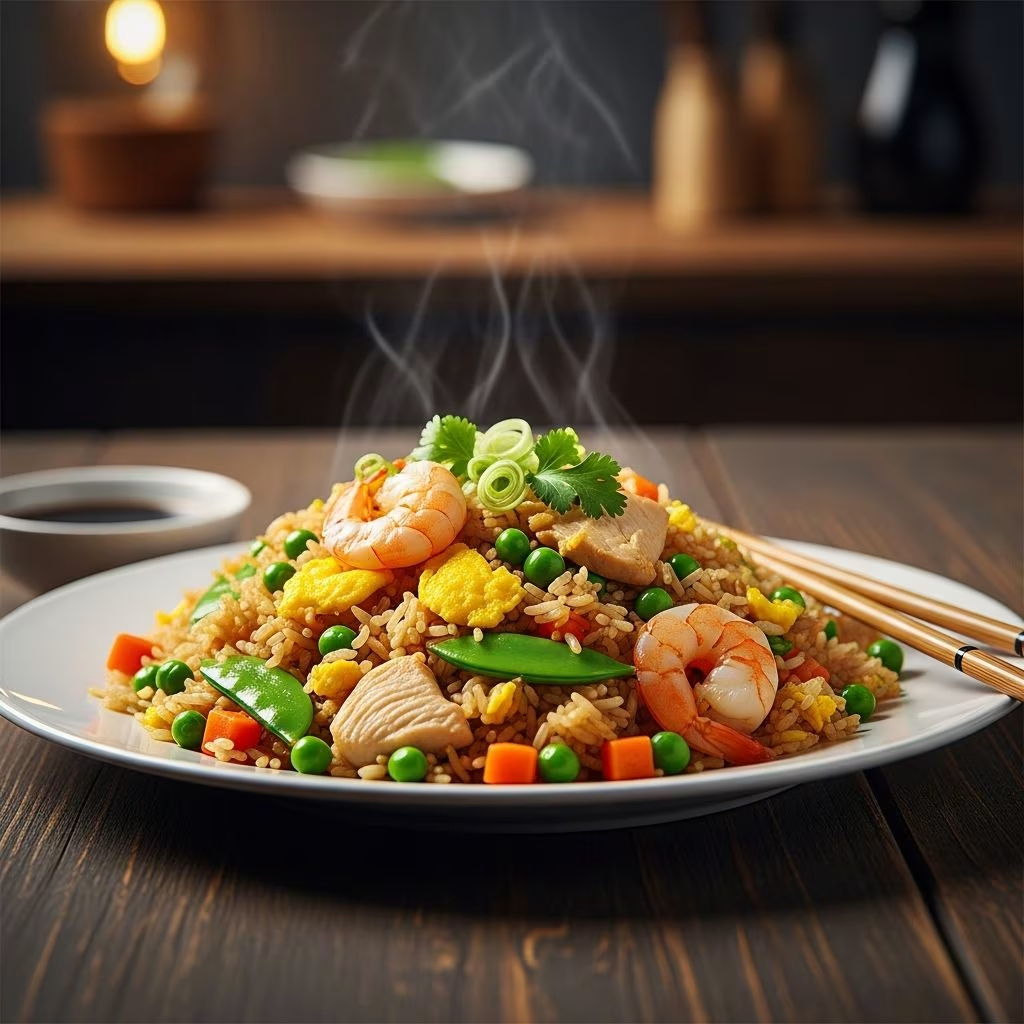
Fried rice stands as a cornerstone of global cuisine, transforming simple leftovers into a flavorful masterpiece. This versatile dish thrives on technique, timing, and quality ingredients. Whether you’re aiming for the crispy edges of restaurant versions or a comforting home-style bowl, success hinges on preparation and execution. In this guide, we dive deep into every aspect, from rice selection to final plating, empowering you to create pro-level results in your kitchen.
Why Fried Rice Captivates Home Cooks
Fried rice’s appeal lies in its adaptability. Originating from Chinese culinary traditions, it repurposes day-old rice with proteins, vegetables, and sauces for a quick, satisfying meal. The high-heat stir-fry method develops wok hei—a smoky essence from intense flames—elevating basic components into something extraordinary. Home cooks love it for minimal waste and endless customization, yet achieving that elusive texture and flavor balance requires specific skills we’ll explore thoroughly.
Selecting and Preparing the Ideal Rice Base
The foundation of great fried rice is the rice itself. Freshly cooked rice clumps due to excess moisture and starch, leading to mushiness. Opt for **day-old rice** that’s been refrigerated uncovered to dry out naturally. Japanese short-grain varieties excel here, boasting higher starch and subtle fat content for superior flavor absorption and texture.
- Short-grain rice: Sticky when fresh but firms up perfectly after drying.
- Medium-grain alternatives: Jasmine or basmati for lighter, fluffier results.
- Avoid long-grain fresh rice: It steams rather than fries.
To prepare, spread cooled rice on a sheet tray using your hands to break up clusters. Refrigerate overnight for optimal dehydration. This step separates grains, preventing steam buildup during cooking. Before frying, let it reach room temperature—cold rice shocks the pan, dropping temperatures and compromising crispiness.
Essential Tools for Authentic Results
Professional kitchens rely on a carbon steel wok for its heat retention and quick recovery. At home, a well-seasoned wok or large cast-iron skillet works. High-BTU burners mimic restaurant woks, but standard stoves succeed with technique.
| Tool | Purpose | Home Substitute |
|---|---|---|
| Carbon steel wok | High, even heat distribution | Large skillet or Dutch oven |
| High-heat burner | Rapid stir-frying | Gas stove max flame |
| Metal spatula | Scraping and tossing | Wooden spoon (less ideal) |
| Sheet trays | Rice drying | Baking sheets |
Preheat your wok until smoking hot, then add neutral oil like grapeseed for its high smoke point. This creates the crusty exterior fans crave.
Mastering the High-Heat Cooking Process
Fried rice demands **blazing heat** to sear ingredients without sogginess. Start with proteins: shrimp or diced chicken cook first for golden edges. Push to the side, scramble eggs briefly, then integrate rice. The key motion is constant tossing—lift and flip to aerate.
- Heat wok to smoking.
- Add oil, swirl, then proteins (2-3 minutes).
- Crack eggs directly in; scramble until set.
- Add rice; break clumps while frying 3-5 minutes.
- Incorporate veggies like peas, carrots, onions.
Monitor rice for separation; any clumps indicate insufficient drying. The goal: individual grains with crisp outsides and tender centers.
Flavor Layering: Sauces, Seasonings, and Umami
Season progressively. Salt enhances shrimp and eggs primarily; soy sauce adds aroma sparingly to avoid overpowering. Black pepper provides bite, while sesame oil finishes for nutty depth.
- Soy sauce: Add to wok edges to caramelize.
- Oyster sauce: For richer umami (1 tsp per serving).
- Fish sauce: Thai twist for fermented depth.
- Scallions: Fresh chop at end for color and crunch.
Taste iteratively—fried rice forgives adjustments. Aim for harmony: savory base, subtle sweetness from veggies, and aromatic lift.
Ingredient Swaps for Every Pantry
Classic combos shine, but creativity rules. Budget versions use frozen veggies; luxe ones feature bacon or lobster.
| Protein | Vegetable | Flavor Booster |
|---|---|---|
| Shrimp | Peas, carrots | Soy, ginger |
| Chicken | Bell peppers, corn | Hoisin |
| Tofu (vegan) | Broccoli, mushrooms | Sriracha, lime |
| Bacon | Onions, pineapple | Curry powder |
Pro tip: Undercook veggies slightly—they finish with residual heat.
Common Mistakes and Fixes
Many pitfalls derail home attempts. Overcrowding steams rice; fix by batch-cooking. Excess sauce drowns flavor—use half and adjust. Skipping rice drying guarantees mush; always prep ahead.
- Mushy texture: Dry rice longer or use less water initially.
- No wok hei: Crank heat, work fast.
- Bland taste: Toast spices first, season wok sides.
- Clumpy grains: Room-temp rice, vigorous tossing.
Advanced Techniques from Pros
Chefs dry rice overnight, sometimes flash-freezing for extra separation. They ‘velvet’ proteins in cornstarch slurry for tenderness. For crust, press rice flat in hot wok briefly before tossing. These elevate from good to restaurant-caliber.
Incorporate garlic and ginger early for infused oil. Final scallions wilt in residual heat, preserving vibrancy. Taste test: Perfect fried rice boasts crunch, chew, and layered savoriness.
Recipe: Pro Shrimp Fried Rice
Ingredients (Serves 4):
- 4 cups day-old short-grain rice
- 1 lb shrimp, peeled
- 3 eggs, beaten
- 1 cup mixed peas/carrots
- 4 scallions, sliced
- 3 tbsp soy sauce
- 2 tbsp oil
- Salt, pepper to taste
Steps:
- Dry rice overnight; warm to room temp.
- Heat wok smoking hot; oil, shrimp 2 min.
- Push aside; scramble eggs.
- Add rice; fry 4 min, separating.
- Mix veggies, soy (edges), pepper.
- Finish with 3/4 scallions; plate with rest.
Yield: Crispy, golden perfection in 15 minutes active time.
Variations Across Cultures
Thai fried rice adds pineapple and cashews; Indonesian nasi goreng uses kecap manis. Hawaiian folds in Spam and eggs. Adapt globally while honoring core principles.
Nutrition and Pairings
Balanced with protein and veggies, one serving offers ~500 calories, high in carbs and moderate protein. Pair with cucumber salad or soup for complete meals.
Frequently Asked Questions
What rice is best for fried rice?
Day-old short or medium-grain, dried for separation.
Can I make fried rice with fresh rice?
Yes, but cook, cool, and dry 4+ hours minimum.
How do I get crispy fried rice?
High heat, dry rice, constant motion.
Is a wok necessary?
No, but ideal; use hot skillet alternative.
Vegan options?
Tofu, mushrooms, tamari instead of soy.
Storage and Reheating Tips
Store airtight up to 3 days; reheat wok-hot to restore crispness. Freeze portions up to a month; thaw fully before frying.
References
- USDA Food Safety Guidelines for Rice Preparation — United States Department of Agriculture. 2024-01-15. https://www.fsis.usda.gov/food-safety/safe-food-handling-and-preparation/food-safety-basics/leftovers-and-food-safety
- Harvard T.H. Chan School of Public Health: Rice Nutrition Data — Harvard University. 2023-05-20. https://www.hsph.harvard.edu/nutritionsource/food-features/rice/
- 4 Levels of Fried Rice: Technique Analysis — Epicurious (via YouTube). 2022-11-10. https://www.youtube.com/watch?v=GFyHfJeiyAY
- Pro Chef Fried Rice Methods — Epicurious (via YouTube). 2023-03-05. https://www.youtube.com/watch?v=SWMZgkV0qtE
- Restaurant Fried Rice Breakdown — Epicurious 101 (via YouTube). 2024-02-18. https://www.youtube.com/watch?v=zZNhVv7fmSE