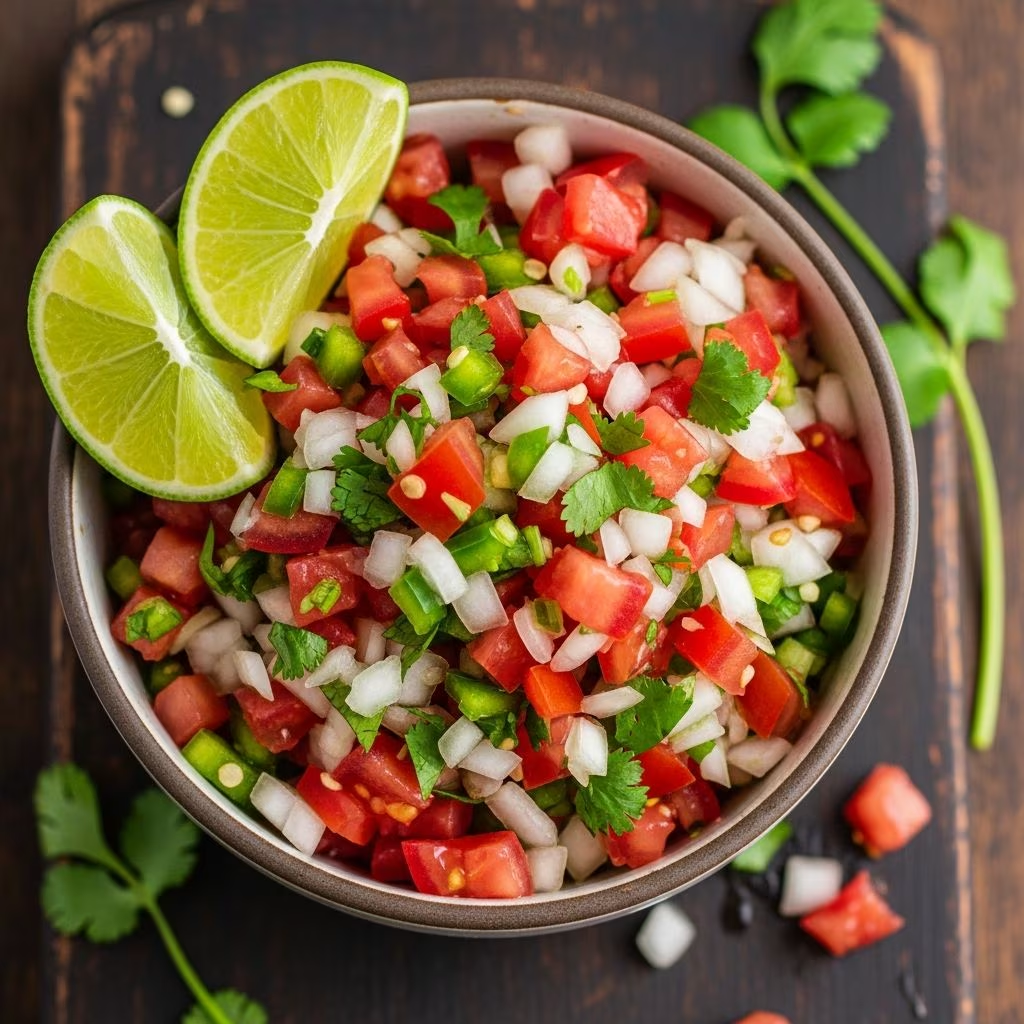
Pico de gallo stands as a cornerstone of Mexican cuisine, delivering a burst of freshness in every bite. This chunky salsa combines ripe tomatoes, crisp onions, spicy peppers, fragrant cilantro, and zesty lime into a versatile condiment that elevates any dish. Unlike smoother salsas, its distinct diced texture ensures balanced flavors on every scoop. Preparing it requires minimal tools but demands attention to ingredient quality and precise cutting for optimal taste and appearance.
Understanding the Essence of Pico de Gallo
Originating from Mexico, pico de gallo—often called salsa fresca—translates to ‘rooster’s beak,’ possibly referencing the traditional pinching method for eating it. Its hallmark is simplicity: no cooking, just raw vegetables mixed moments before serving to preserve vibrancy. The result is a bright, juicy mixture perfect for dipping tortilla chips or topping grilled meats. Key to success lies in using peak-season produce, as subpar tomatoes yield lackluster results.
Selecting the Finest Ingredients
Quality starts with tomatoes. Opt for ripe yet firm varieties like Roma or plum, which offer less water content and concentrated flavor. These prevent a soggy salsa. Remove seeds and pulp to maintain chunkiness—aim for 1/4- to 1/2-inch dice for uniformity.
- Tomatoes: 4-6 Roma tomatoes (about 1.5 pounds), yielding 2-3 cups diced.
- Onion: White onion preferred for its sharp, clean bite; 1/2 to 1 medium (3/4 cup diced). Rinse under cold water post-chopping to mellow intensity.
- Peppers: Jalapeño or serrano for heat; 1-2, seeds removed for mildness. Finely mince to distribute spice evenly.
- Cilantro: 1/2 cup finely chopped leaves; stems add bitterness, so discard them.
- Lime: Juice from 1-2 fresh limes (2-4 tablespoons) for acidity that ties flavors together.
- Salt: 1/2-1 teaspoon kosher or sea salt, adjusted to taste.
Proportions can vary: some recipes emphasize more tomatoes for sweetness, others balance with equal onion volume for crunch.
Precision Chopping Techniques
Hand-chopping defines pico de gallo’s texture—avoid food processors, which turn it mushy. Use a sharp chef’s knife on a stable cutting board.
- Tomatoes: Halve, scoop out seeds with fingers or a spoon, then dice. Pat dry if excess moisture appears.
- Onion: Peel, halve, and slice thinly before dicing. Soak in ice water 10 minutes if raw bite is too strong, then drain.
- Peppers: Wear gloves; remove stem, seeds, and membranes. Mince finely.
- Cilantro: Bunch leaves, roll tightly, and slice (chiffonade) for even pieces.
Aim for uniform size so flavors meld without one dominating. This takes practice but ensures every chip or bite carries the full profile.
Step-by-Step Assembly Process
Mix in a non-reactive bowl (glass or ceramic) to avoid metallic tastes.
- Combine diced tomatoes, onion, peppers, and cilantro.
- Pour in lime juice and sprinkle salt.
- Gently toss with a spoon; avoid over-mixing to preserve texture.
- Taste immediately—adjust salt, lime, or heat. Let sit 10-30 minutes at room temperature for flavors to integrate.
For best results, prepare 30 minutes ahead but serve same day. Refrigeration dulls freshness; if storing, cover tightly and use within 24 hours.
Flavor Balancing and Customization
| Element | Role | Adjustment Tips |
|---|---|---|
| Tomatoes | Sweet, juicy base | Increase for milder salsa; use heirlooms for depth. |
| Onion | Crisp sharpness | Less for subtle; red onion for milder, sweeter note. |
| Peppers | Heat | Seeds in for fire; serrano over jalapeño for intense spice. |
| Cilantro | Herbaceous freshness | Omit if averse; substitute parsley cautiously. |
| Lime | Acidity | More for tang; lemon as backup but less authentic. |
| Salt | Enhances all | Start low; kosher salt dissolves evenly. |
Season iteratively: add, taste, wait 5 minutes, repeat. Garlic (1-2 minced cloves) appears in some versions for savory umami.
Creative Variations to Try
- Mango Pico: Swap half tomatoes for diced mango; ideal with fish tacos.
- Roasted Version: Char peppers and onion lightly for smokiness without cooking tomatoes.
- Fruit-Forward: Add pineapple or watermelon for summer refreshment.
- Spicy Kick: Include habanero or double jalapeños.
- Low-Carb Twist: Emphasize cucumbers or jicama for crunch.
These adapt to dietary needs while honoring the classic.
Perfect Pairings and Serving Ideas
Pico de gallo shines as a multi-purpose topper.
- Dip with thick tortilla chips.
- Top tacos, burritos, enchiladas, or fajitas.
- Garnish grilled chicken, fish, steak, or eggs.
- Mix into guacamole or queso fresco.
- Stuff into avocados or layer in nachos.
Serve in a chilled bowl with lime wedges and chips for parties. Pairs excellently with margaritas or chilled Mexican beer.
Common Mistakes and Pro Tips
Avoid these pitfalls for restaurant-quality results:
- Watery Salsa: Always seed tomatoes thoroughly.
- Uneven Texture: Dice consistently; practice knife skills.
- Overpowering Onion: Rinse diced onion under cold water.
- Make-Ahead Fail: Best fresh; flavors peak within hours.
- Too Mild/Spicy: Test peppers on your tongue first.
Pro Tip: Use a rimmed baking sheet to corral chopped ingredients before mixing.
Storage, Nutrition, and Scaling
Store leftovers airtight in fridge up to 2 days; drain liquid before reheating gently. Freezing compromises texture, so avoid it. Nutritionally, one cup offers ~50 calories, high vitamin C from tomatoes/lime, and fiber from veggies. Low-fat, vegan, gluten-free.
Scale easily: double for crowds. Yields 4 cups from base recipe, serving 8 as dip.
Frequently Asked Questions
Can I make pico de gallo ahead of time?
Prepare components separately; mix 30 minutes before serving. Full mix holds 1 day refrigerated.
What’s the difference between pico de gallo and salsa?
Pico is chunkier, fresher, uncooked; salsa often blended or cooked.
Jalapeño too spicy—alternatives?
Use milder Anaheim or bell peppers; remove all seeds/membranes.
Best tomatoes for pico?
Roma/plum for low juice; vine-ripened for flavor.
Can I use dried cilantro or bottled lime juice?
Fresh only—dried lacks punch, bottled is flat.
Conclusion: Elevate Your Culinary Game
Mastering pico de gallo unlocks endless kitchen creativity with humble ingredients. Its freshness transforms ordinary meals into festive spreads. Experiment confidently, sourcing top produce, and enjoy the rewards of this timeless recipe.
References
- Pico De Gallo – What’s Gaby Cooking — What’s Gaby Cooking. 2023. https://whatsgabycooking.com/pico-de-gallo/
- Pico de Gallo Recipe (Easy & Authentic) — Downshiftology. 2023. https://downshiftology.com/recipes/pico-de-gallo/
- Authentic Pico de Gallo Recipe — Tara Teaspoon. 2023. https://tarateaspoon.com/authentic-pico-de-gallo/
- Pico De Gallo Recipe — Love and Lemons. 2023. https://www.loveandlemons.com/pico-de-gallo/
- Classic Pico de Gallo Recipe — Cookie and Kate. 2023. https://cookieandkate.com/classic-pico-de-gallo-recipe/