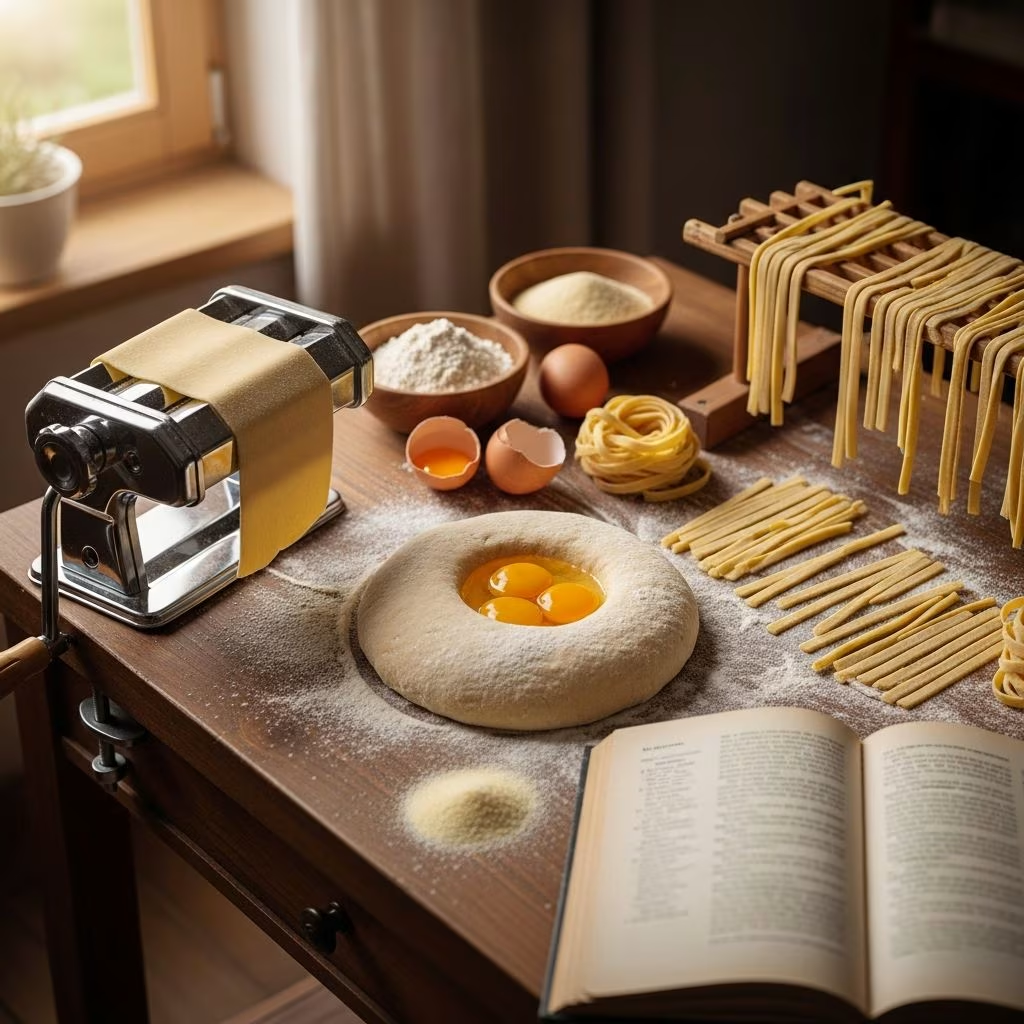
The art of crafting pasta from scratch represents one of the most satisfying culinary endeavors a home cook can undertake. Unlike purchasing dried pasta from supermarket shelves, homemade varieties offer superior texture, flavor depth, and the profound satisfaction that comes from creating something entirely from elemental ingredients. This comprehensive guide explores the journey from simple flour and eggs to golden, tender noodles ready for your favorite sauces.
Understanding Fundamental Ingredients
The foundation of successful pasta production rests upon selecting appropriate ingredients. While the ingredient list appears deceptively simple, understanding each component’s role proves essential for consistent results.
Flour Selection and Protein Content
The choice of flour significantly influences the final pasta’s texture and handling characteristics. All-purpose flour serves as an accessible option for beginners, containing approximately 10-12% protein content. However, many experienced pasta makers prefer Italian “00” flour (doppio zero), which features a finer grind and slightly lower protein percentage, resulting in silkier, more delicate noodles. Some cooks blend different flour varieties to achieve optimal elasticity and workability. The protein content matters because it develops gluten networks during mixing and kneading, creating the structural integrity necessary for proper pasta texture.
The Role of Eggs
Eggs serve multiple critical functions in pasta dough composition. They provide moisture, richness, and binding properties that help incorporate the flour into a cohesive mass. The yolk content contributes golden color and enhanced flavor compared to eggless preparations. When selecting eggs, room-temperature specimens blend more readily into the flour, promoting uniform hydration throughout the dough. The ratio of eggs to flour typically ranges from one egg per 100 grams of flour, though variations exist depending on desired consistency.
Salt and Minimal Additions
Salt enhances flavor development and can slightly strengthen gluten development. Adding salt directly to the dough before hydration helps distribute it evenly. Some practitioners add negligible quantities of olive oil to the dough, though traditional Italian pasta recipes often omit this ingredient entirely, allowing the flour-egg combination to stand alone.
The Dough Development Process
Creating workable pasta dough requires specific techniques that build proper structure and texture. The method differs substantially from bread-making procedures, demanding precise pressure and timing.
The Well Method: A Traditional Approach
The classic technique involves creating a flour mound with a central well, where beaten eggs are deposited. Using a fork, you gradually incorporate surrounding flour into the egg mixture, working from the well’s interior walls outward. This methodical approach provides control over hydration rates and prevents sudden flooding that can occur with less traditional mixing methods. The process typically requires 5-10 minutes of patient, deliberate action.
Food Processor Mixing: Modern Efficiency
Contemporary cooks frequently employ food processors for initial dough combination. This method rapidly distributes ingredients and begins gluten development without extensive manual effort. The processor combines flour and eggs into a shaggy mixture within seconds. While efficient, this approach requires monitoring to prevent over-processing, which can negatively impact dough texture. Most processors complete adequate mixing within 30-45 seconds.
Kneading: Building Strength and Elasticity
Following initial mixing, extended kneading develops the gluten network essential for proper pasta texture. Knead the dough for approximately 8-10 minutes by hand, using firm, deliberate pressure. The dough will transform from rough and slightly sticky to smooth and elastic. A light dusting of flour on your work surface prevents sticking without creating excessive dryness. The properly kneaded dough should feel silky and spring back slightly when pressed.
Critical Resting and Relaxation Phases
Patience distinguishes exceptional homemade pasta from mediocre results. Resting periods allow gluten to relax and moisture to distribute evenly throughout the dough mass.
Initial Resting Period
After kneading completion, wrap the dough tightly in plastic wrap and allow it to rest at room temperature for 30 minutes to one hour. This resting phase permits gluten relaxation, making subsequent rolling and shaping substantially easier. The dough becomes noticeably less resistant to manipulation after this interval. Some experienced cooks prefer extended resting periods of 2-4 hours, which further develop flavor complexity and improved workability.
Temperature Considerations
The resting environment significantly impacts dough behavior. Warm kitchens accelerate the resting process, while cooler spaces require longer intervals. Room temperature between 68-72°F (20-22°C) provides optimal conditions for most home kitchens. Refrigeration halts fermentation but allows extended storage, with properly wrapped dough remaining viable for 24-48 hours. Bring refrigerated dough to room temperature before rolling to ensure proper elasticity.
Rolling and Shaping Techniques
Transforming rested dough into various pasta shapes requires specific techniques suited to your equipment and desired final product.
Manual Rolling with a Pin
Rolling by hand with a traditional wooden pin demands consistent pressure and proper technique. Begin by flattening a portion of dough into a disk approximately one-quarter inch thick. Using the rolling pin, apply even pressure while rotating the dough frequently to maintain uniform thickness. This process requires 10-15 minutes per batch and develops considerable arm strength. The resulting sheet should be thin enough to see light through it, typically 1-2mm in thickness.
Pasta Machine Efficiency
Electric and manual pasta machines streamline the rolling and cutting process. Manual machines with crank handles provide affordable options, while electric versions reduce physical effort. Process the rested dough through progressively narrower settings, folding the sheet and re-passing it through wider settings 2-3 times before beginning the thinning sequence. This repeated processing further develops gluten structure. After achieving desired thickness, run the sheet through cutting attachments to produce uniform strands.
Hand-Shaping Traditions
Certain pasta varieties require hand-shaping techniques passed through generations. Pappardelle involves cutting rolled sheets into wide ribbons with a knife or pasta wheel. Tagliatelle requires precise cutting into thin, even strands. Ravioli demands careful filling placement and sealing around edges, often accomplished with a fork or specialized ravioli maker. These techniques connect home cooks to culinary traditions while producing visually distinctive results.
Cooking Fresh Pasta Properly
The cooking method significantly impacts the final eating experience. Fresh pasta cooks substantially faster than dried commercial varieties.
Boiling Techniques
Bring a large pot of salted water to a rolling boil before adding fresh pasta. The salt content should approximate sea water salinity, enhancing pasta flavor. Fresh pasta typically floats within one minute of introduction to boiling water, though this varies by thickness and shape. Begin testing for doneness shortly after the pasta surfaces, as cooking time usually ranges from 2-4 minutes total. Properly cooked fresh pasta offers tender texture with slight firmness when bitten, known as “al dente.”
Finishing Methods
Immediately after draining, toss the pasta with sauce or a combination of butter and reserved pasta cooking water. This starchy liquid emulsifies with fat, creating cohesive coatings that cling to the noodles. Avoid rinsing cooked pasta, as this removes beneficial starches and the slight residual moisture aids sauce adhesion.
Storage and Preservation
Fresh pasta offers flexibility for advance preparation through various storage methods.
Refrigeration Options
Loosely coil fresh pasta and refrigerate in airtight containers for 2-3 days. Separate strands with parchment paper to prevent sticking. The pasta will continue to dry slightly during storage, requiring minimal additional cooking time.
Freezing for Extended Storage
Freeze fresh pasta on baking sheets until completely solid, then transfer to freezer bags for extended storage up to three months. Do not thaw before cooking; add frozen pasta directly to boiling water, allowing 1-2 minutes additional cooking time. This method preserves texture effectively when executed properly.
Troubleshooting Common Challenges
Even experienced cooks encounter occasional difficulties. Understanding common issues and solutions improves consistency.
Sticky or Wet Dough
Excessive moisture results from too many eggs or insufficient flour. Dust the work surface and dough with additional flour as needed, though avoid creating an overly dry final product. Next batch adjustments should reduce egg quantity or increase flour slightly.
Tough or Rubbery Results
Insufficient rest periods or excessive kneading after the initial development phase can create undesirable texture. Ensure adequate resting time and avoid over-manipulating dough before cooking. Proper gluten development followed by strategic rest achieves optimal balance.
Uneven Thickness and Inconsistent Cooking
Careful attention during rolling ensures uniform thickness. Pasta machines prevent many consistency problems compared to manual rolling, though both methods require focus. Mark target thickness on your rolling pin or machine guide for reference.
Flavor Variations and Creative Modifications
Beyond traditional recipes, numerous variations introduce complementary flavors while maintaining structural integrity.
Herb-Infused Preparations
Finely minced fresh herbs like basil, parsley, or spinach integrate into dough, creating visually appealing and flavorful preparations. Spinach additions reduce hydration, requiring slight egg quantity adjustments to maintain proper consistency.
Specialty Flour Combinations
Whole wheat, semolina, and chestnut flours blend with all-purpose varieties to produce distinctive textures and flavors. These substitutions typically comprise 25-50% of total flour content, preventing excessive density while introducing desired characteristics.
Equipment Recommendations
While basic equipment suffices, certain tools enhance the pasta-making experience.
| Equipment Type | Purpose | Necessity Level |
|---|---|---|
| Pasta Machine | Rolling and cutting uniform sheets | Highly Recommended |
| Wooden Rolling Pin | Manual sheet flattening | Optional |
| Food Processor | Initial dough mixing | Recommended |
| Ravioli Maker | Specialized shape production | Optional |
| Drying Rack | Air-drying fresh pasta | Optional |
Frequently Asked Questions
How long should fresh pasta rest before cooking?
Fresh pasta can be cooked immediately after shaping, though brief resting of 15-30 minutes improves texture. For dough preparation, rest a minimum of 30 minutes after kneading and mixing.
Can I make pasta without eggs?
Yes, traditional eggless pasta requires flour and water combined in approximately 3:1 ratio. These preparations produce valid results, though texture differs from egg-enriched versions.
What flour provides the best results?
Italian “00” flour produces silkier results for those prioritizing texture. All-purpose flour offers consistency and accessibility for beginners. Experimentation with your local options determines personal preferences.
How do I prevent pasta from sticking together?
Dust shaped pasta generously with semolina flour, cornstarch, or additional all-purpose flour. Semolina is preferred traditionally as it doesn’t incorporate into the pasta surface.
Can I prepare pasta in advance?
Yes, refrigerate for 2-3 days or freeze for up to 3 months. Thaw refrigerated pasta briefly; cook frozen pasta directly without thawing.
References
- Pasta: A History of Italy’s Greatest Export — Silvano Serventi and Françoise Sabban. Columbia University Press. 2002. General historical and technical background on pasta production methods.
- On Food and Cooking: The Science and Lore of the Kitchen — Harold McGee. Scribner. 2004. Scientific explanations of flour protein content, gluten development, and egg interactions in dough.
- Flour Water Salt Yeast: Mastering the Fundamentals of Handcrafted Pizza — Ken Forkish. W.W. Norton & Company. 2012. Technical guidance on dough hydration, resting periods, and temperature management applicable to pasta production.