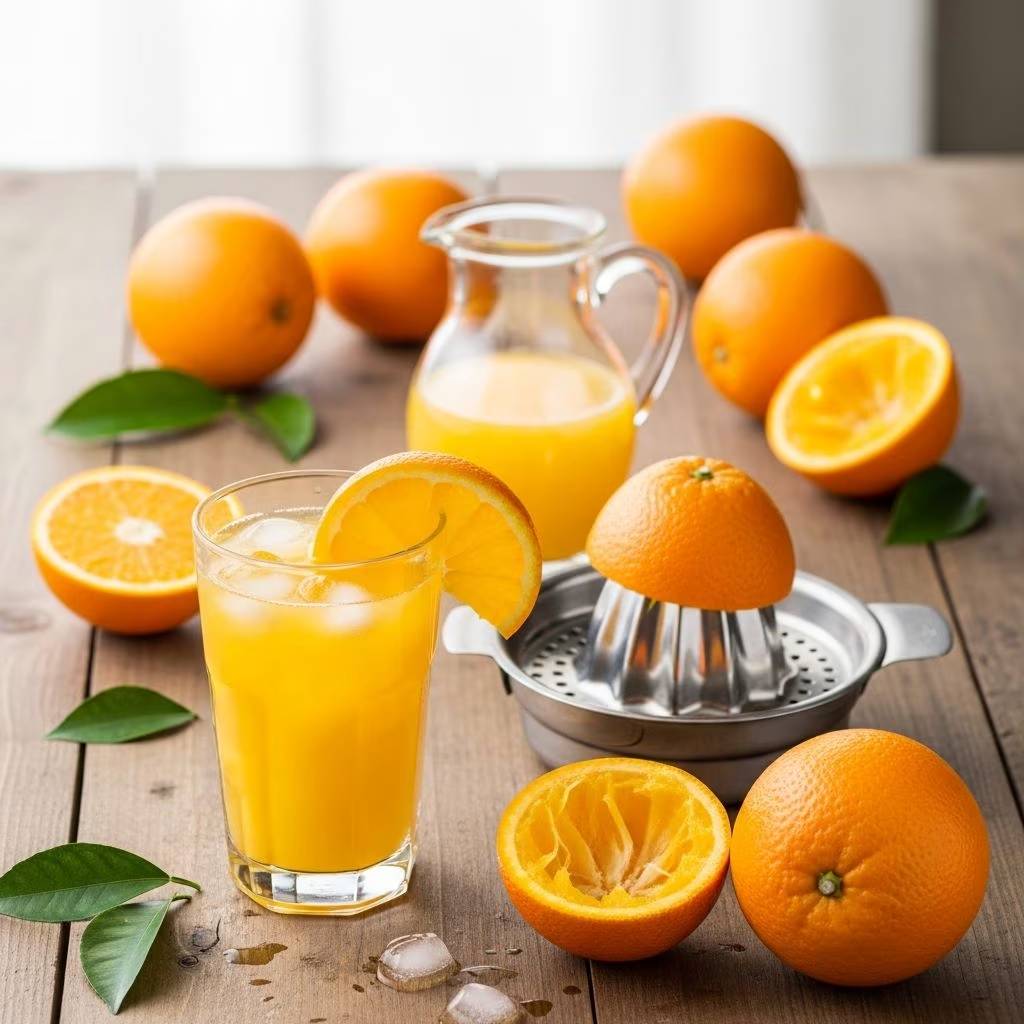
Creating your own fresh orange juice at home delivers a burst of natural sweetness and vitality that store-bought versions can’t match. This guide explores practical techniques, nutritional benefits, and pro tips to help you enjoy this timeless drink effortlessly.
Why Choose Homemade Orange Juice?
Freshly made orange juice stands out for its superior taste and health advantages. Unlike commercial options loaded with preservatives, homemade versions retain maximum vitamins and enzymes. Oranges provide a rich source of vitamin C, supporting immune function and skin health. The process is straightforward, requiring minimal equipment, and allows customization for sweetness or pulp preference.
Regular consumption can enhance hydration and digestion due to natural fibers and electrolytes. It’s an ideal morning starter or post-workout refresher, promoting overall wellness without added sugars.
Selecting the Perfect Oranges
Start with quality fruit for exceptional results. Opt for ripe oranges that feel heavy for their size, indicating juiciness. Varieties like navel or Valencia yield abundant liquid with sweet profiles. Thin-skinned oranges work best for manual methods, while thicker peels suit blending.
- Visual cues: Bright, unblemished skin without soft spots.
- Tactile test: Firm yet yielding slightly to gentle pressure.
- Aroma: Fresh, citrusy scent signals peak ripeness.
Organic choices minimize pesticide exposure, enhancing safety for raw consumption. Store at room temperature for up to a week or refrigerate to extend freshness.
Essential Tools for Juicing
Gather basic items to streamline preparation. No fancy gadgets needed for beginners.
| Method | Tools Needed | Best For |
|---|---|---|
| Hand Squeezing | Knife, fork or reamer | Small batches, no electricity |
| Citrus Juicer | Manual or electric press | Efficient for 4-6 oranges |
| Blender | Standard blender, strainer | Fibrous, pulp-inclusive juice |
| Slow Juicer | Masticating juicer | High yield, nutrient retention |
These tools ensure versatility across kitchen setups. Invest in a sturdy strainer for smooth results regardless of method.
Hand-Squeezing Technique: Simple and Classic
This no-equipment approach suits quick single servings. Begin by rinsing oranges under cool water to remove residues, then pat dry.
- Roll each orange firmly on a flat surface to rupture internal membranes, maximizing yield.
- Slice horizontally into halves.
- Position over a glass or bowl; use thumbs or a fork to press and twist, extracting liquid.
- Discard seeds manually; stir to blend flavors.
Ideal for thin-skinned, ultra-fresh oranges. Expect vibrant color and intense aroma. Yields about 4-6 ounces per medium fruit.
Citrus Juicer Method: Effortless Extraction
Elevate efficiency with a dedicated juicer. Wash and halve oranges as before.
- For manual models: Align cut side on the cone, grip and rotate vigorously.
- Electric versions: Press down gently; the motor handles rotation.
This method minimizes arm fatigue, perfect for family-sized batches. Collect pulp separately if desired. Pro tip: Alternate halves to prevent clogging.
Blender Approach: Fiber-Rich Option
Transform whole oranges into pulpy goodness using a blender. Prep involves peeling to avoid bitterness from pith.
- Remove skin, white membranes, and seeds carefully.
- Chop into chunks; add to blender with minimal water (1/2 cup per 4 oranges).
- Pulse briefly on low speed to liquefy without overheating.
- Strain through fine mesh, pressing solids for every drop.
This retains beneficial fiber, aiding digestion. Chill segments beforehand for icy refreshment. Optional: Blend in lemon for tang or ginger for spice.
For smoother texture, double-strain. Blender juice excels in smoothies or baking, offering versatility beyond drinking.
Slow Juicer Mastery: Premium Quality
Slow or masticating juicers preserve enzymes through gentle crushing. Peel oranges, trim pith, and segment if large.
- Feed pieces slowly into the chute.
- Collect juice; discard dry pulp.
Results in foam-free, nutrient-dense liquid lasting longer in storage. Add-ins like turmeric boost anti-inflammatory properties. Best for daily routines valuing quality.
Flavor Enhancements and Variations
Elevate basic juice with thoughtful tweaks.
- Sweetness: Stir in honey, jaggery, or a pinch of stevia post-juicing.
- Citrus blends: Mix with lemon or lime for zesty balance.
- Spiced twist: Ginger or mint for digestive perks.
- Frozen delight: Blend with ice for slushies.
Experiment seasonally; carrot-orange combos add earthiness. Adjust ratios to taste, always sampling incrementally.
Nutrition Breakdown
One cup of fresh orange juice delivers approximately 110 calories, packed with 2g fiber, 20g natural sugars, and over 100% daily vitamin C. Potassium supports heart health, while folate aids cell repair. Antioxidants combat oxidative stress.
Blender methods boost fiber intake, stabilizing blood sugar. Compared to packaged juice, homemade avoids pasteurization losses, retaining heat-sensitive nutrients.
Storage and Freshness Tips
Consume immediately for peak vibrancy, but store extras airtight in the fridge up to 24-48 hours. Shake before serving to recombine. Freeze in ice cube trays for smoothies or cocktails.
- Avoid metal containers to prevent oxidation.
- Add lemon juice to extend shelf life slightly.
- Discard if color fades or off-odors develop.
Common Mistakes to Avoid
Steer clear of pitfalls for flawless juice.
- Skipping the roll: Leaves juice trapped.
- Over-blending: Introduces bitterness.
- Ignoring pith: Imparts unpleasant aftertaste.
- Using unripe fruit: Results in tartness.
Always taste-test and adjust; patience yields perfection.
Health Benefits in Depth
Beyond basics, orange juice promotes collagen production for youthful skin and may lower cholesterol via flavonoids. Studies link regular intake to reduced inflammation and improved cardiovascular health. It’s hydrating, low-calorie, and kid-friendly for fussy eaters.
For athletes, electrolytes replenish post-exercise. Diabetics benefit from whole-fruit methods controlling glycemic impact.
Seasonal and Budget Tips
Juice year-round by buying in bulk during peaks (winter for navels). Frozen segments maintain quality off-season. Compare costs: Home juicing saves 50-70% versus cartons.
Frequently Asked Questions
Can I juice blood oranges?
Yes, their ruby hue and berry notes create stunning drinks. Handle similarly, expecting vivid color.
Is pulp healthy?
Absolutely; it provides soluble fiber for gut health and satiety.
How much juice from one orange?
Typically 3-5 ounces, varying by size and variety.
Can I make it without a strainer?
For chunky texture, yes—blend and sip as is for fiber boost.
Freezing juice okay?
Yes, thaw in fridge; use within a month for best taste.
References
- Orange Juice Recipe — Indian Healthy Recipes. 2023-05-15. https://www.indianhealthyrecipes.com/orange-juice-recipe/
- Orange Juice Recipe (Easy and Homemade) — Veg Recipes of India. 2023-08-20. https://www.vegrecipesofindia.com/orange-juice-in-mixer-blender/
- Fresh Squeezed Orange Juice Recipe — Know Your Produce (YouTube). 2024-02-10. https://www.youtube.com/watch?v=6ooO66Ov744