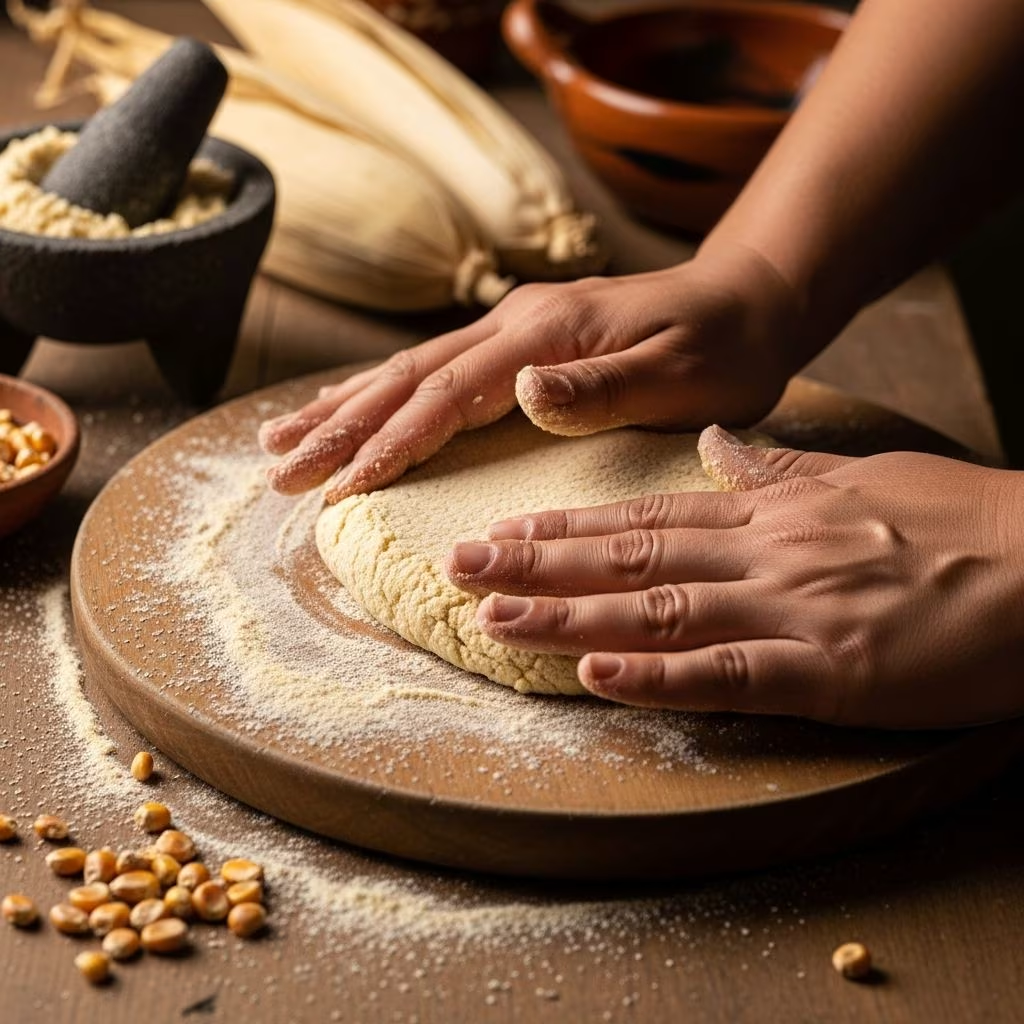
Creating masa from scratch represents one of the most rewarding culinary projects a home cook can undertake. This ancient preparation method transforms simple dried corn kernels into a versatile dough that serves as the foundation for countless traditional dishes. Whether you envision warm tortillas fresh off the griddle or perfectly textured tamales, understanding the fundamentals of masa preparation opens doors to authentic Mexican cooking that extends far beyond what store-bought alternatives can offer.
Understanding the Foundation: What Makes Masa Special
Masa differs fundamentally from ordinary cornmeal or corn flour due to a crucial chemical process called nixtamalization. This ancient technique, dating back thousands of years to Mesoamerican civilizations, involves treating corn with an alkaline substance that fundamentally alters the grain’s nutritional profile and structure. The nixtamalization process increases the bioavailability of essential nutrients, particularly niacin and calcium, while also improving the flavor complexity and texture of the resulting dough.
The distinction between fresh masa and masa harina matters significantly for home cooks. Fresh masa, made from recently nixtamalized and ground corn, delivers superior texture and flavor compared to its dried counterpart. However, masa harina—the dried, powdered form of nixtamalized corn—offers convenience for those unable to dedicate time to the full preparation process. Understanding both options allows you to choose the approach that best fits your schedule and cooking goals.
Essential Ingredients and Preparation Materials
Successful masa preparation requires attention to ingredient quality and availability. The primary ingredient is dried field corn, specifically varieties cultivated for tortillas and masa production rather than sweet corn varieties. This distinction matters because field corn has different starch properties and kernel structure suited to the nixtamalization process.
The alkaline agent represents the second critical component. Calcium hydroxide, commonly called cal or lime, serves as the traditional nixtamal ingredient. This food-grade chemical, available in specialty markets and online retailers, chemically processes the corn’s outer hull and transforms its nutritional content. The typical ratio involves approximately one tablespoon of calcium hydroxide per eight cups of water, though slight variations exist among different recipes and regional traditions.
Beyond these primary ingredients, you’ll need clean, chlorine-free water in sufficient quantity. The cooking process requires at least one large pot, preferably made from non-reactive materials like stainless steel. Reactive metals like aluminum can interact unfavorably with the alkaline solution. A sturdy colander for draining and rinsing is equally essential, along with either a food processor or traditional molcajete for grinding the nixtamalized corn.
Ingredient Ratios at a Glance
- Dried field corn: 2 to 4 cups
- Calcium hydroxide: 1 to 1.5 tablespoons
- Water for cooking: 8 cups minimum
- Additional water for grinding: ½ to 1 cup
- Salt: 1 teaspoon (optional for fresh masa)
The Nixtamalization Process: Transforming Corn Step by Step
Nixtamalization involves several carefully sequenced steps that cannot be rushed or significantly altered without compromising results. Understanding each phase ensures successful transformation of your dried corn into nixtamalized kernels ready for grinding.
Initial Corn Preparation
Begin by thoroughly rinsing your dried corn under cold water. This preliminary step removes dust, debris, and any pesticide residues coating the kernels. Use a colander and run the corn under flowing water while gently stirring with your hand. This straightforward preparation prevents unwanted particles from ending up in your final masa.
Creating the Alkaline Solution
Pour your measured water into a large, non-reactive pot and place it over high heat. Once the water reaches a rolling boil, carefully add the calcium hydroxide, stirring continuously until fully dissolved. The alkaline solution should appear clear and uniform. Proper dissolution ensures even treatment of the corn kernels and prevents patchy nixtamalization.
Cooking the Corn
Add your rinsed corn to the hot alkaline solution, stirring gently to prevent kernels from sticking to the pot’s bottom. Allow the mixture to return to a boil, then immediately reduce the heat to a gentle simmer. This phase typically requires 15 to 45 minutes of cooking time, though the exact duration depends on your specific corn variety, altitude, and water chemistry.
The cooking endpoint requires careful observation. You’re looking for the moment when the corn kernels’ outer skins slip off easily when rubbed between your fingers, yet the kernels themselves remain slightly firm rather than becoming mushy. Overcooking produces excessively soft corn that grinds into gummy masa lacking proper texture. Undercooking leaves difficult-to-remove skins and yields inferior dough consistency.
Resting and Soaking
Once your corn reaches the proper doneness level, remove the pot from heat and cover it completely. Allow the corn to soak in the alkaline solution overnight or for at least 12 hours at room temperature. This extended soaking period allows the chemical process to fully penetrate the kernels and allows the alkaline to complete its work. Many cooks find that longer soaking—up to 24 hours—produces superior results.
Draining and Rinsing
After the soaking period, drain the nixtamalized corn thoroughly using your colander. Rinse the corn extensively under cold running water, rubbing the kernels gently between your palms to remove the loosened outer hulls. This rinsing step is crucial for preventing an unpleasant alkaline taste in your finished masa. Continue rinsing until the water runs clear and you’ve removed the majority of the corn’s outer coating.
Grinding the Nixtamalized Corn into Fresh Masa
With your nixtamalized corn properly prepared, the grinding phase transforms these treated kernels into smooth, workable dough. The grinding method you choose affects both texture and flavor of your final product.
Food Processor Method
Modern home cooks often utilize high-powered food processors for grinding nixtamalized corn. Add your drained corn to the processor along with approximately half a cup of water. Process on high speed for 10 minutes or longer, stopping occasionally to scrape down the bowl sides. The resulting consistency should resemble smooth cake batter or hummus rather than coarse cornmeal. If your processor struggles or the mixture seems too thick, add additional water in small increments.
Traditional Grinding Approach
For those seeking a more authentic experience, traditional grinding stones or molcajetes produce excellent results. This labor-intensive method involves repeatedly grinding the corn against stone surfaces using circular motions. While time-consuming and physically demanding, traditional grinding creates a slightly different texture and allows complete control over the final consistency. Many cooks believe this method produces superior flavor depth.
Achieving Perfect Consistency
Your masa is finished grinding when it reaches a smooth, uniform texture with no visible corn kernel fragments. The dough should hold together when squeezed but remain moist enough to spread easily. If your masa seems too dry, incorporate additional water one tablespoon at a time. Excessively wet masa produces dense, heavy tortillas or tamales, so avoid excess moisture.
Using Fresh Masa: Applications and Storage
Fresh masa’s versatility extends far beyond basic tortillas and tamales. This foundational ingredient adapts to numerous preparations, from masa cakes to enriched tamale fillings. Its fresh, slightly sweet corn flavor enhances both traditional and contemporary dishes.
Immediate Use
Fresh masa is best used within a few hours of grinding, while its moisture content remains optimal. For tortilla making, portion the masa into two-ounce balls and press between plastic or parchment paper using a tortilla press. Cook on a hot griddle or cast iron pan for approximately 30 seconds per side, flipping two to three times until light spotting appears.
Short-Term Storage
Refrigeration extends fresh masa’s usability to three to five days when stored in an airtight container. Before using refrigerated masa, allow it to return to room temperature and knead briefly to restore optimal consistency. Some moisture loss occurs during refrigeration, requiring small water additions to restore working texture.
Freezing for Extended Storage
Freeze fresh masa in portions—either as two-ounce balls or in ice cube trays—for storage extending up to three months. Once frozen, transfer the individual portions to freezer bags for compact storage. Thaw frozen masa in the refrigerator overnight before using, then allow it to reach room temperature before incorporating into recipes.
Creating Masa for Specific Applications
Different traditional dishes benefit from slight modifications to basic fresh masa. Understanding these variations expands your culinary options.
Tamale Dough Enhancement
Tamale masa traditionally incorporates lard or vegetable shortening to create fluffy, tender results. For every five pounds of fresh masa, incorporate one and one-half pounds of lard beaten until smooth and fluffy. Add one cup of broth along with five teaspoons of baking powder and one tablespoon of salt. Mix thoroughly until the dough resembles light cake batter. Test readiness by dropping a teaspoonful into cold water; properly prepared tamale masa should float on the water’s surface.
Tortilla Masa Simplicity
Basic tortilla masa requires minimal additions beyond salt. Add one-half teaspoon of salt per two cups of fresh masa and mix thoroughly. Some cooks incorporate a small amount of masa harina—approximately one-quarter cup per two cups of fresh masa—to improve workability and texture consistency.
Troubleshooting Common Masa Challenges
Even with careful attention, masa preparation sometimes encounters difficulties. Identifying and resolving these issues ensures successful results.
| Challenge | Likely Cause | Solution |
|---|---|---|
| Gummy, dense masa | Overcooking during nixtamalization | Reduce cooking time in future batches; test doneness more frequently |
| Grainy, difficult texture | Insufficient grinding time | Process for additional 5-10 minutes; ensure consistent, smooth appearance |
| Alkaline taste or smell | Inadequate rinsing after cooking | Rinse more thoroughly for several minutes under running water |
| Dry, crumbly dough | Insufficient water during grinding | Add water gradually while processing until proper consistency achieved |
| Tortillas stick to press | Excessive moisture in masa | Add additional masa harina or allow drying time; use proper plastic liners |
Frequently Asked Questions About Homemade Masa
Can I use regular cornmeal as a masa substitute?
Regular cornmeal cannot adequately substitute for masa because it lacks the nixtamalization process that fundamentally alters the corn’s structure and nutritional profile. Cornmeal-based tortillas and tamales produce noticeably inferior results, lacking the characteristic flavor and texture of traditional preparations.
Is calcium hydroxide safe for food preparation?
Yes, food-grade calcium hydroxide is completely safe when used in appropriate quantities for nixtamalization. This substance has been safely used for thousands of years in traditional corn preparation throughout Mesoamerica. Always purchase food-grade versions from reputable suppliers.
How does fresh masa compare to masa harina?
Fresh masa delivers superior flavor, texture, and moisture content compared to masa harina. The drying process involved in creating masa harina concentrates flavors and changes texture slightly. For optimal results in tortillas and tamales, fresh masa is preferable, though masa harina offers convenience for busy cooks.
Can I prepare masa in advance for large gatherings?
Yes, preparing masa one to two days before use allows time for flavor development. Refrigerate prepared masa in airtight containers. Bring to room temperature and knead briefly before use to restore optimal consistency and workability.
What’s the best way to press tortillas?
A traditional tortilla press with plastic liners produces consistently thin, even tortillas. If a press is unavailable, place masa between two plastic bags or parchment paper and gently flatten with a heavy pan bottom or measuring cup bottom.
Mastering Your Masa Journey
Creating masa from scratch represents a connection to centuries of culinary tradition. While the process requires planning and attention to detail, the rewards justify the effort. Your first batch of homemade tortillas or tamales made with fresh masa will demonstrate why this foundational ingredient deserves respect and careful preparation. With practice, the nixtamalization process becomes second nature, and you’ll develop intuition about cooking times and consistency adjustments specific to your ingredients and preferences. The satisfaction of transforming simple dried corn into authentic, flavorful masa enriches your cooking repertoire immeasurably.
References
- Fresh Masa for Tamales – Easy Recipe and Video — Everyday Southwest. Accessed April 2026. https://www.everydaysouthwest.com/masa-for-tamales/
- Homemade Fresh Masa (Nixtamal) — Edible Communities. Accessed April 2026. https://ediblecommunities.com/recipes/fresh-masa-nixtamal/
- How to Make Masa Harina – Homemade Dried Tortilla Dough — Honest Food. Accessed April 2026. https://honest-food.net/how-to-make-masa-harina/
- Homemade Masa Dough Using Yellow Field Corn — Mexican Please. Accessed April 2026. https://www.mexicanplease.com/homemade-masa-dough-using-yellow-field-corn/
- Homemade Corn Tortillas — Gimme Some Oven. Accessed April 2026. https://www.gimmesomeoven.com/homemade-corn-tortillas/