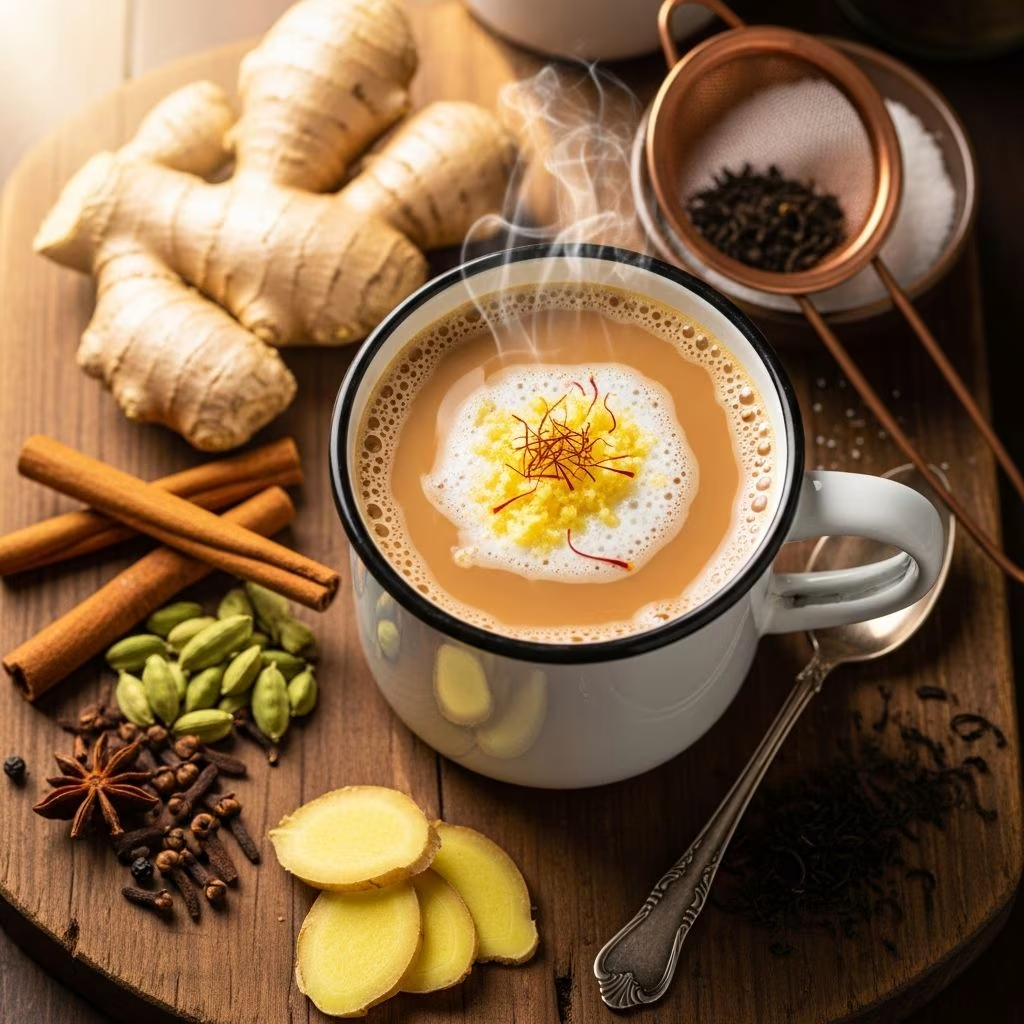
Masala chai represents far more than simply a beverage; it embodies a cherished cultural tradition spanning centuries within Indian households and tea establishments. This aromatic preparation combines black tea with strategically selected warming spices, creating a complex flavor profile that invites both comfort and contemplation. The addition of fresh ginger elevates this preparation further, introducing a peppery warmth that complements the other spices while contributing potential wellness benefits. Understanding the nuances of ingredient selection and preparation techniques enables anyone to recreate this beloved drink in their own kitchen, transforming a simple tea break into a meaningful ritual.
Understanding the Foundation: Essential Spices and Their Roles
The character of masala chai emerges directly from the spice combination employed during preparation. Rather than viewing these spices as interchangeable elements, recognizing their individual contributions creates appreciation for the final composition. Cardamom pods deliver a floral, slightly sweet undertone that provides the foundational aromatic character. Cinnamon sticks contribute warmth and subtle sweetness without overwhelming the palate. Cloves introduce a deeper, more assertive spiced note balanced by their natural oils. Black peppercorns add a gentle heat and pungency that awakens the taste buds. Star anise or fennel seeds provide licorice-like notes that round out the spice profile with subtle complexity.
Fresh ginger serves as the distinguishing feature in ginger-forward variations. Unlike dried ginger powder, which delivers concentrated spice, fresh ginger root offers a more nuanced approach with natural oils that brighten the entire blend. The fiery quality of fresh ginger gradually unfolds as the tea steeps, building rather than immediately overpowering the other flavors. This gradual development distinguishes ginger-enhanced masala chai from versions relying primarily on ground spices.
Selecting and Preparing Your Ingredients
Black Tea Selection
The tea foundation requires careful consideration, as delicate varieties may become lost beneath the assertive spice profile. Assam and Darjeeling black teas stand as traditional choices, offering sufficient body and robustness to harmonize with warming spices. A strong black tea with natural maltiness provides the backbone upon which the spice flavors build. Loose leaf tea generally delivers superior flavor compared to tea bags, though quality tea bags prove acceptable when loose leaf remains unavailable. The key lies in selecting teas robust enough to maintain their character throughout the brewing and infusion process.
Fresh Ginger Preparation
Acquiring fresh ginger root in good condition establishes the foundation for quality ginger chai. Look for firm roots without soft spots or visible mold. The skin should appear relatively smooth, though some wrinkling indicates proper aging and development of flavor compounds. Ginger root that yields to finger pressure may have begun deteriorating internally.
Preparation method significantly influences flavor intensity. Thin slicing preserves a more delicate ginger presence, allowing the other spices to contribute more prominently to the overall flavor. Crushing or grating ginger releases more of its volatile oils, creating a more assertive ginger character. Some practitioners prefer muddling ginger directly in the brewing pot, a technique that bruises the root fibers and accelerates flavor extraction. The choice between these methods depends on personal preference and the desired ginger intensity level.
Sourcing Whole Spices
Whole spices maintain their aromatic oils far longer than pre-ground alternatives, ensuring superior flavor when compared to powdered versions. Cardamom pods should be lightly crushed before use, releasing their seeds while maintaining some structural integrity that prevents excessive bitterness from extraction. Cinnamon sticks can be left whole or broken into smaller pieces. Cloves require gentle handling, as excessive crushing produces bitter compounds that overwhelm subtler flavors. When ground spices become necessary due to availability or convenience, reducing quantities by approximately half compensates for their greater potency.
The Brewing Process: Step-by-Step Technique
Initial Water and Spice Infusion
Begin by placing water in a saucepan over medium-high heat. As water begins warming, add whole spices and fresh ginger slices to the pot. This early introduction allows spices to begin releasing their aromatic compounds gradually as the water temperature increases. Some practitioners add an extra quarter cup of water when using larger cooking vessels, accounting for additional evaporation during the brewing process. This consideration prevents ending with an unexpectedly small final volume.
Allow the water to reach a gentle boil, observing as the liquid gradually transforms in color and aroma. The water should reach a rolling boil before introducing the black tea, ensuring sufficient heat for proper extraction of tea compounds.
Tea Integration and Steeping
Once water reaches boiling, add black tea leaves or tea bags directly to the pot. Immediately reduce heat to maintain a gentle simmer rather than a vigorous boil. Vigorous boiling can extract excessive tannins from tea leaves, creating astringency that conflicts with the spice flavors. The gentle simmer allows tea and spices to infuse gradually, creating balanced flavor development. Cover the pot partially and allow steeping to continue for approximately three to five minutes, depending on desired strength and tea variety.
Milk Addition and Final Heating
After removing from heat briefly to assess color and aroma, add milk to the prepared chai base. The milk quantity typically ranges from equal parts to the prepared tea concentrate, though personal preference guides final ratios. Pour milk gradually while stirring to ensure proper distribution. Return the pot to medium-high heat and bring the mixture to a gentle boil, watching carefully to prevent boiling over. Some practitioners remove the pot from heat as soon as milk reaches boiling temperature, while others maintain a low simmer for an additional minute to further develop flavors.
Sweetening and Final Adjustments
Remove the pot from heat and add sweetener according to personal preference. White sugar, honey, maple syrup, and jaggery each contribute distinct flavor notes alongside sweetness. Add ground spices if using this approach rather than whole spices throughout brewing. Stir thoroughly and allow the mixture to rest briefly covered, giving flavors additional opportunity to meld together.
Customization Options for Personal Preference
Adjusting Ginger Intensity
The amount of fresh ginger employed directly determines spice intensity in the final beverage. Those preferring subtle ginger undertones should use a thin slice approximately one-quarter inch thick per cup of water, incorporated as whole slices that can be removed before serving. For more pronounced ginger presence, increase to one-half inch or grate the ginger finely to maximize surface area and oil release. Some individuals experiencing mild illness prefer doubling the ginger content temporarily, leveraging potential warming and digestive properties.
Milk Alternatives and Dairy Considerations
While traditional masala chai employs dairy milk, various alternatives accommodate different dietary needs and preferences. Whole milk produces the richest, creamiest final beverage. Reduced-fat milk offers lighter texture while maintaining some creaminess. Oat milk and coconut milk provide dairy-free options with natural sweetness and body that complement the spice profile particularly well. Soy milk offers protein content with neutral flavor that allows spices to remain prominent. The chosen milk should withstand boiling without separating, which eliminates certain thinner milk alternatives.
Spice Profile Variations
Beyond the traditional spice combination, numerous regional and personal variations exist. Some preparations incorporate orange zest or lemon zest alongside traditional spices, introducing bright citrus notes. Bay leaves add subtle herbal complexity. Nutmeg provides warming depth, particularly appreciated during cooler months. Star anise can replace fennel seeds for stronger licorice characteristics. Experimenting with spice proportions allows development of personal signature preparations that honor tradition while reflecting individual taste preferences.
Comparative Spice and Preparation Methods
| Preparation Method | Ginger Form | Steeping Time | Resulting Character |
|---|---|---|---|
| Sliced Fresh Ginger | Thin slices (1/4 inch) | 5-10 minutes | Delicate, balanced ginger warmth |
| Grated Fresh Ginger | Finely grated | 3-5 minutes | Pronounced, assertive ginger presence |
| Muddled Fresh Ginger | Bruised root pieces | 5-10 minutes | Rapid oil release, immediate warmth |
| Mixed Fresh and Ground | Slice plus 1/4 tsp powder | 5 minutes | Layered, complex ginger flavor |
Timing Considerations and Practical Tips
Masala chai preparation requires approximately ten to fifteen minutes from start to finished beverage, making it suitable for morning rituals or afternoon tea breaks. Planning ahead by measuring spices into small containers streamlines the process considerably. Some households prepare concentrated chai bases in larger quantities, refrigerating them for convenient reheating with fresh milk during subsequent days. However, fresh preparation generally produces superior flavor compared to reheated versions.
The aromatic stage of preparation—when spices release their fragrance into the air—provides valuable sensory feedback regarding flavor development. Experienced practitioners recognize optimal readiness through aroma assessment rather than strict timing. This skill develops naturally through repeated preparation.
Storage and Make-Ahead Strategies
Prepared masala chai remains fresh for two to three days when refrigerated in sealed containers. Reheat gently over low heat to prevent scorching and maintain delicate spice flavors. The concentrated chai base can be prepared separately from milk, allowing quick assembly throughout the week. Fresh ginger remains viable in the refrigerator for several weeks when wrapped in paper towels within a plastic bag, though earlier use captures optimal flavor and beneficial compounds.
Frequently Asked Questions
Can I prepare masala chai in a coffee maker or electric kettle?
While technically possible, these appliances lack the controlled heating and stirring capabilities that traditional stovetop preparation offers. The ability to monitor color development and adjust heat intensity contributes significantly to balanced flavor extraction. Stovetop preparation remains the recommended method for optimal results.
What if my chai tastes too bitter?
Excessive bitterness typically results from over-steeping or excessive heat during brewing. Reduce steeping time in future preparations and maintain gentler heating throughout. The water should simmer rather than boil vigorously once tea enters the pot.
How can I make caffeine-free masala chai?
Substitute rooibos, herbal tea blends, or caffeine-free black tea alternatives for traditional black tea. The brewing process remains identical, though steeping times may require adjustment based on the substitute tea’s specific requirements. Rooibos particularly complements the spice profile of traditional masala chai.
Should I use fresh or ground ginger?
Fresh ginger delivers superior flavor complexity compared to ground ginger alone. However, combining both—using fresh ginger slices throughout brewing and adding ground ginger powder during the final stages—creates layered depth. Ground ginger alone produces acceptable results when fresh ginger unavailability occurs.
Why does restaurant chai taste different from my homemade version?
Professional chai often incorporates additional ginger, extended simmering times, and higher spice concentrations than domestic preparations recommend. Restaurant versions frequently prioritize pronounced ginger presence and boldness. Adjusting proportions and steeping duration allows recreation of preferred restaurant characteristics at home.
Conclusion: Mastering Your Personal Chai Ritual
Fresh ginger masala chai represents an accessible entry point into the broader world of spiced tea preparation. Beginning with basic recipes and established proportions builds confidence before experimenting with personal variations. The satisfaction derived from transforming simple ingredients into a warming, aromatic beverage extends beyond flavor alone—the ritual itself creates moments of intentionality and cultural connection within daily routines. As comfort in preparation increases, chai becomes less a recipe to follow and more an intuitive practice guided by aroma, color, and personal preference.
References
- Authentic Masala Chai Recipe — Feasting At Home. Accessed April 2026. https://www.feastingathome.com/authentic-masala-chai-recipe/
- Masala Chai (Tea) Recipe – Spiced Chai — Tea For Turmeric. Accessed April 2026. https://www.teaforturmeric.com/masala-chai-recipe/
- Best masala chai recipes from scratch — The Tea Squirrel. October 19, 2020. https://teasquirrel.com/home/2020/10/19/best-masala-chai-recipes-from-scratch
- Authentic Masala Chai — Three Teas Kitchen. Accessed April 2026. https://threeteaskitchen.com/authentic-masala-chai/
- Ginger Milk Tea (Adrak Chai) — Swasthi’s Recipes. Accessed April 2026. https://www.indianhealthyrecipes.com/ginger-milk-tea/
- Ginger Tea Recipe (Adrak Chai) — Ministry of Curry. Accessed April 2026. https://ministryofcurry.com/ginger-chai/