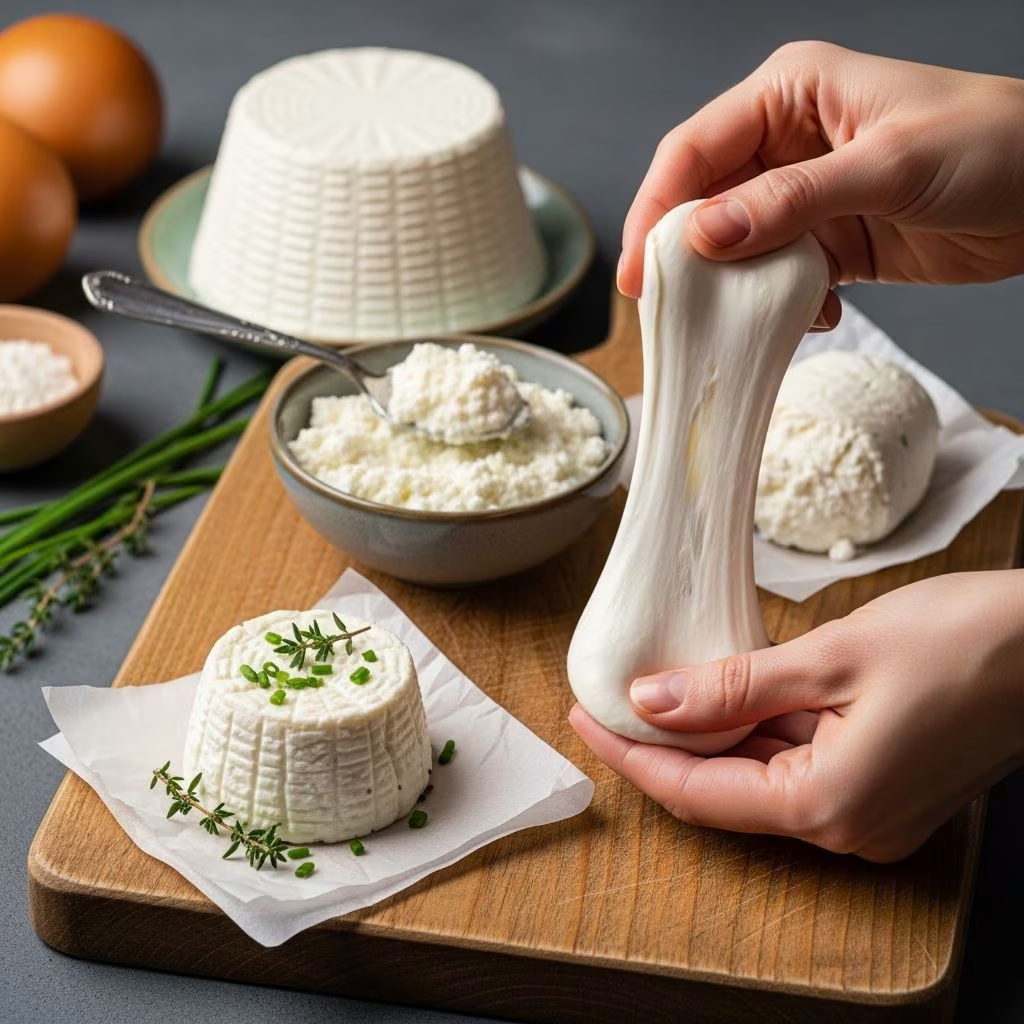
Creating your own fresh cheese transforms everyday milk into a creamy, versatile ingredient ready for spreads, salads, or snacks. This process, accessible to novices, involves curdling milk with acid or cultures, draining the whey, and seasoning to taste. With minimal equipment and ingredients, you can produce cheese rivaling store-bought versions in freshness and flavor.
Why Make Cheese in Your Kitchen
Homemade fresh cheese offers control over quality and ingredients, avoiding preservatives common in commercial products. It’s cost-effective, yielding pounds from a single gallon of milk, and allows customization with herbs, spices, or fruits. The satisfaction of watching milk separate into curds and whey fosters a deeper appreciation for this ancient craft practiced worldwide.
Fresh cheeses like farmer’s, goat, or ricotta-style varieties mature quickly, requiring no aging. They pair with breads, fruits, or in cooking, enhancing dishes from pasta to desserts. Experimenting builds skills for more complex cheeses later.
Essential Tools for Cheese Making
Start with basic items found in most kitchens, supplemented by a few affordable additions:
- Large pot: Stainless steel holds 1-4 gallons of milk without reacting.
- Cheesecloth or muslin: Fine weave for draining curds; butter muslin is ideal for reusability.
- Thermometer: Digital for precise milk temperatures (around 86-195°F depending on method).
- Colander or sieve: Supports cloth during draining.
- Slotted spoon: Gently handles curds.
- Optional: Cheese molds for shaping, rennet for firmer texture, or jars for storage.
These tools ensure hygienic, efficient production. Sterilize by boiling or running through a dishwasher.
Core Ingredients Explained
High-quality whole milk forms the base, providing fat for creaminess. Organic or local sources yield superior results due to fewer additives.
| Ingredient | Purpose | Quantity (1 Gallon Milk) |
|---|---|---|
| Whole Milk | Base for curds | 1 gallon |
| Vinegar or Lemon Juice | Acid coagulant | 1/2 cup |
| Rennet & Starter Culture | Bacterial/enzyme coagulant | 1/8 tsp starter + 3 drops rennet |
| Salt | Flavor & preservation | 1-3 tsp |
Rennet, derived from animal or vegetable sources, creates a clean break in milk, while mesophilic starters add tangy notes. Non-chlorinated water dilutes rennet effectively.
Simple Acid Method: Quick Farmer’s Cheese
This beginner-friendly approach uses vinegar for rapid curdling, ready in under an hour plus draining.
- Pour 1 gallon milk into a pot; heat to 195°F over medium, stirring to prevent scorching.
- Remove from heat; slowly stir in 1/2 cup white vinegar. Wait 30-60 seconds for curds to form—milk separates into solid white curds and yellowish whey.
- If no separation, add vinegar incrementally.
- Line colander with cheesecloth; pour mixture through. Rinse curds gently under cool water to remove acid taste.
- Gather cloth, squeeze excess whey. Hang or press for 1-4 hours for desired firmness.
- Mix in salt; store in fridge up to 1 week.
Yield: About 4 cups. Texture ranges from spreadable to crumbly based on draining time.
Cultured Approach: Tangy Fresh Cheese
For nuanced flavor, use cultures and rennet over 24 hours.
- Warm 1 gallon milk to 86°F. Sprinkle 1/8 tsp mesophilic starter; stir 1 minute.
- Dissolve 3 drops rennet in 1/3 cup cool, non-chlorinated water; add to milk, stirring gently 30 seconds.
- Cover; maintain 86°F for 12 hours (use a proofer or warm spot).
- Cut curds into 1/2-inch cubes; heat to 95°F over 30 minutes, stirring.
- Drain in cheesecloth; salt to taste. Pack into molds or jars; chill.
This method produces milder, yogurt-like cheese ideal for children. Total time: 24 hours active and passive.
Flavor Variations to Elevate Your Cheese
Plain cheese is a canvas; infuse post-draining for bold twists:
- Herb Bliss: Mix 1 tsp dried oregano or dill per pound.
- Spicy Kick: Fold in 2 tsp chili jam or chopped jalapeños.
- Sweet Nutty: Add maple syrup and chopped walnuts.
- Garlic & Chive: 1 minced clove garlic + 2 tbsp chives.
- Fruit Fusion: Blend with honey and blueberries for dessert cheese.
Adjust ratios to taste; refrigerate flavored versions 2-3 days for melding.
Troubleshooting Common Issues
Challenges arise but are fixable:
- Weak curds: Use fresher milk or more acid/rennet. Avoid ultra-pasteurized milk.
- Bitter taste: Over-acidified; rinse curds thoroughly.
- Grainy texture: Overheating; stir constantly at low temps.
- Short shelf life: Ensure clean tools; store airtight.
Practice refines technique. Note whey color: lime-yellow indicates proper acidification in vinegar method.
Storage and Shelf Life Tips
Fresh cheese lasts 5-7 days refrigerated in airtight containers. Portion into jars to minimize air exposure. Freeze curds up to 3 months; thaw and flavor as needed. Whey saves for baking bread or smoothies—rich in protein.
For longer life, salt heavily or press into firmer blocks resembling queso fresco.
Creative Recipe Ideas
Incorporate your cheese:
- Whip with olive oil for bagel spread.
- Crumble over salads or tacos.
- Mix into no-knead bread dough using whey.
- Stuff ravioli or layer in lasagna.
- Form balls, roll in herbs, marinate in oil.
Health and Nutritional Perks
Homemade skips additives, delivering probiotic potential from cultured methods. Per 1 oz: ~80 calories, 6g protein, 6g fat—supports muscle repair and satiety. Use low-fat milk for lighter versions.
Frequently Asked Questions
Can I use non-dairy milk?
Plant milks like soy curd with acid but yield different textures; results vary.
What’s the difference between rennet and vinegar methods?
Vinegar is faster, acid-forward; rennet/culture develops milder, complex flavors over time.
Is raw milk safe?
Raw milk boosts flavor but risks bacteria; pasteurize if concerned.
How do I scale the recipe?
Double ingredients proportionally; use larger pot.
Can I reuse whey?
Yes—for breads, soups, or ricotta (heat whey to 190°F, add acid).
Scaling Up for Gifting
Double batches fill holiday jars. Shape in molds for presentation; label with date and flavors. Share with baking mixes using whey byproduct.
Advanced tip: Blend draining whey back into bread dough for tender crumb.
References
- Homemade Fresh Cheese Recipe — Brod & Taylor. 2023. https://brodandtaylor.com/blogs/recipes/homemade-fresh-cheese-recipe
- The Only Fresh Cheese Recipe You’ll Ever Need — YouTube (Bruno Home Cooks). 2022-10-15. https://www.youtube.com/watch?v=3UdwHGAgtG8
- Homemade Farmer’s Cheese (tvorog) — Olga in the Kitchen. 2023. https://www.olgainthekitchen.com/homemade-farmers-cheese/
- Easy Farmhouse Cheddar Hard Cheese Recipe — From Scratch Farmstead. 2024. https://fromscratchfarmstead.com/easy-farmhouse-cheddar-hard-cheese-recipe/
- How to Make Farmer’s Cheese and 10 Flavoring Recipes — Homemade by Jade. 2022. http://www.homemade-by-jade.com/blog/how-to-made-farmers-cheese-and-10-flavoring-recipes