Belgian waffles represent one of the most satisfying breakfast creations you can prepare in your own kitchen. Unlike thin, pancake-like American waffles, Belgian waffles feature a distinctive structure characterized by deeper pockets, a substantial thickness, and an exceptional contrast between their crispy exterior and pillowy soft interior. The beauty of crafting these waffles at home lies in the straightforward ingredients and the specific techniques that transform simple pantry staples into a restaurant-caliber breakfast experience.
Understanding the Fundamental Differences Between Waffle Styles
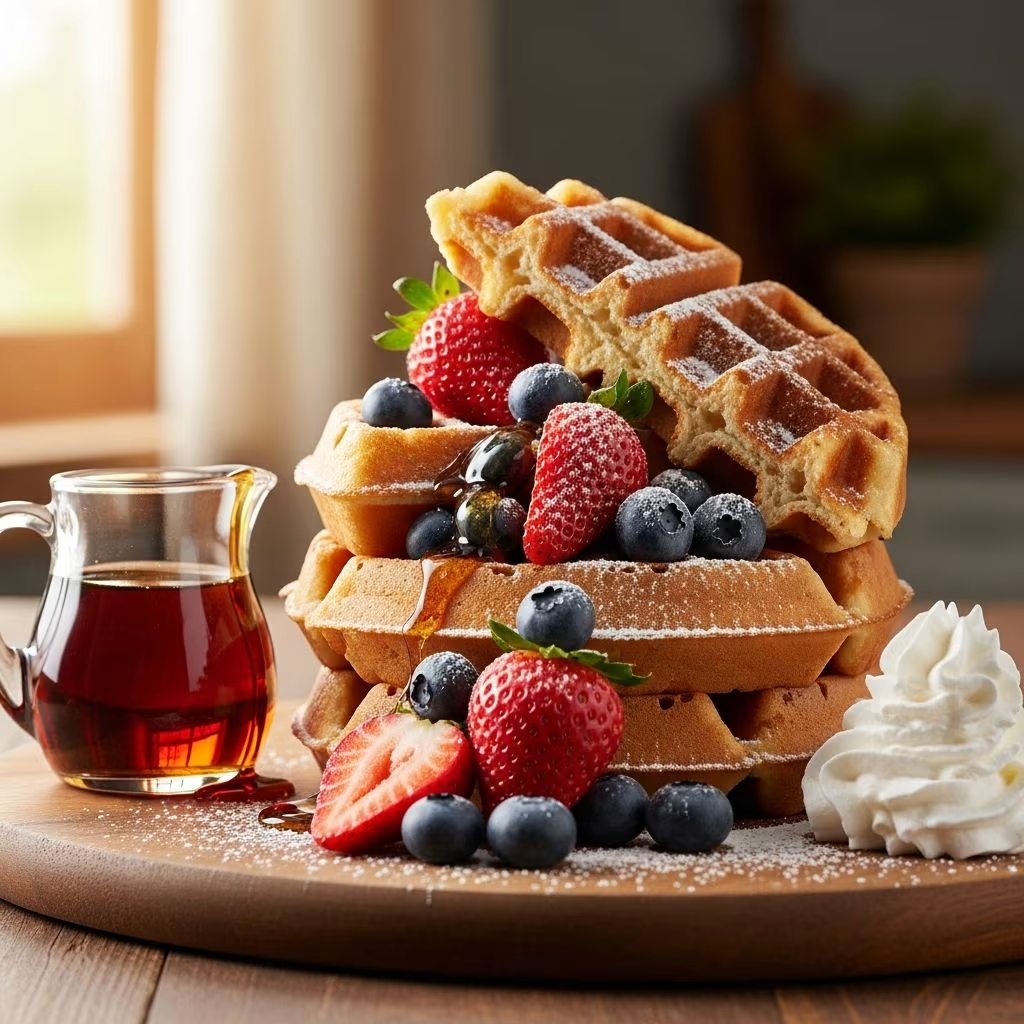
Before diving into recipe specifics, it helps to understand what distinguishes Belgian waffles from their American counterparts. Belgian waffles emerge larger and thicker due to the specialized waffle iron required for their preparation. The deeper pockets in a Belgian waffle iron create larger surface areas for caramelization, resulting in those prized golden-brown exteriors. The design of the equipment directly influences texture and appearance, making the choice of waffle iron a critical consideration for home bakers seeking authentic results.
The traditional Belgian waffle originated in Belgium and gained popularity across Europe before becoming a beloved breakfast staple worldwide. The characteristic thickness and structural integrity of a true Belgian waffle comes from both the batter composition and the extended cooking time in a properly heated Belgian waffle iron, which typically requires more time than standard American waffle makers.
Essential Ingredients and Their Critical Functions
Creating exceptional Belgian waffles begins with understanding how each ingredient contributes to the final product’s texture and flavor profile.
The Dry Components
All-purpose flour serves as the structural foundation for your waffle batter. Two cups of flour provides sufficient protein content to create stability while maintaining a tender crumb. This standard amount yields approximately six to eight waffles depending on your waffle iron’s capacity.
Baking powder functions as the primary leavening agent, creating the light and airy interior that Belgian waffles are celebrated for. Three to four teaspoons of baking powder generates carbon dioxide bubbles throughout the batter, which expand during cooking to create numerous small pockets. This leavening action occurs rapidly, so timing between batter preparation and cooking matters significantly.
Granulated sugar (typically one-quarter to one-half cup) adds sweetness while promoting browning through the Maillard reaction. Sugar also hygroscopically attracts moisture, which helps keep the interior tender. The specific amount can be adjusted based on personal preference and the toppings you plan to serve.
Salt (approximately one-half teaspoon) enhances flavors and prevents the waffles from tasting flat or one-dimensional. Salt also strengthens the gluten network slightly, contributing to structural integrity.
The Wet Components
Eggs provide both binding properties and, crucially, the opportunity for aerating the batter when egg whites are whipped separately. Using two large eggs, with whites and yolks separated, represents the foundational technique that distinguishes exceptional Belgian waffles from mediocre versions. Egg yolks contribute fat and richness to the batter, while whipped egg whites introduce air that creates the characteristic fluffy texture.
Milk (typically one-and-a-half to two cups) hydrates the flour and creates a smooth, pourable batter consistency. Whole milk contributes more fat and richness compared to lower-fat varieties, which translates to more tender, luxurious waffles. Some recipes incorporate yogurt alongside or instead of portion of the milk, which adds tangy flavor notes and maintains moisture through lactic acid.
Melted butter or vegetable oil (one-half cup) adds fat for flavor and texture development. Butter provides a more authentic, rich taste, while neutral oils like vegetable or canola oil create a lighter result. Melted butter should cool slightly before incorporation to prevent cooking the egg yolks prematurely.
Vanilla extract (one to two teaspoons) adds aromatic depth. Some recipes call for vanilla bean paste, which offers more pronounced vanilla flavor and attractive specks throughout the finished waffles.
The Critical Technique: Whipping Egg Whites
The most important technique separating good Belgian waffles from exceptional ones involves the proper preparation of egg whites. This step requires understanding why aerating beaten egg whites creates superior texture.
Whipping egg whites with an electric mixer until stiff peaks form incorporates thousands of tiny air bubbles into the protein structure. When these foam-filled egg whites fold into the batter, they retain their air pockets during cooking. As the waffle cooks and the batter sets, these pockets expand slightly from heat, creating the signature light, fluffy interior.
The distinction between soft peaks and stiff peaks matters significantly. Soft peaks form when the egg whites are beaten until they reach a consistency where peaks form but the tips curl over slightly. Stiff peaks, the preferred stage for waffle preparation, form when the peaks stand upright and don’t bend. Overbeating beyond stiff peaks causes the foam to break down and become grainy, which diminishes the aerating effect.
Proper folding technique preserves the whipped egg whites’ air content. Using a rubber spatula and folding gently—rotating the bowl slightly with each motion rather than stirring vigorously—maintains the incorporates air. The folding process should continue until no visible streaks of egg white remain, but avoid over-mixing, which deflates the foam.
Step-by-Step Preparation Process
Preparation Phase
Begin by preheating your Belgian waffle iron according to the manufacturer’s specifications. Most Belgian waffle irons require three to five minutes to reach optimal temperature. While the iron heats, gather all ingredients at room temperature, which promotes more even mixing and incorporation of ingredients.
Mixing Dry Ingredients
In a large mixing bowl, whisk together flour, baking powder, sugar, and salt. This dry mixture should be blended thoroughly to ensure even distribution of the leavening agent throughout the batter. Creating a well in the center of this dry mixture provides a convenient location for incorporating wet ingredients without unnecessary stirring.
Preparing Egg Components
Carefully separate eggs, placing whites in one bowl and yolks in another. Using an electric mixer, beat egg whites at medium-high speed until stiff peaks form. This typically requires two to three minutes of continuous beating. In the separate bowl containing yolks, whisk together the egg yolks, milk, melted butter, and vanilla extract until fully combined.
Combining Mixtures
Pour the wet mixture into the well of the dry ingredients and whisk until just combined. The batter should appear lumpy, not smooth. Lumps indicate proper mixing technique; smooth batter suggests over-mixing, which develops excessive gluten and creates tough, dense waffles rather than tender, fluffy ones.
Next, gently fold the whipped egg whites into the batter using a rubber spatula. Complete folding when no white streaks remain visible, but avoid stirring vigorously, which deflates the beneficial air bubbles.
Cooking the Waffles
Lightly spray the preheated waffle iron with non-stick cooking spray to prevent sticking. Scoop appropriate batter amounts (usually one-half to three-quarters cup, depending on your iron’s size) into the center of the lower grid. Close the lid gently and cook according to manufacturer’s instructions, typically five to ten minutes. The waffle is ready when it stops steaming noticeably and turns golden brown.
Common Mistakes and Solutions
| Problem | Cause | Solution |
|---|---|---|
| Dense, flat waffles | Over-mixing batter or insufficient egg white incorporation | Mix until just combined; ensure egg whites reach stiff peaks before folding |
| Waffles stick to iron | Inadequate non-stick spray or iron not hot enough | Spray iron thoroughly before each waffle; preheat for full time |
| Uneven browning | Inconsistent batter temperature or iron heat distribution | Allow batter to rest five minutes; avoid opening iron mid-cook |
| Soggy interior | Under-cooking or excess liquid in batter | Cook longer; ensure milk measurement is accurate |
| Dry waffles | Over-cooking or insufficient fat in batter | Remove when golden; verify butter quantity |
Ingredient Variations and Customization Options
While the basic recipe provides an excellent foundation, numerous variations accommodate different preferences and dietary considerations.
Flavor Additions: Ground cinnamon, nutmeg, or cardamom complement the vanilla base beautifully. Add one-quarter to one teaspoon of spices to the dry ingredients. Lemon zest or almond extract offer alternative aromatics. Chocolate chips or mini pecans can be scattered into the batter, though this requires slightly shorter cooking times to prevent burning.
Textural Modifications: Whole wheat flour can replace one-quarter to one-half of the all-purpose flour for nuttier flavor and increased fiber content, though this creates slightly denser waffles. Adding oats (blended into powder) creates heartier waffles.
Dairy Alternatives: Dairy-free milk substitutes like almond, oat, or coconut milk work reasonably well, though they may alter the richness slightly. Aquafaba (the liquid from canned chickpeas) serves as a vegan egg white alternative when whipped to stiff peaks.
Topping and Serving Suggestions
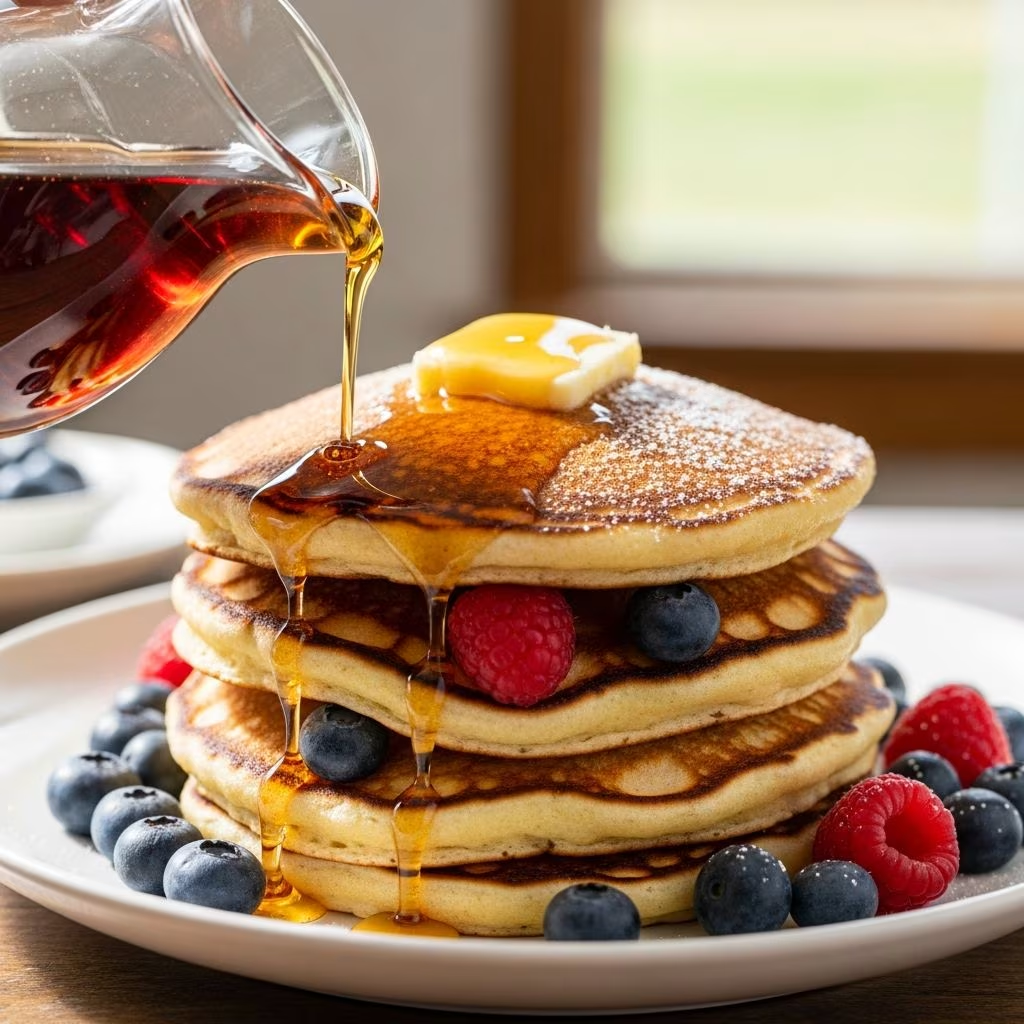
The versatility of Belgian waffles extends to topping options. Classic maple syrup and butter remain timeless choices, with the warm waffles melting butter wonderfully. Fresh berries—strawberries, blueberries, raspberries—provide bright, fresh accompaniments. Whipped cream adds indulgence, while yogurt or sour cream offers tanginess that balances sweetness.
Savory applications deserve consideration too. Some preparations incorporate herbs into the batter, then top finished waffles with avocado, poached eggs, or sautéed vegetables. This approach transforms waffles into a full meal rather than a dessert-like breakfast.
Storage and Make-Ahead Options
Belgian waffles can be prepared ahead and reheated successfully. Store cooled waffles in an airtight container in the refrigerator for up to five days. To reheat, place waffles in a standard toaster oven at 350 degrees Fahrenheit for three to five minutes, which restores crispness without drying the interior.
For longer storage, freeze waffles in a single layer on a baking sheet for two hours, then transfer to freezer bags where they keep for up to three months. Reheat frozen waffles directly in a toaster oven or regular toaster, using a longer cooking time if necessary.
Frequently Asked Questions
Why should I separate the eggs?
Separating eggs allows you to whip the whites into a foam, which incorporates air that creates the characteristically light, fluffy texture Belgian waffles are known for. The yolks contribute richness to the batter, while the whites provide volume and structure.
Can I make the batter ahead of time?
Prepare the dry ingredients several hours ahead. However, whip the egg whites immediately before cooking, and fold them in just before using the batter, as the air bubbles deflate over time when mixed.
What waffle iron should I use?
A Belgian waffle iron specifically—not an American waffle maker—produces the authentic shape, thickness, and pocket structure characteristic of true Belgian waffles. Belgian irons typically measure larger and feature deeper grids.
How do I know when the waffles are done cooking?
Most Belgian waffles are ready when the steaming noticeably decreases and the exterior achieves golden-brown coloration. Refer to your specific iron’s manufacturer guidance, as timing varies between models.
Can I use oil instead of butter?
Yes, neutral oils like vegetable or canola oil substitute successfully for melted butter at a one-to-one ratio. Butter provides more authentic flavor, while oil creates slightly lighter waffles with a more neutral taste.
Conclusion
Creating exceptional Belgian waffles at home combines straightforward ingredients with specific techniques that produce restaurant-quality results. The whipping and folding of egg whites represents the most critical step, transforming basic batter into fluffy, light waffles with crispy exteriors. By understanding ingredient functions, mastering the preparation sequence, and avoiding common pitfalls, you’ll consistently produce breakfast waffles worthy of your family’s special occasions and weekend gatherings. The satisfaction of serving warm, fragrant Belgian waffles fresh from your own waffle iron rewards the minimal effort required to master this classic preparation.
References
- Fluffy Belgian Waffles — Pumpkin ‘N Spice. 2024. https://www.pumpkinnspice.com/fluffy-belgian-waffles/
- Fluffy Belgian Waffles — The Comfort of Cooking. 2024. https://www.thecomfortofcooking.com/fluffy-belgian-waffles/
- Classic Belgian Waffles — Broma Bakery. 2024. https://bromabakery.com/classic-belgian-waffles/
- The Best Belgian Waffles (Light & Fluffy Recipe) — Sugar and Charm. 2024. https://sugarandcharm.com/belgian-waffles
- The BEST Belgian Waffles Recipe — Tastes Better From Scratch. 2024. https://tastesbetterfromscratch.com/belgian-waffles/