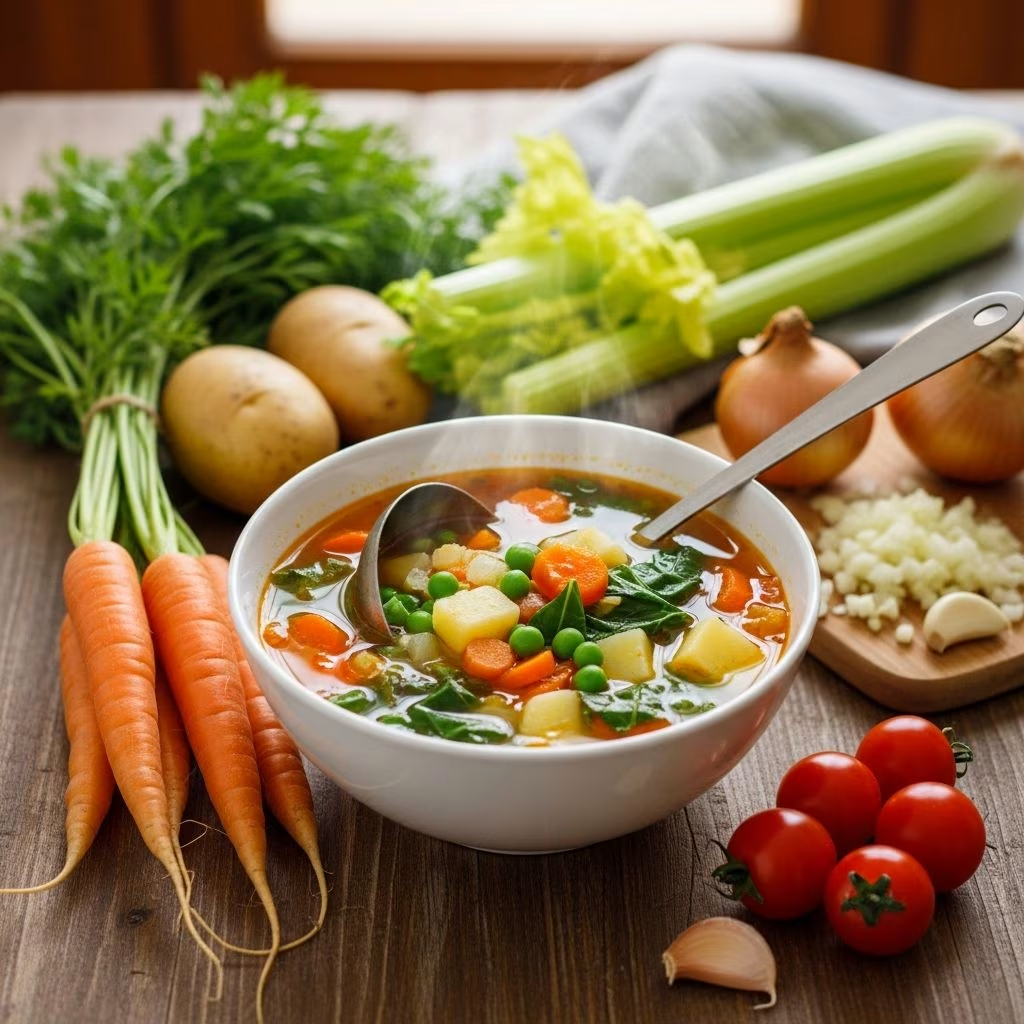
Vegetable soup represents one of the most accessible and rewarding dishes to prepare in any home kitchen. This versatile creation combines fresh produce with aromatic seasonings to produce a meal that satisfies both nutritional needs and culinary desires. Whether you’re seeking a light lunch, a warming dinner, or a way to use seasonal vegetables at their peak, vegetable soup offers endless possibilities for customization and flavor development.
Understanding the Foundation: Building Blocks of Flavorful Soup
The essence of creating a truly exceptional vegetable soup lies in understanding how different components work together to build complexity and depth. Rather than simply combining vegetables in broth, successful soup-making requires strategic layering of flavors and textures that enhance one another throughout the cooking process.
The aromatic base forms the first crucial element. Starting with diced onions sautéed in quality olive oil creates an essential flavor foundation that supports all subsequent ingredients. This initial step, typically lasting around 8 minutes over medium heat, allows the onion’s natural sugars to caramelize slightly, developing deeper, richer flavors that permeate the entire pot. Adding salt during this phase helps draw out moisture from the onion while accelerating the development of complex flavors.
After establishing this flavorful base, incorporating sturdy vegetables like carrots and sweet potatoes extends the cooking time appropriately. These denser vegetables require longer exposure to heat to become tender, so they join the pot early in the process alongside minced garlic and dried herbs. The combination of fresh garlic and dried seasonings such as oregano, thyme, or basil introduces layers of flavor that transform simple vegetables into a sophisticated dish.
The Strategic Approach to Vegetable Addition and Timing
One of the most important techniques in vegetable soup preparation involves understanding how different vegetables require varying cooking times. This knowledge allows cooks to add ingredients in stages, ensuring each vegetable reaches optimal tenderness simultaneously rather than having some vegetables fall apart while others remain undercooked.
Early-Stage Vegetables include those with dense, fibrous structures that require extended cooking time. Carrots, sweet potatoes, regular potatoes, and root vegetables fall into this category. These ingredients typically simmer for 15-20 minutes before other vegetables are introduced, allowing them to soften adequately while maintaining some structural integrity.
Mid-Stage Vegetables join the pot approximately halfway through the total cooking process. Green beans, zucchini, summer squash, and cauliflower represent typical mid-stage additions. These vegetables cook relatively quickly, requiring only 10-15 minutes to reach ideal tenderness. Adding them too early results in mushiness and flavor degradation, while adding them too late leaves them crunchy and unintegrated with other flavors.
Late-Stage Additions include leafy greens and delicate vegetables that require minimal cooking. Kale, spinach, collard greens, and chard need only 5 minutes of simmering to wilt and incorporate into the soup. Adding these greens early would result in overcooked, unappetizing textures, so timing is critical for maintaining their nutritional value and pleasant mouthfeel.
Liquid and Seasoning Mastery
The broth or liquid component serves as more than simply a cooking medium—it becomes the carrier of all flavors throughout the finished dish. Vegetable broth offers a neutral foundation that allows vegetable flavors to shine without overwhelming the palate. The ratio of broth to vegetables typically ranges from 4-6 cups of liquid for a soup containing 2-3 cups of vegetables, creating a balance between hearty substance and sippable comfort.
Bay leaves, added early in the cooking process, infuse the entire pot with subtle complexity that develops over time. These leaves release their aromatic oils gradually, creating depth that becomes apparent only after extended simmering. Removing bay leaves before serving prevents diners from encountering them unexpectedly.
Acid plays a surprisingly important role in vegetable soup composition. White wine vinegar, lemon juice, or lime juice added near the end of cooking brightens flavors and prevents the soup from tasting flat or one-dimensional. This finishing touch requires only 1-2 tablespoons but creates a noticeable difference in overall flavor perception. Tasting the soup before and after this addition reveals how dramatically acid awakens and balances all other flavors.
Protein Integration and Nutritional Enhancement
While vegetables form the primary component, adding protein transforms soup from a side dish into a complete, satisfying meal. Chickpeas offer versatility and a slightly nutty flavor that complements most vegetable combinations. These legumes integrate seamlessly into the cooking process since canned chickpeas require no additional cooking—simply rinsing and stirring them into the pot suffices.
Alternative protein sources provide flexibility for different dietary preferences and availability. White beans, black beans, or lentils create different textural and flavor profiles while maintaining similar nutritional benefits. Some cooks prefer adding protein in the form of grains like quinoa or farro, which absorb broth flavor while adding substance and nutrition to each spoonful.
Customization: Making Soup Your Own
The beauty of vegetable soup lies in its inherent flexibility and adaptability to personal preferences and seasonal availability. Rather than rigidly following a single recipe, successful cooks view vegetable soup as a framework for creativity and experimentation.
Seasonal Adaptations ensure that soups remain fresh and interesting throughout the year. Spring soups might feature young peas, asparagus, and fresh herbs. Summer variations incorporate zucchini, bell peppers, and cherry tomatoes. Fall and winter soups turn toward heartier vegetables like butternut squash, kale, and root vegetables. This seasonal approach ensures maximum flavor development and nutritional content while supporting local and seasonal agriculture.
Spice Level Customization accommodates various heat preferences. Red pepper flakes can be omitted entirely for those who prefer mild soups, or doubled for spice enthusiasts. Building spice gradually allows diners to adjust heat levels to their preference before serving, rather than committing to a single heat intensity at the outset.
Texture Preferences range from chunky, rustic preparations to smoother, more refined presentations. Some cooks prefer leaving all ingredients clearly visible and textured, while others blend portions of the finished soup to create creamier consistency without adding dairy products.
Finishing Touches and Serving Suggestions
The presentation and final garnish transform a simple bowl of soup into a memorable dining experience. Fresh herbs like parsley or basil add visual appeal and bright flavor notes that complement the warm, cooked vegetables. A drizzle of quality olive oil adds richness and luxurious mouthfeel without requiring cream or butter.
Cheese options including Parmesan or aged varieties provide umami depth and sophisticated flavor layers. A spoonful of pesto swirled into individual bowls creates visual interest while introducing fresh basil flavor that contrasts pleasantly with warm broth. For those seeking non-dairy options, nutritional yeast offers a savory, cheesy flavor without animal products.
Equipment and Preparation Efficiency
Having the proper equipment streamlines soup preparation and ensures consistent results. A large, heavy-bottomed pot distributes heat evenly, preventing hot spots that might scorch vegetables or broth. A sharp knife and cutting board facilitate efficient vegetable preparation, with uniform sizing ensuring even cooking throughout the pot.
Pre-measuring ingredients before beginning the cooking process, a technique known as mise en place, reduces stress and prevents mistakes during active cooking. Gathering dried herbs, oils, and other seasonings before heat is applied allows cooks to focus on timing and technique rather than searching for ingredients mid-preparation.
Storage and Make-Ahead Strategies
Vegetable soup’s longevity and reheating capability make it ideal for meal preparation and batch cooking. Properly stored in airtight containers, finished soup maintains quality for 3-4 days in refrigeration, with the flavors often deepening and developing further during storage.
Freezing extends soup longevity significantly, with properly frozen vegetable soup remaining palatable for 2-3 months. However, certain vegetables like zucchini may become mushy during the freeze-thaw process, so some cooks prefer freezing soup base components separately and adding delicate vegetables after reheating and thawing.
Frequently Asked Questions About Vegetable Soup
Can I make vegetable soup without specific vegetables mentioned in recipes?
Absolutely. Vegetable soup thrives on substitution and customization. If you lack sweet potato, regular potato works equally well. Missing green beans? Substitute asparagus, snap peas, or other seasonal vegetables. The cooking time may shift slightly, but the fundamental technique remains unchanged.
How do I know when vegetables are properly cooked?
Properly cooked vegetables in soup should be tender enough to easily pierce with a fork or spoon, yet remain intact rather than dissolving into the broth. Dense vegetables like carrots should yield to gentle pressure without crumbling. Leafy greens should wilt completely without becoming stringy or disintegrating.
Should I use fresh or canned tomatoes?
Fire-roasted canned tomatoes offer concentrated flavor and consistent availability throughout the year. Fresh tomatoes provide bright, summery flavor when truly ripe and in season. For maximum flavor, use whichever is at peak quality in your region—both approaches create delicious results when properly incorporated.
What’s the best way to reheat frozen soup?
Thaw soup overnight in the refrigerator, then reheat gently over medium heat on the stovetop, stirring occasionally to ensure even heating. Alternatively, frozen soup can be reheated directly in a pot over low heat, requiring more time but preventing accidental scorching.
Can I make this soup vegan?
Yes. Simply ensure all ingredients are plant-based, using vegetable broth rather than chicken or beef varieties, omitting any cheese garnishes, and selecting plant-based protein sources like beans or lentils. The resulting soup is equally satisfying and flavorful as versions containing animal products.
Conclusion: The Enduring Appeal of Homemade Vegetable Soup
Mastering vegetable soup preparation opens doors to countless variations, seasonal adaptations, and personal innovations. By understanding the fundamental principles of timing, flavor development, and ingredient integration, home cooks can create restaurant-quality soups that nourish both body and soul. Whether prepared for weeknight dinners, meal preparation, or special occasions, vegetable soup remains an accessible, delicious, and endlessly adaptable culinary foundation that rewards both beginners and experienced cooks alike.
References
- Vegetable Soup Recipe — Love and Lemons. Accessed April 2026. https://www.loveandlemons.com/vegetable-soup/
- Vegetable Soup Recipe — Sugar Spun Run. Accessed April 2026. https://sugarspunrun.com/vegetable-soup-recipe/
- Seriously Good Vegetable Soup — Cookie and Kate. Accessed April 2026. https://cookieandkate.com/vegetable-soup-recipe/
- 25 Best Vegetable Soup Recipes That Are Full of Color and Flavor — The Pioneer Woman. Accessed April 2026. https://www.thepioneerwoman.com/food-cooking/meals-menus/g69810389/best-vegetable-soup-recipes/