Quinoa has become a staple in modern kitchens, celebrated for its nutritional density and versatility. Unlike traditional grain sides that offer limited culinary possibilities, quinoa provides a blank canvas for creative flavor combinations while delivering substantial protein content and essential amino acids. Whether you’re planning a weeknight dinner or preparing for a special gathering, understanding how to transform this ancient grain into an impressive side dish opens up countless possibilities for elevating your meals.
Understanding Quinoa and Its Culinary Potential
Quinoa stands apart from conventional starches due to its unique texture and nutritional profile. When cooked properly, each grain becomes fluffy and maintains its individual structure while offering a subtle, nutty undertone. This characteristic makes it an ideal complement to both robust and delicate main courses. The grain’s versatility extends beyond simple preparation—it can absorb diverse flavors while maintaining its structural integrity, making it suitable for everything from Mediterranean-inspired preparations to Asian-influenced variations.
The cooking process requires understanding the proper liquid-to-grain ratio and timing to achieve optimal results. Most preparations follow a basic formula: combine rinsed quinoa with approximately twice its volume in liquid, bring to a boil, then reduce heat and simmer until the liquid absorbs completely. This fundamental technique remains consistent regardless of the flavor profile you’re pursuing.
Building Flavor Through Strategic Seasoning Approaches
Creating a memorable quinoa side dish begins with understanding how to layer flavors effectively. Rather than simply boiling the grain in plain water or broth, professional cooks employ multiple strategies to infuse taste throughout the cooking process and after completion.
The Foundation: Initial Aromatics
The first step involves sautéing aromatic vegetables before introducing the quinoa. This technique extracts and concentrates flavors that will permeate the finished dish. Begin by heating quality fat—whether vegetable oil, olive oil, or butter—in a medium saucepan over moderate to moderately high heat. Add finely chopped onions or shallots along with ground spices like cumin, allowing them to soften and release their essential oils. This typically requires four to five minutes of consistent stirring. Following this, introduce minced garlic and cook briefly until fragrant but not browned, usually thirty seconds to one minute.
Toasting for Enhanced Depth
Before adding liquid, many experienced cooks incorporate a crucial step: toasting the rinsed quinoa directly in the pan with the aromatics. This brief toasting—approximately one minute of constant stirring—develops deeper, more complex flavors by lightly browning the grain’s exterior. This technique adds considerable depth without requiring additional ingredients, creating a foundation that supports whatever complementary flavors you choose to add.
Liquid Selection and Its Impact
The choice of cooking liquid significantly influences the final flavor profile. Water provides a neutral foundation that allows other seasonings to shine, while vegetable or chicken broth introduces savory dimensions that enhance the grain’s natural nuttiness. For more adventurous preparations, consider using flavored broths or even a combination of broth with fresh citrus juice to create interesting complexity.
The cooking process itself requires attention to detail. Once the liquid reaches a boil after adding the quinoa, immediately reduce the heat to its lowest setting and cover the pan with a tight-fitting lid. Maintaining a gentle simmer rather than a vigorous boil prevents the grain from breaking down and becoming mushy. The quinoa typically reaches completion in fifteen to twenty minutes, signaled by the absorption of virtually all liquid and the appearance of tiny spiral-shaped tails emerging from each grain.
Contemporary Flavor Variations to Explore
Bright Mediterranean Approach
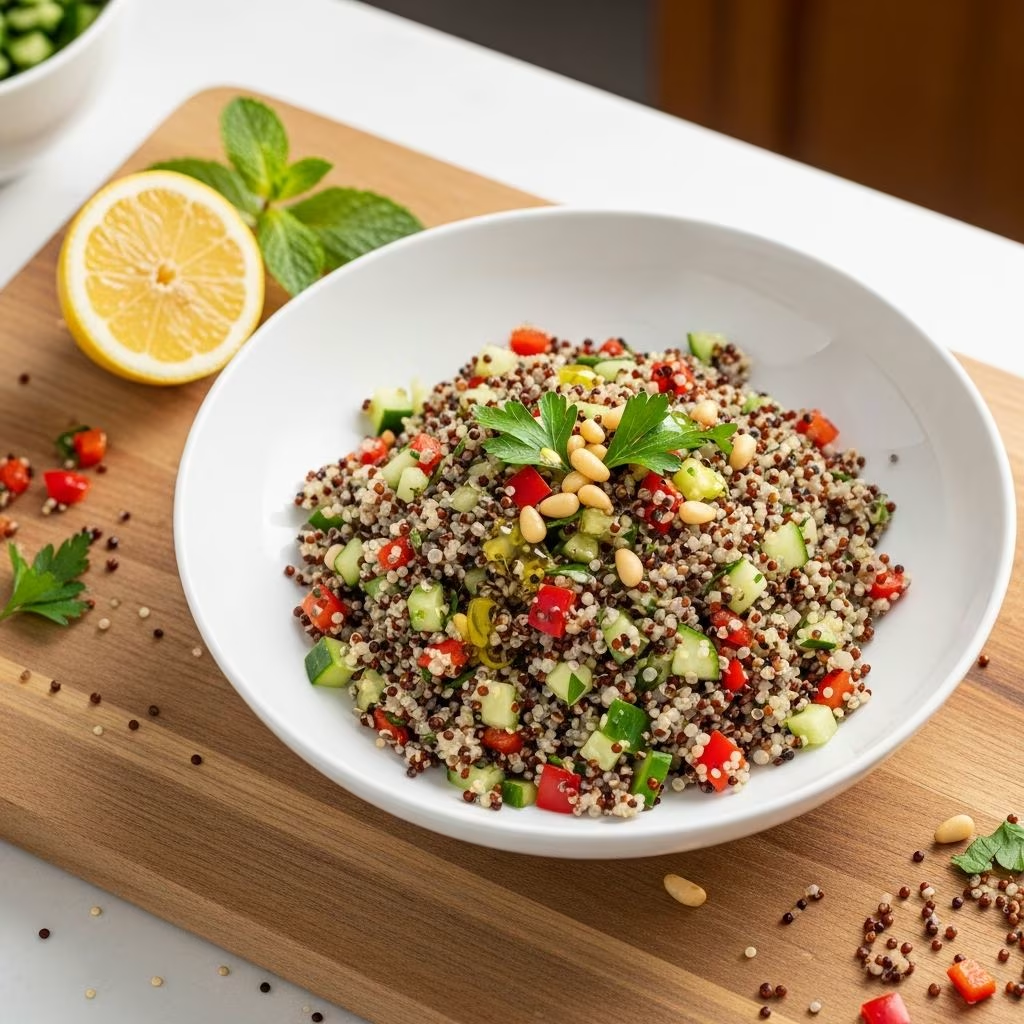
Creating a Mediterranean-inspired version begins with the basic preparation, then finishing with fresh citrus elements and delicate herbs. After cooking and allowing the quinoa to rest briefly, fluff the grains with a fork and transfer to a serving bowl. Incorporate lemon zest and fresh lemon juice for brightness, then fold in generous amounts of freshly chopped parsley and thyme. Optional additions might include sliced roasted almonds for textural contrast and toasted seeds for nutritional enhancement. A final drizzle of premium olive oil before serving adds richness and polish.
Zesty Latin-Inspired Variation
For a preparation that complements Mexican and Latin American cuisine, follow the basic cooking method but incorporate lime juice and aromatic cilantro instead of lemon and parsley. This variation requires minimal modification to the base recipe but delivers dramatically different results. The acidity of fresh lime juice provides brightness that pairs beautifully with the grain’s natural earthiness, while cilantro adds herbaceous notes that evoke traditional Latin American seasonings.
Middle Eastern Spiced Interpretation
Introducing za’atar spice blend creates an entirely different sensory experience while maintaining the simplicity of preparation. Za’atar—a combination of sumac, sesame, thyme, and marjoram—brings complexity and slight tartness that transforms the dish into something reminiscent of Levantine cuisine. Prepare the quinoa using the standard method, incorporating the za’atar during the cooking process so the spice fully hydrates and distributes evenly throughout the grains. Finishing touches might include fresh basil and reserved lemon zest for added vibrancy.
Garlic and Herb Simplicity
For those preferring understated elegance, a preparation focusing on garlic, butter, and fresh herbs delivers satisfaction through quality ingredients rather than complexity. This approach recognizes that sometimes the greatest dishes emerge from respecting ingredient integrity rather than masking it with excessive seasoning. Using quality butter—whether cultured or clarified—and fresh rather than dried herbs becomes paramount when working with such a refined palette.
Practical Preparation and Storage Strategies
Understanding how to prepare quinoa ahead of time expands its utility in busy kitchens. The grain’s stability and flavor retention make it ideal for make-ahead preparation, though certain considerations ensure optimal results when serving.
| Preparation Stage | Timing | Storage Method | Duration |
|---|---|---|---|
| Fully Cooked (without final seasonings) | Cook completely, cool to room temperature | Airtight container in refrigerator | Up to 4 days |
| With Fresh Seasonings Added | Add citrus, herbs, and oils just before serving | Airtight container in refrigerator | Up to 3 days |
| Frozen Preparation | Cool completely, portion into containers | Freezer-safe containers | Up to 3 months |
For optimal results when reheating previously cooked quinoa, warm gently in a saucepan over low to moderate heat, stirring occasionally and adding a small amount of liquid (broth or water) to restore moisture that naturally evaporates during storage. Alternatively, microwave in covered containers, adding liquid as needed. This approach prevents the grain from becoming dry or developing an unpleasant texture.
Composition Guidelines for Serving Success
Determining appropriate portion sizes depends on the context of your meal. When quinoa serves as a primary side accompanying a substantial protein source, plan for approximately one-half to three-quarters cup per person. For mixed grain presentations or when quinoa shares space with multiple sides, a quarter to one-third cup per person often suffices. These guidelines provide flexibility based on appetite and meal composition.
Pairing Recommendations Across Cuisines
The neutral foundation provided by properly prepared quinoa allows it to complement virtually any cuisine when seasoned appropriately. Mediterranean preparations pair beautifully with roasted fish, grilled chicken, and vegetable-forward mains. Latin-inspired versions work exceptionally well alongside carne asada, seasoned fish tacos, and bean-based dishes. Middle Eastern variations complement lamb preparations, roasted vegetables, and plant-based proteins. European traditions benefit from garlic and herb versions that echo classic side dish preparations while offering grain-based freshness.
Addressing Common Preparation Challenges
Preventing Mushiness
The most frequent mistake in quinoa preparation involves excessive cooking or using too much liquid. Adhering strictly to the recommended liquid ratio and monitoring cooking time prevents this issue. Additionally, resisting the temptation to stir during the cooking process allows the grain to cook evenly without breaking down.
Achieving Proper Fluffiness
After the liquid fully absorbs, remove the pan from heat but maintain the lid for an additional five to ten minutes. This resting period allows residual steam to continue the cooking process gently while allowing the grain structure to set. Only then should you fluff with a fork, breaking up any clumps while preserving individual grain integrity.
Managing Flavor Balance
When combining multiple flavorful elements, introduce them sequentially and taste after each addition. This approach prevents over-seasoning while allowing you to adjust according to personal preference and the specific characteristics of other dishes in your meal.
Nutritional Considerations
Beyond culinary appeal, quinoa offers significant nutritional advantages that make it worthy of regular inclusion in meal planning. The grain contains all nine essential amino acids, making it particularly valuable for vegetarian and vegan diets. It also provides substantial quantities of fiber, magnesium, phosphorus, and manganese. These nutritional attributes remain constant regardless of the flavor variation you choose, making any preparation a nutritionally sound choice.
Frequently Asked Questions
Should quinoa be rinsed before cooking?
Yes, rinsing removes saponins—naturally occurring compounds that can create a bitter taste if left on the grain surface. A quick rinse under cold running water using a fine-mesh strainer takes only moments but significantly improves flavor and palatability.
Can quinoa be prepared in advance?
Absolutely. Cooked quinoa stores well in the refrigerator for up to four days when kept in an airtight container. Fresh seasonings should be added immediately before serving to maintain flavor brightness and textural contrast, particularly with ingredients like citrus juice and fresh herbs.
What equipment is necessary?
A medium saucepan with a tight-fitting lid represents the only essential equipment. Some cooks prefer wider, shallow pans for even heat distribution, but this modification remains optional. A fork for fluffing and a fine-mesh strainer for rinsing complete the basic toolkit.
How does cooking time vary?
Altitude, stove characteristics, and covered versus uncovered cooking all influence cooking duration. The key indicator of doneness—the appearance of tiny spiral tails and absorption of virtually all liquid—provides a more reliable guide than strict timing recommendations. Most preparations complete in fifteen to twenty minutes of simmering.
Can dried herbs replace fresh herbs?
While possible, fresh herbs deliver superior flavor and aromatics that dried versions cannot fully replicate. If using dried alternatives, reduce quantities by approximately two-thirds, as dried herbs concentrate flavor during dehydration. Add dried herbs during cooking rather than after completion to allow flavors to fully develop.
Expanding Your Quinoa Repertoire
As your confidence with basic quinoa preparation grows, experimentation with additional flavor combinations becomes both feasible and enjoyable. Consider incorporating toasted nuts for textural contrast, dried fruits for subtle sweetness, or additional vegetables for nutritional density and visual appeal. Each modification builds upon the fundamental techniques while expanding the range of meals this versatile grain can accompany.
The beauty of quinoa as a side dish lies in its ability to adapt to your preferences, available ingredients, and culinary inspirations. Whether preparing a simple weeknight dinner or an impressive meal for guests, understanding these preparation methods, flavor-building techniques, and serving strategies ensures successful results across any culinary context.
References
- Herbed Lemon Quinoa Recipe — Foolproof Living. 2024. https://foolproofliving.com/lemon-quinoa/
- Simple Savory Quinoa — Jennifer’s Kitchen. 2024. https://jenniferskitchen.com/simple-savory-quinoa/
- How to Make Quinoa Side Dish — Allrecipes.com. https://www.youtube.com/watch?v=ldxRGTac_mU
- Easy Cilantro Lime Quinoa — Bites of Wellness. 2024. https://bitesofwellness.com/cilantro-lime-quinoa/
- Easy Lemon Za’atar Quinoa Recipe — Savory Spin. 2024. https://savoryspin.com/easy-lemon-zaatar-quinoa/
- 5-Ingredient Garlic Butter Quinoa — Simply Quinoa. 2024. https://www.simplyquinoa.com/5-ingredient-garlic-butter-quinoa/