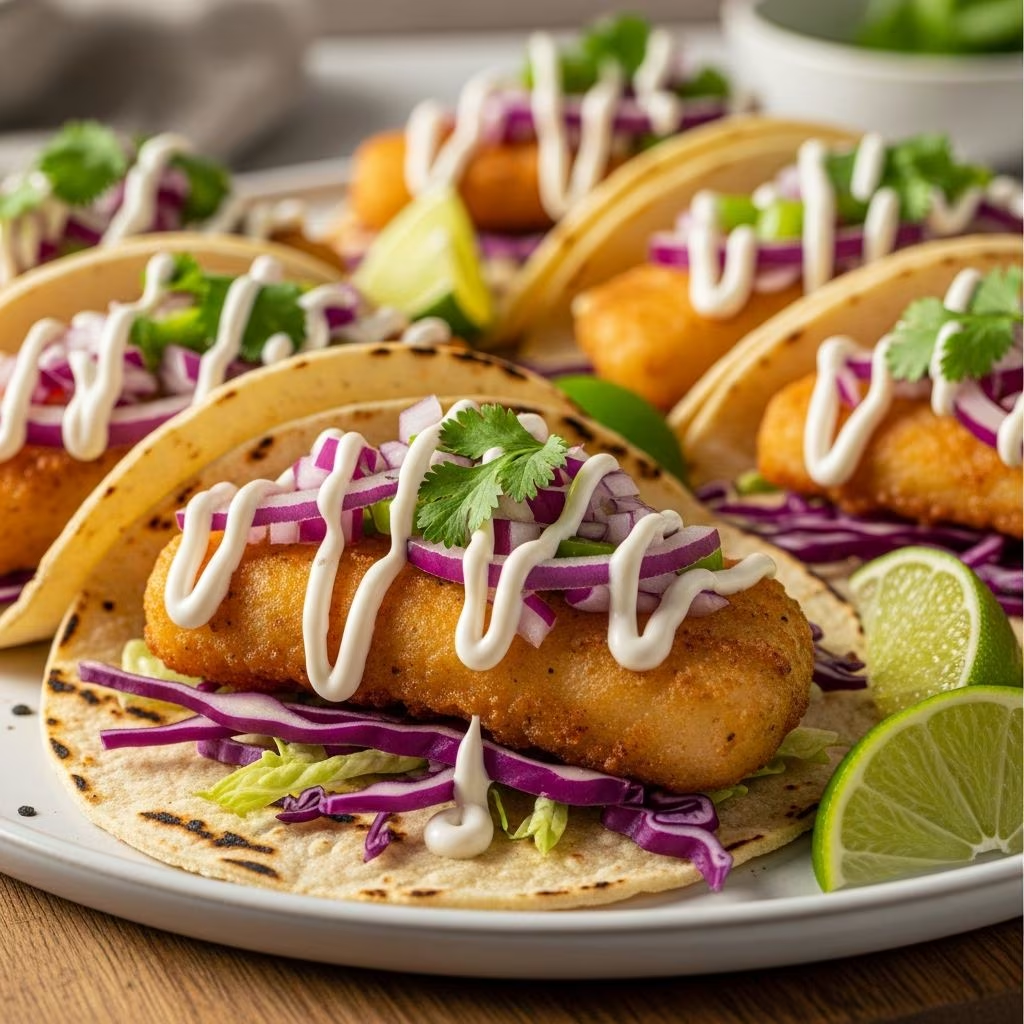
Fish tacos represent a delightful intersection of simplicity and flavor complexity. With their combination of tender seafood, crisp vegetables, and zesty accompaniments, these handheld meals have become increasingly popular among home cooks seeking restaurant-quality dining experiences. Whether you’re planning a casual weeknight dinner or impressing guests at a gathering, understanding the fundamentals of fish taco preparation empowers you to create memorable dishes that rival your favorite taco establishment.
Selecting the Right Fish for Your Tacos
The foundation of exceptional fish tacos begins with choosing the appropriate type of fish. Mild white fish varieties work best for this application, as they absorb flavors readily while maintaining a delicate texture when cooked. Common selections include cod, which offers a tender flake and subtle taste that pairs well with bold seasonings. Halibut provides a slightly firmer texture and can withstand more aggressive preparation methods. Tilapia delivers a buttery quality and cooks quickly, making it ideal for weeknight preparations. Mahi-mahi contributes a naturally sweet undertone and maintains structural integrity during cooking. Other suitable options include snapper or flounder, each bringing unique characteristics to your final dish.
When purchasing fish, prioritize freshness by selecting fillets that display firm texture and mild ocean aroma rather than strong fishy odors. The thickness of your fillets matters significantly—aim for pieces between one-quarter and three-eighths inch thick to ensure even cooking without drying out. Many home cooks find that purchasing one and one-half to two pounds provides adequate protein for four to six servings, allowing flexibility for generous portions or family-sized gatherings.
Marinade and Seasoning Approaches
Seasoning constitutes the critical element that transforms ordinary fish into memorable taco fillings. A foundational dry spice blend typically combines chili powder for gentle heat and depth, smoked or sweet paprika for color and subtle smokiness, ground cumin for earthiness, garlic powder for aromatic complexity, and salt for flavor enhancement. This combination creates a well-rounded profile that complements rather than overwhelms the delicate fish.
For liquid marinades, combining olive oil with fresh lime juice creates a bright base that tenderizes the fish while infusing citrus notes throughout. Adding honey provides subtle sweetness that balances acidic and spicy elements. Some preparations incorporate ancho chili powder dissolved in water to create a more complex heat profile. A typical marinating period ranges from fifteen to thirty minutes—sufficient time for flavors to penetrate without compromising the fish’s natural texture.
The marinating process itself requires minimal effort. Pat your fish dry with paper towels to remove excess moisture, which ensures better seasoning adhesion and browning during cooking. Combine all liquid and dry ingredients in a shallow dish, submerge the fish, and refrigerate for the appropriate duration. If using thicker pieces, flip halfway through the marinating period to ensure even flavor distribution.
Cooking Techniques and Temperature Management
Achieving perfectly cooked fish hinges on understanding proper temperature and timing. Pan-searing represents the most accessible method for home cooks, requiring only a nonstick skillet and basic technique. Heat olive oil or vegetable oil in a skillet over medium-high heat until shimmering but not smoking. This temperature range prevents oil from burning while creating the Maillard reaction—the chemical process that develops golden-brown crust and enhances flavor complexity.
Place fish pieces skin-side down in the hot skillet and resist the urge to move them immediately. Allow three to five minutes for the first side to develop color and cook through. Flip gently using a fish spatula, then cook the reverse side for approximately three to five minutes until the internal temperature reaches one hundred forty-five degrees Fahrenheit, the safe minimum for seafood according to food safety guidelines.
Visual and textural cues help assess doneness without specialized thermometers. Cooked fish flakes easily when pressed with a fork and transitions from translucent to opaque throughout. Overcooked fish becomes dry and loses its appealing tender quality, so err toward slightly underdone rather than pushing cooking beyond this point. Upon removing the fish from heat, allow a brief five-minute resting period that permits carryover cooking and allows juices to redistribute throughout the flesh.
Tortilla Selection and Preparation
The tortilla serves as both structural foundation and flavor component for your taco assembly. Corn tortillas provide authentic texture with subtle corn flavor and remarkable durability for holding substantial fillings. Their thinner construction compared to flour varieties creates less bulk while maintaining strength. Flour tortillas offer a softer, more pliable option with increased capacity for fillings, though some cooks view them as less traditional for Mexican-inspired preparations.
Warming techniques significantly impact the final eating experience. Place corn tortillas one at a time in a dry skillet over medium-high heat for approximately thirty seconds per side, just long enough to warm through and develop slight crisping. Alternatively, warm the entire stack simultaneously in a microwave wrapped in a damp cloth for approximately one minute. This moisture-trapping technique prevents tortillas from becoming brittle while ensuring even heat distribution. Some preparations involve brushing tortillas lightly with olive oil infused with cumin and sea salt before toasting, creating aromatic enhancement that contributes additional depth.
Essential Toppings and Their Contributions
Toppings transform plain cooked fish into complex, textured dishes that engage multiple sensory dimensions. Red cabbage provides structural crunch and visual appeal while contributing subtle sweetness. Shredding it thinly maximizes its capacity to absorb accompanying dressings while maintaining its characteristic snap. Avocado brings creamy richness and nutty undertones that balance acidic and spicy components. Slice avocados just before assembly to prevent browning, or store them in containers with lime juice to slow oxidation if preparing ahead.
Fresh cilantro adds herbaceous brightness that cuts through heavier flavors and provides aromatic complexity. Remove longer stems before chopping to ensure better distribution and texture. Roma tomatoes contribute acidic freshness and juicy bursts when diced into small pieces. Some preparations utilize diced red onion for sharp bite and textural contrast. Cotija or queso fresco cheese adds creamy, crumbly elements and subtle saltiness without overwhelming delicate fish flavors. Lime wedges serve dual purposes—providing final acidic brightness when squeezed over assembled tacos and offering visual appeal on the serving plate.
Sauce Creation and Flavor Balancing
Creamy sauces represent the finishing touch that elevates fish tacos from simple to memorable. A foundation sauce combines sour cream or Greek yogurt with mayonnaise in proportions varying based on desired tang and creaminess. Greek yogurt offers tangy intensity and protein content, while mayonnaise provides smooth richness and helps achieve desired consistency. Fresh lime juice brightens the sauce and ties flavor components together through citrus acidity.
Aromatic seasonings complement the creamy base through garlic powder, which distributes evenly throughout without creating harsh raw garlic notes. Sriracha or hot sauce introduces controlled heat while adding subtle complexity. Begin with modest quantities and adjust based on personal preferences, as heat perception varies significantly among individuals. A pinch of salt enhances all flavor components through salt’s flavor-amplifying properties. Thin the sauce with water as needed to achieve pourable consistency while maintaining flavor intensity.
Alternative sauce preparations incorporate cilantro-lime combinations that create brighter, fresher profiles. Whisk together mayonnaise, fresh cilantro, lime juice, and minimal garlic powder for lighter applications. Some recipes feature chipotle-based sauces that introduce smoky heat and complexity. Experimenting with these variations helps identify personal preferences and creates signature preparations that distinguish your tacos from standard recipes.
Assembly Strategy and Presentation Techniques
Proper assembly order maximizes flavor distribution and eating experience. Begin with a bed of shredded cabbage that creates structural support and provides crunch in every bite. Layer cooked fish atop the cabbage, breaking larger pieces into smaller, manageable segments. Arrange avocado slices next, allowing their creamy texture to interact with the fish’s flaky structure. Distribute cilantro across the top layer for distributed herb flavor. Finish with a generous dollop of creamy sauce that binds components together while adding moisture and richness.
This assembly sequence ensures that sauce contacts all ingredients while preventing the bottom components from becoming soggy before consumption. Serve lime wedges alongside finished tacos, allowing diners to adjust acidity and brightness according to personal preference. Present tacos on a clean platter or individual plates with accompanying napkins, as their handheld nature makes them slightly messy—an acceptable and expected characteristic of casual taco dining.
Frequently Asked Questions
What fish works best for beginners making tacos at home?
Cod and tilapia represent ideal choices for novice cooks because they cook quickly, forgive slight overcooking better than delicate species, and readily absorb marinades while maintaining appealing texture. Both varieties remain economical and widely available at most grocery stores.
Can I prepare fish tacos ahead for entertaining?
Prepare individual components separately in advance. Cook fish and store refrigerated up to one day ahead. Prepare sauces and slice vegetables several hours before serving. Assemble tacos just before presentation to prevent sogginess and ensure optimal texture contrast.
How do I prevent my fish from drying out during cooking?
Monitor internal temperature carefully and remove fish immediately upon reaching one hundred forty-five degrees Fahrenheit. Avoid excessive flipping and resist cooking beyond the point where fish flakes easily. Using thinner fillets that cook quickly reduces drying risk compared to thicker pieces.
Are there vegetarian alternatives to fish for taco fillings?
Crispy cauliflower, seasoned black beans, or marinated tofu provide hearty protein alternatives that accept similar seasonings and pair well with traditional toppings and sauces.
Customization Options for Dietary Preferences
The versatility of fish tacos accommodates diverse dietary approaches. For lighter preparations, substitute Greek yogurt entirely for sour cream and mayonnaise, reducing overall fat while increasing protein. Omit cheese components or replace with nutritional yeast for different flavor profiles. Incorporate additional vegetables such as shredded carrots or corn to increase fiber and nutrient density.
Those seeking heat escalation can add jalapeños to the cabbage mixture or incorporate additional hot sauce into the creamy sauce base. Conversely, individuals preferring milder profiles can reduce or eliminate spicy seasonings while maintaining overall flavor complexity through increased cumin, paprika, or cilantro. Gluten-free diners can request corn tortillas, which naturally contain no gluten, while flour tortilla users should specify gluten-free alternatives if necessary.
Conclusion
Creating exceptional fish tacos at home requires understanding fundamental cooking principles and flavor balance rather than complex techniques or specialized equipment. By selecting quality fish, developing flavorful marinades, mastering basic cooking methods, and thoughtfully combining fresh toppings and sauces, you develop the capacity to produce meals rivaling professional establishments. Each component—from the fish’s initial preparation through final sauce drizzle—contributes meaningfully to the overall experience. Regular practice refines your technique and builds confidence in improvising variations reflecting personal taste preferences and available ingredients. Whether preparing casual weeknight dinners or impressive entertaining menus, fish tacos represent an accessible yet impressive culinary achievement worth mastering.
References
- Seafood Safety Guidelines — U.S. Food and Drug Administration. 2024. https://www.fda.gov/food/foodborneillnesscontaminants/metals/ucm115644.htm
- Maillard Reaction in Cooking — Institute of Agricultural and Environmental Sciences, UC Davis. 2023. https://ucanr.edu/
- Protein Content and Nutritional Benefits of Fish — National Institutes of Health, National Library of Medicine. 2024. https://pubmed.ncbi.nlm.nih.gov/
- Best Practices for Food Storage and Preparation — U.S. Department of Agriculture Food Safety and Inspection Service. 2024. https://www.fsis.usda.gov/