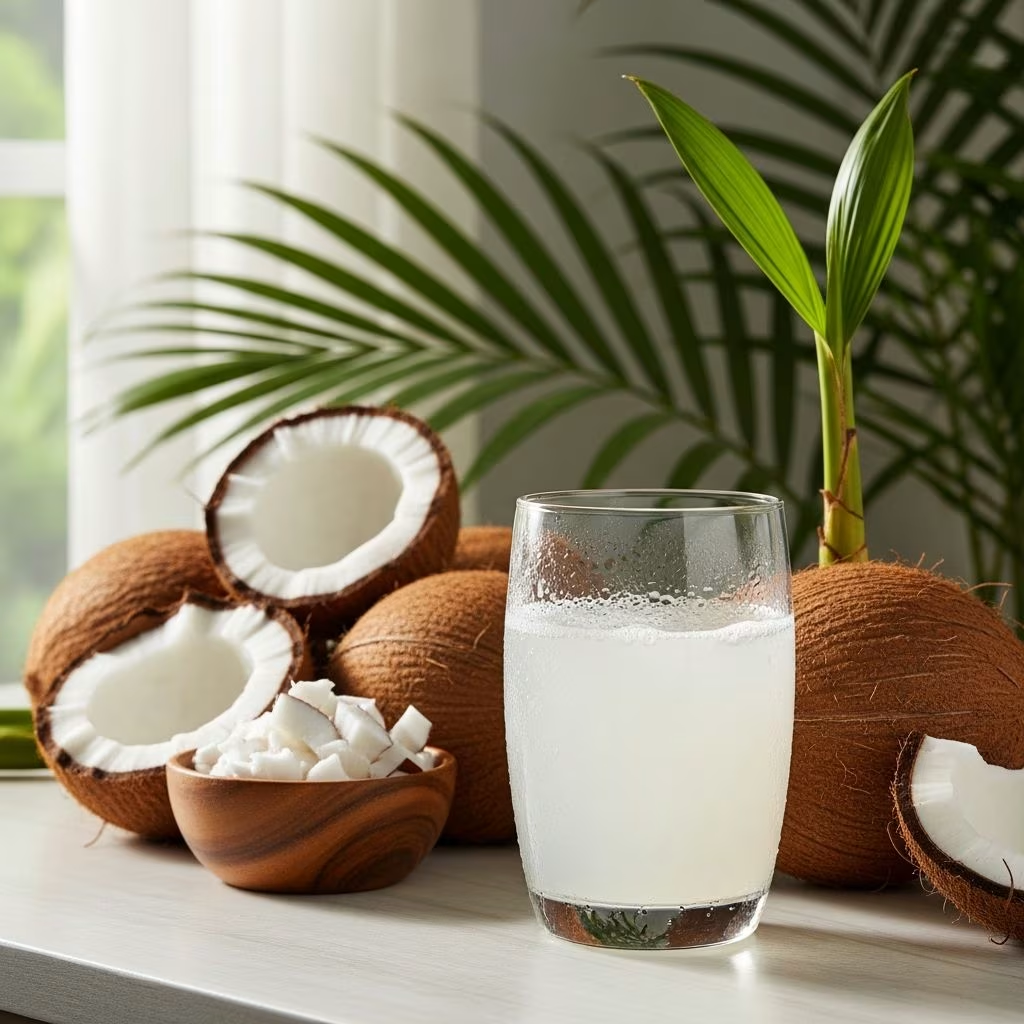
Transforming plain coconut water into a fermented powerhouse offers a refreshing way to boost gut health and hydration. This naturally bubbly drink harnesses beneficial bacteria to convert sugars into probiotics, creating a tangy elixir packed with electrolytes and nutrients.
Why Ferment Coconut Water?
Fermentation elevates coconut water from a simple hydrator to a functional beverage. Fresh coconut water from young green coconuts provides natural sugars, potassium, and minerals that serve as fuel for probiotic cultures. During fermentation, bacteria and yeasts consume these sugars, producing lactic acid, carbon dioxide for fizz, and a diverse microbiome that supports digestion.
Unlike sugary sports drinks, fermented versions retain electrolytes while slashing sweetness. The result is a lightly tart drink that aids electrolyte balance, especially after workouts or in hot climates. Studies on similar ferments like kefir highlight improved gut barrier function and reduced inflammation, benefits applicable here.
- Probiotic boost: Introduces live cultures for microbiome diversity.
- Enhanced digestibility: Breaks down sugars for those with sensitivities.
- Natural carbonation: Bubbles form without added sodas.
- Nutrient preservation: Retains vitamins like B-complex and magnesium.
Health Advantages of This Probiotic Drink
Regular consumption links to better hydration and immunity. The probiotics, such as lactobacillus strains from kefir grains, survive stomach acid better than many supplements, promoting beneficial gut flora. Athletes value its rapid electrolyte replenishment without crashes from added sugars.
Key benefits include:
- Supports intestinal health by crowding out pathogens.
- Improves nutrient absorption from electrolytes and trace minerals.
- May alleviate bloating and enhance regularity.
- Provides a low-calorie alternative to kombucha with tropical notes.
For optimal results, pair with a varied diet. Those new to ferments should start small to monitor tolerance.
Selecting the Best Coconut Water
Quality starts with the base. Opt for raw, unpasteurized coconut water from young green coconuts for live enzymes and sugars. Avoid brands with preservatives like sodium metabisulfite, which inhibit fermentation. Freshly harvested yields the best flavor and fizz.
| Type | Pros | Cons | Best For |
|---|---|---|---|
| Fresh Young Coconut | Optimal sugars, enzymes | Requires cracking | Premium batches |
| Canned Raw | Convenient, affordable | May vary in quality | Beginners |
| Pasteurized Boxed | Easy access | Weaker ferment | Quick tests |
Store unopened in a cool place; once opened, ferment within days to prevent spoilage.
Essential Tools and Ingredients
Gather these for success:
- Glass jars (quart-sized, wide-mouth).
- Non-metal utensils (wooden spoons, plastic lids).
- Starter culture: water kefir grains, milk kefir grains, yogurt whey, or probiotic powder.
- Coconut water (1 quart per batch).
- Cheesecloth or fine strainer.
- Optional: thermometer, fermentation weights.
Starters vary: Kefir grains multiply and reuse indefinitely; powders suit one-offs. Source grains from trusted suppliers to ensure vitality.
Step-by-Step Fermentation Recipes
Basic Kefir Grain Method
This reliable approach uses water kefir grains for consistent results.
- Pour 4 cups coconut water into a sterilized glass jar.
- Add 2-4 tablespoons hydrated water kefir grains.
- Cover with cloth or loose plastic lid to allow gas escape.
- Ferment at 70-78°F for 24-48 hours, tasting daily.
- Strain grains; refrigerate finished kefir.
Expect cloudiness, foam, and tangy taste when ready. Grains ready for reuse.
Probiotic Powder Starter
Ideal for beginners without grains.
- Warm coconut water to 85-100°F (avoid boiling).
- Stir in ¼ teaspoon probiotic powder per 12-16 oz.
- Pour into jars; seal loosely with parchment under lid.
- Ferment 24-72 hours in warm, dark spot.
- Chill once bubbly and vinegar-like.
Wooden stirring preserves cultures; metal can disrupt.
Advanced No-Grain Whey Version
Use yogurt whey for dairy-free adaptation.
- Fill jar with coconut water, leaving 2 inches headspace.
- Add ½ cup fresh whey from strained yogurt.
- Swirl gently; tight lid optional.
- Ferment 12-18 hours, burping daily.
- Strain if needed; store cold.
Shorter time yields milder flavor.
Mastering Fermentation Variables
Temperature drives speed: Warmer (75°F+) finishes in 24 hours; cooler takes 72. Headspace prevents overflow from CO2. Burp jars daily to release pressure safely.
Troubleshooting table:
| Issue | Cause | Solution |
|---|---|---|
| No fizz | Weak starter, cold temps | Warm up, boost grains |
| Too sweet | Short ferment | Extend time, taste test |
| Mold | Contamination | Discard, sterilize better |
| Over-fermented | Too long | Chill sooner next time |
Flavor Enhancements and Variations
Post-ferment, infuse for excitement:
- Ginger-Lime: Grate 1-inch ginger, juice 1 lime per quart; steep 12 hours.
- Tropical: Mango chunks or pineapple; 24 hours.
- Berry Blast: Muddled blueberries; shake daily.
- Spiced: Cinnamon stick, vanilla pod.
For extra fizz, second-ferment: Add fruit to strained kefir in swing-top bottles, burp daily, refrigerate after 2 days.
Storing and Shelf Life
Refrigerate at 35-40°F; lasts 2-4 weeks, continuing mild ferment. Freezing in portions preserves for months. Signs of spoilage: off odors, sliminess—discard immediately.
Consume 8-16 oz daily; shake before drinking for even probiotics.
Frequently Asked Questions
Can I use any coconut water?
Raw or fresh is best; pasteurized works but ferments slower.
Is it safe for daily drinking?
Yes, for most; consult doctor if immunocompromised.
How do I get kefir grains?
Buy online or from fermenters; they grow with use.
Why warm the water first?
Activates starters without killing enzymes (under 100°F).
Vegetarian/vegan friendly?
Yes with water kefir grains or vegan probiotics.
Scaling Up Production
Batch larger by maintaining ratios; use multiple jars. Reuse grains 5-7 times before resting in sugar water. Track batches in a journal for perfecting ratios.
Incorporate into routines: Morning hydration, post-gym recovery, or evening wind-down.
References
- Benefits Of Coconut Water + How To Ferment It — Traditional Cooking School. Accessed 2026. https://traditionalcookingschool.com/food-preparation/recipes/the-benefits-of-coconut-water-plus-how-to-ferment-it/
- How to Make Coconut Water Kefir without Sugar — Kombucha Kamp. Accessed 2026. https://www.kombuchakamp.com/coconut-water-kefir-recipe-flavoring-faq
- Fermented Coconut Water [The Complete Guide] — MakeSauerkraut. Accessed 2026. https://www.makesauerkraut.com/fermented-coconut-water/
- Make your own Coconut Water Kefir — My Tiny Laguna Kitchen. Accessed 2026. https://mytinylagunakitchen.com/recipe/make-your-own-coconut-water-kefir/
- Coconut Water Kefir Recipe — Wellness Mama. Accessed 2026. https://wellnessmama.com/health/coconut-water-kefir-recipe/