Understanding the Foundation of Excellent Lasagna
Lasagna represents one of the most beloved forms of Italian cuisine worldwide, celebrated for its harmonious combination of textures, flavors, and satisfying portions. What transforms a basic lasagna from ordinary to extraordinary lies not in complicated techniques, but in understanding how each component works together. The dish’s success depends on proper preparation of individual elements and the thoughtful construction of layers that ensure every forkful delivers balanced flavor and texture.
The beauty of this classic preparation method is its accessibility. Home cooks at any skill level can produce impressive results by following fundamental principles about ingredient quality, cooking times, and assembly methods. Whether preparing dinner for family or entertaining guests, mastering lasagna fundamentals ensures consistent, satisfying outcomes.
Selecting and Preparing Your Pasta Sheets
The pasta foundation determines your lasagna’s structural integrity and overall eating experience. Fresh pasta sheets offer superior texture compared to dried alternatives, though both can work when treated properly. The key consideration involves achieving the ideal pasta consistency—tender enough for easy eating, yet firm enough to support the weight of sauce and cheese layers.
When cooking dried lasagna noodles, bring a large pot of salted water to a rolling boil before adding pasta. The cooking duration requires careful attention; remove the pasta when it reaches al dente texture, approximately one minute shy of complete doneness indicated on package instructions. This deliberate undercooking proves essential because pasta continues cooking during the baking process, and over-softened sheets will result in a mushy final product lacking structural support.
After draining, spread the cooked noodles on clean kitchen towels to remove excess moisture. This step prevents the lasagna from becoming overly wet and soggy. Pat each sheet gently before use to ensure optimal moisture content for layering. Dry noodles adhere better to sauce and cheese, creating more cohesive layers that stay intact when portioning.
Building Your Sauce Foundation
The sauce layer provides moisture, flavor, and richness throughout the dish. You can choose between prepared sauces for convenience or develop homemade versions for greater control. Many successful preparations combine prepared tomato-based products with fresh ingredients and seasonings to achieve depth of flavor efficiently.
A foundational sauce approach begins with browning ground beef in a large pot, rendering out the fat while developing flavor through the Maillard reaction. Breaking the meat into fine pieces ensures even distribution throughout the finished dish. Once the beef achieves deep brown color, drain excess fat if desired, leaving some for flavor contribution.
Add tomato products such as canned sauce, tomato puree, or paste to create a flavorful base. Fresh components like diced tomatoes, sautéed garlic, and caramelized onions elevate the sauce significantly. Carrots added during the initial cooking phase break down gradually, adding natural sweetness and body to the sauce.
Seasoning requires balanced adjustment to create complexity. Essential Mediterranean herbs including basil, oregano, and bay leaves provide traditional flavor profiles. A small amount of sugar balances acidity from tomato products while enhancing savory notes. Additional elements such as garlic powder, chili powder, salt, and pepper contribute layers of flavor that reward careful tasting and adjustment.
Allow the sauce to simmer for at least 30 minutes, longer if possible. Extended cooking time allows flavors to meld and intensify while the mixture reduces slightly, concentrating the taste. This approach differs from rushed preparations and delivers noticeably superior results.
The Critical Role of Cheese Selection and Placement
Cheese transforms lasagna from a simply sauced pasta dish into something memorable and rich. Successful preparations employ multiple cheese types, each contributing distinct characteristics to the finished product.
Mozzarella cheese provides stretchy, melty texture and creates those appealing cheese pulls when serving. Freshly grated mozzarella performs better than pre-shredded varieties, which contain anti-caking agents that interfere with melting quality. Calculate approximately two to three cups of grated mozzarella for a standard nine-by-thirteen-inch baking dish, adjusting based on personal preference for cheese prominence.
Parmesan cheese, often overlooked in home preparations, delivers concentrated umami flavor that elevates the entire dish. Unlike mozzarella’s mild flavor profile, Parmesan adds sharp, slightly salty notes that complement tomato sauce and ground beef beautifully. Freshly grated Parmesan performs better than pre-grated versions, which deteriorate more quickly and contain unnecessary additives.
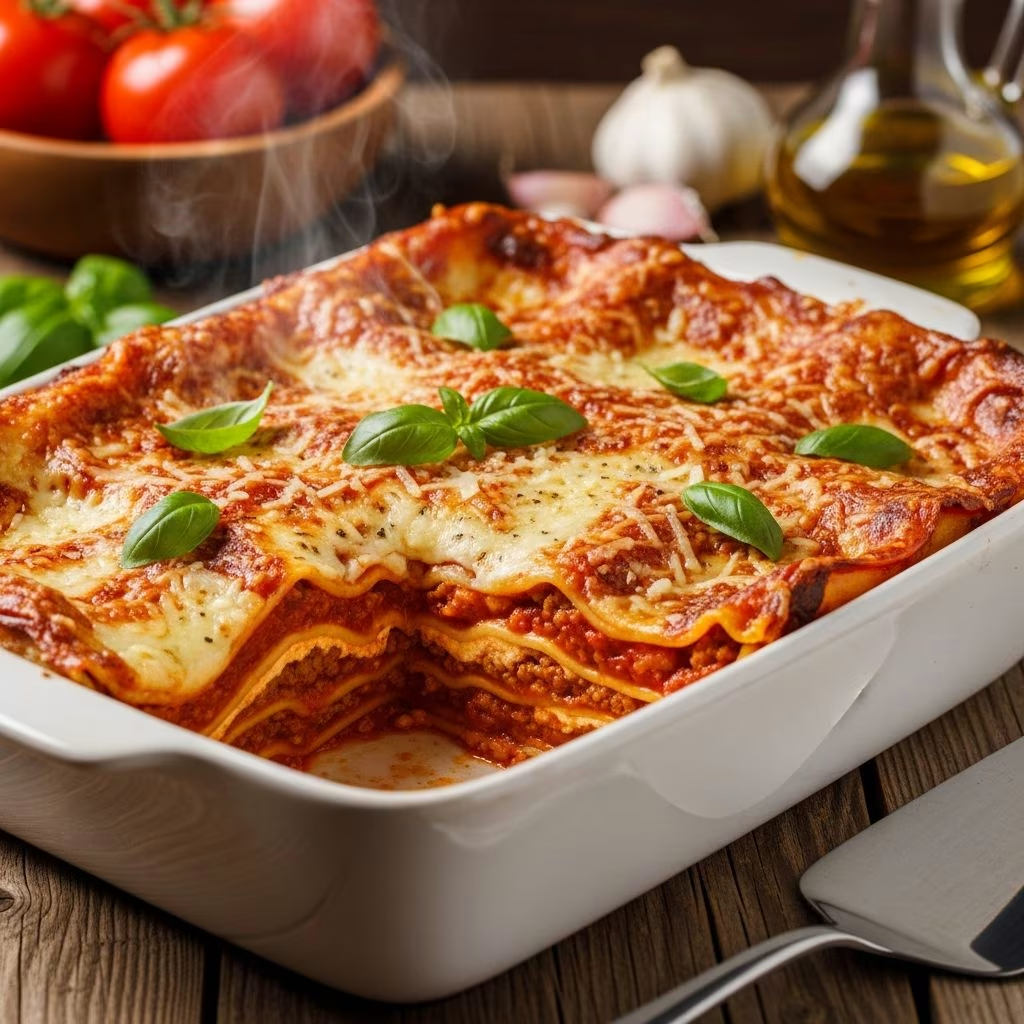
Strategic cheese placement dramatically impacts flavor distribution. Incorporating cheese directly onto pasta sheets before adding sauce creates pockets of richness throughout the dish. Layering cheese between sauce applications ensures every component gets seasoned effectively. The final cheese layer baked directly under dry heat develops golden-brown spots that add textural contrast and appealing presentation.
Mastering the Layering Technique
Proper layering ensures structural stability while distributing flavors evenly. Begin your assembly process only after all components reach room temperature to avoid food safety concerns. Organize your workspace with cooked noodles, sauce, and cheeses within easy reach.
Start by spreading a thin sauce layer directly on the bottom of your prepared baking dish. This initial layer prevents sticking and creates a foundation. Arrange pasta sheets to cover the bottom completely, overlapping slightly to ensure full coverage. Pasta sheets placed directly on bare dish sometimes stick or cook unevenly.
Top the pasta with approximately one-third of remaining sauce, spreading evenly. Scatter mozzarella cheese directly onto the sauce layer, reserving some for the final topping. Add a generous sprinkling of Parmesan over the mozzarella, allowing its concentrated flavor to distribute throughout.
Repeat this sequence—pasta, sauce, mozzarella, Parmesan—until ingredients are used, planning so the final layer consists of cheese. This ensures an attractive presentation and allows cheese to brown under the oven’s heat.
Baking Considerations and Timing
Oven temperature significantly impacts cooking results. A preheated 350-degree Fahrenheit oven provides gentle, even heat that cooks the dish through without burning cheese or edges. Allow approximately 20 to 25 minutes for a standard lasagna, though exact timing depends on depth, refrigeration status, and your specific oven’s characteristics.
The dish achieves proper doneness when cheese melts completely, browns slightly at the edges, and sauce bubbles around the perimeter. Inserting a knife or thermometer into the center helps verify that heat has penetrated throughout. The internal temperature should reach 160 degrees Fahrenheit for food safety.
Allow the finished lasagna to rest for 5 to 10 minutes after removing from the oven. This resting period allows the structure to set, making portioning cleaner and preventing molten cheese from immediately sliding off individual servings.
Ingredient Quality Matters
| Component | Recommended Approach | Impact on Results |
|---|---|---|
| Pasta Noodles | Dried, cooked to al dente | Fresh texture, structural integrity |
| Ground Beef | Higher fat content (80/20) | Enhanced flavor, juiciness |
| Tomato Sauce | Quality brands or homemade | Rich flavor foundation |
| Mozzarella | Freshly grated, not pre-shredded | Superior melting, texture |
| Parmesan | Freshly grated, aged 24+ months | Intense flavor, umami depth |
Frequently Asked Questions About Lasagna Preparation
Can I prepare lasagna the day before baking?
Absolutely. Assemble your lasagna completely, cover with plastic wrap, and refrigerate overnight. The extended cold allows flavors to meld and sauce to penetrate pasta. Add 10 to 15 minutes to your baking time when cooking from a cold state, and ensure the thermometer reads 160 degrees Fahrenheit throughout.
What’s the difference between lasagna and baked ziti?
Lasagna employs flat sheets arranged in distinct layers, while baked ziti combines shorter, tube-shaped pasta throughout. Lasagna’s layering technique creates defined strata, while baked ziti distributes ingredients more uniformly throughout.
Should I cover lasagna while baking?
Covering with foil prevents the top cheese from browning excessively while the interior cooks through. Remove foil during the final 5 minutes if you desire additional cheese browning. Monitor for burning, as oven temperatures vary.
How do I prevent a watery lasagna?
Cook pasta to proper al dente texture and allow to drain thoroughly. Pat noodles dry before layering. Use pasta cooked pasta sheets rather than no-boil varieties unless specifically designed for optimal moisture absorption. Simmer sauce until slightly thickened rather than soupy.
Can I freeze assembled lasagna before baking?
Yes. Wrap thoroughly in plastic wrap and foil to prevent freezer burn. Freeze for up to three months. Thaw overnight in the refrigerator before baking, adding 15 minutes to cooking time. Alternatively, bake from frozen, adding 30 to 40 minutes to cooking time.
Advanced Flavor Enhancement Techniques
Transform basic lasagna into something extraordinary by incorporating additional elements. Sautéed mushrooms added to the sauce contribute earthy umami notes that complement beef beautifully. Fresh spinach layered between cheese adds nutrition and subtle vegetation notes. A small pinch of nutmeg in the sauce provides warming spice notes that enhance without becoming obvious.
Some preparations benefit from a béchamel layer, a creamy milk-based sauce traditionally employed in authentic Italian lasagna bolognese. Creating this requires equal parts butter and flour combined into a paste, gradually whisked into warm milk with salt, pepper, and nutmeg. This rich layer provides textural contrast and luxurious mouthfeel that elevates the dish significantly.
Serving and Storage Guidance
Proper portioning ensures your lasagna maintains its attractive presentation. A sharp knife dipped in hot water between cuts prevents cheese from dragging. Allow each portion to rest briefly on the serving utensil so cheese sets slightly, preventing the piece from collapsing.
Leftovers maintain quality refrigerated in covered containers for three to four days. Reheat gently in a 350-degree oven covered with foil to prevent drying. Microwave reheating works for individual portions but may result in uneven heating.
Properly prepared lasagna delivers satisfying comfort and impressive presentation with relatively straightforward techniques. By respecting ingredient quality, mastering basic layering principles, and understanding baking fundamentals, home cooks create memorable dishes that satisfy every palate at the table.
References
- Pasta Cooking Guidelines and Optimal Doneness — University of California Cooperative Extension. 2024. https://cecentralcoast.ucanr.edu/
- Food Safety in Home Cooking: Temperature Guidelines — United States Department of Agriculture Food Safety and Inspection Service. 2024. https://www.fsis.usda.gov/
- Cheese Selection and Melting Properties in Baked Dishes — Institute of Food Technologists. 2023. https://www.ift.org/
- Umami Flavor and Parmesan Cheese Chemistry — Journal of Food Science, American Chemical Society. 2023. https://www.acs.org/
- Maillard Reaction in Meat Browning: Flavor Development — McGill University Department of Nutrition. 2024. https://mcgill.ca/