Elderberry syrup stands out as a cherished natural remedy, prized for its potential to bolster the body’s defenses against seasonal ailments. Crafted from the dark, nutrient-packed berries of the elder tree, this versatile concoction blends tradition with modern wellness practices. Home preparation allows full control over ingredients, ensuring a pure, potent product free from preservatives found in commercial versions.
Why Elderberries Power Your Wellness Routine
Elderberries, derived from the Sambucus nigra plant, have been utilized in folk medicine for centuries across Europe and North America. These berries are rich in antioxidants, particularly flavonoids like quercetin and anthocyanins, which contribute to their deep purple hue and health-promoting properties. Studies suggest elderberries may help reduce the duration and severity of cold and flu symptoms by supporting immune cell activity.
Beyond immunity, elderberries offer vitamin C, dietary fiber, and phenolic compounds that combat oxidative stress. Their tart flavor pairs well with sweeteners, making the syrup not just medicinal but also a delightful addition to daily routines. Regular use during winter months or high-stress periods can provide proactive support.
- Antioxidant boost: High levels protect cells from free radical damage.
- Vitamin-rich: Provides essential nutrients for overall vitality.
- Versatile use: Enjoy straight, in teas, or over desserts.
Essential Ingredients for Authentic Flavor and Efficacy
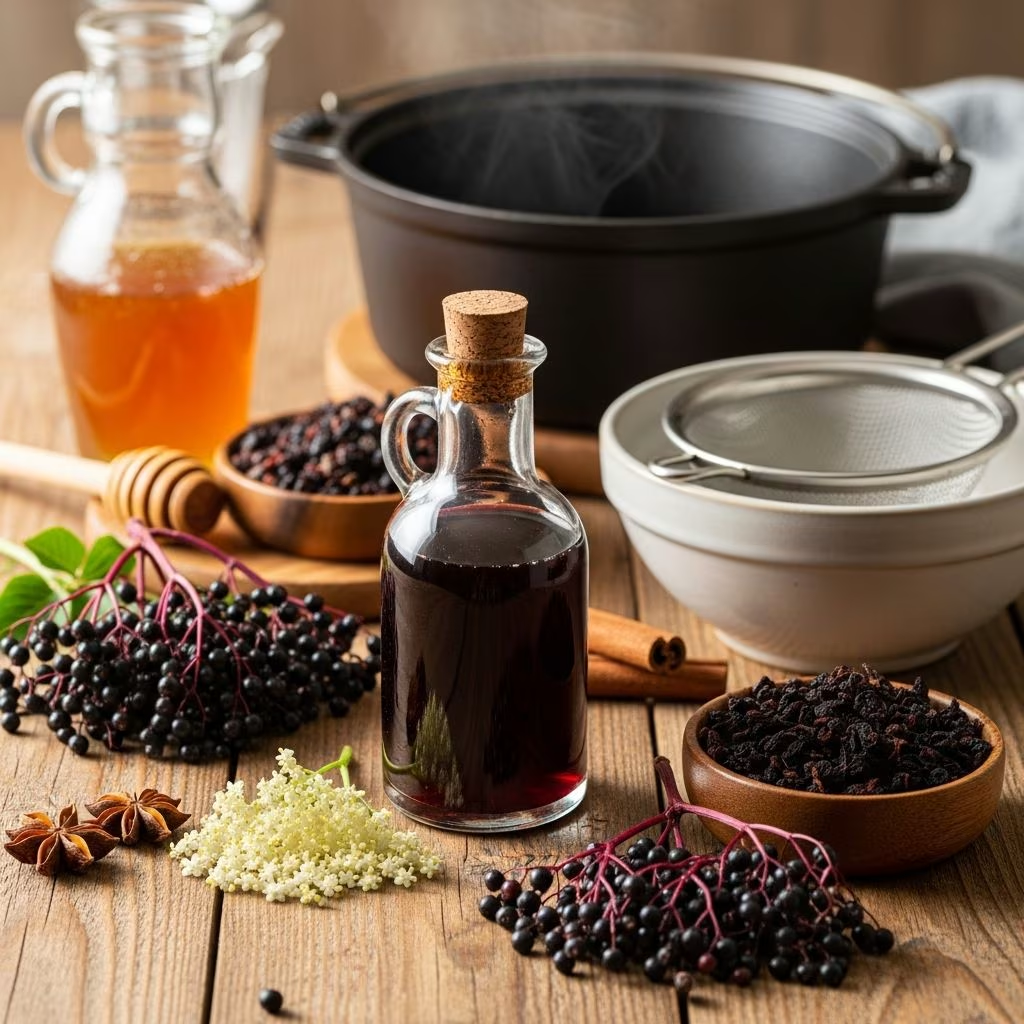
Building a superior elderberry syrup starts with quality components. Dried elderberries form the base, offering concentrated benefits without the need for fresh foraging. Spices like ginger, cinnamon, and cloves enhance both taste and therapeutic value, while a natural sweetener preserves the mixture and improves palatability.
| Ingredient | Quantity (for 2-3 cups syrup) | Role |
|---|---|---|
| Dried elderberries | ⅔ – 1 cup | Core immune-supporting base |
| Water | 3-4 cups | Extraction medium |
| Fresh ginger (grated) | 1-2 tbsp | Anti-inflammatory and digestive aid |
| Cinnamon (stick or ground) | 1 tsp or 1 stick | Warming spice with blood sugar benefits |
| Cloves (ground or whole) | ½ – 1 tsp | Antimicrobial properties |
| Raw honey | 1 cup (added after cooling) | Natural preservative and sweetener |
Opt for organic dried elderberries to avoid pesticides. Raw, local honey is ideal for its enzyme content and allergy-fighting potential, but use maple syrup for vegan options. Fresh ginger delivers superior zing compared to powdered forms.
Step-by-Step Creation Process
Preparing elderberry syrup is straightforward, requiring about an hour of active time. This method yields a concentrated elixir ready for immediate use or storage.
- Combine base elements: In a medium saucepan, mix dried elderberries, water, grated ginger, cinnamon, and cloves.
- Heat to extract: Bring to a boil over medium-high heat, then reduce to a simmer. Cover partially and cook for 30-45 minutes, until liquid halves in volume. Stir occasionally.
- Cool and mash: Remove from heat; let cool to lukewarm. Gently mash berries with a spoon to release juices.
- Strain thoroughly: Pour through cheesecloth or fine mesh sieve into a bowl, pressing solids to extract every drop. Discard pulp.
- Sweeten wisely: Stir in honey once below 110°F to preserve enzymes. Mix until fully dissolved.
- Bottle and store: Transfer to glass jars; refrigerate for up to 2-3 months.
Yield: Approximately 2 cups. Prep time: 10 minutes. Cook time: 45 minutes. This process maximizes nutrient extraction while minimizing effort.
Customizing Your Syrup for Specific Needs
Adapt the recipe to suit preferences or health goals. For a spicier kick, increase ginger or add black pepper. Vegan versions swap honey for agave or coconut sugar, adjusting for preservation—thicker sweeteners extend shelf life.
- Kids’ version: Reduce spices; use milder sweeteners like maple.
- Extra immune punch: Incorporate echinacea or astragalus root during simmering.
- Low-sugar option: Use stevia extract post-straining, but consume within weeks.
- Alcohol-preserved: Add vodka (1:4 ratio with syrup) for 6-12 month pantry storage.
Experiment with fresh or frozen berries in summer—double the quantity as they contain more water. Always taste-test before finalizing.
Safe Storage and Usage Guidelines
Proper handling ensures safety and potency. Refrigerate finished syrup; it lasts 2-3 months. Signs of spoilage include mold, off odors, or fizzing—discard immediately. For longer storage, freeze in ice cube trays for portioned doses.
Dosing recommendations:
- Adults: 1 tbsp daily for maintenance; 1 tbsp every 2-3 hours during illness.
- Children (over 1 year): ½ – 1 tsp daily; consult pediatrician.
- Never give honey to infants under 1 due to botulism risk.
From University of Maine Extension, safe ratios emphasize simmering to reduce water content and using sufficient sweetener (at least 50% of final volume) as a natural preservative. Always use sterilized jars to prevent contamination.
Health Benefits Backed by Tradition and Research
Elderberry syrup’s popularity stems from its multifaceted support. Ginger aids nausea relief, cinnamon stabilizes blood sugar, and cloves fight bacteria. Combined, they create a synergistic blend.
Traditionally, elderberries treated fevers and respiratory issues. Modern interest surged with studies on flu reduction. While not a cure, consistent use may shorten symptom duration. Consult healthcare providers for chronic conditions or medications.
Creative Ways to Enjoy Beyond Straight Dosing
Elevate syrup from medicine to culinary delight. Drizzle over pancakes, mix into smoothies, or stir into herbal teas. It enhances yogurt, cocktails, or salad dressings, adding fruity depth with wellness perks.
- Tea infusion: 1 tsp in hot water with lemon.
- Dessert topper: Over ice cream or waffles.
- Smoothie booster: Blend with banana and almond milk.
Frequently Asked Questions
Can I use fresh elderberries?
Yes, use twice the amount (1⅓ cups) as they are less concentrated. Ensure fully ripe and cooked—raw berries are toxic.
How do I source quality elderberries?
Purchase organic dried berries from reputable herbal suppliers. Avoid wild foraging unless expert-identified.
Is elderberry syrup safe during pregnancy?
Limited data exists; consult a doctor. Generally, culinary amounts are fine, but therapeutic doses warrant caution.
What if my syrup ferments?
Bubbles indicate yeast activity—increase honey next batch or add alcohol preservative.
Does it help with allergies?
Local honey may reduce symptoms; elderberries provide general immune modulation.
Mastering Variations for All Seasons
Seasonal tweaks keep syrup exciting. Winter: Amp up cloves for warmth. Summer: Add orange zest for brightness. For allergies, include nettle leaf. Track batches in a journal to refine your signature blend.
Troubleshooting common issues:
- Too thin? Simmer longer or add pectin.
- Too bitter? Balance with more honey.
- Cloudy? Double-strain with muslin.
Scaling up for gifts: Double ingredients for 4 cups; sterilize bottles via boiling.
References
- How to Make and Preserve Elderberry Syrup Safely — University of Maine Cooperative Extension. 2025-02-20. https://extension.umaine.edu/food-health/2025/02/20/how-to-make-and-preserve-elderberry-syrup-safely/
- How to Make Elderberry Syrup For Immune Support — Wellness Mama. N/A. https://wellnessmama.com/remedies/elderberry-syrup/
- Homemade Elderberry Syrup Recipe — Happy Healthy Mama. N/A. https://happyhealthymama.com/homemade-elderberry-syrup-recipe.html
- How to Make Elderberry Syrup for Immune System Support — Mountain Rose Herbs Blog. N/A. https://blog.mountainroseherbs.com/elderberry-syrup-recipe
- Elderberry Syrup Recipe — BBC Good Food. N/A. https://www.bbcgoodfood.com/recipes/elderberry-syrup