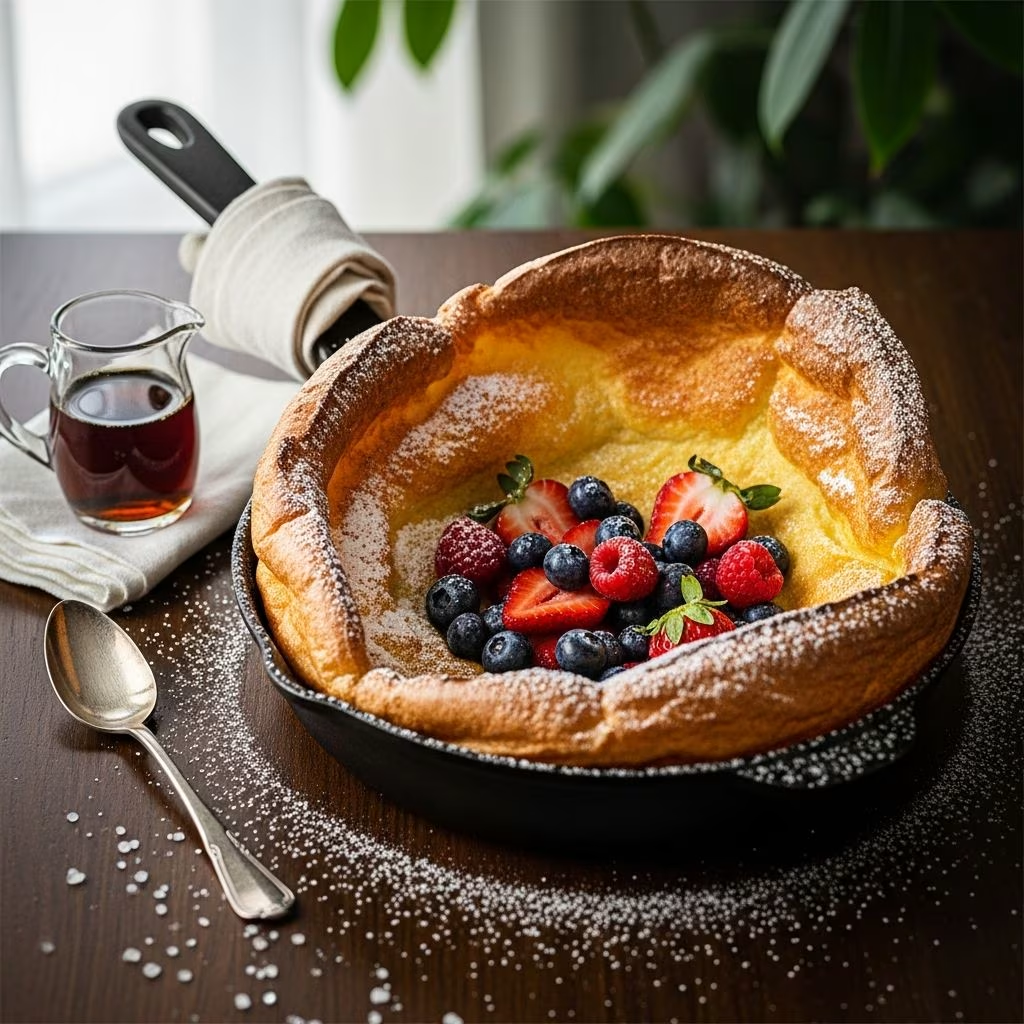
Dutch baby pancakes represent one of the most impressive yet surprisingly simple breakfast dishes you can prepare in your own kitchen. Unlike their stovetop counterparts, these dramatic creations bake in the oven, transforming a basic batter into a puffy, golden-brown delicacy that rises majestically and captivates anyone fortunate enough to witness the process. What makes this dish particularly special is the contrast between its elegant presentation and the minimal effort required to create it. Whether you’re hosting brunch guests or treating yourself to something extraordinary on an ordinary morning, understanding the fundamentals of Dutch baby pancake preparation will elevate your breakfast game significantly.
Understanding the Foundation: Essential Ingredients
The beauty of Dutch baby pancakes lies in their ingredient simplicity. At their core, these pancakes require only five fundamental components: eggs, flour, milk, sugar, and butter. The elegance of this recipe emerges from how these basic pantry staples interact during the baking process, creating something far more sophisticated than the sum of their parts.
The Role of Each Component
- Eggs: Serve as the primary leavening agent. As they heat in the oven, the proteins expand and the moisture transforms into steam, creating the characteristic puffiness that defines a successful Dutch baby. Using room-temperature eggs enhances their ability to incorporate air and rise more dramatically.
- Flour: Provides structure to contain the rising eggs and milk mixture. All-purpose flour works perfectly, delivering the right balance between tenderness and structural integrity.
- Milk: Creates a custard-like consistency in the center while contributing to the overall texture. Whole milk produces the most luxurious results, though lower-fat varieties work acceptably.
- Butter: Adds richness and facilitates browning. Some recipes call for browning the butter beforehand to deepen flavor complexity.
- Sugar: Enhances browning and adds subtle sweetness. The amount can be adjusted based on personal preference and topping selections.
Mastering Preparation Techniques
The preparation method significantly influences the final outcome of your Dutch baby pancake. While hand-whisking is certainly possible, many bakers find that using a blender streamlines the process and produces superior results.
The Blender Method
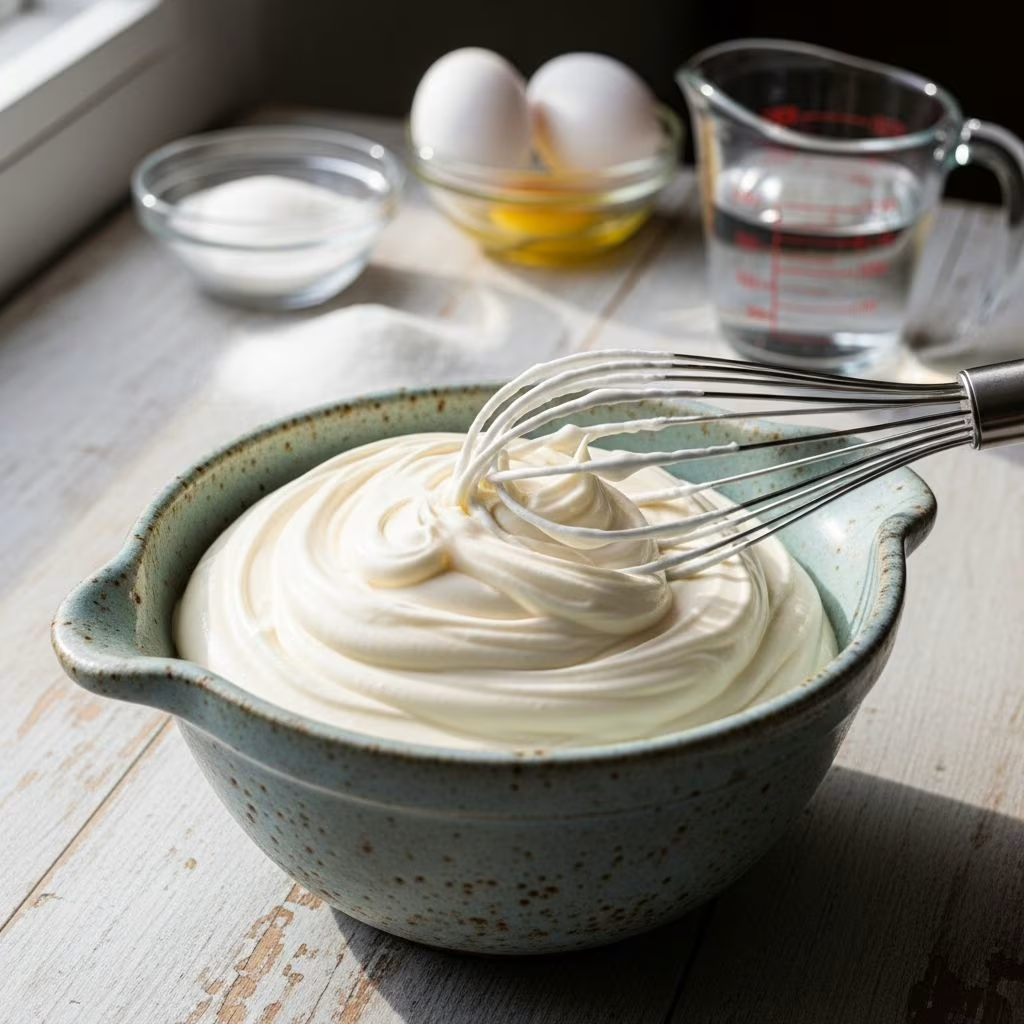
Simply combine your eggs, flour, milk, sugar, salt, and any desired flavorings directly into a blender. Blend the mixture until achieving a completely smooth consistency, typically requiring about 50 seconds. This duration is important—over-blending introduces excess air into the batter, which can sometimes cause deflation during baking. The convenience of this method extends beyond mere mixing; pouring directly from the blender spout into your preheated skillet minimizes disruption to the baking environment.
Resting Period Considerations
Many experienced bakers recommend allowing the batter to rest for 10-15 minutes after blending, or even overnight in the refrigerator. This resting period allows the flour to fully hydrate and permits air bubbles to settle, often resulting in improved texture and more developed flavor. However, if time constraints exist, skipping this step won’t compromise your results—it simply represents an optional enhancement.
The Critical Role of Temperature and Pan Preparation
Temperature management represents perhaps the most crucial factor in Dutch baby pancake success. The dramatic rise and golden-brown exterior that characterize these pancakes depend almost entirely on achieving proper heat levels at the precise moment the batter makes contact with the cooking vessel.
Oven Preheating Strategy
Preheat your oven to between 400°F and 475°F, with most recipes recommending temperatures toward the higher end of this range. The exact temperature should remain consistent throughout baking. Rather than merely preheating the empty oven, place your cast-iron skillet inside to preheat simultaneously. This dual-preheating approach ensures maximum temperature differential between batter and pan, creating steam that propels the pancake upward almost immediately upon contact.
Butter Application and Pan Selection
A 10-inch cast-iron skillet represents the ideal vessel for Dutch baby pancakes. Add 2-3 tablespoons of butter to the skillet and allow it to melt and coat the entire surface during preheating. Some recipes call for browning the butter, which develops additional nutty flavor notes. The hot, butter-coated pan is essential—when cold batter meets this intensely hot surface, the butter sizzles and begins cooking the exterior while steam begins building the interior structure.
Execution and Baking Process
Once your batter and pan are ready, timing becomes essential. Remove the preheated skillet from the oven, immediately pour the batter into the center, and quickly return the pan to the oven. The entire process should take no more than 30 seconds from pan removal to oven return. Bake for approximately 20 minutes, until the pancake rises significantly and turns deep golden brown.
A critical instruction during baking deserves emphasis: do not open the oven door during cooking. The sudden temperature fluctuation and loss of steam can cause premature deflation, preventing the pancake from achieving its full dramatic height. Only open the oven once the cooking time has elapsed and the pancake appears set and deeply browned.
Flavor Variations and Customization Options
While the classic Dutch baby pancake represents perfection in its basic form, numerous variations allow creative expression and flavor customization.
Sweet Enhancement Approaches
Beyond basic sugar, consider incorporating vanilla extract or a pinch of nutmeg into your batter for added depth. These aromatics create subtle complexity without overwhelming the delicate custard-like interior. Cinnamon sugar sprinkled over the finished pancake adds warmth and spice that pairs beautifully with fruit toppings.
Transitioning to Savory Territory
Dutch baby pancakes successfully transition to savory applications by omitting sugar and adjusting seasonings. Add grated Parmesan cheese, finely chopped fresh herbs such as chives or thyme, and minced garlic to your batter. This versatility makes Dutch babies suitable for lunch or dinner, expanding their utility beyond breakfast contexts. The same puffing and browning principles apply, creating an impressive presentation regardless of flavor profile.
Topping Strategies for Optimal Enjoyment
The finished Dutch baby pancake serves as a blank canvas for endless topping combinations. The custardy interior and crispy edges accommodate both complementary and contrasting flavors and textures.
Traditional Sweet Toppings
- Fresh berries with a dusting of powdered sugar and a drizzle of syrup
- Sliced fruit sautéed in butter with cinnamon, such as apples or pears
- Whipped cream paired with fresh berries
- Caramel sauce with sliced bananas
- Nutella or chocolate spread with hazelnuts
- Dulce de leche with shredded coconut
Creative Savory Options
- Caramelized onions with fresh burrata cheese
- Crispy bacon or diced ham with sautéed mushrooms
- Roasted vegetables with herb-infused cream sauce
- Smoked salmon with crème fraîche and fresh dill
- Furikake seasoning over a savory base
Common Challenges and Troubleshooting Solutions
| Challenge | Likely Cause | Solution |
|---|---|---|
| Pancake doesn’t rise sufficiently | Oven temperature too low; pan not adequately preheated | Increase oven temperature to 450-475°F; ensure cast-iron skillet reaches full temperature |
| Pancake deflates immediately after removal | Normal occurrence; steam escapes upon cooling | Serve immediately while still warm; deflation doesn’t affect taste or texture |
| Uneven browning or burning on edges | Temperature hot spots in oven; batter poured unevenly | Pour batter slowly to distribute evenly; consider using oven thermometer for accuracy |
| Custard center remains undercooked | Insufficient baking time; oven temperature too low | Bake additional 2-3 minutes; increase temperature slightly next attempt |
| Dense, heavy texture throughout | Over-blending batter; ingredients not at room temperature | Blend only 40-50 seconds; allow eggs and milk to reach room temperature before blending |
Frequently Asked Questions About Dutch Baby Pancakes
Can Dutch baby pancakes be made ahead of time?
While Dutch babies are best enjoyed immediately after emerging from the oven, you can prepare the batter several hours or even a full day in advance. Refrigerate the blended batter in an airtight container, then bring it to room temperature before pouring into your preheated skillet. The batter quality remains intact during refrigeration.
How many servings does a single Dutch baby yield?
A standard 10-inch Dutch baby typically serves 2-4 people, depending on portion size and accompanying dishes. For larger gatherings, prepare multiple pancakes sequentially, though timing becomes important to ensure guests enjoy all pancakes while warm.
What pan sizes can substitute for a cast-iron skillet?
While cast iron is ideal due to superior heat retention, 9-10 inch oven-safe skillets or baking dishes work acceptably. Avoid nonstick pans, which may not achieve adequate browning. Glass or ceramic dishes conduct heat less efficiently, potentially resulting in less dramatic puffing.
Is it necessary to use whole milk?
Whole milk produces the richest, most luxurious results, but lower-fat varieties (1% or 2%) work perfectly well. Higher-fat milk simply contributes slightly more richness to the custardy center. The difference remains subtle and shouldn’t deter use of milk you have available.
Can eggs be substituted for dietary restrictions?
Eggs provide essential structure and leavening in Dutch baby pancakes. Substitutes rarely produce comparable results. However, some experimentation with egg-replacement products designed for baking may yield acceptable outcomes, though texture and rise will likely be compromised.
Serving and Enjoyment Guidelines
The magical moment of Dutch baby pancake enjoyment arrives seconds after removal from the oven. Serve your creation immediately at the table while it maintains maximum height and warmth. The pancake will inevitably deflate somewhat as it cools—this is entirely normal and expected. The deflation doesn’t indicate failure; rather, it simply represents steam escaping from the structure. The interior remains tender and custard-like even after deflation, and diners can still experience the contrast between crispy edges and soft center.
Portion the Dutch baby directly from the skillet, using a spatula to transfer wedges to individual plates. Each person should receive a piece that includes both the puffed edges and the custardy center for optimal textural contrast.
Conclusion
Dutch baby pancakes exemplify the principle that impressive culinary results need not require extensive technique or exotic ingredients. With basic pantry items, a preheated cast-iron skillet, and understanding of fundamental baking principles, anyone can create restaurant-quality breakfast pancakes that astonish and delight. Whether preparing a simple weekday breakfast or impressing brunch guests, mastering this technique adds valuable skills to your cooking repertoire. The simplicity of preparation combined with the drama of presentation and the sophisticated flavors of the finished product make Dutch baby pancakes an enduringly worthy addition to any breakfast rotation.
References
- Dutch Baby Recipe — Love and Lemons. Accessed April 2026. https://www.loveandlemons.com/dutch-baby/
- Savory Dutch Baby Pancake — Del’s Cooking Twist. Accessed April 2026. https://www.delscookingtwist.com/savory-dutch-baby-pancake/
- Dutch Baby Pancake — The Modern Proper. Accessed April 2026. https://themodernproper.com/dutch-baby-pancake
- Dutch Baby Recipe (German Pancakes) — Chelsea’s Messy Apron. Accessed April 2026. https://www.chelseasmessyapron.com/dutch-baby/
- Fluffy Dutch Baby Pancake Recipe — Budget Bytes. Accessed April 2026. https://www.budgetbytes.com/dutch-baby/
- Dutch Baby Pancake — 101 Cookbooks. Accessed April 2026. https://www.101cookbooks.com/dutch-baby-pancake/