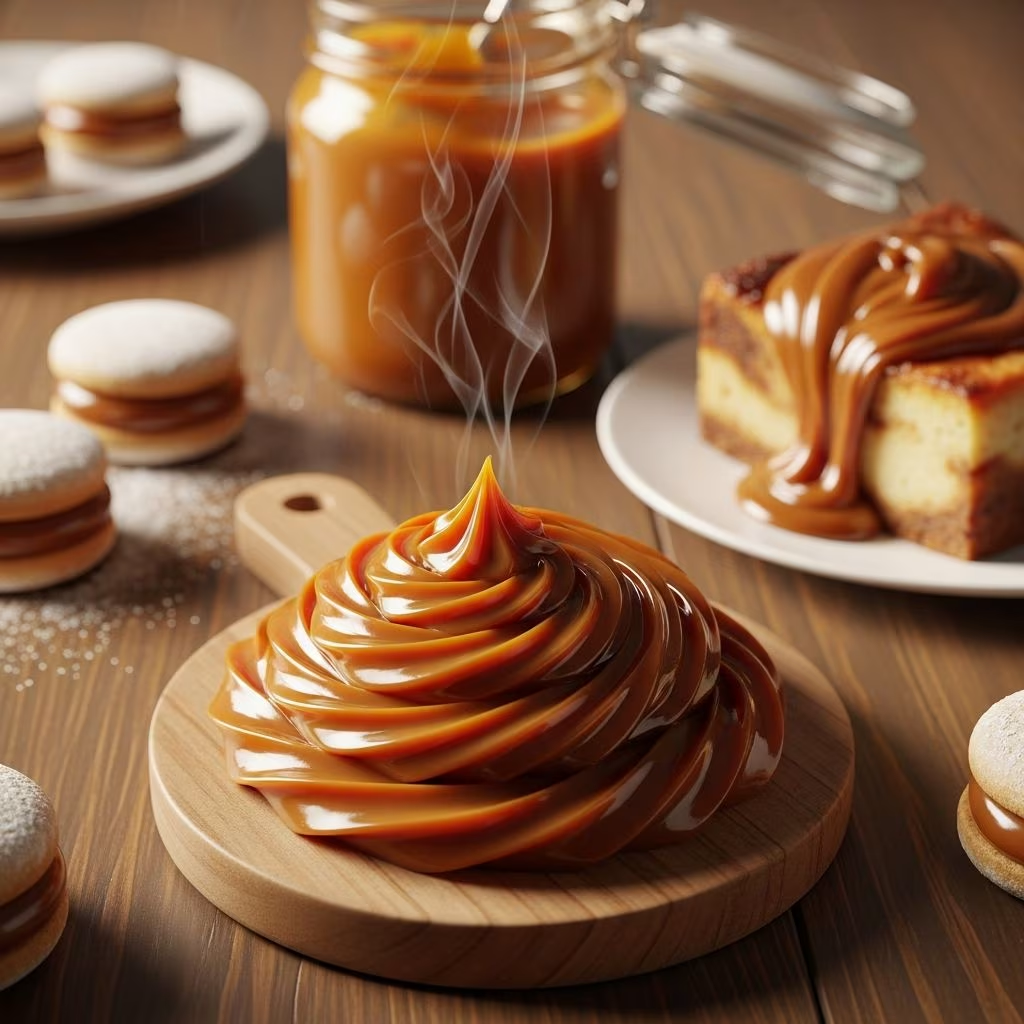
Transform a simple can of sweetened condensed milk into a velvety, golden treasure known as dulce de leche. This Latin American delicacy boasts a deep caramel flavor and spreadable consistency ideal for drizzling, filling, or savoring straight from the jar. Whether you’re a baking enthusiast or a casual cook, mastering dulce de leche opens doors to endless dessert innovations without needing fancy equipment.
The Science Behind the Magic
Dulce de leche forms through the Maillard reaction, where milk sugars caramelize under prolonged heat, yielding that signature rich hue and nutty taste. Sweetened condensed milk serves as the perfect base due to its evaporated water content and high sugar concentration, which accelerate this transformation safely when handled properly. Patience is key—rushing leads to uneven results, while proper timing delivers consistency control from pourable sauce to thick paste.
Essential Ingredients and Tools
You’ll need just one primary ingredient: a 14-ounce can of sweetened condensed milk. Opt for full-fat varieties for optimal creaminess. Supporting tools vary by method but commonly include:
- A deep pot or slow cooker for water submersion
- Tongs for safe handling
- Glass jars for oven or slow cooker prep
- Foil for sealing in oven methods
Always remove can labels to prevent residue mess, and prioritize safety by never letting water levels drop.
Stovetop Simmer: The Classic Approach
The traditional stovetop method mimics pressure cooking within the sealed can, producing reliable results with minimal intervention. Begin by selecting a pot at least two inches taller than your can. Lay the can on its side, fill with water to cover by 1-2 inches, and bring to a boil before reducing to a gentle simmer.
Monitor every 30-45 minutes, topping up with boiling water to maintain submersion—critical to avoid pressure buildup that could cause bursting. Simmer 2-3 hours: shorter for lighter caramel, longer for deeper intensity. Rotate the can midway for even heating. Cool completely at room temperature, then chill overnight for firm texture.
| Cook Time | Resulting Texture | Flavor Profile |
|---|---|---|
| 2 hours | Pourable sauce | Mild, golden |
| 3 hours | Spreadable thick | Rich, amber |
Oven-Baked Elegance
For a hands-off alternative, the oven method uses a water bath (bain-marie) to gently caramelize. Preheat to 425°F. Pour condensed milk into a 9-inch pie dish, cover tightly with foil, and place in a larger roasting pan filled halfway with hot water. Bake 60-90 minutes, checking water levels periodically.
This technique yields a smoother product without can-handling risks. Stir after cooling for uniformity. Extend time for thicker results, but avoid direct heat to prevent scorching.
Slow Cooker Simplicity
Ideal for multitasking cooks, the slow cooker method divides milk into jars for customizable batches. Sterilize 8-ounce jars, fill evenly from two cans, secure lids loosely, and submerge in water up to the bands. Cook on low 6-8 hours for sauce or 10 for pudding-like firmness.
This approach minimizes monitoring and scales easily for gifting. The sealed jars prevent water ingress, ensuring purity.
Pressure Cooker Precision: Instant Pot Edition
Modern kitchens shine with the Instant Pot, offering the quickest path without quality compromise. Place a whole can (label removed) on a trivet with 1 cup water. Seal and cook on high pressure 20-40 minutes, followed by natural release.
Shorter times produce looser caramel; longer builds intensity. Hands-off appeal makes it beginner-friendly, though initial testing refines personal texture preferences.
Safety First: Avoiding Kitchen Disasters
Exploding cans are a myth when protocols are followed. Never boil dry—set timers religiously. Use tongs and a towel for hot can removal, cooling fully before opening to sidestep spurts. Refrigerate unopened cans post-cook for up to two months; opened lasts two weeks. For multi-can batches, space them apart to prevent tipping.
- Pro Tip: Punch holes in cans pre-boil as an extra vent (optional but cautious).
- Discard any dented cans to mitigate risks.
Storage and Shelf Life
Fresh dulce de leche firms in the fridge, perfect for piping. Store in airtight jars; it thickens further over time. Freeze portions up to six months, thawing slowly for use. Always label with production date for freshness tracking.
Creative Culinary Applications
Beyond spoons, dulce de leche elevates:
- Baked Goods: Swirl into brownies, fill alfajores, or frost cakes.
- Breakfast Boost: Top pancakes, oatmeal, or toast with bananas.
- Ice Cream Magic: Core into vanilla for homemade bonbons.
- Drinks: Stir into coffee or blend into milkshakes.
- Savory Twists: Pair with cheese boards or grilled pineapple.
Experiment with add-ins like sea salt for salted caramel or vanilla for nuance.
Troubleshooting Common Issues
| Problem | Cause | Solution |
|---|---|---|
| Grainy texture | Overcooking or stirring hot | Blend smooth post-cool |
| Pale color | Short cook time | Extend simmer next batch |
| Too thin | Insufficient time | Recook in oven method |
| Watery separation | Shaken hot | Chill and stir |
Scaling Up for Crowds and Gifts
Batch multiple cans simultaneously in large pots or slow cookers. Portion into decorative jars with ribbons for holiday cheer. Customize firmness per recipient—thicker for spreads, softer for sauces. Vacuum sealing extends pantry life unopened.
Nutritional Snapshot
Per tablespoon: approximately 90 calories, 2g fat, 16g sugar. Indulge mindfully; its natural sugars concentrate during cooking.
Global Variations and History
Rooted in Argentina and Uruguay, dulce de leche spread worldwide, inspiring regional twists like manjar in Chile or cajeta with goat milk in Mexico. Home methods echo traditional slow simmering over wood fires.
Frequently Asked Questions
Can I use low-fat condensed milk?
No—fat contributes to creaminess; substitutes yield inferior results.
Is it safe to leave overnight?
Only in slow cookers with ample water; stovetop requires attendance.
How do I fix separated dulce?
Refrigerate then whisk vigorously.
Vegetarian or vegan options?
Use coconut condensed milk, adjusting cook times slightly.
Best for beginners?
Instant Pot—minimal monitoring, consistent outcomes.
References
- Caramel Milk Candies | Dulce de Leche Candy — Global Table Adventure. Accessed 2026. https://globaltableadventure.com/recipe/caramel-milk-candies-dulce-de-leche-candy/
- How to make Caramel Dulce de Leche from Sweetened Condensed Milk — Rock Recipes. Accessed 2026. https://www.rockrecipes.com/caramel-dulce-de-leche/
- 4 Easy Ways to Make Homemade Dulce de Leche — Garlic & Zest. Accessed 2026. https://www.garlicandzest.com/4-easy-ways-to-make-homemade-dulce-de-leche-in-a-can-or-not/
- Slow Cooker Dulce de Leche Recipe — Fountain Avenue Kitchen. Accessed 2026. https://fountainavenuekitchen.com/dulce-de-leche/
- Dulce de Leche — Preppy Kitchen. Accessed 2026. https://preppykitchen.com/dulce-de-leche/
- How to Make Dulce de Leche from Sweetened Condensed Milk — My Country Table. Accessed 2026. https://mycountrytable.com/make-dulce-de-leche-sweetened-condensed-milk/