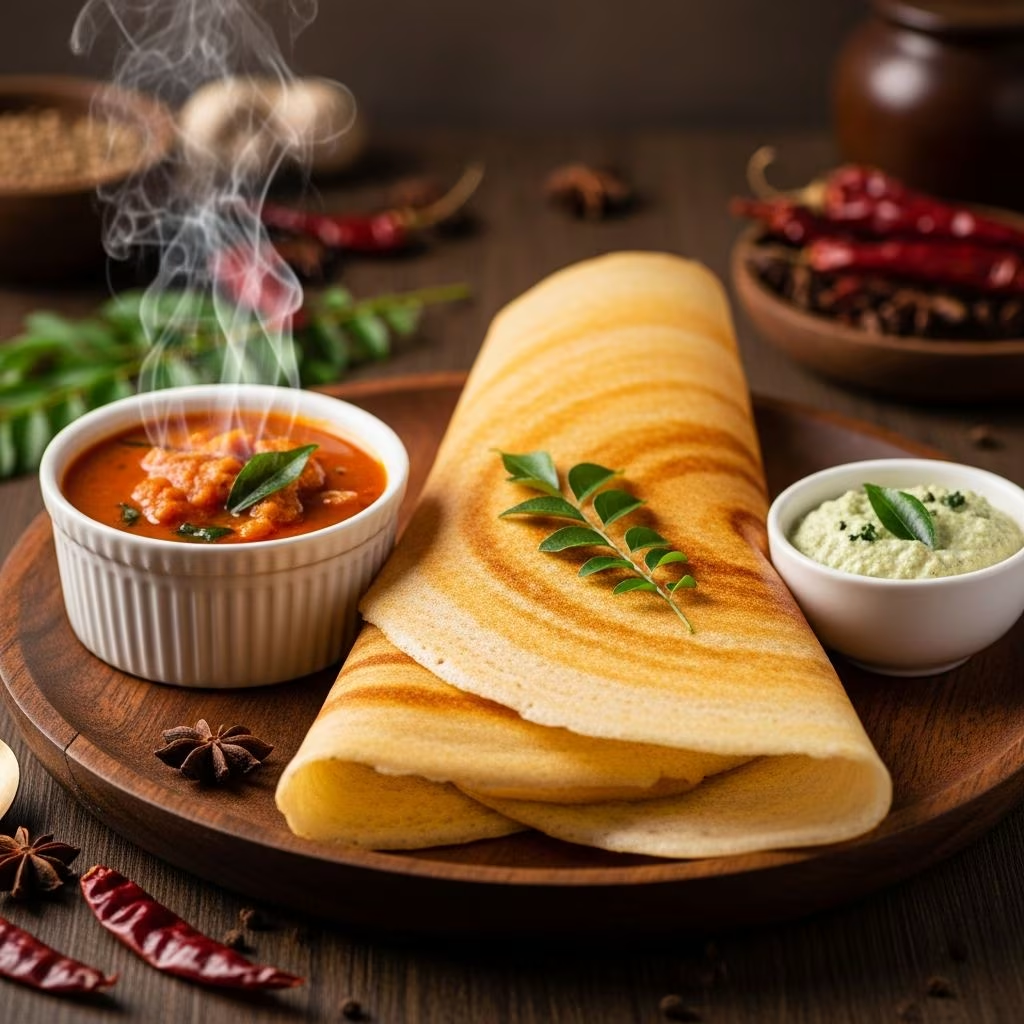
Dosa represents one of South India’s most beloved breakfast staples, prized for its crispy exterior and delicate, crepe-like texture. While many home cooks find the prospect of preparing dosas intimidating, understanding the fundamental techniques transforms this dish into an achievable culinary endeavor. The process involves careful ingredient selection, precise soaking and grinding procedures, strategic fermentation timing, and deliberate cooking methods that work together to produce restaurant-quality results.
Essential Ingredients for Your Dosa Foundation
Creating authentic dosa begins with gathering the correct components, most of which are readily available at Indian grocery stores or through online retailers. The foundation of any dosa recipe rests on four primary ingredients that work synergistically to develop flavor, texture, and the characteristic fermentation that makes dosas distinctive.
- Urad dal (split and skinned black gram) forms the protein-rich base that contributes to the batter’s airy, fluffy quality
- Rice provides the structural foundation and assists in creating crispy edges when cooked properly
- Poha (flattened rice) enhances fermentation and contributes to the batter’s rise
- Fenugreek seeds (methi) introduce aromatic compounds that develop during fermentation and aid the fermentation process itself
- Salt seasons the batter and influences fermentation dynamics
The proportion of ingredients significantly impacts your final product. A ratio of approximately 3 parts rice to 1 part urad dal creates a balanced foundation, though adjusting this ratio allows customization: reduce rice content for softer dosas or increase it for enhanced crispiness.
Preparation Stage: Soaking for Success
The soaking phase establishes the groundwork for successful fermentation and smooth grinding. This step deserves careful attention because proper hydration ensures that the ingredients grind into the silky batter required for well-formed, evenly-cooked dosas.
Begin by rinsing the urad dal thoroughly under running water until the water runs clear, then place it in a dedicated bowl with the fenugreek seeds. Cover with filtered water—approximately 2 cups—allowing these ingredients to absorb moisture for 4 to 6 hours. Simultaneously, rinse the rice and poha in a separate bowl and cover with approximately 3 cups of water to soak for the same duration.
The soaking water serves different purposes: retain the urad soaking liquid for blending, as this liquid contains valuable starches that contribute to fermentation, while the rice soaking liquid can be discarded. This distinction reflects the different roles each component plays in developing the final batter’s characteristics.
The Grinding Process: Achieving Ideal Consistency
Grinding represents a critical juncture where technique directly influences your batter’s quality. Improper grinding can result in grainy textures or overly dense batters that fail to rise adequately during fermentation.
Start by blending the urad dal and fenugreek seeds with approximately ¾ cup of the reserved soaking water using a high-powered blender. Blend until achieving a completely smooth, fluffy, almost cloud-like texture with no perceptible grittiness. This consistency resembles thick pancake batter—pourable but definitely not runny. Add water gradually rather than all at once, checking consistency frequently to avoid overshooting.
Transfer this smooth urad mixture to your fermentation container, then blend the drained rice separately using about ½ cup fresh filtered water. The rice should achieve a slightly grainy texture, with the largest particles approximately the size of granulated sugar—do not over-grind, as this reduces crispiness. Avoid creating a completely smooth rice batter; instead, maintain some textural variation that contributes to the dosa’s signature crispy quality.
Combine both batters in your fermentation vessel and incorporate salt (approximately 1¼ teaspoons kosher salt). Mix thoroughly using a clean hand for about two minutes; this manual mixing assists fermentation initiation by introducing beneficial microorganisms.
Understanding Fermentation: Timing and Environment
Fermentation transforms the individual components into a cohesive, flavorful, and textually perfect dosa batter. This biological process develops the subtle tang, airy structure, and digestibility that characterize authentic dosas.
Cover your fermentation container and position it in a warm, dry location away from direct sunlight. The fermentation duration varies significantly based on environmental conditions: in warm climates or during summer months, fermentation might complete in 8 to 12 hours, while cooler conditions may require up to 24 hours. The batter is adequately fermented when it becomes noticeably puffy and increased in volume, with a slightly tangy aroma.
Several strategies support successful fermentation in varying climates:
- Use an insulated cooler with warm water to maintain consistent temperature in colder environments
- Employ an oven with the light on for gentle, steady warmth
- Position the container near a sunny windowsill in mild weather
- Utilize a yogurt maker or fermentation box if available
- Simply leave the batter at room temperature in warm climates, allowing natural fermentation to proceed
Once fermented, the batter can be refrigerated for 1 to 2 weeks, allowing you to make dosas gradually rather than in a single session.
Preparing for Cooking: Achieving Proper Spreading Consistency
Before cooking, the fermented batter requires adjustment to achieve the ideal spreading consistency. Remove the quantity of batter you plan to use from refrigeration approximately 30 minutes before cooking, allowing it to reach room temperature.
Gently stir the fermented batter several times to deflate the puffiness that accumulated during fermentation—this makes spreading significantly easier. The batter should appear thick and cohesive, though not lumpy. If needed, add small amounts of water to achieve a consistency that pours smoothly but remains thick enough to spread without running.
Cooking Technique: From Pan Preparation to Perfect Plating
Cooking transforms the batter into the crispy, delicate dosas that make this dish memorable. Success depends on proper pan temperature, spreading technique, and timing.
Pan Selection and Preparation
Use a non-stick tawa (dosa pan), seasoned iron griddle, or flat-bottomed skillet approximately 10 to 12 inches in diameter. Heat the pan over medium heat and test readiness by sprinkling a few water drops on the surface; properly heated pans cause water to sizzle and evaporate within approximately five seconds. Lower the temperature to medium-low, as excessively hot pans prevent proper batter spreading and result in burned exteriors before interiors cook.
Add approximately ¼ teaspoon of oil to the pan and distribute it using a folded paper towel, creating a light, even coating. Avoid excessive oiling, which interferes with proper batter spreading and can create a greasy texture.
Spreading and Cooking Method
Pour approximately ¼ cup of batter into the pan’s center using a ladle. Immediately begin spreading the batter outward using the ladle’s rounded bottom, moving in concentric circular motions starting from the center. Work with deliberate, confident motions—hesitation allows the batter to set prematurely and prevents proper spreading. The finished dosa should measure approximately 9 to 10 inches in diameter with lacy, crispy edges.
Cook undisturbed for approximately 1 to 2 minutes until the underside becomes golden and crispy. Flip the dosa and cook the reverse side for approximately 30 seconds to 1 minute until lightly browned. The entire cooking process typically requires 2 to 3 minutes per dosa.
Troubleshooting Common Cooking Issues
If the batter refuses to spread smoothly, either the pan is too hot or the batter remains too thick. Reduce heat, cool the pan slightly, or thin the batter with small amounts of water. If the first dosa appears especially imperfect, consider it practice; subsequent dosas typically improve as pan temperature stabilizes. Some cooks intentionally discard the first dosa for this reason.
Customizing Your Dosa Experience
Once you master the basic technique, numerous variations invite experimentation. The foundation of mastered batter preparation and cooking techniques supports creative additions that personalize your dosas.
Crispy vs. Soft Variations
Adjust the rice-to-dal ratio to influence texture: increase rice content for enhanced crispiness, or reduce it for softer, more tender dosas. Some cooks grind rice slightly coarser for additional textural contrast, while others achieve softness through reduced grinding of the urad component.
Ingredient Innovations
Incorporate finely chopped vegetables such as onions, chilies, or cilantro directly into the batter for vegetable-studded dosas. Add ginger-green chili paste for additional flavor complexity. Sprinkle sesame seeds on the pan before pouring batter for nutty-flavored versions.
Storage and Advance Preparation
The fermented batter’s extended refrigeration window makes dosa preparation exceptionally convenient. Store the batter in airtight containers for up to 2 weeks, making it possible to prepare fresh dosas on-demand without repeating the entire fermentation process.
If your batter becomes too thick during storage, thin it gradually with water before cooking. Some cooks refresh the batter’s rising capability by incorporating a small amount of fresh yogurt or a starter culture, though this step remains optional for most applications.
Frequently Asked Questions About Dosa Making
Why didn’t my batter ferment properly?
Inadequate fermentation typically results from insufficient warmth, incorrect ingredient ratios, or inadequate mixing during preparation. Ensure your fermentation environment maintains consistent warmth, verify that you used the recommended ingredient proportions, and confirm that manual mixing was thorough enough to distribute beneficial microorganisms throughout the batter.
How can I achieve maximum crispiness?
Increase the rice-to-dal ratio, grind rice to a slightly coarser consistency than the urad component, ensure adequate pan temperature, and use minimal oil on the griddle. Avoid excessive batter thickness, which prevents proper spreading and results in thicker, less crispy dosas.
What if my dosas stick to the pan?
Sticking typically indicates either excessive heat or insufficient oil on the griddle. Reduce pan temperature slightly and ensure even oil distribution. Very old or damaged non-stick cookware may also contribute to sticking; consider using properly seasoned cast iron if non-stick options prove problematic.
Can I make dosa batter without soaking overnight?
While traditional methods involve overnight soaking, 4 to 6 hours generally provides adequate hydration for proper grinding. However, shorter soaking periods may result in slightly less smooth batters. Quick-soak methods using hot water exist but require more specialized technique and equipment.
How long does fermented batter remain usable?
Properly stored in the refrigerator, dosa batter remains suitable for cooking for approximately 2 weeks. The flavor actually intensifies slightly with age, though if the batter develops an excessively sour taste or unusual odor, discard it immediately.
Conclusion: Elevating Your Dosa Preparation
Creating homemade dosas transcends simple cooking instruction—it represents understanding the biological transformation of ingredients through fermentation, mastering spreading technique, and recognizing how environmental variables influence outcomes. By systematically applying these foundational principles, home cooks can consistently produce dosas that rival those from established restaurants, while enjoying the satisfaction of creating this beloved South Indian specialty from essential ingredients.
References
- Dosa Recipe (With Homemade Dosa Batter) — Holy Cow Vegan. 2024. https://holycowvegan.net/dosa-recipe/
- Dosa Recipe, How to make Dosa Batter — Swasthi’s Recipes. 2024. https://www.indianhealthyrecipes.com/dosa-recipe-dosa-batter/
- How to Make Dosa at Home | Foolproof Fermentation Tips — Paint the Kitchen Red. 2024. https://www.paintthekitchenred.com/how-to-make-dosa/