One of the most underutilized ingredients in home bars remains sitting innocuously in kitchen pantries across the country: jam. Beyond its traditional role on toast or in pastries, jam serves as an exceptional foundation for craft cocktails, offering both natural sweetness and concentrated fruit flavors that rival commercial syrups and liqueurs. This approach to cocktail creation represents a practical solution for home bartenders who want to expand their flavor palette without maintaining an extensive inventory of specialized ingredients.
The brilliance of using jam in cocktails lies in its inherent qualities—the fruit has already been processed with sugar, spices are often included, and the texture creates a unique mouthfeel that distinguishes jam-based drinks from their syrup-sweetened counterparts. Whether you’re working with raspberry preserves, strawberry jam, fig butter, or even spicy pepper jellies, the foundation for an impressive cocktail exists within that jar.
Understanding the Foundation: Why Jam Works in Cocktails
Jam functions as a cocktail ingredient through the combination of three essential components: concentrated fruit pulp, sugar content, and often subtle spice notes added during production. When incorporated into a shaker with spirits and citrus, the jam dissolves partially, creating a silky texture while infusing the drink with authentic fruit flavor that transcends what most commercial mixers can achieve.
The sugar content in jam—typically ranging from 50 to 65 percent by weight—means you’re not simply adding flavor; you’re also incorporating the sweetness element that traditionally comes from simple syrup. This dual functionality eliminates the need to prepare syrup in advance and reduces the number of ingredients required for each drink. For those moments when you’ve run out of your carefully prepared simple syrup, jam becomes the perfect substitute that adds dimension beyond mere sweetness.
Different jam varieties offer distinct flavor profiles that can anchor an entire drink concept. Seedless berry jams provide clean, bright fruit notes, while marmalades introduce citrus complexity and slight bitterness. Specialty jams infused with lavender, ginger, or chili peppers open entirely new possibilities for experimental mixology. Even the tannins present in some preserves can contribute depth similar to what herbal liqueurs provide.
The Science of Proportions: Balancing Your Ingredients
Creating successful jam cocktails requires understanding how this thick, sweet ingredient interacts with spirits, acids, and other components. The standard approach draws from classic cocktail ratios, adapted to account for jam’s unique properties.
The Sour Template
Traditional sour cocktails follow a 2:1:1 ratio of spirit to sweet to sour elements. When applying this template to jam-based drinks, the math shifts slightly because jam contains both sugar and fruit acid. A typical jam sour consists of two ounces of your chosen spirit, one and a half to two tablespoons of jam, and three-quarters to one ounce of fresh citrus juice.
Because jam typically contains tartaric acid and natural fruit acids that contribute acidity, reducing the citrus element slightly prevents your final drink from becoming overly sour. Taste as you develop your recipe; some jams carry more pronounced tartness than others. A spoonful of the jam in question can guide your citrus adjustment before committing to the full batch.
Spirit-Forward Expressions
For those preferring spirit-forward cocktails with subtle sweetness rather than balanced sourness, the proportion shifts to two ounces of spirit with just one to one and a half tablespoons of jam, maintaining the focus on the base spirit’s character while allowing jam to provide background sweetness and flavor complexity.
Adjusting for Jam Characteristics
Some jams run thinner, some possess intense flavor concentration, and others come with subtle spice notes. These variations may necessitate proportional adjustments. A intensely flavored fig jam might require slightly less volume than a delicately flavored peach preserve to avoid overwhelming the drink. Conversely, lighter jams might benefit from an extra half tablespoon to achieve the desired flavor presence.
Base Spirits: Finding Your Perfect Pairing
The selection of spirit dramatically influences how your finished cocktail tastes and how well the jam’s flavors integrate into the overall composition.
- Gin: The botanicals in gin—particularly juniper, citrus peels, and floral notes—complement berry and stone fruit jams beautifully. Gin’s dry character provides contrast to jam’s sweetness, creating balanced drinks that remain sophisticated rather than dessert-like.
- Whiskey and Rye: The oak undertones, vanilla notes, and slight spice found in whiskey create exceptional harmony with darker jams like blackberry, fig, or marmalade. Rye’s peppery character works particularly well with berry jams and stone fruit preserves.
- Vodka: This neutral spirit acts as a clean canvas, allowing jam’s fruit flavors to take center stage without competition from the spirit’s own characteristics. Vodka-based jam cocktails often feature brighter, more straightforward fruit profiles.
- Tequila: The agave-forward character and subtle spice of tequila pairs memorably with tropical fruit jams, citrus marmalades, and even unexpected combinations like pineapple-habanero preserves.
- Rum: The natural sweetness already present in many rums creates synergy with jam-based cocktails, particularly those made with tropical or exotic fruit preserves.
Preparation Technique: The Shaking Method
Creating a jam cocktail involves a slightly different approach than standard cocktail preparation, primarily because jam’s thickness requires additional agitation to fully integrate.
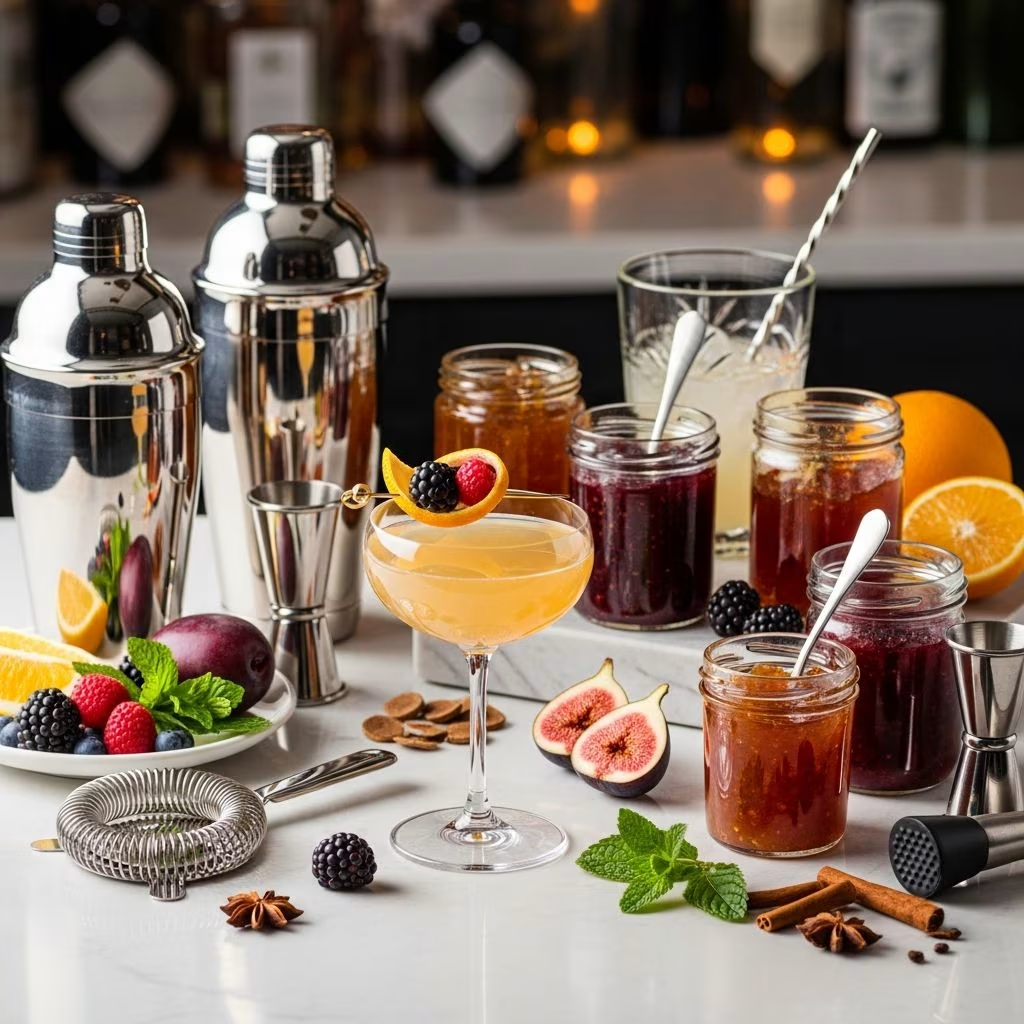
Begin by filling your cocktail shaker approximately halfway with ice cubes of standard size. Add your measured spirit first, followed by your jam, then your citrus juice. Include any bitters or additional ingredients specified in your recipe. Close the shaker firmly—this is crucial when working with viscous ingredients like jam.
Shake with deliberate, vigorous movements for ten to twelve seconds. This extended duration compared to standard cocktails (typically six to eight seconds) allows the jam to break down, distribute evenly throughout the mixture, and achieve proper dilution from the melting ice. You should hear the sound transition from distinct ice clinking to a more muffled motion as the jam disperses.
For presentation in formal settings, employ a double-straining technique using a Hawthorne strainer combined with a fine mesh strainer. This removes both large ice particles and any jam pulp that didn’t fully dissolve, resulting in a silky-smooth drink. For casual home consumption, a single strain through a standard cocktail strainer suffices perfectly.
The Jar Hack: An Elegant Alternative Method
Perhaps the most ingenious application of this technique transforms the jam jar itself into your cocktail shaker. This approach offers several advantages: it’s practical, reduces dishwashing, and creates a compelling narrative about resourcefulness and sustainability.
When a jam jar reaches that nearly-empty stage where scraping yields only thin residue, rather than discarding that final layer or composting it, simply add ice cubes directly to the jar. Pour in your selected spirit—typically two ounces—along with fresh citrus juice, usually one ounce. Replace the jar’s lid and shake vigorously for the same ten to twelve seconds you’d use with a standard shaker.
The residual jam coating the jar’s interior dissolves into your cocktail, adding precisely calibrated sweetness and flavor. Strain into a chilled glass, optionally top with club soda for a lighter expression, and garnish with fresh fruit or a citrus twist. This method eliminates waste while creating a drink that tastes intentional rather than accidental.
Flavor Matching: Strategic Pairing Decisions
Success in jam cocktail creation depends significantly on thoughtful flavor pairing between jam variety and other ingredients.
| Jam Variety | Recommended Spirits | Citrus Pairing | Optional Additions |
|---|---|---|---|
| Strawberry | Gin, vodka, light rum | Lemon or lime | Vanilla bitters, fresh basil |
| Raspberry | Rye whiskey, gin, vodka | Lemon | Hibiscus bitters, black pepper |
| Blackberry | Bourbon, rye, gin | Lemon or lime | Thyme, clove bitters |
| Fig | Rye whiskey, cognac, rum | Lemon | Walnut bitters, honey |
| Orange Marmalade | Gin, whiskey, cognac | Lemon | Orange bitters, cardamom |
| Blueberry | Bourbon, gin, vodka | Lime or lemon | Lavender bitters, mint |
Recipe Framework: Building Your Signature Drinks
Classic Jam Sour
- 2 ounces base spirit of your choice
- 1.5 tablespoons jam or preserves
- 0.75 ounces fresh lemon or lime juice
- 2 dashes bitters (flavor complementing your jam selection)
- Ice for shaking
- Garnish: citrus wheel or twist
Combine all ingredients in a cocktail shaker filled with ice. Shake vigorously for 10-12 seconds. Double strain into a chilled coupe or rocks glass filled with fresh ice. Garnish and serve immediately.
Spirit-Forward Expression
- 2 ounces premium spirit
- 1 tablespoon jam
- 2-3 dashes complementary bitters
- Ice for shaking
- Garnish: expressed citrus oil or fresh herb
This lighter preparation emphasizes the spirit’s character while allowing jam to add subtle complexity. Follow the same shaking and straining procedure, serving up in a coupe or over a single large ice cube in a rocks glass.
Batch Cocktails: Entertaining Made Simple
The jam cocktail format scales beautifully for entertaining groups, allowing you to prepare drinks in advance without compromising quality.
For eight to nine servings, multiply your single-serving recipe by the number of guests: two cups of your selected spirit, three-quarters cup jam, three-quarters cup fresh citrus juice, eight to twelve dashes of bitters (start with the lower amount), and one-half cup water to account for dilution that would normally occur during individual shaking.
Combine all ingredients in a large sealable pitcher and shake extremely well, allowing the jam to fully distribute throughout the liquid. Strain the entire batch into a clean, resealable pitcher and refrigerate for a minimum of four hours. Before each pour, shake the pitcher thoroughly, as jam particles naturally settle over time.
This approach frees you from playing bartender during gatherings, allowing you to enjoy your guests’ company while providing consistently excellent drinks throughout the event.
Beyond the Shaker: Alternative Applications
The utility of jam extends beyond traditional shaken cocktails into creative variations and complementary applications.
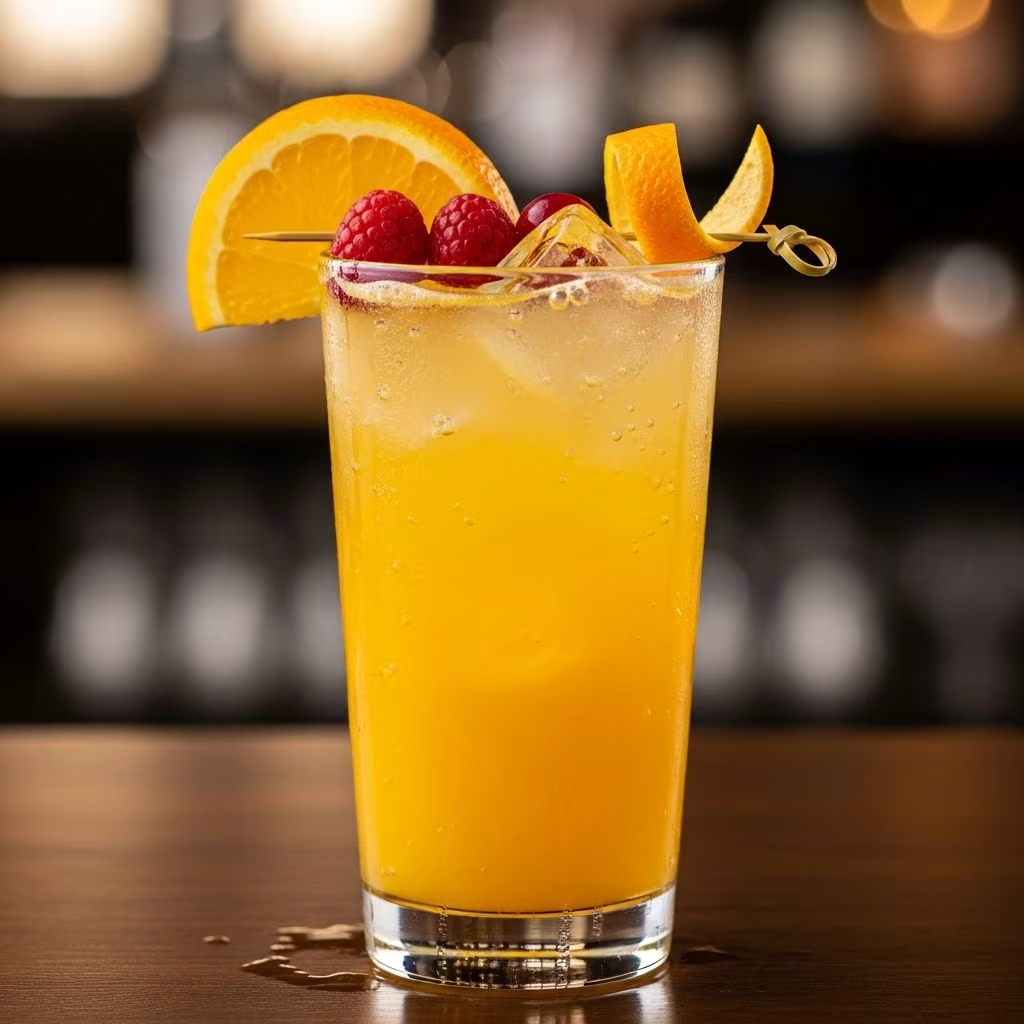
- Sparkling Variations: Instead of traditional straining, float your shaken jam cocktail base over ice in a highball glass and top with prosecco, champagne, or dry sparkling wine. The bubbles add effervescence while preserving the jam’s flavor profile.
- Stirred Expressions: For spirit-forward preparations, combine your ingredients in a mixing glass with ice, stir for 30 seconds to achieve proper dilution without excessive aeration, then strain over ice. This technique suits darker jams and premium spirits particularly well.
- Infused Spirits: Combine jam with your chosen spirit in a sealed jar and allow several days of infusion for intensified flavor concentration before using in cocktails.
- Frosted Rims: Mix jam with a small amount of sugar and coat your glass rim for visual interest and flavor reinforcement.
Troubleshooting Common Challenges
As with any technique, obstacles occasionally emerge when crafting jam cocktails. Understanding their causes allows for quick resolution.
Excessively Thick Consistency: If your finished drink feels more like a smoothie than a cocktail, you’ve likely used too much jam or insufficient dilution during shaking. Increase your shaking duration to 12-15 seconds, ensuring the ice melts sufficiently. Alternatively, reduce jam quantity in future attempts by half a tablespoon.
Overly Sweet Results: This indicates jam-to-citrus imbalance. Increase your lemon or lime juice by one-quarter ounce, or reduce jam by half a tablespoon. Some jams carry more residual sugar than others, so proportional adjustment may be necessary for different brands or varieties.
Flavor Feels Muted: Certain jams, particularly those with subtle flavor profiles, may disappear when combined with assertive spirits. Try a higher proportion of jam (up to two tablespoons), or consider whether your chosen spirit’s flavor is overwhelming the fruit component. A gentler spirit choice might better showcase the jam’s characteristics.
Textural Grittiness: Some jam varieties contain seed particles or crystallized fruit that don’t fully dissolve. Double straining addresses this issue effectively, catching particles the Hawthorne strainer might miss.
Selecting Quality Ingredients for Superior Results
The final drink’s quality depends substantially on ingredient selection. Premium jam brands using whole fruit and minimal additives create more sophisticated results than highly processed varieties containing excessive corn syrup or thickening agents.
Look for jams listing fruit and sugar as primary ingredients, ideally in a 1:1 ratio or with fruit exceeding sugar content. Artisanal or small-batch producers often offer unexpected varieties—lavender-infused preserves, ginger-spiced marmalades, or black garlic jams—that add distinctive character unavailable in mainstream commercial brands.
Similarly, fresh-squeezed citrus juice represents a non-negotiable component for drinks of professional caliber. Bottled or reconstituted juices contain preservatives and lack the brightness that fresh juice contributes. Squeeze your lemons and limes immediately before mixing, or prepare juice no more than a few hours in advance and store refrigerated.
Frequently Asked Questions
Can I use any type of jam or preserve?
Yes, virtually any preserve works—fruit jams, marmalades, curd, butter, and even savory jellies all function effectively as cocktail ingredients. The key is matching the preserve’s flavor profile with complementary spirits and citrus selections.
What if my jam has mold or visible contamination?
Discard it immediately. While unopened jams last years, once opened, they’re susceptible to mold and bacterial growth. Do not attempt to salvage or consume compromised jam in cocktails or any other application.
Can I prepare jam cocktails in advance without ice?
Yes, batched cocktails prepared according to the scaling formula remain stable refrigerated for up to one week. Shake before each serving to redistribute settled particles.
Does the alcohol content differ from traditional cocktails?
No, jam cocktails maintain standard alcohol levels since the spirit quantity remains constant. The perception of lighter alcohol content sometimes occurs because jam’s sweetness masks spirit burn slightly.
References
- How to Make Jam Cocktails — Cocktail Contessa. 2023-01-15. https://www.cocktailcontessa.com/how-to-make-jam-cocktails/
- Turn Your Nearly-Empty Jam Jar Into A Cocktail Shaker — Food Republic. https://www.foodrepublic.com/1363105/tips-tricks-using-nearly-empty-jam-jar-make-cocktails/
- Creative cook shares game-changing hack for using up the last bit of jam in a jar — The Cool Down. https://www.thecooldown.com/sustainable-food/how-to-make-a-jam-jar-cocktail-leftover/
- Jam-Jar Cocktail — Trader Joe’s. https://www.traderjoes.com/home/recipes/jam-jar-cocktail.html